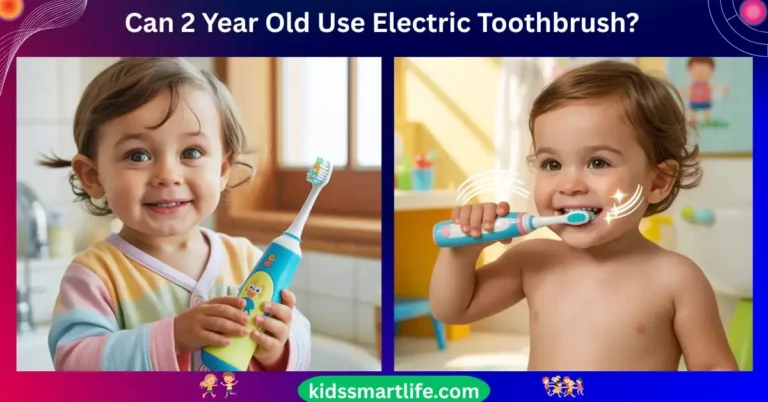
How To Improve Dental Health In Children? Get easy, expert-backed tips on brushing, diet, fluoride, and checkups to build strong smiles. Parent-friendly guide. Brush twice daily with fluoride, limit sugary snacks, and see a dentist early. Parents often ask How To Improve Dental Health In Children?, and the answer is simpler than it seems.
Drawing on years of research and hands-on work with pediatric dental teams, this guide distills proven steps into clear, friendly advice you can use today. Keep reading to learn practical routines, smart nutrition, and dentist-approved tools that build strong smiles for life.
Why dental health in childhood matters
Tooth decay is one of the most common chronic conditions in kids. Pain from cavities can affect sleep, speech, growth, and school performance. Good oral care protects confidence and overall health.
If you wonder How To Improve Dental Health In Children, start by acting early. Care in the first years shapes habits that last.
Small daily wins beat big fixes later. Fluoride, smart food choices, and regular checkups build a strong shield.

The daily routine that works by age
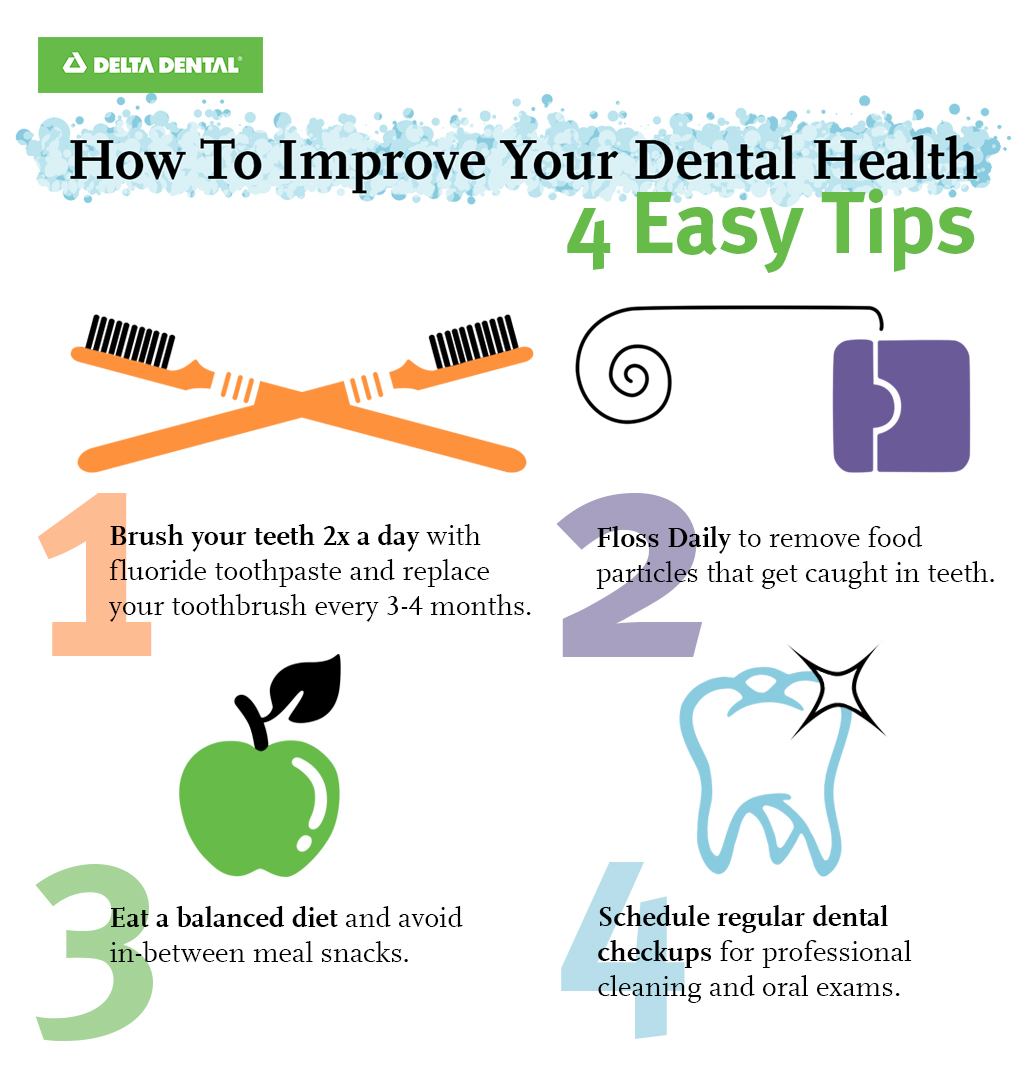
A simple, steady routine is the heart of How To Improve Dental Health In Children?.
Infants to 12 months
- Wipe gums twice daily with a clean, damp cloth.
- Start brushing as soon as the first tooth appears.
- Use a tiny smear of fluoride toothpaste, about a rice grain.
Toddlers 1–3 years
- Brush twice a day for two minutes.
- Use a rice-grain smear of fluoride toothpaste.
- Begin flossing when the teeth touch.
- An adult should do the brushing and flossing.
Ages 4–7
- Brush twice daily with a pea-size amount of fluoride toothpaste.
- Floss once a day.
- Parents still guide and check. Most kids need help until 8–10.
Ages 8–12
- Keep brushing for two minutes, twice daily.
- Floss nightly.
- Consider an electric brush if the technique is poor.
Simple technique tips
- Place the brush at a 45-degree angle to the gums.
- Use small circular motions on every surface.
- Spit; no need to rinse, so fluoride stays longer.
From experience: I’ve seen families turn mornings around by using a two-minute song and a simple reward chart. It makes How to Improve Dental Health in Children? feel doable even on busy days.

Smart nutrition for strong teeth
Food choices can make or break How To Improve Dental Health In Children?.
Simple rules that work
- Frequency matters more than quantity. Limit snacking, especially sticky or sugary foods.
- Keep sweets with meals, not as stand-alone snacks.
- Offer water between meals. Avoid grazing with juice or milk in a sippy cup.
Better swaps
- Replace gummies, dried fruit, and sticky bars with fresh fruit, cheese, nuts, or yogurt.
- Choose whole grains over refined starches that stick to teeth.
- Pack water and milk. Reserve juice for rare treats.
Nutrients that help
- Calcium and vitamin D support strong enamel.
- Phosphorus, found in dairy, eggs, fish, and beans, helps repair.
- For older kids, xylitol gum or mints after meals can reduce decay risk. Supervise to avoid choking.
Guideline notes
- Avoid juice before age 1.
- Keep portions small for young kids if juice is offered later.
- Combine carbs with protein and water to reduce acid attacks.
Real-life example: A parent switched the after-school cookie to cheese and apple slices with water. Within six months, plaque scores dropped at the checkup. That is How To Improve Dental Health In Children in action.

Fluoride, sealants, and enamel protection
Science is clear: fluoride prevents cavities. It helps enamel re-mineralize and resist acid.
Toothpaste
- Use fluoride toothpaste from the first tooth.
- Smear-size for under 3; pea-size from 3–6; always supervise to avoid swallowing.
Water and varnish
- Community water fluoridation lowers decay risk.
- Fluoride varnish in the dental office can start with the first tooth, often every 3–6 months for higher-risk kids.
Sealants
- Sealants protect the grooves of molars, usually around the ages of 6 and 12.
- They can reduce decay in pit-and-fissure areas by more than half.
Alternatives
- Hydroxyapatite toothpaste shows promise, especially for kids who avoid fluoride. Evidence is growing, but not as strong as fluoride.
- For How To Improve Dental Health In Children, discuss risks and benefits with your dentist.
Safety
- Supervise brushing to prevent excess toothpaste swallowing.
- Store dental products out of reach.
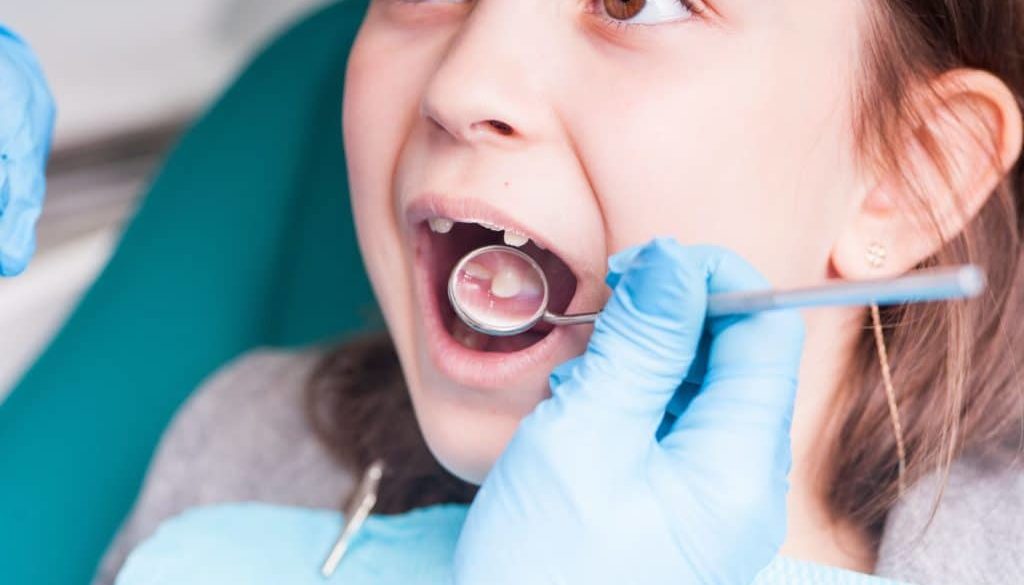
How To Improve Dental Health In Children Source: youngfamilydental.com
Regular checkups and risk-based care
The first dental visit should be by age 1 or within six months of the first tooth. Early visits teach parents how To Improve Dental Health In Children and spot small issues before they grow.
What to expect
- Risk assessment: diet, fluoride exposure, and family history.
- Cleaning and fluoride.
- X-rays are often needed, often when back teeth touch, or risk is high.
- Guidance on habits, injury prevention, and growth.
Visit frequency
- Every six months is common.
- Higher-risk kids may need visits every 3–4 months.
Insurance notes
- Many plans, including public programs, cover early visits and sealants.
- Ask your dental office to check benefits for preventive care.

Source: uky.edu
Habits that harm or help
Knowing which habits help is key to How To Improve Dental Health In Children.
Bottle and cup use
- No bottle to bed. Milk, formula, or juice overnight can cause decay.
- Shift from sippy cups to open or straw cups as skills improve.
Thumbs and pacifiers
- Most kids stop by 3–4 years without trouble.
- If the habit lingers, use gentle reminders, rewards, and a gradual wean plan.
- Ask your dentist if you see bite changes or speech issues.
Mouth breathing and dry mouth
- Chronic mouth breathing dries saliva and raises cavity risk.
- Discuss with your pediatrician or ENT if snoring, allergies, or enlarged tonsils are present.
Grinding and clenching
- Common in kids and often temporary.
- If teeth wear or pain occurs, a dentist can help, sometimes with a guard for teens.
These steps show How To Improve Dental Health In Children. goes beyond brushing.
Make it fun: motivation that lasts
Kids stick with routines that feel like play. That mindset is central to How To Improve Dental Health In Children?.
Make it easy
- Let kids pick brush color and flavor.
- Use a two-minute song or timer.
- Try brushing apps for points or badges.
Make it social
- Brush together as a family so kids mirror you.
- Use a simple chart with small rewards for streaks.
Make it visible
- Place brushes and floss where kids can see and grab them.
- Keep water handy and pre-pack better snacks.
From real-life coaching: One family kept a travel brush set in the car for after-sports cleanup. That one tweak cut evening battles in half.
Common problems and early warning signs
Catching early changes is part of How To Improve Dental Health In Children?.
Watch for
- White chalky spots near the gumline. These are early decay signs.
- Bleeding gums. This signals plaque and gingivitis.
- Sensitive teeth or pain when chewing.
- Bad breath that does not improve with brushing.
Teething vs. trouble
- Teething brings sore gums and drool, but not deep decay pain.
- If symptoms persist, call your dentist. Early visits stop small issues from becoming big ones.
Safety and injury prevention in sports and play
Healthy smiles also need protection. This angle matters in How To Improve Dental Health In Children?.
Mouthguards
- Use a mouthguard for contact and many non-contact sports.
- Custom guards fit better and protect more, especially with braces.
If a tooth is knocked out
- Permanent tooth: Rinse gently, do not scrub, and place it back in the socket if possible. If not, store in milk or saline and see a dentist within 60 minutes.
- Baby tooth: Do not replant. See a dentist to check for damage.
Other tips
- Use helmets and face shields where advised.
- Set a home rule for no running with objects in the mouth.
Product guide: what to buy and why
Choosing the right tools simplifies How To Improve Dental Health In Children?.
Toothbrushes
- Soft bristles only.
- Smaller heads fit little mouths.
- Electric brushes help kids with a weaker technique.
Toothpaste
- Fluoride 1000–1450 ppm.
- Smear-size under 3; pea-size from 3–6; supervise all kids who might swallow.
Floss
- Start when teeth touch.
- Floss picks can help small hands, but show proper sliding and hugging of the tooth.
Rinses
- Fluoride rinses can help older kids at high risk.
- Do not use with kids who cannot spit reliably.
Extras
- Xylitol gum or mints after meals for older kids can reduce decay risk.
- Disclose tablets show plaque and make brushing a game.
Frequently Asked Questions on How To Improve Dental Health In Children?
When should my child first see a dentist?
By age 1 or within six months of the first tooth. Early visits teach parents How To Improve Dental Health In Children and prevent problems.
How much toothpaste should kids use?
Use a rice-grain smear under age 3 and a pea-size amount from 3–6. Supervise to ensure they spit and do not swallow.
Are electric toothbrushes better for kids?
They can help if brushing is rushed or the technique is weak. What matters most is two minutes, twice a day, with fluoride toothpaste.
Do kids really need floss?
Yes, as soon as teeth touch. Floss cleans areas a brush cannot reach and is key to preventing cavities between teeth.
Is juice bad for teeth?
Frequent juice sipping raises decay risk. If offered, keep servings small, serve with meals, and prefer water between meals.
Are sealants safe and worth it?
Yes. Sealants are a safe, non-invasive way to protect molars and have strong evidence for reducing cavities.
What if my tap water is not fluoridated?
Use fluoride toothpaste and ask your dentist about varnish or supplements. They can tailor a plan based on risk.
How do I stop thumb-sucking gently?
Use praise, small rewards, and gradual limits, like no sucking during TV time. Your dentist can suggest habit tools if needed.
What’s the best snack for dental health?
Pair protein with produce, like cheese and apple slices. Water on the side helps wash away acids.
How often should my child get X-rays?
It depends on risk and age. Dentists follow safety guidelines and take them only when needed to spot hidden decay.
Conclusion
Strong smiles start with small, steady steps. Brush with fluoride twice a day, choose smarter snacks, protect teeth with sealants and guards, and see the dentist early and often. These habits show How To Improve Dental Health In Children in the simplest way.
Start tonight: set a two-minute timer, brush together, and pack a better snack for tomorrow. Want more parent-tested tips on How To Improve Dental Health In Children?? Subscribe for updates, share this guide with a friend, or leave your questions in the comments.