
Does Milk Production Increase As Baby Gets Older? Get clear answers on supply changes, growth spurts, and simple tips to keep breastfeeding on track. It increases in the first weeks, then mostly stabilizes and adapts to demand.
I’ve supported hundreds of families through the first year, and the pattern is clear. Milk supply changes a lot at first, then steadies while staying flexible. In this guide, I explain how supply actually works, why it shifts, and how to keep it strong at every step.
If you’ve wondered, Does Milk Production Increase As Baby Gets Older?, you’ll find clear answers, practical tips, and evidence-based advice here.

Source: pathways.org
How Milk Production Works: The Supply-and-Demand System
Your body makes milk in response to the removal. The more often and more effectively milk is removed, the more milk you make. This is the core of the supply-and-demand system.
Two hormones do the heavy lifting. Prolactin drives milk production. Oxytocin triggers let-down, so milk flows. Prolactin levels peak at night, so overnight feeds can help protect the supply. In the early weeks, frequent feeds teach your body how much to produce.
After that, production stabilizes and adapts to your baby’s needs. This is why asking, Does Milk Production Increase As Baby Gets Older?, depends on how milk is removed over time, not just age alone.

Source: exclusivepumping.com
Does Milk Production Increase As Baby Gets Older? Explained by Age and Stage
The short answer is yes, early on, then not necessarily. Production increases in the first days and weeks, then levels off. After that, your body responds to changes in feeding patterns, growth spurts, and solids.
Birth to 2 weeks
- Colostrum shifts to mature milk. Volume rises quickly.
- Frequent feeding (8–12 times daily) drives a strong baseline supply.
2 to 6 weeks
- Supply continues to build with regular removal.
- Many parents notice fuller breasts and faster let-downs.
1 to 3 months
- Supply stabilizes. Average intake often settles around the same daily volume, even as babies become more efficient.
- Babies may get more milk in less time. Pumps may show less, but the baby may still transfer well.
3 to 6 months
- Visible fullness may fade. This is normal. Your breasts adapt to “just-in-time” production.
- Growth spurts can cause cluster feeding, which can boost supply temporarily.
6 to 12 months
- Solids begin around 6 months. Total milk volume may drop a bit, but composition stays rich and tailored.
- Supply follows demand. If the baby nurses less, production tapers. If the baby nurses more, it can rise again.
Toddler years
- Nursing sessions may be shorter and less frequent.
- Milk remains nutritionally valuable and can increase with more frequent removal.
So, Does Milk Production Increase As Baby Gets Older? Early on, yes. Later, it depends on the frequency and effectiveness of milk removal. Many families see stable daily volume across months 1–6, with short bursts up or down during growth spurts.
After solids start, intake may decline, but supply adjusts to match need. This is why Does Milk Production Increase As Baby Gets Older? is best answered as “it increases early, then adapts.”

Source: lllc.ca
Factors That Influence Changes in Milk Supply Over Time
Several factors shape whether you notice increases as your baby grows.
- Feeding frequency and effectiveness. Frequent, effective milk removal signals “make more.” Shallow latch or missed feeds signal “make less.”
- Pumping routine: Consistent pumping can maintain or increase supply. Inconsistent sessions may reduce it.
- Baby’s efficiency Older babies are better at milk transfer, so sessions get shorter even if intake stays steady.
- Health and hormones. Illness, thyroid issues, anemia, and some medications can reduce supply.
- Return to work or schedule changes. Fewer sessions or long stretches without removal can lower production.
- Growth spurts: Brief periods of dense feeding boost supply, then stabilize.
- Solids introduction Nursing usually remains the main source of nutrition until about 1 year, but overall milk volume can taper as solids rise.
Does Milk Production Increase As Baby Gets Older? It can, if removal increases or transfer improves. It can also hold steady or fall if feeds drop.

Source: pathways.org
Common Myths About Milk Supply and Baby Age
- Myth: Supply always increases as a baby gets older. Truth: It increases in early weeks, then adapts to demand.
- Myth: Softer breasts mean low supply. Truth: Softer breasts are normal after regulation.
- Myth: Pump output shows your supply. Truth: Pumps are less efficient than babies. Output varies.
- Myth: Solids replace breast milk right away at 6 months. Truth: Solids start slow; milk remains key.
- Myth: Night feeds are not needed after 3 months. Truth: Night nursing often protects supply and growth.
Does Milk Production Increase As Baby Gets Older? Not by default. It follows the signals you and your baby send.

Source: premierhealth.com
Practical Tips to Support Supply As Your Baby Grows
- Protect frequent, effective removal. Aim for 8–12 feeds in the early weeks. Later, keep a rhythm that fits your baby’s cues.
- Check latch and transfer. If weight gain slows or feeds are painful, get skilled help.
- Use responsive feeding. Watch baby’s hunger cues, not the clock.
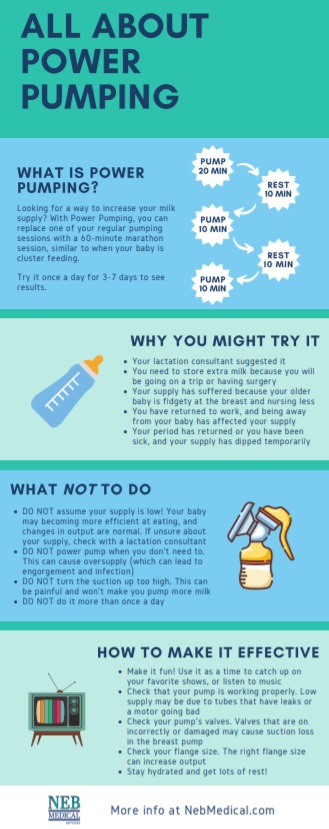
- Power pump when needed. Try a 60-minute session (20 on, 10 off x3) once a day for a few days to nudge supply.
- Optimize pump setup. Use the right flange size. Replace valves and membranes on schedule.
- Keep night feeds while needed. Overnight sessions can sustain supply.
- Support your body. Eat to hunger, drink to thirst, and rest when you can.
I’ve seen parents worry, Does Milk Production Increase As Baby Gets Older?, when feeds feel shorter. Often, the baby has simply become efficient. Tracking diapers and weight trends gives a clearer picture than session length.

Source: organicsbestshop.com
Pumping, Work, and Introducing Solids: What to Expect
Returning to work often means fewer direct feeds. This can lower the supply unless you pump at similar times. Many parents aim for one pump per missed feed.
As solids begin, some babies drop a nursing session. Others do not. Offer breast milk before solids to protect intake at first. If you need to boost supply, add a pump session or dream feed. Does Milk Production Increase As Baby Gets Older? With solids, not usually on its own. But it can increase if you raise the removal frequency.
Real-life note: I once coached a parent whose supply dipped after solids began. We added a short morning pump and a relaxed evening nurse-in for three days. Output rose, baby fed well, and stress eased.
People Also Ask: Concise Answers
Does Milk Production Increase As Baby Gets Older?
- Early, yes, then it stabilizes. Later increases happen when removal rises.
How much milk do babies drink as they grow?
- Many take a similar daily amount from 1–6 months, even as sessions get shorter.
Why does my baby nurse faster now?
- Older babies transfer milk more efficiently. Shorter feeds can still be full feeds.
Source: nebmedical.com
Frequently Asked Questions: Does Milk Production Increase As Baby Gets Older?
Does Milk Production Increase As Baby Gets Older? during growth spurts?
Yes, often for a few days. Cluster feeding raises demand, and your body follows.
Does Milk Production Increase As Baby Gets Older? If I pump more at work?
It can. Add a pump for each missed feed to protect or raise the supply.
Does Milk Production Increase As Baby Gets Older? after introducing solids?
Usually not. Intake may slowly shift to solids; supply adapts to nursing frequency.
Does Milk Production Increase As Baby Gets Older? If I stop night feeds?
It may drop unless you add daytime sessions or a pump to replace the removal.
Does Milk Production Increase As Baby Gets Older? in the toddler stage?
It depends on frequency. More nursing can raise supply; less nursing lowers it.
How can I tell if the supply matches my baby’s needs?
Watch weight gain, diaper counts, and the baby’s behavior. A good latch and steady growth are key.
Can stress or illness change the supply as my baby grows?
Yes. Short-term dips are common. Extra rest, fluids, and frequent removal help it rebound.
Conclusion
Milk supply rises in the early weeks, then stabilizes while adapting to how often and how well milk is removed. Age alone does not drive steady increases. Your daily routine, your baby’s efficiency, and your pumping or feeding habits shape the curve.
If you need more milk, you can teach your body to make it with frequent, effective removal. Start with small, steady changes. Track progress, and seek skilled help if you hit a wall. Want more guidance like this? Subscribe for new articles, or leave a comment with your question, and I’ll help you troubleshoot.