Find the What The Best Kids Hearing Protection Earmuffs for kids, plus age-specific tips and top picks parents trust in 2026. Pick NRR 22–27 dB for most kids; use 27–31 dB for extreme noise. Parents often ask What The Best Level Of Hearing Protection Earmuffs For Kids?
This guide gives a clear, expert answer. I cover NRR, safe decibel limits, age fit, and real tests from loud events. You will learn how to choose, use, and care for earmuffs that keep young ears safe without overdoing it.
Source: macksearplugs.com
What The Best Level Of Hearing Protection Earmuffs For Kids?
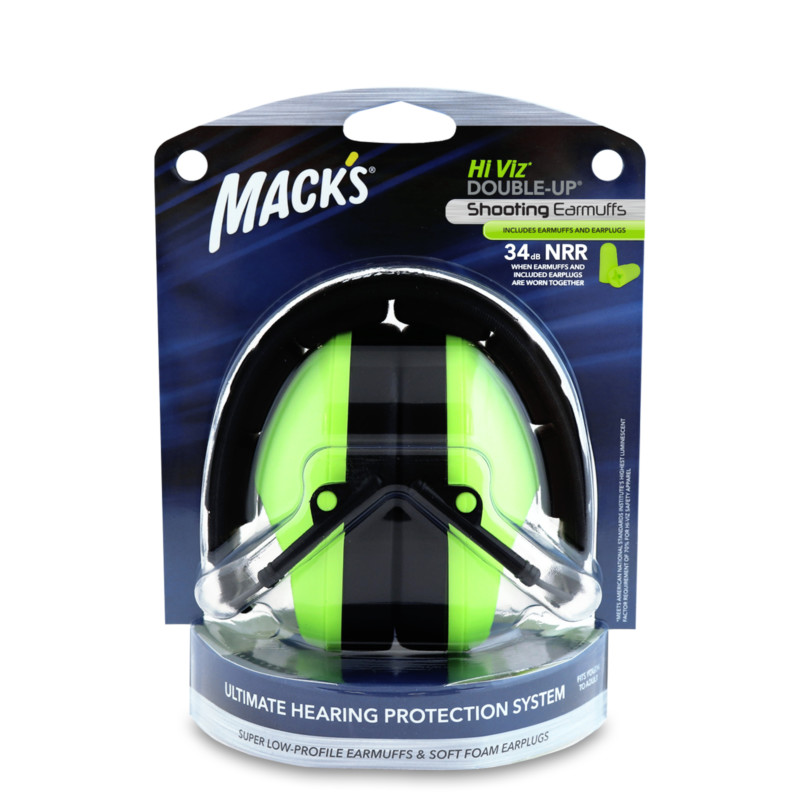
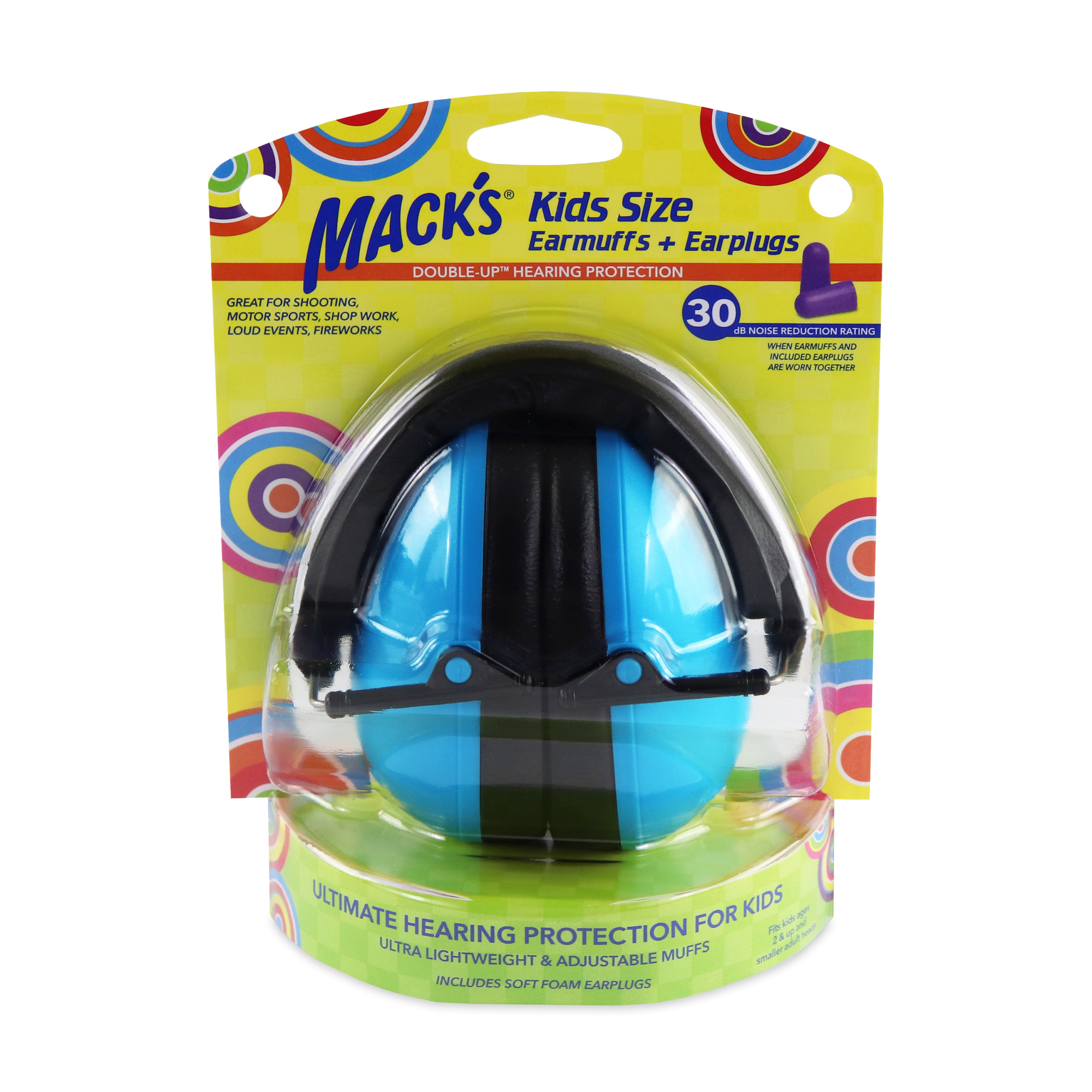
The best level depends on the noise, your child’s age, and fit. For most family events, aim for NRR 22–27 dB. For very loud places, use NRR 27–31 dB. If noise is extreme, add earplugs under earmuffs.
Here is a simple rule. Keep sound at the ear under about 80 dBA for kids. That keeps hearing safe and stress low. It also lets them hear you when they must.
Real-world results are lower than the label. To estimate, use this quick method that many pros use. Take the NRR, subtract 7, and divide by 2. Then subtract that from the room noise. Example: If the place is 100 dBA and the muff is NRR 27, the ear sound is about 90 dBA. That is still high. In that case, go to NRR 31, move farther from the source, or double up.
I often get asked What The Best Level Of Hearing Protection Earmuffs For Kids? at air shows and games. The right answer is the one that keeps ears safe and your child calm. That means good NRR and a tight, comfy seal.
Key picks at a glance:
- Everyday loud events like parades, school games, or malls: NRR 22–25 dB
- Fireworks, concerts, motorsports, air shows: NRR 27–31 dB
- Yard work near a parent using loud tools: NRR 27–31 dB or double up
- Infants and toddlers at family outings: NRR 20–25 dB with lightweight and soft pads
Parents search for What The Best Level Of Hearing Protection Earmuffs For Kids? because labels can confuse. Use the plan above, then check fit and comfort. A perfect seal beats a high NRR with a poor seal.
Understanding Noise, NRR, and SNR for Parents
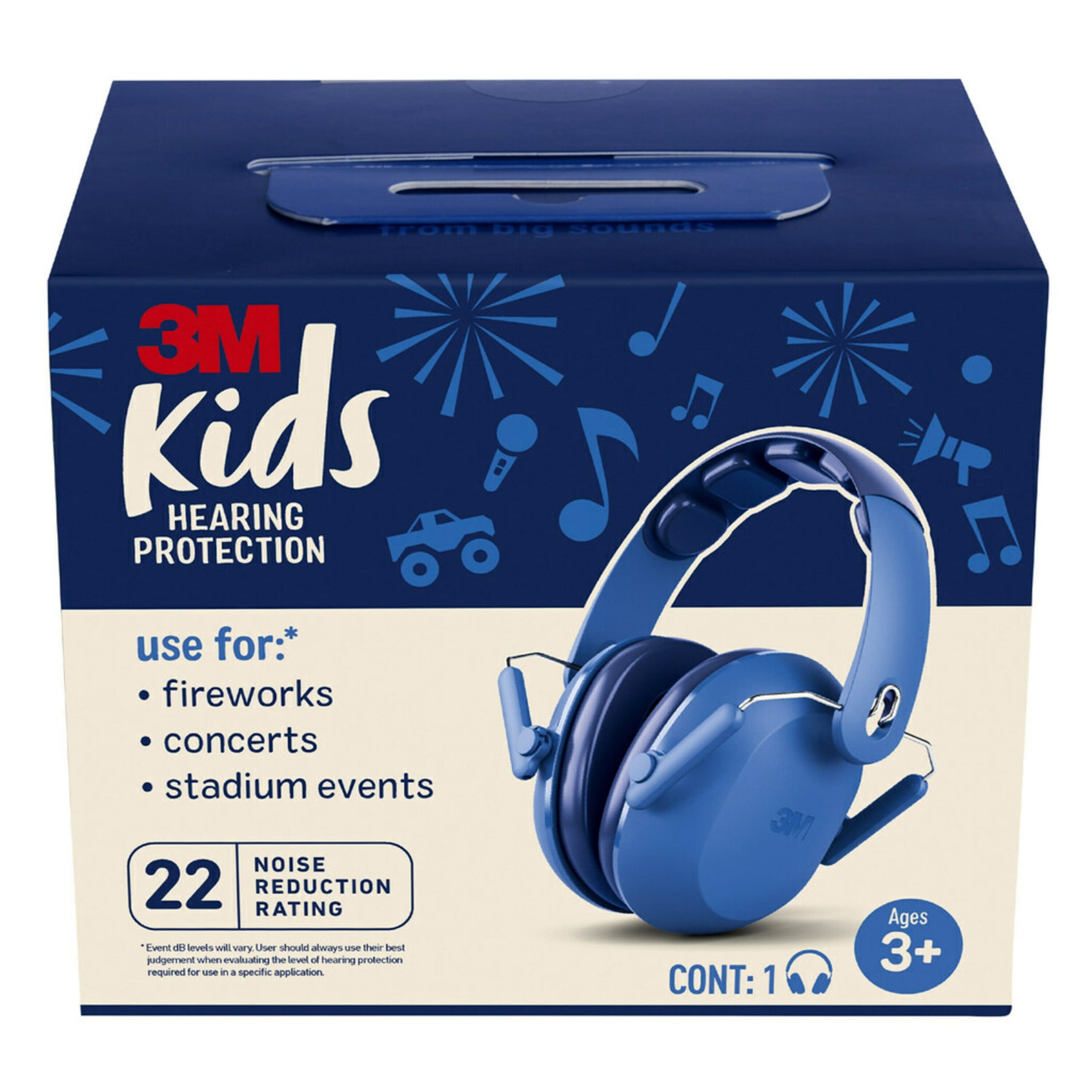
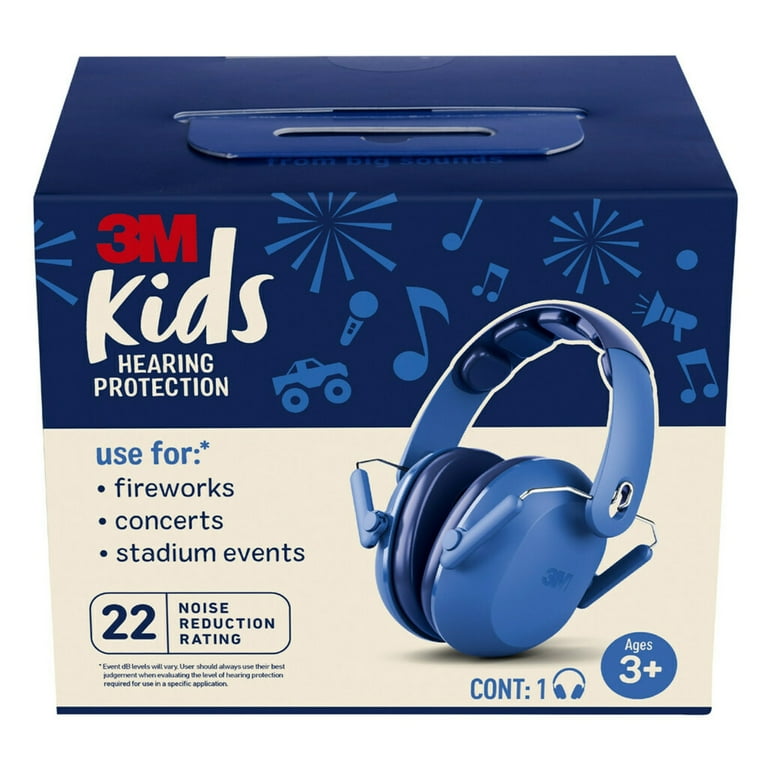
Noise Reduction Rating (NRR) is a lab number used in the US. It shows the max cut in noise under test rules (ANSI S3.19). In Europe, you may see SNR. It is a similar idea, but tested under EU rules (EN 352). For simple use, compare NRR to NRR, not NRR to SNR.
How loud is too loud? Many safety bodies set 85 dBA for 8 hours for adults. Kids have smaller ear canals and may be more at risk. Aim for lower levels, near 70–80 dBA at the ear when you can. Also, watch impulse noise like fireworks. Peak blasts can reach 140 dB. Keep your child far from the source and use high NRR muffs.
Noise grows fast. Every 3 dB up is twice the sound energy. That is why What The Best Level Of Hearing Protection Earmuffs For Kids? is not a one-size call. A small rise in noise needs more control, better fit, or both.
Source: walmart.com
Recommended NRR by Age and Activity
I hear the same question again and again: What The Best Level Of Hearing Protection Earmuffs For Kids? Below is a simple guide. Use it as a start, then adjust for your child.
By age:
- Babies and toddlers (0–3 years): NRR 20–25 dB, very soft pads, low clamp, lightweight
- Preschool and school-age (4–12 years): NRR 22–27 dB for most events; 27–31 dB for very loud spots
- Teens: NRR 25–31 dB based on use and music habits
By activity:
- Fireworks and air shows: NRR 27–31 dB; add earplugs if sitting close
- Concerts and live shows: NRR 27–31 dB; choose models that still allow speech if needed
- Motorsports and monster trucks: NRR 27–31 dB; sit higher and back from the track
- Stadium games and pep rallies: NRR 22–27 dB
- Parades, fairs, theme parks: NRR 22–25 dB
- School drills and assemblies: NRR 22–25 dB
- Yard work near a mower or blower: NRR 27–31 dB and more distance
For kids with sensory needs, comfort comes first. A soft, lower-clamp muff at NRR 25 that they keep on is better than a stiff NRR 31 they rip off. That is a key truth behind What is the best level of hearing protection earmuffs for kids?

Source: amazon.com
Fit, Comfort, and Safety Features to Look For
Fit is half the win. A small hair gap can cut real protection by a lot. Try different sizes. Make sure the cups sit around the ear, not on it. Adjust the band so it is snug but not painful.
Look for these features:
- Certified rating: NRR (ANSI S3.19) or SNR (EN 352)
- Soft, deep cushions that seal well on small heads
- Low weight and a flexible, padded headband
- Pivoting ear cups for better seal on small faces
- Replaceable cushions for hygiene
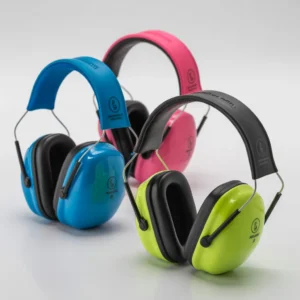
- Bright colors for easy spotting in a crowd
- Optional: electronic models that let speech pass while cutting peaks
One more nudge on What The Best Level Of Hearing Protection Earmuffs For Kids?: the “best” pair is the one they will wear. Let kids pick a color they love. It helps with buy-in.
Source: walmart.com
Real-World Tips, Mistakes to Avoid, and How I Test
I am a parent and a hearing safety trainer. I test muffs at fireworks, games, and shop days. At a monster truck show, my child lasted the whole main event with NRR 31 muffs. We sat high and back. I also packed small earplugs as backup.
Common mistakes to avoid:
- Loose fit due to hair, hats, or thick glasses frames
- The band is worn behind the head when it should be over the crown
- Letting kids chew cushions; replace if cracked or sticky
- Waiting until the show starts; fit and coach use at home first
How I test fast on site:
- Stand back from the speakers or track when you can
- Use a simple sound level app as a rough guide only
- If your child still flinches or covers ears, move farther or add plugs
- Check skin for red marks after 30 minutes; adjust the clamp or try a lighter model
These steps help answer What The Best Level Of Hearing Protection Earmuffs For Kids? for your real life, not just for the label.

Source: amazon.com
Care, Hygiene, and When to Replace
Clean cushions with a mild wipe after use. Let them air dry. Do not leave them in a hot car. Heat ruins foam and seals.
Replace cushions when they crack, harden, or feel sticky. Replace the muff if the band loses spring or the cups wobble. Label each pair with your child’s name. Keep a small case in your bag so they are there when you need them.
If you still ask What The Best Level Of Hearing Protection Earmuffs For Kids?, check your pair every few months. A clean, snug, well-kept muff will beat a dusty, loose one with a big number on the box.
Source: macksearplugs.com
Frequently Asked Questions of What The Best Level Of Hearing Protection Earmuffs For Kids?
Are higher NRR earmuffs always better for kids?
Not always. A very high clamp force can cause pain, and kids will not keep them on. Choose enough NRR for the noise, with a seal they can wear for the whole event.
Should kids use earplugs or earmuffs?
Earmuffs are easier for small ears and fit fast. Use earplugs under muffs only for very loud places or long events.
Can babies wear earmuffs to sleep at loud events?
Yes, if they fit well and the child can breathe and move. Keep checks often, use light models, and avoid long stints in hot weather.
How long can a child wear earmuffs?
Several hours is fine with breaks. Watch for skin marks, sweat, and fussing, and give short rests in a quiet spot.
How do I know if the fit is good?
You should feel a steady, even seal all around the ear. If you press on the cup and it gets much quieter, the seal was weak.
What if my child has glasses or long hair?
Slide hair behind the ear and seat the frames low on the pads. You may need softer, deeper cushions to keep a good seal.
Are electronic kids’ earmuffs safe and worth it?
They can be great for events with speech and sudden noise. Make sure they have a certified rating and set volume limits low.
Conclusion
You now have a clear path to pick the right NRR for your child. For most events, choose NRR 22–27 dB. For very loud spots, go to NRR 27–31 dB or double up, and always check the seal. That is the real answer to What The Best Level Of Hearing Protection Earmuffs For Kids?
Act on this today. Try a pair at home, teach your child how to wear them, and pack them for your next outing. Want more guides like this? Subscribe, share your questions in the comments, and help another parent protect young ears.