Answers to What Baby Products Are Covered By Insurance? See eligible items, claim steps, and smart ways to save. Most plans cover breast pumps and medical baby gear when medically necessary. If you have a new baby, it helps to know which costs your health plan can absorb.
In this guide, I break down what baby products are covered by insurance, what is not, and how to get approvals fast. I work with parents every week on claims for supplies, from breast pumps to cranial helmets.
Below, you will find clear rules, real examples, and a step-by-step path to save money while staying within policy. Read on to see exactly which baby products covered by insurance make sense for your family.
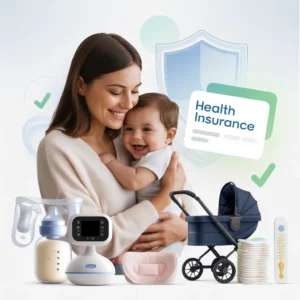
What insurers usually cover for babies
Health plans cover items that prevent illness or treat a diagnosed condition. Many fall under durable medical equipment, pharmacy benefits, or preventive care. Here are the most common baby products covered by insurance.
- Breast pumps and supplies. Under federal preventive care rules, most plans cover one breast pump per pregnancy. Coverage can include a manual or standard electric pump, tubing, flanges, and limited replacement parts. Hospital-grade rentals often need a medical-necessity letter.
- Lactation support. Visits with a lactation consultant are often covered with no copay when in network. Some plans include nipple shields and pump accessories.
- Prescription infant formula. Specialized formula may be covered with a diagnosis and prior authorization. Examples include hypoallergenic or elemental formulas for severe allergy, malabsorption, or metabolic disease.
- Nebulizers and respiratory supplies. Covered when prescribed for conditions like bronchiolitis or wheezing. Includes nebulizer device, mask, and sterile saline.
- Apnea monitors and pulse oximeters. Covered for infants with documented apnea, prematurity risk, or brief resolved unexplained events. Requires prescriptions and monitoring notes.
- Phototherapy (bili) blankets. Home phototherapy devices for neonatal jaundice are commonly covered when lab values meet criteria.
- Feeding pumps and tube-feeding supplies. Covered for babies who need NG or G-tube feeding. Includes pump, bags, and extension sets.
- Orthotics. Cranial remolding helmets are often covered for moderate-to-severe plagiocephaly after failed repositioning therapy. Braces and boots for clubfoot are usually covered, too.
- Hearing aids for infants. Many state laws and Medicaid cover hearing aids for children. Prior authorization may apply.
- Diabetes supplies. Glucose meters, strips, continuous glucose monitors, and insulin pumps are covered for infants and toddlers with diabetes.
Why this matters: these are high-cost baby products covered by insurance when the care team documents medical need. Work with your pediatrician and an in-network supplier to speed approvals.
Sometimes covered with a strong medical need
Some baby products covered by insurance only clear when the criteria are strict. Coverage varies by plan, diagnosis, and state law.
- Hospital-grade breast pump rentals. Often approved for NICU stays, low milk supply, premature infants, or multiples.
- Additional pump parts and milk storage bags. Some plans allow a set amount per month. Others do not cover at all.
- Prescribe prenatal vitamins for the birthing parent. Covered under the pharmacy benefit when written as a prescription.
- Cranial helmets for mild plagiocephaly. May be denied unless measurements show clear asymmetry and repositioning fails.
- Specialized car seats for medical transport. Rare, but may be covered for babies with casts or airway needs when a medical car seat is prescribed.
Tip from the trenches: submit photos, growth charts, therapy notes, and measurement reports. These details can turn a “no” into a “yes” on baby products covered by insurance.

Source: burgerbank.de
What is usually not covered, and what to use instead
Most health plans do not cover consumer comfort or everyday care items. If a product is for convenience, it is likely excluded. Common examples:
- Not covered. Diapers, wipes, ordinary bottles, standard formula, cribs, strollers, baby monitors, Owlet-type socks, humidifiers, and car seats.
- Often not covered. Nursing bras, covers, simple bottle sterilizers, diaper rash creams, baby spoons, and high chairs.
How to save anyway:
- Use HSA or FSA funds. Many items are eligible, like breast pump parts, thermometers, baby sunscreen, saline drops, and some over-the-counter meds with a prescription.
- Use community programs. WIC can help with breastfeeding support, pumps, and formula. Local health departments and hospitals run safe-sleep and car seat programs.
- Watch for manufacturer programs. Many offer coupons or replacement parts free of charge.
Knowing what is not included helps you focus on baby products covered by insurance and avoid surprise bills.

Source: aurabio.com
How to check and secure coverage step-by-step
Follow this path to get baby products covered by insurance with fewer delays.
- Read your plan documents. Check the Summary of Benefits, DME policy, pharmacy formulary, and preventive services list. Search for “breast pump,” “orthotics,” “formula,” and “nebulizer.”
- Call member services. Confirm benefits, codes, and if prior authorization is needed. Ask for in-network DME suppliers and preferred brands.
- Get a detailed prescription. Ask your pediatrician to include diagnosis, ICD-10 codes, start date, and length of need. For helmets or pumps, include measurements or NICU notes.
- Request prior authorization early. Submit medical notes, photos, and feeding logs. Keep files in one folder.
- Use an in-network supplier. Out-of-network orders can trigger denials or higher costs.
- Keep every receipt. If denied, you can appeal or use FSA/HSA funds. Ask for the denial letter in writing.
- Track timelines. Many plans require rental-to-purchase steps or renewals every 30 to 90 days.
This simple process makes it more likely to get key baby products covered by insurance on the first try.

Source: amazon.com
Real-world examples and lessons learned
From my case files and coaching work, a few patterns stand out.
- Hypoallergenic formula approval after appeal. A baby with severe milk protein allergy was denied at first. We submitted a growth chart, ER notes, and a letter from the pediatric gastroenterologist. The plan approved the elemental formula for six months.
- Cranial helmet approval with measurements. A mild case was denied. We returned with precise asymmetry numbers and proof of two months of repositioning. Approval granted for one helmet and follow-up visits.
- Hospital-grade pump rental for NICU twins. A standard pump was not enough. The neonatologist wrote a strong letter. The plan covered rental for three months.
What I learned: evidence wins. Keep a tidy packet and include data, not just requests. Doing this raises the odds that baby products covered by insurance will be approved fast.

Source: cstacademy.com
Coverage by plan type and ballpark costs
Plan rules differ. Here is how coverage often looks across common plan types and why it matters for baby products covered by insurance.
- Employer or Marketplace plans. Must cover breastfeeding support and a pump with no cost sharing when in network. The type of pump and number of accessories vary by plan.
- Medicaid. Broad coverage for kids under EPSDT standards, including hearing aids, orthotics, and many DME items. Formula coverage and pumps vary by state and may need prior authorization.
- TRICARE. Covers breast pumps and supplies, lactation consultations, and many DME items when medically necessary. Prior authorization rules apply.
- High-deductible plans with HSA. Preventive breastfeeding benefits are still no-cost in the network. Many other items fall under the deductible unless medically necessary.
- Typical costs without coverage. Electric breast pump: 150–400 dollars. Hospital-grade pump rental: 60–100 dollars per month. Cranial helmet: 1,500–4,000 dollars. Elemental formula: 300–1,000 dollars per month.
Knowing these ranges helps you weigh effort versus savings on baby products covered by insurance.
Quick answers to common searches
Here are fast answers to popular questions parents ask about baby products covered by insurance.
Will insurance pay for a car seat?
Usually no. Some hospitals and community programs provide free or low-cost seats, and auto insurance may replace a seat after a crash.
Are milk storage bags covered?
Sometimes. A few plans cover a set amount per month with a breast pump benefit, but many treat them as non-covered supplies.
Will my plan cover the Owlet or consumer baby monitors?
No. These are not medical-grade devices. Plans may cover prescribed apnea monitors when medically necessary.

Source: pumpsformom.com
Frequently Asked Questions: What Baby Products Are Covered By Insurance?
Do all plans cover a breast pump with no cost?
Most do, under federal preventive care rules, when you use in-network suppliers. The type of pump and timing vary by plan.
Can I get a hospital-grade pump covered?
Often, yes, with medical needs, such as NICU stays or supply issues. You will likely need a prescription and prior authorization.
Are diapers ever covered by insurance?
Not for healthy infants. Some plans cover incontinence supplies for older children with qualifying diagnoses.
Will insurance cover specialized infant formula?
It can, with a diagnosis and prior authorization. Coverage details differ by plan and state law.
Are cranial helmets for flat head syndrome covered?
Many plans cover them when measurements show moderate-to-severe asymmetry and repositioning fails. Detailed clinical notes improve approval odds.
Do health plans pay for hearing aids in babies?
Many Medicaid plans and several states require coverage for children. Private plan coverage varies and often needs pre-approval.
Are lactation consultant visits covered?
Yes, many plans cover lactation support with no copay when in network. Check visit limits and provider types in your plan.
Can I use HSA or FSA money for baby supplies?
Yes, for eligible medical items like pump parts, thermometers, and some OTC meds with a prescription. Keep itemized receipts.
Are baby thermometers and humidifiers covered?
Thermometers may be eligible under HSA/FSA, but are not usually covered by insurance. Humidifiers are usually excluded as comfort items.
Will insurance pay for a specialized car seat for a medical condition?
Rarely, but it can happen with a prescription and clear medical need. Check with your DME provider and plan.
Conclusion
You now have a clear map of which baby products are covered by insurance, what is excluded, and how to win approvals. Focus on medical need, use in-network suppliers, and submit strong notes. That is how families secure pumps, helmets, and formula coverage without stress.
Act now: review your plan, call member services, and ask your pediatrician for precise documentation. If you found this helpful, subscribe for more practical guides or leave a question below so I can help you next.