
Does waking up early make kids organized? Learn the science, pros and cons, and simple routines to boost focus, habits, and school success. Waking early can help routines, but sleep quality and age matter more. I help families build simple systems that stick.
In this guide, we will unpack Does Waking Up Early Make Kids Organized? with science, real-life stories, and step-by-step advice. You will see what actually drives organization in kids, when early rising helps, and when it backfires. Read on to build a morning plan that works in the real world.
What “organized” really means for kids
Organization in childhood is not just a neat backpack. It is a set of brain skills called executive functions. These skills include planning, working memory, task switching, and self-control.
In daily life, an organized child can start tasks on time, follow steps, and finish with less chaos. Routines support this, but sleep and brain growth drive it. This is why Does Waking Up Early Make Kids Organized? needs a careful look beyond alarm clocks.

The science: Sleep, chronotypes, and brain function
Kids need sleep for the prefrontal cortex to work well. That is the brain area tied to planning and impulse control. Sleep loss hurts attention, memory, and mood, which makes organization harder.
Chronotypes matter too. Some kids are natural early birds. Others are night owls. For teens, biology shifts sleep later, so very early wake times can cause sleep debt. Studies in pediatrics and sleep science show that later school start times improve mood, attendance, and grades.
The core insight for Does Waking Up Early Make Kids Organized? is this: enough sleep plus a steady rhythm beats early for its own sake.

Does waking up early make kids organized? The nuanced answer
Does Waking Up Early Make Kids Organized? Sometimes, but not by magic. Early wake times help if they create calm routines and still protect total sleep. They help less, or even harm, when they cut sleep or fight the child’s chronotype.
Think of early wake-up as a tool. When paired with a solid bedtime, simple steps, and a low-stress start, it can boost on-time starts and task flow. When forced and underslept, it leads to slow thinking, short tempers, and messy mornings. So, Does Waking Up Early Make Kids Organized? It can, if sleep duration and routine quality come first.

Benefits parents often see with earlier wake-ups
When sleep needs are met, a slightly earlier start can create room to breathe. This space can turn chaos into order.
Common gains include:
- Buffer time reduces rushing and last-minute stress.
- Habit stacking: Attaches small tasks to a stable cue, like breakfast.
- Calm focus gives time for checklists and backpack checks.
- Predictable handoffs make it easier to switch from home to school mode.
These help answer Does Waking Up Early Make Kids Organized? with a cautious yes, under the right setup.

Limits, risks, and common mistakes
Early does not equal better if sleep drops. Sleep loss shows up as slow work, big emotions, and weak memory. That is the opposite of organized.
Watch for these pitfalls:
- Cutting bedtime to wake earlier leads to sleep debt by midweek.
- Ignoring age, teens often need later sleep phases than young kids.
- Overloading mornings and long to-do lists kill the calm you want.
- Fighting chronotype: Forcing a night-leaning child into a dawn routine invites daily conflict.
These limits explain why Does Waking Up Early Make Kids Organized? can fail without a sleep-first plan.

A balanced plan: Test morning routines without losing sleep
Here is a simple way to try earlier mornings while keeping sleep safe.
- Set sleep first, protect age-appropriate hours. For most school-age kids, aim for 9–12 hours. For teens, 8–10 hours.
- Shift in small steps. Move bedtime and wake time by 10–15 minutes every 2–3 days.
- Create one anchor habit. Start with one thing: dress, breakfast, or backpack check. Nail it for two weeks.
- Use light and movement. Open blinds on waking. A quick stretch or walk reduces sleep inertia.
- Prep the night before: Pack the bag, lay out clothes, and set water bottles. Morning then feels light.
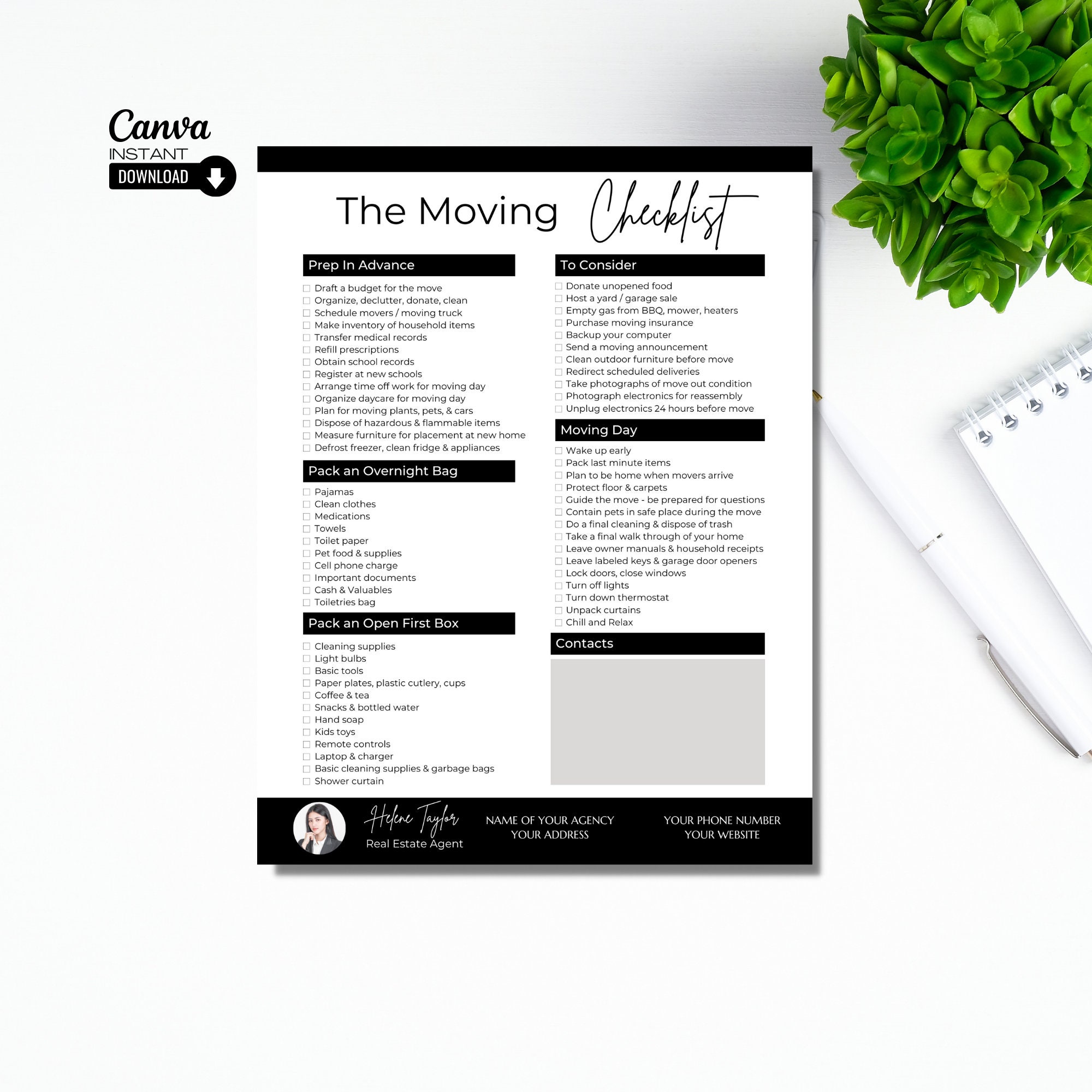
- Keep checklists visual. One short list beats nagging. Let the child check boxes.
- Review weekly. Ask what felt hard and what felt easy. Adjust one thing at a time.
Follow this, and Does Waking Up Early Make Kids Organized? becomes Yes when matched to the child and backed by sleep.
Real-life examples and lessons learned
From my coaching work, one fifth-grade student could never find homework. We moved two tasks to the night before and set a wake-up 15 minutes earlier with a single morning job: put the folder into the backpack. Sleep stayed at 10 hours. Within two weeks, no missing papers.
A teen client tried a 5:30 a.m. study plan. Grades fell, and moods swung. We shifted to a 7:00 a.m. rise, cut evening screen time, and set a nightly “pack-and-park” routine. Energy rose, and work got done faster. These stories show how Does Waking Up Early Make Kids Organized? only when sleep and simple systems lead.

Quick answers to common early-rising questions
Is waking up early good for kids?
It can be good when total sleep is protected and mornings stay simple. It is not good if it causes sleep debt or constant stress.
How much earlier is helpful?
Ten to thirty minutes is often enough. More time adds little unless it supports calm steps that matter.
What if my child is a night owl?
Honor the chronotype when you can. Keep routines steady, shift slowly, and move more tasks to the evening.
Frequently Asked Questions: Does Waking Up Early Make Kids Organized?
Does Waking Up Early Make Kids Organized? for all ages?
Not for all ages. Younger kids may benefit from gentle, earlier starts, but teens often need later sleep times.
How does sleep quality affect Does Waking Up Early Make Kids Organized??
Poor sleep cancels any gains from extra time. Deep, regular sleep is the basis for focus and planning.
Can a consistent schedule beat early waking for organization?
Yes. A steady wake time and simple routines beat very early alarms. Consistency is the real lever.
What role do parents play in Does Waking Up Early Make Kids Organized??
Parents set the sleep window and design simple steps. They also model calm mornings and reduce clutter.
Are checklists helpful in Does Waking Up Early Make Kids Organized??
Yes. Short visual lists help kids act without nagging. They turn vague tasks into clear steps.
Does Waking Up Early Make Kids Organized? If bedtime is late?
No. Early rising on a late bedtime leads to sleep loss and poor executive function.
How long before we see results from earlier mornings?
Two to four weeks is common. Small, steady changes tend to last.
What if school start times are very early?
Focus on earlier, calmer evenings and strong sleep hygiene. Keep mornings simple and protect weekend recovery without big swings.
Conclusion
Early wake-ups can be a lever, not a cure. Put sleep first, build one or two clear steps, and adjust to your child’s body clock. When you do, the morning can shift from rush to rhythm.
Try a two-week test: move bedtime by 15 minutes, add one anchor habit, and track how your child feels and performs. Want more guides like this? Subscribe, share your results in the comments, or request a custom morning plan for your family.