
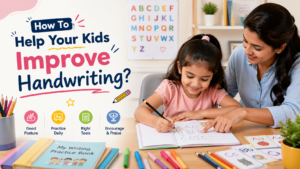
How To Help Your Kids Improve Handwriting? Discover easy handwriting improvement tips for kids, fun writing activities, pencil grip techniques, letter formation practice, and expert parent strategies to build neat, confident handwriting skills fast. Start small with posture, grip, and daily practice; use clear models and praise progress.
Parents often ask How to Help Your Kids Improve Handwriting? Because neat, fast writing boosts school success and confidence. I have helped many families fix messy letters with simple steps that work at home.
In this guide, I explain How To Help Your Kids Improve Handwriting with clear plans, tools, and small wins you can start today. You will learn what to check, what to buy, and how to coach with less stress.
What Good Handwriting Looks Like and Why It Matters
Good handwriting is easy to read, steady in size, and spaced well. It uses the right letter forms and sits on the line. It is also fast enough for class notes and tests. When kids write well, they think less about letters and more about ideas.
Strong handwriting links to spelling, memory, and writing fluency. Research in education and occupational therapy shows that early, short, focused handwriting practice improves later writing skills.
Kids feel proud when they can share work that others can read. They also keep up better in class. This is why parents search for How to Help Your Kids Improve Handwriting? as a key step for school success.

Source: youtube.com
Understand Your Child’s Starting Point
Before you teach, watch your child write a few lines. Note grip, posture, letter size, and spacing. Check how they form a, g, s, b, p, q, and k. Look for reversals like b and d. Notice pencil pressure. Light marks mean weak grip or poor control. Dark dents may mean too much force.
Use a simple rubric. Rate legibility, size, spacing, line use, and speed. One quick screen can guide your plan. This step makes How To Help Your Kids Improve Handwriting? clear and focused, not random.
Source: ot-mom-learning-activities.com
Build the Foundation: Posture, Grip, and Core Strength
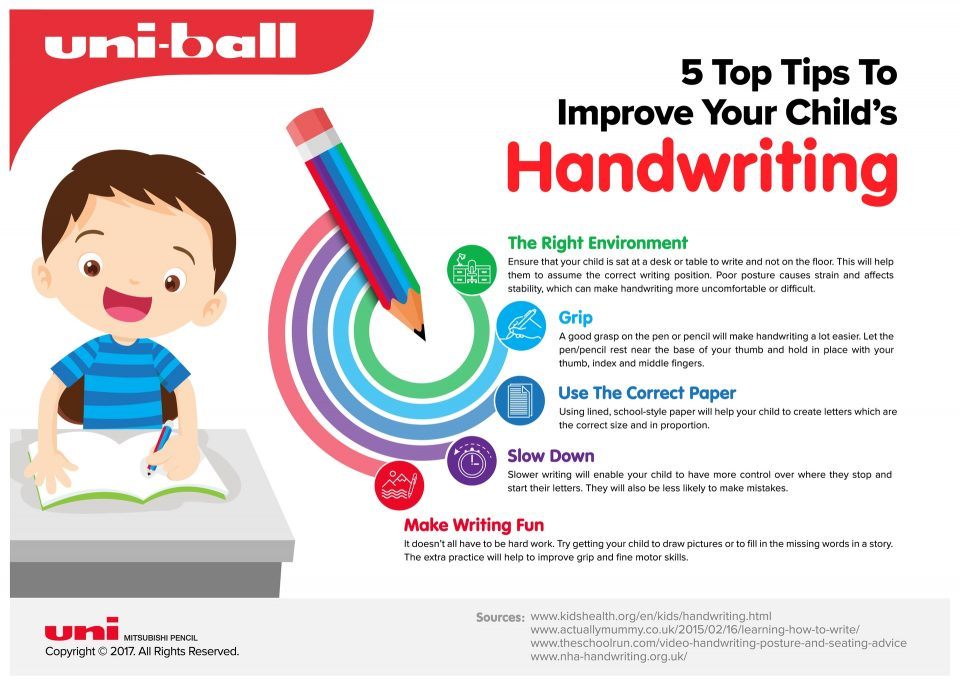
Posture sets the stage. Aim for 90-90-90. Feet flat, knees bent, hips at the edge of the chair. The desk should meet the bent elbows. Shoulders stay relaxed. A slanted surface helps wrist control.
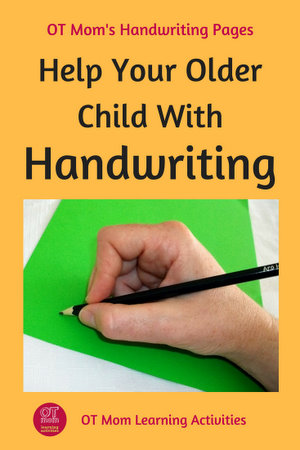
Teach a dynamic tripod grip. Thumb and index pinch the pencil. Middle finger supports below. Keep the grip near the tip, about an inch up. Use a short pencil or a golf pencil for small hands. Try triangular grips if needed. For strength, add play. Use tweezers to pick beads. Squeeze a stress ball. Roll putty into snakes. These build fine motor power.
In my work with first graders, one child’s letters were shaky and faint. We fixed the chair height, used a slant board, and switched to a short pencil. After two weeks, his lines were smooth and dark enough to read. This is the kind of win that makes How To Help Your Kids Improve Handwriting? feel doable.
Source: elearninginfographics.com
Choose the Right Tools and Paper
Small tools fit small hands. Use short pencils, soft leads, and erasable pens for older kids. Mechanical pencils can help with steady pressure, but only if the grip is right. Broad markers help in early practice.
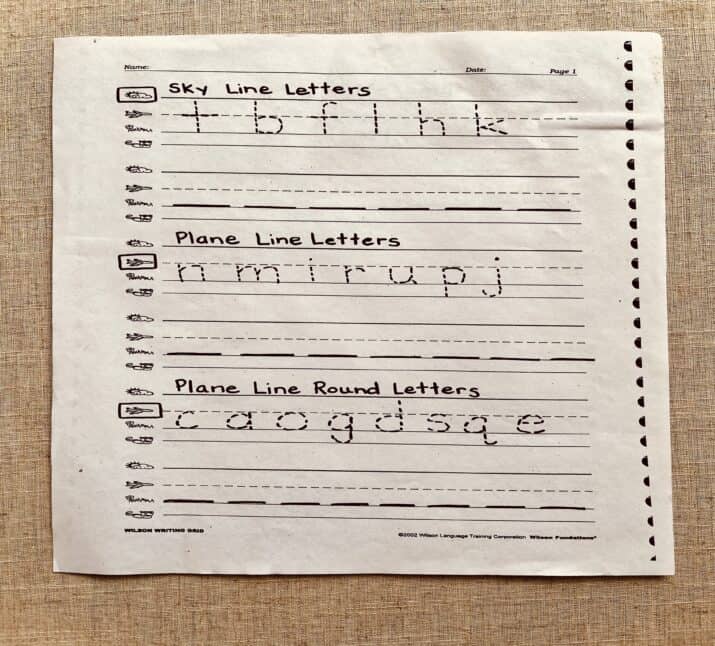
Pick lined paper with clear baselines and midlines. Use high-contrast lines and small box or margin cues. Try raised-line paper to give tactile feedback. For left-handed kids, tilt the paper right and keep the wrist straight. Keep the pencil tip below the writing line so they can see what they write.
Make a simple writing kit. Include two pencils, an eraser, a sharpener, lined paper, and a slant board or binder. A set kit turns into How To Help Your Kids Improve Handwriting? into a daily habit, not a hunt for supplies.
Source: imaginationsoup.net
Teach Letter Formation the Smart Way
Teach letters by stroke groups, not by the ABC order. Start with easy shapes like c, o, a, d, g, q. Then add l, t, i, u, y, j. Next, b, h, k, r, n, m, p. Save s, e, f, z for later. Use the same language each time. For example, start at the top, pull down, then curve.
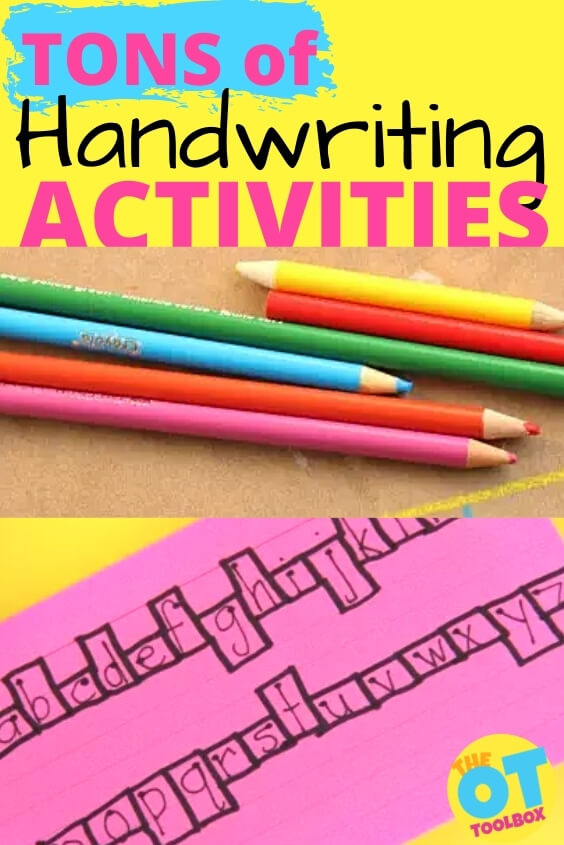
Use multi-sensory cues. Sky writes big letters with its arm. Trace in sand, salt trays, or shaving cream. Say the strokes out loud as you write. This locks in the motor plan. For early writers, model first, then fade help.
One parent I coached filmed a 10-second clip for each letter. Her child watched, copied, and checked a simple chart. This is a simple twist that makes How to Help Your Kids Improve Handwriting? stick.
Practice Plans That Work: Routines, Games, and Tracking
Short, daily practice beats long, rare sessions. Aim for 5 to 10 minutes on school days. Use a warm-up, like finger push-ups, then practice 1 to 2 target letters or words. End with a fun copy line from a favorite book.
Try these ideas:
- Three good ones: Write a letter 5 times. Circle the best 3. Say why they are best.
- Letter of the day: Put the target letter on the fridge. Hunt for it in books and signs.
- Dice drill: Roll a die to pick a word length or number of lines.
- Copy and connect: Copy one short, rich sentence. Focus on spacing and line use.
Track progress on a one-page chart. Mark a smiley for neatness, spacing, and speed. A visible chart turns into How To Help Your Kids Improve Handwriting? into a game you both can win.

Source: youtube.com
Motivation, Mindset, and Positive Feedback
Kids improve when they feel safe to try. Praise effort, not talent. Say, I like how you started on the top line. Name one specific fix per page. Do not flood them with notes. Use one goal per week.
Set small rewards that build skill. Let your child pick the pen color on Friday if they meet the goal. Read their neat sentence at dinner. Joy fuels practice. This social boost is a core part of How To Help Your Kids Improve Handwriting? in real homes.
Source: theottoolbox.com
Troubleshooting Common Handwriting Problems
Many kids share the same roadblocks. Here are ways to fix them fast.
Messy spacing
- Teach finger space. Place a finger between words during copy work.
- Use dot or box cues for word gaps.
- Practice with graph paper for even spacing.
Floating or sinking letters
- Use raised-line paper for tactile feedback.
- Color the baseline lightly. Say, keep your letters on the road.
Letter reversals (b/d, p/q)
- Pair letters with cues. b is bat then ball. d is donut then drumstick.
- Trace with eyes closed after a good model to lock the motor plan.
- Keep practice short, repeat often. Reversals fade with time and practice.
Heavy or light pressure
- For heavy press: use soft leads and smooth paper. Try a pencil grip. Teach light, like writing on tissue without tearing.
- For light press: try a softer pencil and a vertical surface like a whiteboard to build control.
Slow writing speed
- Automate letter groups first. Then use time trials for known words.
- Teach shortcuts for note-taking, like keywords and bullets.
Each fix shows a clear path for How to Help Your Kids Improve Handwriting? without stress.

Source: youtube.com
When to Seek Extra Help
If writing causes pain, tears, or very slow work despite steady practice, seek help. A pediatric occupational therapist can assess motor skills, grip, and visual-motor integration. A school evaluation can give support or a 504 plan if needed. Look for signs like strong ideas but very poor output, very low endurance, or avoidance of all writing.
Professional input can speed up progress. It can also rule out issues like dysgraphia or visual tracking problems. Knowing when to ask for help is a smart part of How to Help Your Kids Improve Handwriting?.
Tech and Modern Supports
Digital tools can help, but they do not replace core skills. Use apps for letter formation, timed copy drills, and spacing practice. Try a stylus on a tablet to bridge to paper. Use speech-to-text for big writing tasks, while you still train letters daily.
Teach typing alongside handwriting after grade two or three. Balanced skills serve kids well. Tech can support How To Help Your Kids Improve Handwriting? by giving feedback and variety, not by skipping the basics.
Frequently Asked Questions on How To Help Your Kids Improve Handwriting?
How long does it take to see progress?
Most kids show gains in 2 to 4 weeks with daily 5 to 10-minute practice. Bigger changes in neatness and speed may take 2 to 3 months.
At what age should handwriting practice start?
Pre-writing starts in preschool with lines and shapes. Formal letter work fits well in kindergarten and grade one, with play-based steps.
Should I fix cursive or print first?
Build clear print first for speed and legibility. Add cursive later if the school expects it or if it helps your child’s flow.
My child is left-handed. What should I change?
Tilt the paper to the right, keep the wrist straight, and hold the pencil lower. Use quick-dry pens and teach to push across the page, not hook.
How many letters should we practice at once?
Focus on 1 to 2 letters or one skill like spacing. Keep it short and end with success to build confidence.
What if my child gets upset during practice?
Pause, reset posture, and switch to a fun, easy task. Praise one specific thing done well, then end on a win and try again later.
Conclusion
You can learn How To Help Your Kids Improve Handwriting with simple tools, short practice, and clear goals. Start with posture and grip. Teach letters by stroke groups. Use daily routines and kind feedback. Track small wins and adjust as you go. If needed, bring in an expert to speed the fix.
Pick one step today. Set up a writing kit and choose one letter to practice. If this guide is on How To Help Your Kids Improve Handwriting? helped, subscribe for more tips, share it with a friend, or leave a question so I can help you next.