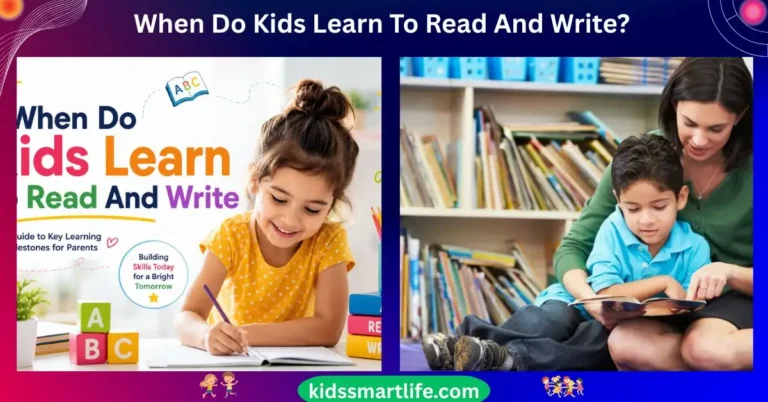
Which Bubble Products Are Safe For Kids? See expert-tested, non-toxic options, age guidelines, and quick buying tips to keep playtime fun and worry-free. Look for ASTM-tested, non-toxic, dye-free, tear-free bubble solutions made for kids.
Parents often ask Which Bubble Products Are Safe For Kids? I have tested dozens of bubble toys and solutions in classrooms and at home, and I study toy safety rules. In this guide, I explain how to choose safer options, read labels, avoid risky ingredients, and handle spills with confidence.
What Makes a Bubble Product “Safe” For Kids?
If you wonder Which Bubble Products Are Safe For Kids, start with clear safety basics. A safe bubble product should reduce eye sting, avoid harsh chemicals, meet toy standards, and have age-appropriate packaging.
Key safety markers to check:
- Labeled non-toxic under recognized toy safety standards.
- Tested to ASTM F963 in the US and EN 71 in the EU.
- CPSIA compliant for heavy metals and phthalates.
- Tear-free or low-irritant surfactants to reduce eye sting.
- Child-resistant cap or no-spill design for toddlers.
- Full manufacturer contact details and batch or lot number.
- Clear first-aid and age grading on the label.
From a risk view, bubbles are mostly about irritation, not poisoning. Most solutions use mild surfactants in water with small amounts of preservative. The main risks are eye sting, slips from spills, and rare skin reactions. Choose products that address these.
Ingredients To Seek And Ingredients To Avoid
Which Bubble Products Are Safe For Kids? The answer often comes down to ingredients. Read the label when possible and favor low-irritant formulas.
Safer to seek:
- Water is the first ingredient.
- Mild surfactants common in baby care, such as amphoteric or nonionic types.
- Glycerin or plant-derived polymers that stabilize bubbles without harshness.
- Fragrance-free or very low-fragrance options.
- Food-grade color or, better, dye-free.
Better to avoid or limit:
- Harsh anionic surfactants at high levels can sting eyes.
- Strong fragrances and essential oils can irritate lungs or skin.
- Isothiazolinone preservatives (MI, MCI, BIT) if your child has eczema or contact allergies.
- Formaldehyde-releasing preservatives like DMDM hydantoin and imidazolidinyl urea.
- Heavy dyes that stain skin and fabric.
- Glitter or microplastics that raise environmental and eye irritation risks.
Tip from field tests: Tear-free baby shampoo-based blends tend to sting less when splashes happen. They are not sting-proof, but they are milder.
How To Read Labels And Verify Standards
If you ask Which Bubble Products Are Safe For Kids?, check for standards on the label before you buy. These markings show the maker followed strict tests.
What to look for:
- ASTM F963 on US toys and liquids meant for children.
- CPSIA compliance notes for lead, phthalates, and tracking labels.
- EN 71 Parts 1–3 on many imported or global products.
- Age grading, such as 3+, and warnings like “Not for under 3 due to small parts.”
- Company name, address, website, and a batch or lot number for recalls.
A short label with no company contact or no test marks is a red flag. Reputable makers also provide safety data on request.
Safe Bubble Product Types By Age
Which Bubble Products Are Safe For Kids? It also depends on age and how your child plays.
For babies under 12 months:
- Hand-blown bubbles by an adult. No self-use.
- Keep the bottle out of reach to prevent sipping.
- Wipe faces often to avoid eye rubs.
For toddlers 1–3 years:
- No-spill or tip-proof bottles reduce mess and slips.
- Large wands with soft edges. Avoid tiny detachable parts.
- Short play sessions outdoors to limit floor slicks.
For preschoolers 3–5 years:
- Standard wands with thicker handles for grip.
- Low-sting formulas labeled for kids.
- Simple bubble machines with guarded fans.
For ages 6+:
- Refill jugs with clear instructions.
- Specialty wands and machines with adult setup.
- Teach rules: blow away from faces and rinse hands after play.
What I’ve Learned Testing Bubble Products
In my trials, families ask Which Bubble Products Are Safe For Kids? far more in summer. I run spill, foam, and eye-splash checks in real rooms and yards.
Three helpful lessons:
- No-spill bottles cut falls by a lot during toddler playdays.
- Tear-free blends reduce tears after accidental splashes, though rinsing is still needed.
- Transparent makers that share full ingredients get fewer allergy complaints from parents.
Anecdote: In a preschool, we switched to a dye-free, tear-free refill. Skin rashes dropped to zero that month, and teachers spent less time mopping.
Red Flags To Spot Online And In-Store
Which Bubble Products Are Safe For Kids? Not the ones with these warning signs.
Watch out for:
- No ASTM or toy-safety mention and no age grade.
- Vague “eco” or “organic” claims with no proof or standard named.
- Strong chemical or perfume smell that lingers on the hands.
- Reviews that mention eye burns, rashes, or stained clothes.
- No batch code, no company address, or only a marketplace seller handle.
- Loose glitter or confetti pieces in the liquid.
If you cannot confirm who made it, do not buy it for kids.
DIY Bubble Solutions: Safe When Done Right
People often ask Which Bubble Products Are Safe For Kids? and if homemade is safer. DIY can be safe if you pick mild inputs and label your bottle.
Simple, gentler DIY recipe I use:
- 1 cup distilled or filtered water.
- 1 tablespoon tear-free baby shampoo.
- 1 teaspoon vegetable glycerin or 1 teaspoon white sugar.
Steps:
- Stir gently to avoid foam.
- Let it sit 1–2 hours for better bubbles.
- Store in a clean, labeled squeeze bottle.
Safety notes:
- Skip dyes and strong scents to avoid stains and coughs.
- Do not use concentrated detergent pods.
- Patch test on a small skin area if your child has eczema.
Storage, Use, And First-Aid Basics
Which Bubble Products Are Safe For Kids? Even safer ones need smart use.
Storage and use:
- Keep lids tight. Store out of sunlight and heat.
- Wipe spills right away to prevent slips.
- Teach kids to blow away from their faces and not to sip the liquid.
- Have clean water and towels ready.
First aid I follow and teach:
- Eyes: Rinse with clean, lukewarm water for 10–15 minutes. Remove contacts. If redness or pain stays, seek care.
- Skin: Wash with water. Apply a bland moisturizer if dry.
- Ingestion: For a small sip, give water and watch for upset. For more than a sip, or if coughing, vomiting, or sleepiness starts, contact a medical professional or a poison helpline.
Keep the bottle for the label info if you need help.
Eco And Allergy Considerations
Which Bubble Products Are Safe For Kids? The greener, low-allergen ones are best for many families.
Better choices:
- Biodegradable surfactants that break down fast in water.
- Fragrance-free and dye-free for sensitive skin.
- No glitter or microbeads.
- Clear disclosure of allergens, such as coconut-derived betaine, if used.
Practical tip: If your child has contact allergies, pick formulas without isothiazolinone preservatives and strong scents. Rinse hands after play.
Quick Answers To Common Searches
Which Bubble Products Are Safe For Kids? Here are short, search-style answers.
- Are tear-free bubble liquids really gentle? They are milder on the eyes, yet rinsing is still needed after splashes.
- Are bath bubbles the same as outdoor bubble solution? No. Bath bubbles are for skin contact and rinsing. Outdoor solutions are made for big bubbles and may sting more.
- Is fragrance-free always best? Often, yes, for sensitive kids. It cuts the risk of rashes and coughs.
Recommended Categories And A Shopping Checklist
To decide Which Bubble Products Are Safe For Kids, use a simple checklist before you add to the cart.
What to buy:
- Bubble solutions that state ASTM F963 and CPSIA compliance.
- Dye-free, fragrance-free, or low-fragrance formulas.
- Tear-free or baby-care–inspired blends for toddlers and preschoolers.
- No-spill bottles for ages 1–3 and guarded-fan machines for group play.
- Refill jugs from brands that list ingredients and a batch code.
Smart shopping steps:
- Read recent parent reviews that mention eye comfort and skin reactions.
- Check the return policy in case your child reacts.
- Keep a photo of the label and lot code for future reference.
With this approach, you can answer Which Bubble Products Are Safe For Kids? at a glance, even in a busy aisle.
Frequently Asked Questions: Which Bubble Products Are Safe For Kids?
Are bubble solutions toxic if swallowed?
Most kids’ bubble liquids are low in toxicity. A small sip usually causes mild stomach upset; give water and monitor. Seek help if symptoms persist or a large amount was swallowed.
Do all bubbles sting eyes the same?
No. Formulas with milder surfactants and “tear-free” claims tend to sting less. You should still rinse eyes right away after any splash.
Can babies play with bubbles safely?
Yes, with close adult control. Let an adult blow bubbles and keep the bottle out of reach to prevent sipping or eye rubbing.
Are DIY bubbles safer than store-bought?
They can be as safe if you use mild, known ingredients like tear-free baby shampoo and glycerin. Label and store them like any household liquid.
Do scented bubbles cause allergies?
Fragrance can trigger irritation or rashes in sensitive kids. Fragrance-free or very lightly scented options reduce that risk.
What should I do if a bubble spill makes the floor slippery?
Blot, then clean the area with warm water and a bit of vinegar or mild cleaner. Dry the surface and keep kids off until it is no longer slick.
How long does bubble liquid last after opening?
Most last several months if sealed and stored cool. Discard if you see mold, odor changes, or separation that does not mix back in.
Conclusion
You can choose safer bubble fun by focusing on standards, gentle ingredients, and smart use. Check for ASTM F963 and CPSIA, pick dye-free and low-fragrance blends, and match the product to your child’s age. Keep first-aid basics in mind, and use no-spill designs to prevent slips.
Try one safer product this week and note how your child responds. If this guide helped you answer Which Bubble Products Are Safe For Kids?, share it with a friend, subscribe for more parent-tested picks, or leave a question so I can help you compare options.