
Get clear, parent-approved answers to What Are 10 Benefits Of Play In Child Development? See how play boosts social, cognitive, and emotional growth and tips. Play fuels brain growth, language, motor skills, creativity, problem-solving, resilience, empathy, focus, self-regulation, and health.
From preschool classrooms to living rooms, I’ve watched play transform children. This guide explains the benefits of play in child development with clear examples and research-backed insight.
You will learn how play shapes the brain, boosts learning, and strengthens social and emotional skills. If you want a practical, evidence-based view of the benefits of play in child development, you are in the right place.

Source: indoorplaygroundportorange.com
Why Play Is the Engine of Development
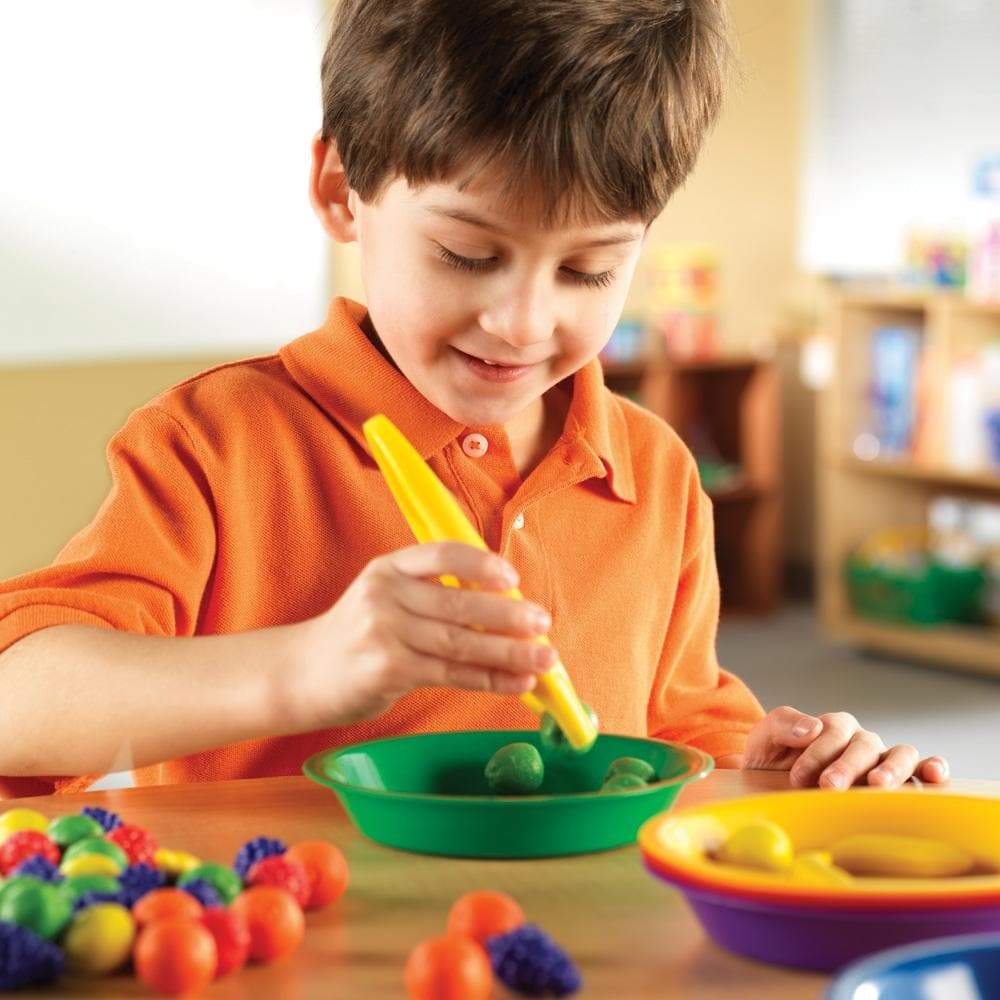
Play is how children explore, practice, and master life skills. It is active, joyful, and led by curiosity. In play, the brain builds and prunes neural connections that support attention, memory, and decision-making. Research links play with better language, self-control, and mental health across childhood.
I’ve seen this in classrooms and home visits. When children get daily time for open-ended play, they settle faster, listen better, and solve problems with less help. These are core benefits of play in child development, and they last.
Source: safariltd.com
The 10 Benefits Of Play In Child Development
Below are the ten most important benefits of play in child development, with simple ideas you can use today.
1) Stronger brain architecture and executive function
Play challenges working memory, flexibility, and self-control. Building a fort, changing rules in a game, or planning pretend scenes all train the brain. Over time, these skills support learning and behavior at school.
Practical examples:
- Create obstacle courses that change each round.
- Offer puzzles with rising levels of challenge.
- Let kids plan, then reflect on what worked.
2) Language and communication growth
Play is a language workout. Children name objects, act out roles, and negotiate rules. Storytelling in pretend play builds vocabulary and narrative skills.
Try this:
- Add dress-up props and simple puppets.
- Pause and let kids lead talk-time.
- Use new, rich words during play.
3) Social skills and cooperation
Group play teaches turn-taking, sharing, and problem-solving. Children learn to see others’ views and practice empathy.
What helps:
- Board games with simple rules.
- Team building tasks, such as building a tower together.
- Rotate roles so each child leads at times.
4) Emotional regulation and resilience
In play, feelings are safe to test. Children try big emotions in small doses. They practice calming down after excitement or frustration.
Use these ideas:
- Provide clay, sand, or water play for soothing input.
- Model deep breaths when play gets heated.
- Name feelings: “You look excited and a bit stuck. What could help?”
5) Physical health and motor skills
Active play builds strength, balance, and coordination. Fine-motor play with blocks, beads, or art tools refines hand skills needed for writing.
Simple actions:
- Daily outdoor time with climbing or chasing.
- Offer balls, jump ropes, and ride-on toys.
- Keep a basket of crayons, scissors, and tape.

6) Creativity and divergent thinking
Open-ended play pushes imagination. There is no single right answer. Children invent, combine ideas, and take risks in thought.
Support with:
- Loose parts like boxes, fabric, and sticks.
- Art and music corners that invite making.
- “What else could it be?” prompts.
7) Confidence, agency, and motivation
When kids choose, try, and adjust, they feel capable. Play rewards effort, not just outcomes. That builds grit and a growth mindset.
Do this:
- Offer choices within boundaries.
- Celebrate strategies, not only wins.
- Ask, “How did you figure that out?”
8) Problem-solving and critical thinking
Play is a constant trial and error. Children form hypotheses, test, and revise. This mirrors the scientific process.
Make it real:
- Provide magnets, ramps, and scales.
- Ask guiding questions: “What changed?” “What stayed the same?”
- Keep challenges just one step harder than easy.
9) Academic readiness and focus
Play links to early math, literacy, and attention. Sorting, counting, and patterning appear in block play. Pretend play grows story sense and phonological awareness.
Boost it:
- Label shelves for easy clean-up and print exposure.
- Add menus, tickets, and maps to pretend zones.
- Count out loud during setup and clean-up.
10) Stress relief and mental well-being
Play lowers stress and supports joy. Movement and laughter release tension and protect mental health.
Try:
- Daily “play breaks” during homework or class.
- Family game night routines.
- Gentle rough-and-tumble with clear rules.
Together, these gains show the broad benefits of play in child development. The more time and space we give play, the stronger these skills become.
Source: lattooland.com
Types Of Play That Deliver These Benefits
Different types of play feed different skills. A balanced play diet works best.
- Free play: Child-led and open-ended. Drives creativity and agency.
- Guided play: Adult sets a goal, child explores paths. Supports learning while keeping joy.
- Pretend play: Roles and stories. Grows language, empathy, and self-control.
- Constructive play: Blocks, cardboard, and making. Builds spatial skills and persistence.
- Physical play: Running, climbing, and dancing. Boosts motor skills and health.
- Rule-based games: Board games and sports. Teach turn-taking, planning, and fairness.
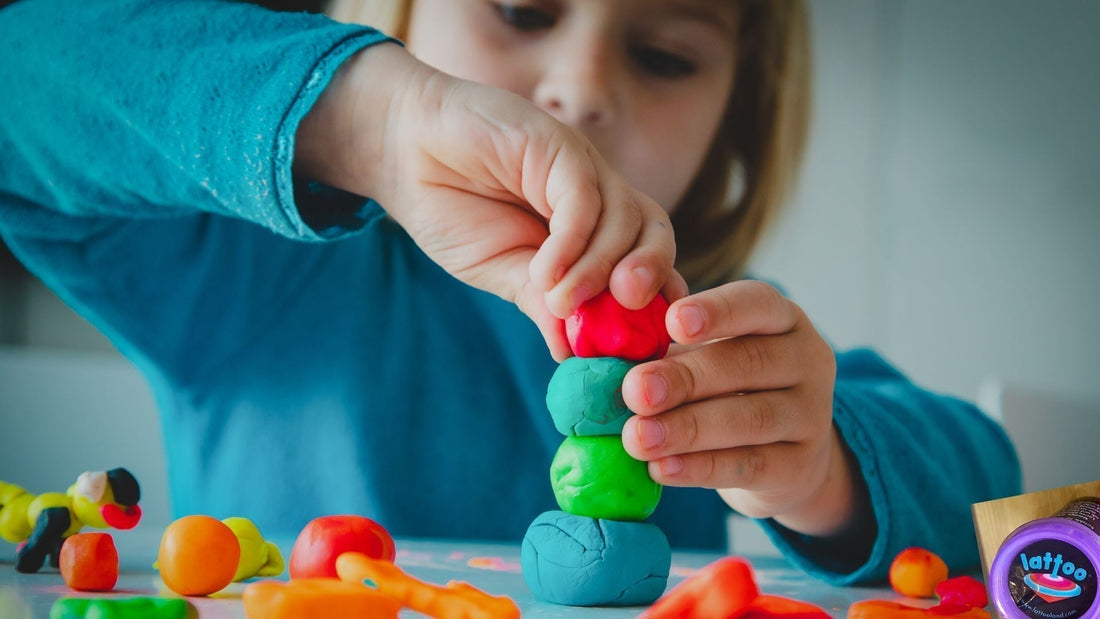
- Sensory play: Sand, water, playdough. Calms the body and sharpens focus.
- Outdoor and nature play: Risk assessment and curiosity. Adds rich sensory input.
Mix these across the week. This mix deepens the benefits of play in child development and keeps children engaged.
Source: iglusoftplay.com
How To Support Play At Home And School
You do not need fancy toys. You need time, space, and trust.
- Protect daily unstructured time. Even 30–60 minutes matters.
- Keep materials simple. Boxes, tape, blocks, fabric, crayons, and nature finds work wonders.
- Set up “yes” spaces. Clear edges, safe tools, and room to spread out.
- Join, then step back. Follow the child’s lead. Ask questions more than you give answers.
- Balance screens. Short, mindful use. More hands-on, social play.
- Use play to teach. Turn chores and lessons into games.
By keeping play central, families and schools multiply the benefits of play in child development. In my work, the biggest gains came when adults shifted from directing to partnering.
Common mistakes to avoid:
- Over-scheduling with back-to-back activities.
- Fixing problems too fast.
- Replacing free play with only worksheets or apps.

Source: myconciergepediatrics.com
Quick Answers About Play
Short, research-aligned answers to common questions help you act with confidence. These bite-sized notes reinforce the benefits of play in child development without adding fluff.
How much play time do kids need daily?
Aim for at least one hour of active, unstructured play, plus smaller play breaks. More is better when balanced with rest and routines.
Does screen-based play count?
Some digital games help, but hands-on, social play delivers broader gains. Keep screens a small slice of the play diet.
What if my child prefers solo play?
Solo play is normal and valuable. Gently invite cooperative games at times, but respect their need for space.

Source: acrosports.org
Safety, Inclusion, And Limitations
Safe play is still real play. Offer clear rules, soft landings, and age-appropriate tools. Teach children to scan for risks and make choices, not to avoid challenge.
Inclusion matters. Adapt materials for different abilities. Use visuals, simplify rules, and allow extra processing time. Many neurodivergent children thrive with sensory play, predictable routines, and choices.
About evidence: Most studies show strong links between play and positive outcomes, yet methods differ. Causation can be complex. Still, across many settings, the benefits of play in child development are consistent and practical.

Source: globaleducationtherapy.com
Frequently Asked Questions: What are 10 Benefits Of Play In Child Development?
At what age is play most important?
Play matters from birth through the teen years. The form changes, but the brain and body keep learning through playful exploration.
Can structured activities replace free play?
No. Lessons and sports help, but child-led play builds agency and creativity. Keep a healthy mix to capture the full benefits of play in child development.
How does play support language growth?
Play creates real reasons to talk, listen, and tell stories. Repeated back-and-forth talk during play deepens vocabulary and grammar.
Is rough-and-tumble play okay?
Yes, when it is friendly, consensual, and has stop rules. It helps with self-control, reading cues, and bonding.
What toys are best for development?
Open-ended items like blocks, art supplies, dolls, and outdoor gear get used in many ways. These support flexible thinking and problem-solving.
How can teachers add more play without losing learning time?
Use guided play for literacy and math centers. Add movement breaks and choice-based projects to keep attention high.
Conclusion
Play is not a bonus. It is the bloodstream of childhood learning and well-being. Protecting time and space for play supercharges language, focus, resilience, and health.
Choose one idea today: add a 15-minute free-play block, set out open-ended materials, or turn a routine into a game. Small shifts unlock big benefits of play in child development. Want more tips?
Subscribe, share your wins, or ask a question in the comments.