Why Social And Emotional Learning Matters For Kids? See benefits, tips, and 2026 strategies, and help your child thrive with empathy, resilience, and focus. SEL helps kids manage emotions, build relationships, and do better in school and life.
Parents, teachers, and caregivers often ask why social and emotional learning is important for kids. I’ve spent years helping schools and families use SEL in daily life, and I’ve seen calm classrooms, kinder kids, and higher grades follow.
In this guide, I explain what SEL is, how it works, and why social and emotional learning is important for kids across ages, cultures, and learning needs. You’ll find research-backed insights, real stories, and clear steps you can use today.
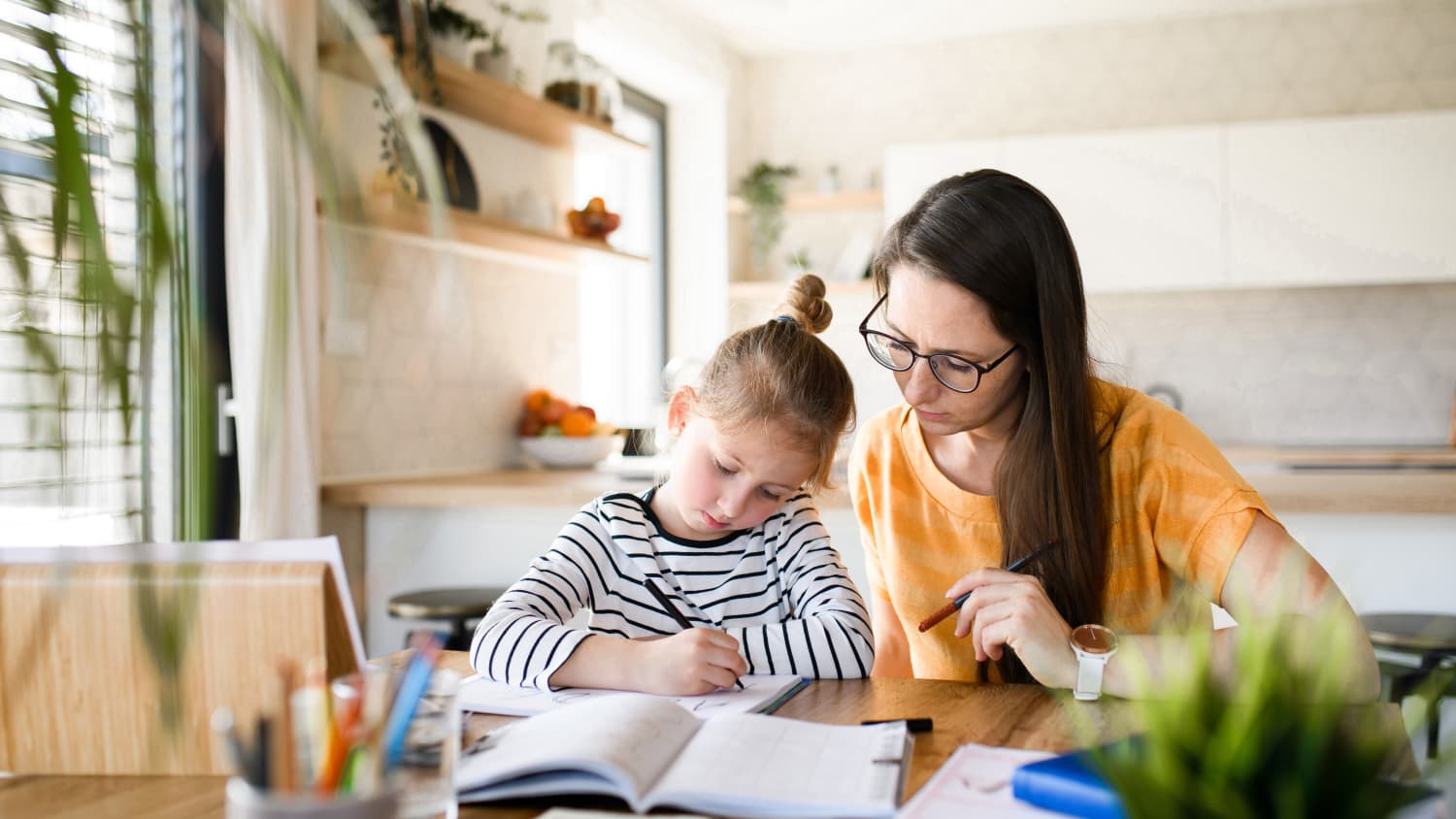
Source: yalemedicine.org
What Is Social and Emotional Learning (SEL)?
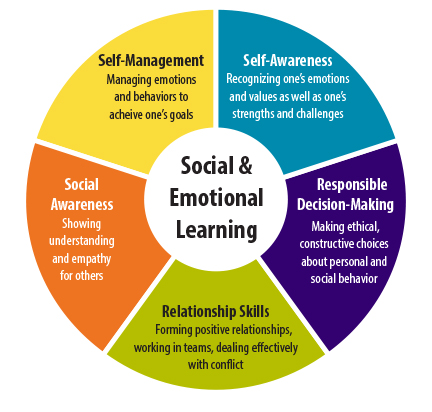
Social and emotional learning is how children learn to understand and manage emotions, set goals, feel empathy, build relationships, and make good decisions. Strong SEL gives kids language for feelings and tools for handling stress, conflict, and change. It blends with academics, behavior, and mental health.
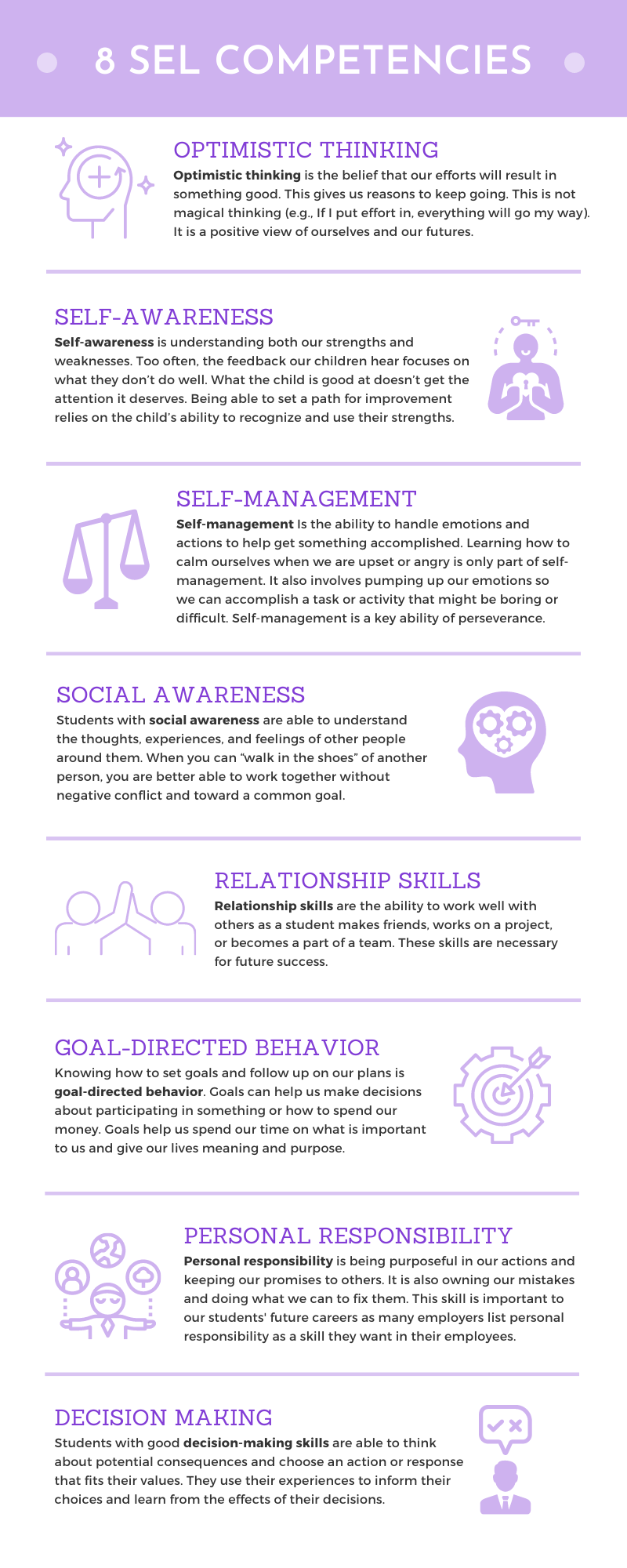
Leading frameworks describe five core skills:
- Self-awareness: Naming feelings and knowing strengths and limits.
- Self-management: Managing stress, impulses, and goals.
- Social awareness: Showing empathy and respect for others.
- Relationship skills: Communicating, listening, and resolving conflicts.
- Responsible decision-making: Making safe, ethical, and kind choices.
If you wonder why social and emotional learning is important for kids, start here: these skills support learning in every subject, in every grade, and in every home.

Source: thepathway2success.com
The Science Behind SEL and Proven Benefits
Brain science shows emotions drive attention, memory, and motivation. When kids can calm the body and name feelings, the thinking parts of the brain work better. That means more focus, better choices, and deeper learning.
Across large studies, schools with quality SEL report:
- Better grades and test scores, with gains that last.
- Fewer behavior issues, suspensions, and absences.
- Lower stress, anxiety, and depression symptoms.
- Stronger relationships between students and adults.
- Long-term benefits like higher graduation and better well-being.
This is the core answer to why social and emotional learning is important for kids. It improves both short-term learning and long-term life outcomes. When families and schools align, the impact is stronger. That is another reason why social and emotional learning is important for kids across all settings.
Source: exciteway.com
Core Skills and What They Look Like at Different Ages
Kids show SEL growth in different ways as they mature. Here is what to expect and how to support it.
Early Childhood
- Use feeling words like happy, sad, mad, or scared.
- Learn to share, wait, and take turns with help.
- Calm down with breathing or a quiet corner.
Elementary School
- Set simple goals and track progress.
- Talk through conflicts and try empathy.
- Use routines to build focus and responsibility.
Middle School
- Manage peer pressure and social media stress.
- Practice perspective-taking and respectful debate.
- Try journaling to process complex emotions.
High School
- Plan long-term goals and break them into steps.
- Make values-based choices under stress.
- Lead teams, mentor younger students, and serve the community.
When adults understand these stages, they see why social and emotional learning is important for kids at every level, not just early years.

Source: thesocialemotionalteacher.com
Real-World Stories: What I’ve Seen Work
In one third-grade class I coached, mornings began with a one-minute feelings check and a simple breath. Within six weeks, the teacher logged fewer disruptions, and reading scores climbed. A shy student started raising her hand after learning a two-step self-talk routine: name the feeling, choose a tool.
At home, one parent I supported used a family meeting every Sunday. Each person shared a win, a worry, and a wish. Sibling fights dropped. Chores improved. That family saw firsthand why social and emotional learning is important for kids when it becomes a habit.
Lessons learned:
- Model first. Kids copy what we do more than what we say.
- Keep tools simple. Two to three strategies beat a long list.
- Practice during calm times. Skills fail if learned only in a crisis.
- Celebrate small wins. Progress builds trust and momentum.
Source: podarsmarterschools.com
How to Teach SEL at Home and in School
Small, steady actions make the biggest difference. Try these steps.
For families:
- Name feelings out loud. Use simple charts or books to help.
- Build calm routines. Add two minutes for breathing before homework.
- Hold weekly family meetings. Share wins and solve one problem together.
- Use “when–then” plans. When angry, breathe and count to five.
- Praise effort, not only results. This builds resilience and grit.
For teachers:
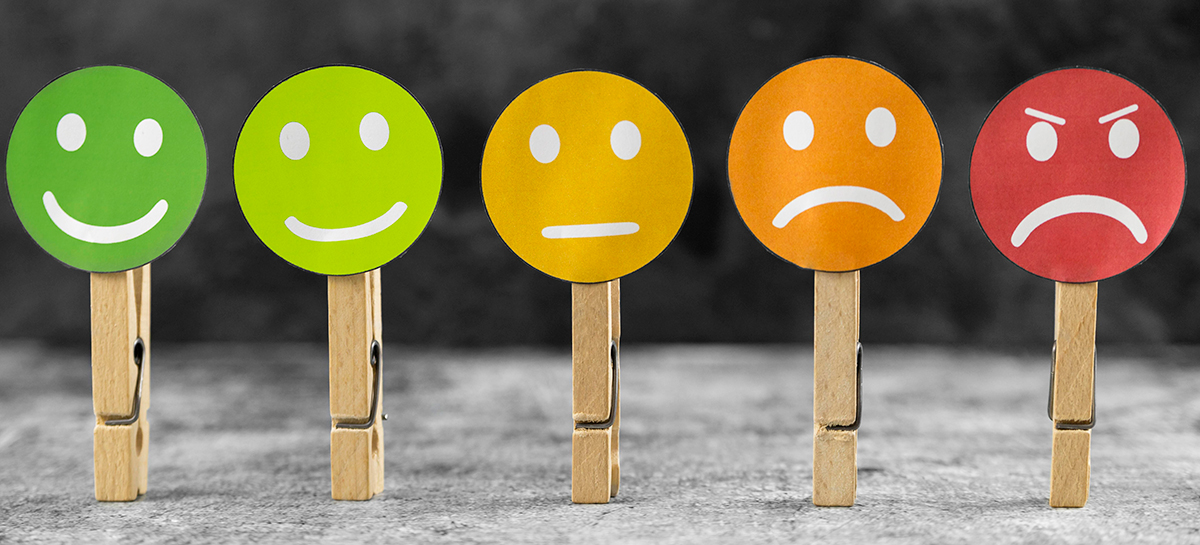
- Start with a morning check-in. Use colors, emojis, or sentence stems.
- Teach one strategy at a time. For example, box breathing or a pause button.
- Use think-alouds. Show how you handle frustration in a math problem.
- Practice conflict scripts. “I feel…, when…, I need…” gives kids a voice.
- Add reflection. Exit tickets can ask, “What helped you focus today?”
- Create calm corners. Offer timers, visuals, and fidgets with clear rules.
Tools that work across settings:
- Visuals like feelings charts and goal trackers.
- Role-play to rehearse sticky moments.
- Journals or voice notes for reflection.
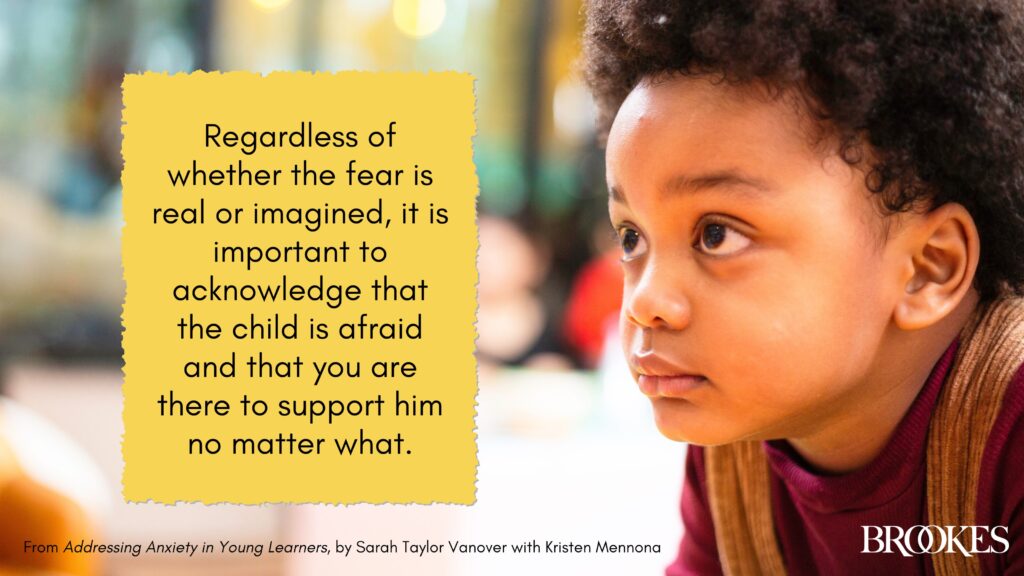
If you still ask why social and emotional learning is important for kids, try one routine for two weeks and track changes. Many families and teachers report better focus and kinder talk faster. That repeatable success is why social and emotional learning is important for kids and adults alike.
Source: brookespublishing.com
Addressing Challenges and Misconceptions
Common misconceptions can derail progress. Here are clear replies you can use.
- “SEL takes time away from academics.” A few minutes of SEL often saves much more time by preventing disruptions and boosting focus. Academic gains tend to follow.
- “SEL is only for young kids.” Teen challenges are social and emotional at the core. That is why social and emotional learning is important for kids in middle and high school, too.
- “We tried a program, and it didn’t stick.” SEL works best when it becomes a daily routine, not a one-off lesson. Train adults, practice often, and align home and school.
- “It’s not culturally relevant.” SEL must reflect students’ language, identity, and community values. Invite family voice and adapt examples.
Barriers to watch:
- Inconsistent adult modeling.
- Overloading staff with too many tools.
- Ignoring student voice.
Solve these by starting small, choosing two or three practices, and checking in with students weekly.
Source: destinationimagination.org
Measuring SEL Growth and Staying Accountable
You can measure SEL without turning it into a test. Use light, frequent checks.
- Observations and short checklists during class routines.
- Student self-ratings with simple scales or reflections.
- Portfolios showing goals, strategies tried, and outcomes.
- School data such as attendance, referrals, and grades.
Set clear goals:
- Define one behavior change you expect, such as fewer outbursts.
- Pick one practice to support it daily.
- Review data every two weeks and adjust.
Be transparent about limits. Self-reports can be biased. Context matters. Protect privacy and avoid labels. Still, steady tracking helps teams see patterns and prove why social and emotional learning is important for kids over time.

Source: kidsfirstservices.com
Long-Term Impact and Future Skills
Workplaces value teamwork, empathy, focus, and problem-solving. These are SEL skills. Kids who learn them early adapt faster to change, tech shifts, and stress. They also manage money better, make safer choices, and volunteer more.
This future-ready edge is another reason why social and emotional learning is important for kids. It helps them handle exams now and life later. In a fast digital world, calm minds and kind hearts win.

Source: thepathway2success.com
People Also Ask
Does SEL improve test scores?
Yes. When kids can manage stress and focus, learning time rises. Studies link quality SEL to better academic results.
Is SEL the same as mental health support?
They are related but not the same. SEL is a universal skill set for all kids, while mental health care offers targeted support for specific needs.
How fast will I see results?
Small gains can appear in two to four weeks. Bigger culture shifts take a semester or more with consistent practice.
Frequently Asked Questions: Why Social And Emotional Learning Is Important For Kids?
What is the simplest way to start SEL at home?
Pick one daily ritual, like a one-minute feelings check at dinner. Keep it consistent and judgment-free.
How can teachers add SEL without losing time?
Use micro-moments, like a two-minute breathing break before tests. Integrate reflection questions into exit tickets.
What if a child refuses to talk about feelings?
Offer choices, not pressure. Use art, movement, or stories to help them express themselves without forcing a talk.
Can SEL help with bullying?
Yes. SEL builds empathy, assertive communication, and bystander skills. These reduce bullying and improve school climate.
How do we include families in SEL?
Share simple tools, short videos, and translated resources. Invite family voice in goal-setting and celebrate small wins together.
Is SEL evidence-based?
Yes. Multiple long-term studies show gains in academics, behavior, and well-being. Results are strongest with consistent practice and adult modeling.
Conclusion
Kids learn best when they feel safe, seen, and capable. That is why social and emotional learning is important for kids in every classroom and every home. Start small, choose one routine, and track what changes. You will likely see calmer days, stronger focus, and kinder talk.
Try one strategy this week. Share your results, ask a question, or subscribe for more practical guides and tools. Your next SEL win can start today.