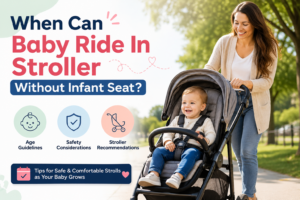
When Can Baby Ride In Stroller Without Infant Seat? Learn safe ages, readiness signs, and tips to transition from an infant seat with confidence. Most babies can ride without an infant seat at 6–9 months when they sit well. Parents want a clear, safe answer to When Can Baby Ride in Stroller Without Infant Seat?
The truth is simple, but the details matter. I’ll walk you through age, milestones, stroller types, and safety must-dos. You’ll get a step-by-step plan, real-life tips, and expert-backed guidance to make the switch with confidence.
When Can Baby Ride In Stroller Without Infant Seat? Age and readiness
Most babies can ride in the regular stroller seat between 6 and 9 months. The exact timing depends on head and neck control and the ability to sit on their own. If you ask, When Can Baby Ride In Stroller Without Infant Seat?, think milestones first and age second.
Look for these baseline signs before you switch:
- Your baby sits with steady head and neck control.
- Your baby can sit unsupported for at least 60 seconds.
- Your stroller seat reclines and has a 5-point harness that fits snug.
If your stroller offers a full-flat recline or a bassinet approved for your model, you can use that from birth. But the question, When Can Baby Ride In Stroller Without Infant Seat?, is about using the upright seat. Wait until your baby is developmentally ready.

Source: babyqur.com
Developmental readiness checklist
Use this checklist to decide if today is the day:
- Head and neck control. No wobble when turning or looking around.
- Trunk strength. Sits without slumping for short periods.
- Core endurance. Stays upright through a short stroll without collapsing.
- Startle tolerance. Handles bumps and turns without flopping sideways.
- Harness fit. Shoulder straps at or near shoulder height; chest clip at armpit level.
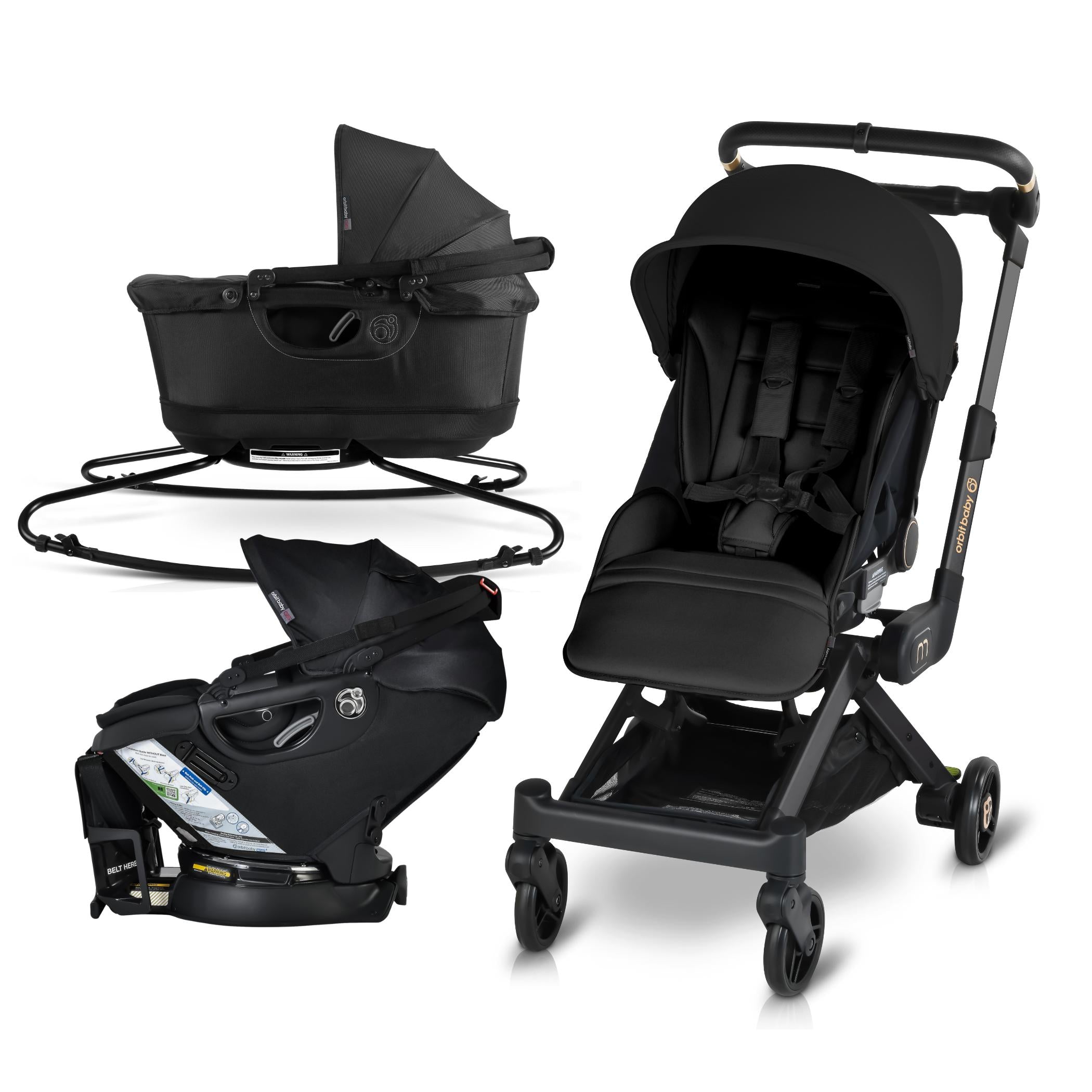
If you answer no to any item, keep the infant seat or use a fully reclined stroller seat. When Can Baby Ride In Stroller Without Infant Seat? When this full checklist is a clear yes.
Source: orbitbaby.com
Stroller types and what changes after the infant seat
Not all stroller seats are equal. Know your frame and seat limits.
- Full-size strollers. Often have deep recline, better side support, and adjustable footrests.
- Travel systems. Seamless with the infant seat; the regular seat may be more upright.
- Lightweight/umbrella strollers. Many require 6 months minimum; some need 9–12 months.
- Jogging strollers. Most advise 6–8 months for the seat, 9–12 months for actual jogging.
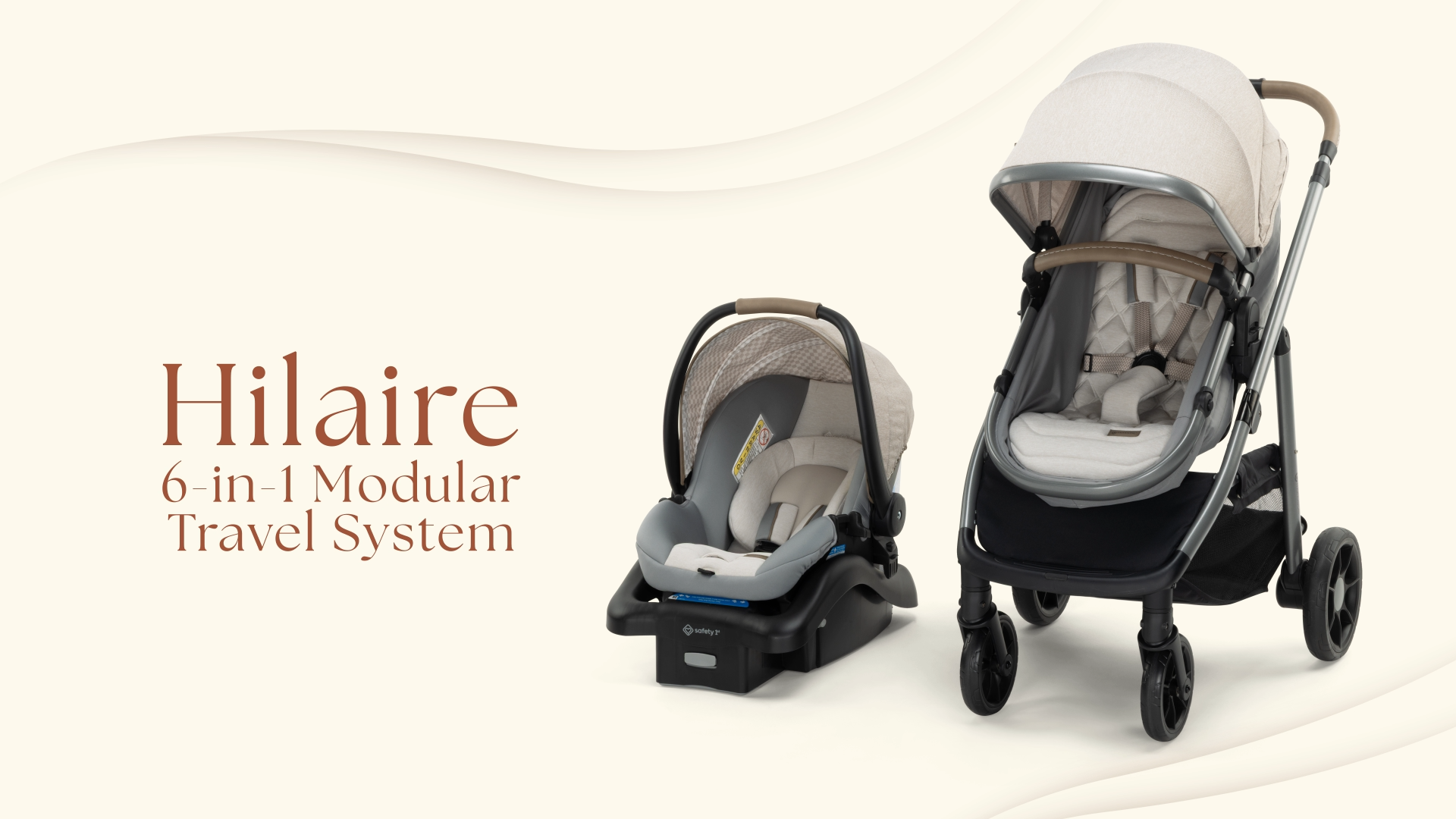
Always read the manual for recline and age guidance. When Can Baby Ride In Stroller Without Infant Seat? When your specific seat says it is safe and your baby meets the milestones.
Source: safety1st.com
Safety standards and setup basics
Your goal is a stable base and secure posture.
- Use the 5-point harness every time. Snug like a hug, not a squeeze.
- Recline slightly at first. Avoid a harsh 90-degree seatback for new sitters.
- Lock the stroller before loading. Keep hands clear of hinges.
- Avoid aftermarket inserts not approved for your stroller. They can shift posture.
- Keep the center of gravity low. Heavy diaper bags belong in the basket, not on the handlebar.
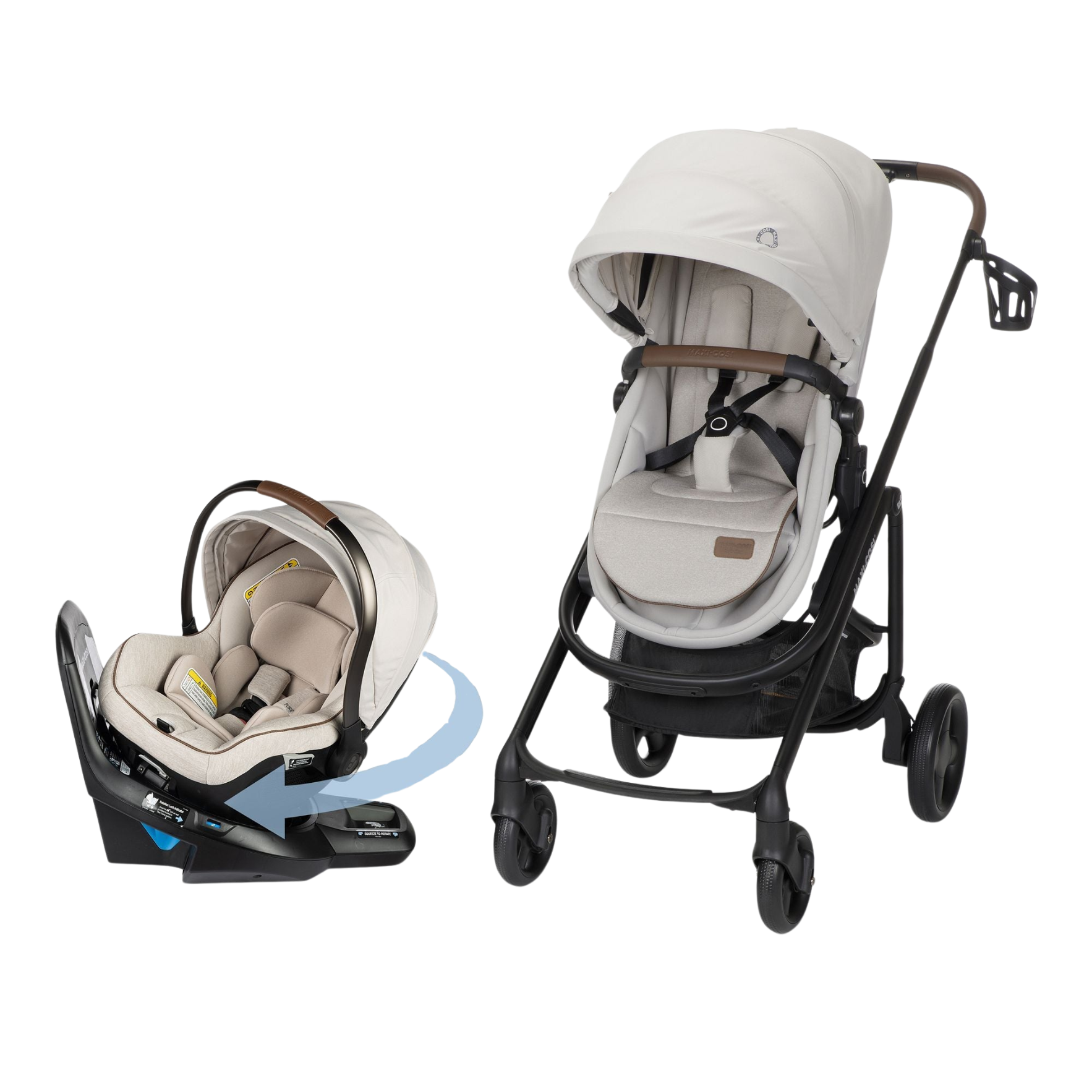
Pediatric guidance supports waiting until a baby sits well before upright rides. This aligns with the core of When Can Baby Ride In Stroller Without Infant Seat? Follow your stroller’s manual and your baby’s cues.
Source: maxicosi.com
Step-by-step transition plan
A slow shift makes the ride smooth.
- Week 1: Use the regular seat indoors for 5–10 minutes. Slight recline. Watch posture.
- Week 2: Take short walks. Stay on smooth paths. Increase to 20–30 minutes.
- Week 3: Try normal recline. Add light turns and mild bumps. Keep sessions short if baby tires.
- Week 4: Use the seat for daily outings. Adjust harness as clothes change.
When Can Baby Ride In Stroller Without Infant Seat? Once this plan feels easy and your baby stays upright and happy.

Source: safety1st.com
Common mistakes to avoid
These slip-ups are easy to miss:
- Switching too soon. Sitting with a hand for support is not independent sitting.
- Skipping the recline. New sitters need a small recline for trunk support.
- Loose harness. A loose strap lets the baby slump.
- Using non-approved inserts. They can compress or tip the airway.
- Hanging bags on the handlebar. This can tip the stroller backward.
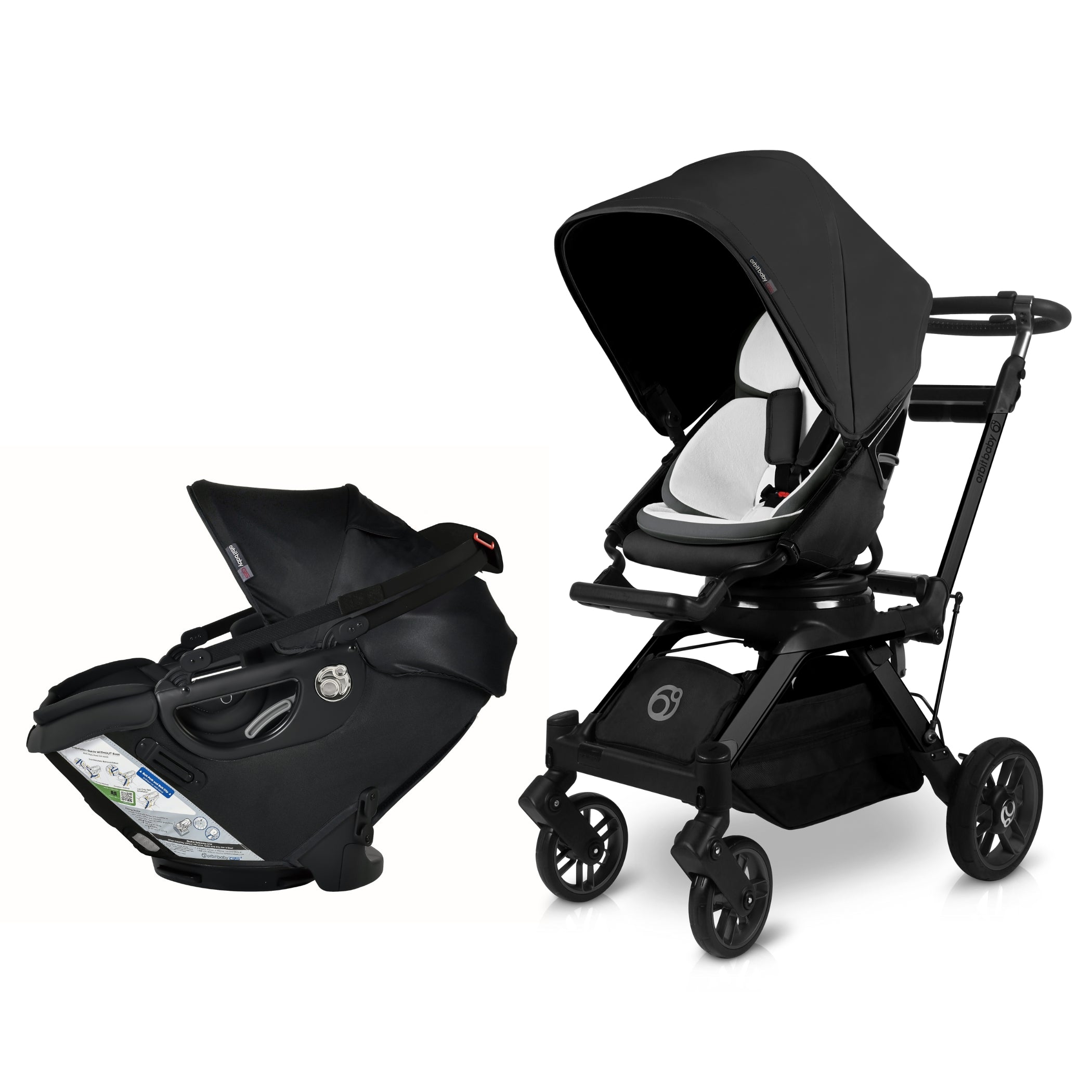
Avoid these, and you answer When Can Baby Ride In Stroller Without Infant Seat? the safe way.
Source: orbitbaby.com
Real-world tips from a parent educator
Here is what helped in daily life:
- Start after a nap and feeding. A rested baby handles new seats well.
- Use a rolled muslin at the sides of the torso if the stroller allows it and the manual permits soft positioning within the harness path. Do not place anything behind the back or under the straps.
- Bring a carrier as backup. If your baby tires, switch and recline the seat.
- Keep rides short the first week. End on a happy note to build comfort.
- Clean and lube wheels. A smooth glide means fewer jolts for a new sitter.
When Can Baby Ride In Stroller Without Infant Seat? When your baby shows steady posture and you fine-tune the setup like this.

Source: safety1st.com
Special cases: preemies, twins, and travel days
Every baby reaches milestones on their own time.
- Preemies. Use corrected age and wait for strong sitting. Ask your pediatrician if unsure.
- Twins. Each baby may be ready at a different time. Adjust seat recline per child.
- Travel days. Airports mean long waits. Keep a carrier handy and mix reclined breaks.
For families asking, When Can Baby Ride In Stroller Without Infant Seat?, the safest answer may be to wait a few extra weeks in these cases.

Source: babytrend.com
Weather, terrain, and ride comfort
Set the scene to support posture.
- Terrain. Choose smooth sidewalks first. Save cobblestones and trails for later.
- Suspension and tires. Pump or check wheels for a cushioned roll.
- Sun and heat. Use a UPF canopy. Avoid draped blankets that block airflow.
- Cold. Use a stroller-approved footmuff. Avoid puffy coats under harness straps.
These tweaks help your baby thrive, and they round out the decision on When Can Baby Ride In Stroller Without Infant Seat?
Frequently Asked Questions of When Can Baby Ride In Stroller Without Infant Seat?
What is the best age to switch to the regular stroller seat?
Most babies are ready between 6 and 9 months. Wait until your baby sits well and holds their head steady.
Can a newborn use a stroller without the infant seat?
Only if your stroller has a full-flat recline or a brand-approved bassinet, newborns should not ride upright.
How do I know my baby’s posture is safe in the stroller seat?
Your baby stays midline, with no slumping or chin-to-chest. The harness is snug with the chest clip at armpit level.
Is it safe to jog once we switch out of the infant seat?
Wait until 9–12 months for actual jogging unless your stroller and pediatrician say otherwise. Use the wrist strap and lock the front wheel if required.
Do I need any extra inserts for better support?
Use only accessories approved by your stroller brand. Avoid cushions behind the back or under the harness.
What if my baby still slumps after a few minutes?
Increase the recline and try shorter rides. If slumping continues, wait a few weeks and check with your pediatrician.
Will switching reduce time limits compared with the car seat?
Yes. The upright seat with a light recline is often more posture-friendly for longer strolls. Still offer breaks to move and stretch.
Conclusion
You can switch from the infant seat once your baby sits well, holds a steady head, and fits the harness in the regular stroller seat. Age is a guide, but milestones and your stroller’s manual lead the way.
Take the transition slow, keep a slight recline, and watch posture. Small steps make a big win for comfort and safety. Ready to make the move? Share your timeline or questions below, and subscribe for more practical baby-gear guides.