Are Johnson And Johnson Baby Products Safe? Get the 2026 facts on ingredients, recalls, and pediatrician advice to help you choose gentle, trusted care. Most Johnson & Johnson baby products are safe when used correctly; avoid talc powders. Parents ask this every day: Are Johnson And Johnson Baby Products Safe?
I have spent years reviewing baby formulas, safety data, and real feedback from families and clinicians. In this guide, I explain what “safe” means, how the brand changed its recipes, what science and regulators say, and how to choose wisely for your child.
If you want a balanced, research-based answer to Are Johnson and Johnson Baby Products Safe, you are in the right place.
Source: meghantelpner.com
What “safe” means for baby products
Safety is not a single label. It is a process. Baby products pass toxicology checks, irritation tests, and quality controls. They must meet strict rules in the US, EU, and many other markets.
For parents, safe also means low risk in real life. That includes gentle cleansing, low scent, no harsh preservatives, and directions that cause less harm. For newborns and sensitive skin, less is more.
When people ask Are Johnson and Johnson Baby Products Safe, they want to know if daily use is low risk. For most items like shampoo, lotion, and wash, the risk is low when you use them as directed.
Source: johnsonsbaby.com
A brief history: concerns, lawsuits, and changes
Johnson & Johnson faced years of concern over talc-based baby powder. In 2019, a single lot was recalled in the US after a government test found trace asbestos. Later tests did not confirm asbestos in that lot, but trust took a hit. Lawsuits followed over long-term perineal use of talc powder.
The brand then made big changes. In 2018–2019, it removed parabens, phthalates, formaldehyde releasers, sulfates, and dyes from core baby products. In 2020, it stopped selling talc-based baby powder in the US and Canada. In 2023, it ended talc powder globally and moved to cornstarch powder.
So, are Johnson & Johnson Baby Products Safe today? The formulas are cleaner and simpler than a decade ago, and powders are now cornstarch-based worldwide.

Source: amazon.com
Today’s formulas: what is inside and why it matters
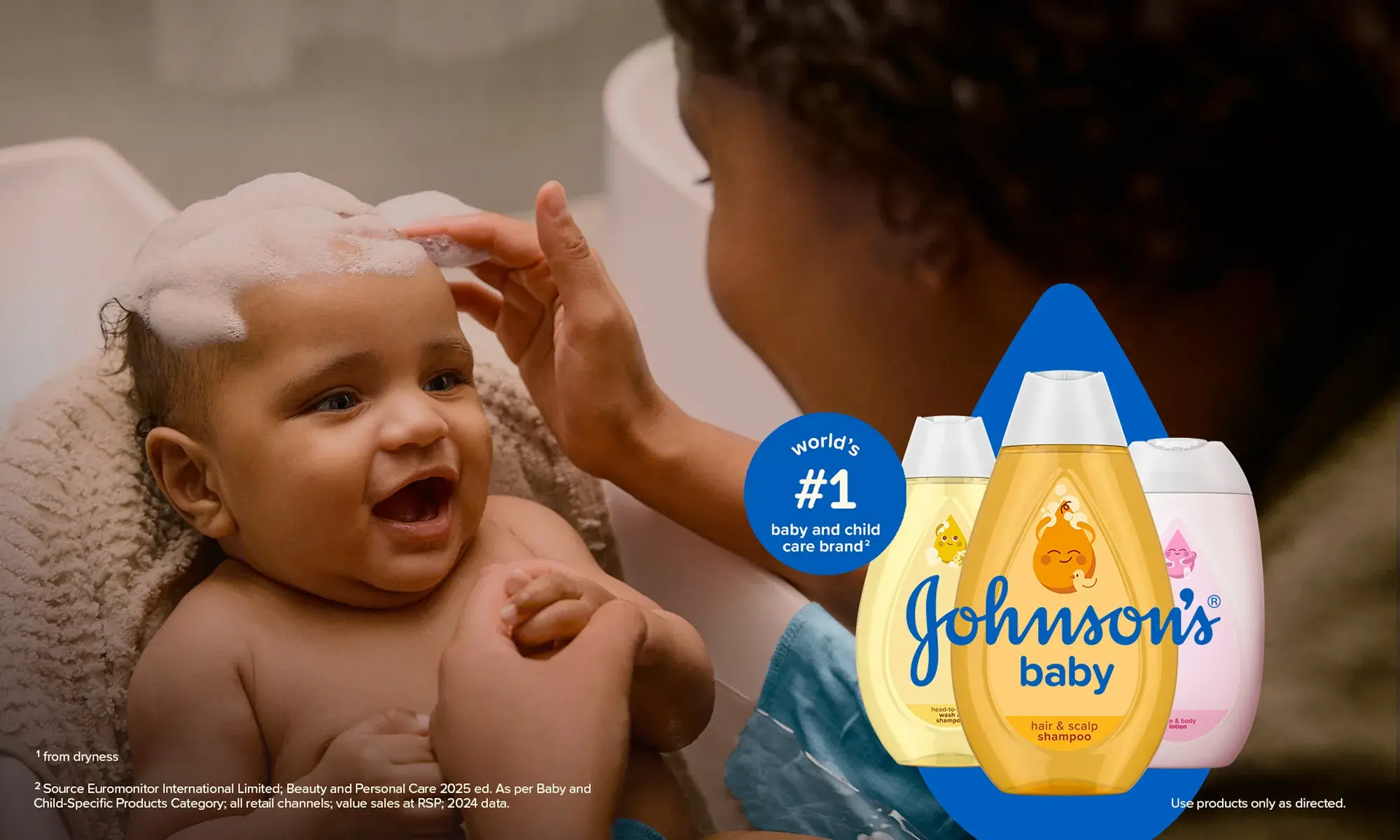
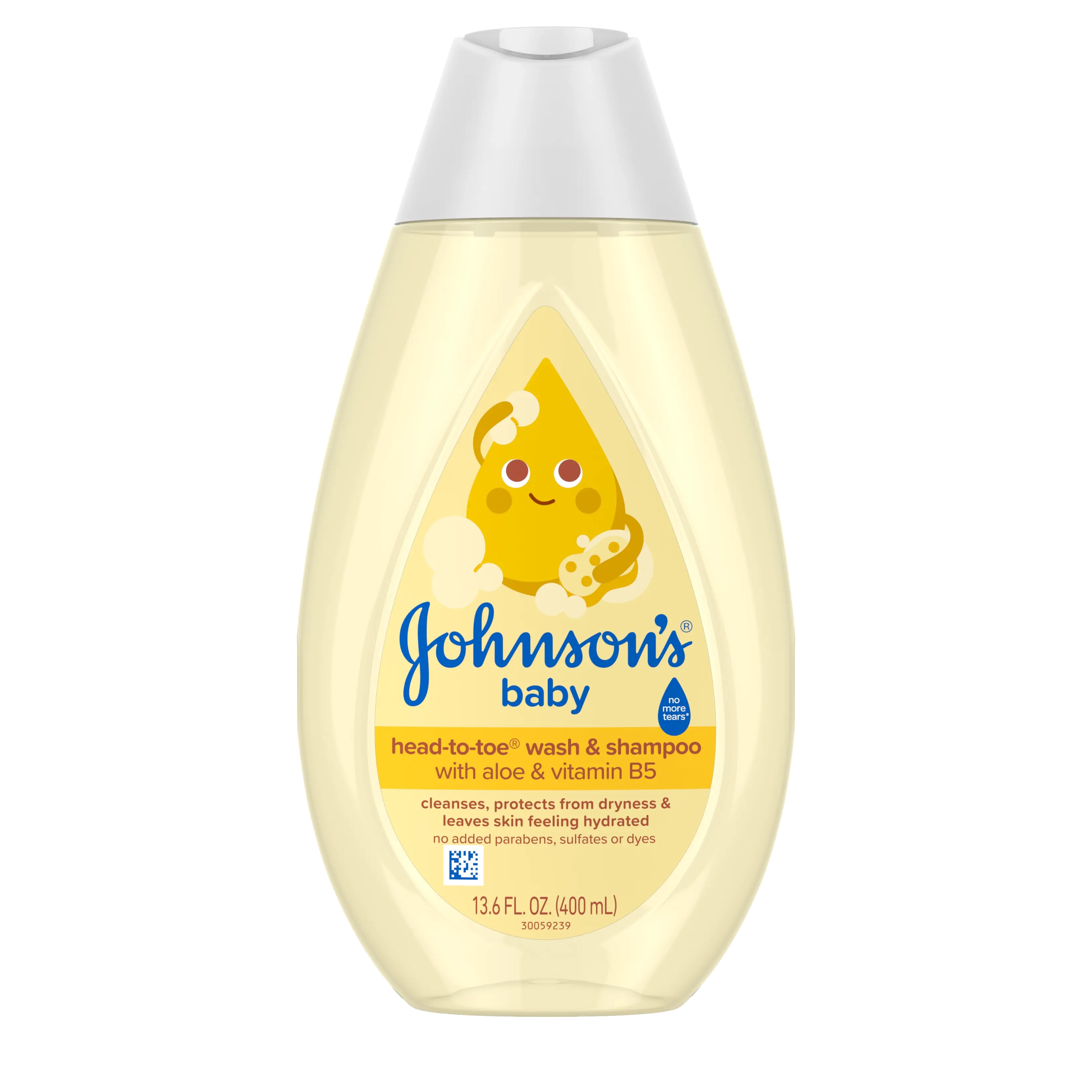
Modern Johnson & Johnson baby products use gentle surfactants, skin-friendly emulsifiers, and non-sensitizing preservatives at low levels. Here is what that looks like in practice:
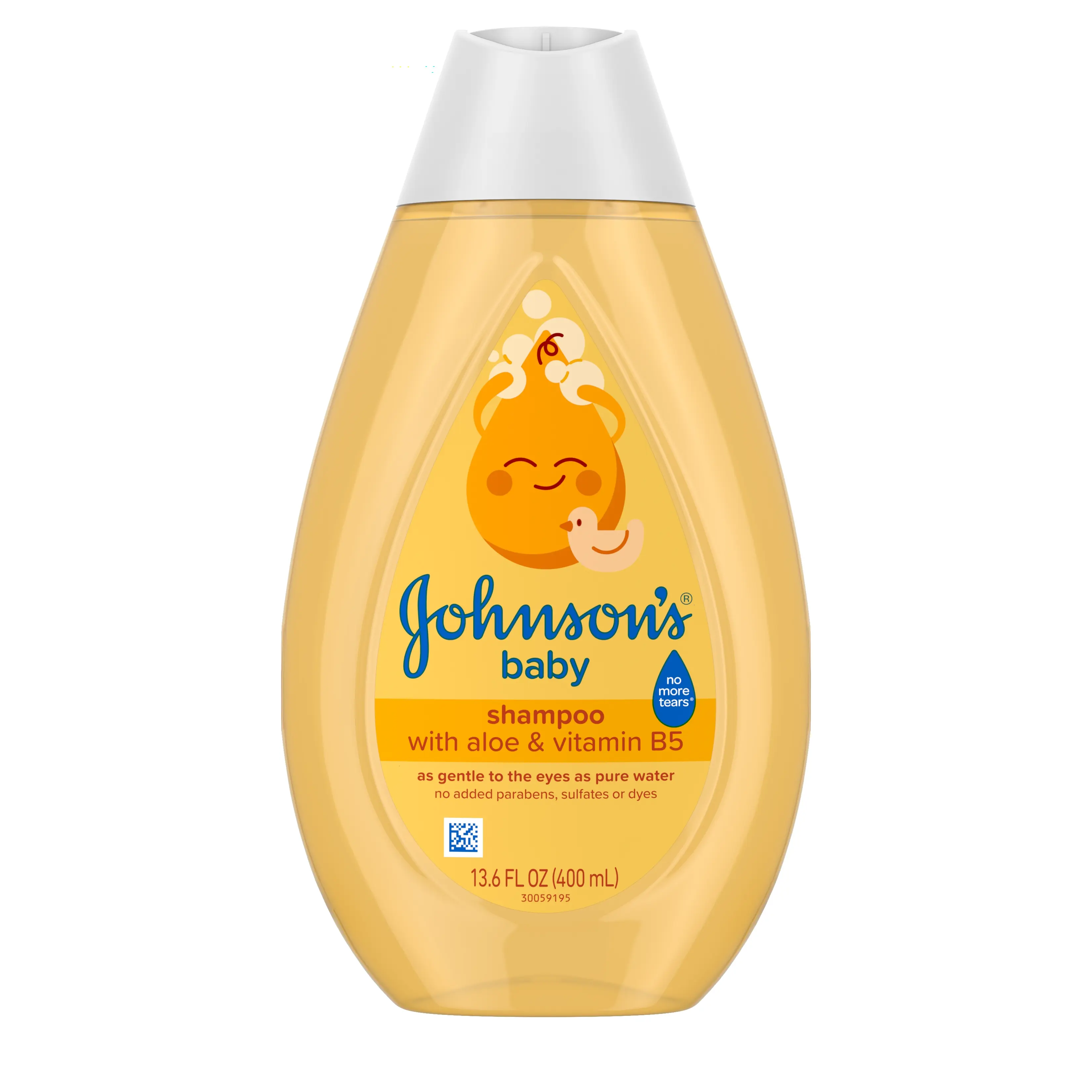
- Baby shampoo and wash use mild cleansers. These aim to reduce eye sting and protect the skin barrier.
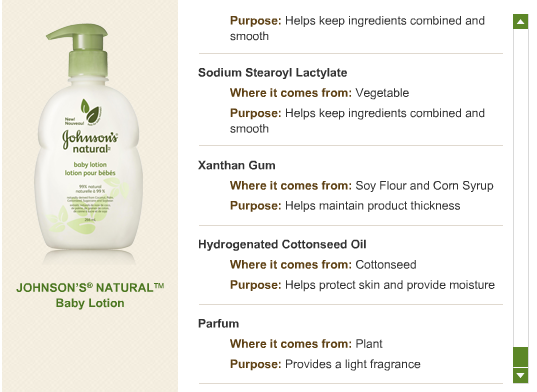
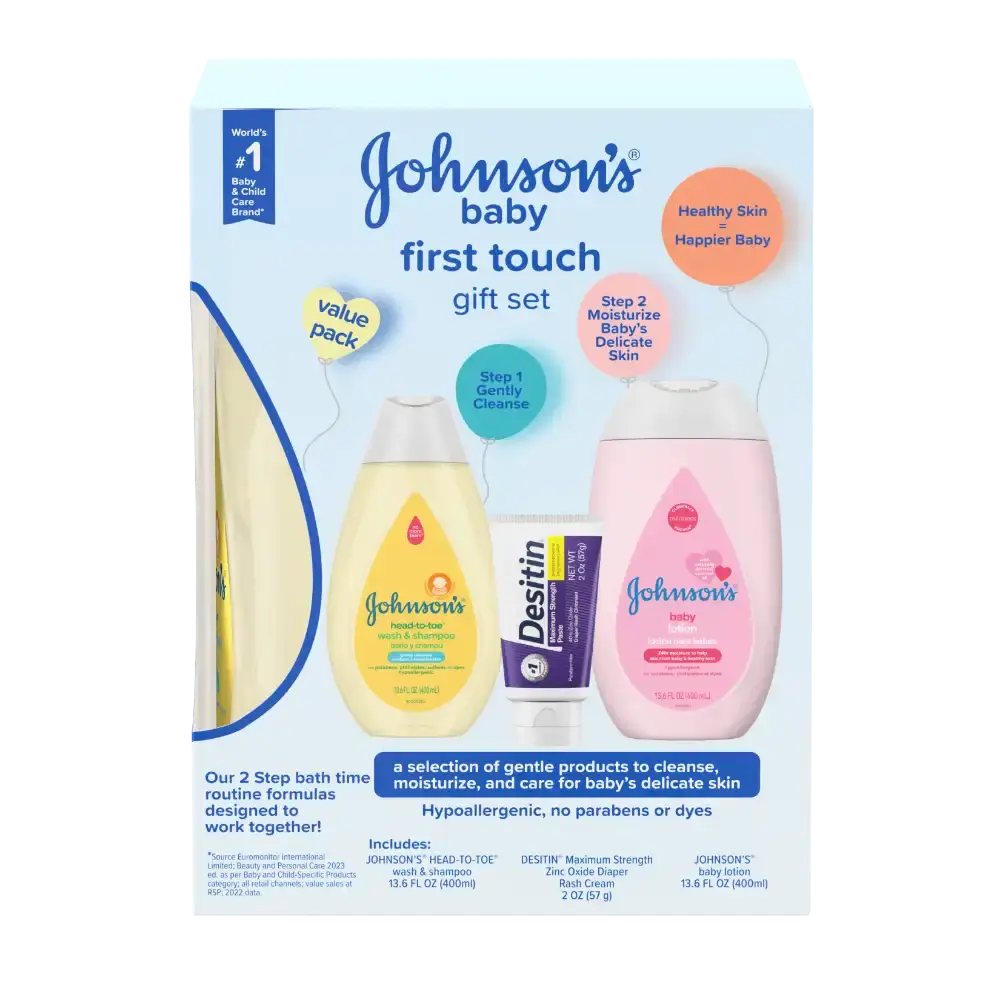
- Baby lotion uses glycerin and emollients to lock in moisture. Many lines are fragrance-free or use low-allergen scents.
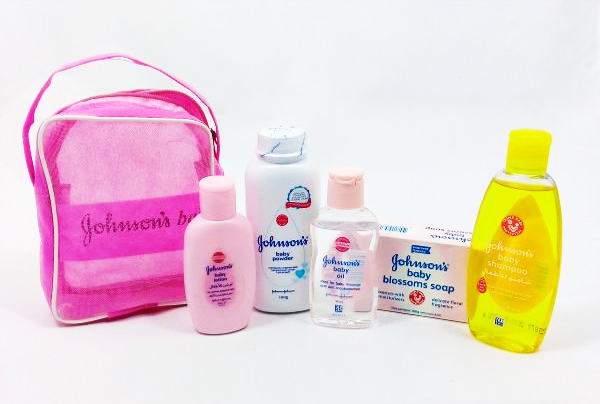
- Baby powder is now cornstarch-based, not talc. Cornstarch reduces friction but must still be kept away from the nose and mouth.
What about fragrance? Fragrance can irritate very sensitive skin. If your child has eczema, choose fragrance-free. If you prefer scent, patch test first.
These updates support a cautious yes to Are Johnson and Johnson Baby Products Safe for daily care, with smart use.
Source: johnsonsbaby.com
Talc vs cornstarch: what we know now
Talc is a mineral that can be safe if free of asbestos, but testing must be robust. A major health agency classifies perineal use of talc-based body powder as possibly carcinogenic. Inhalation of powders, talc, or cornstarch can also irritate the lungs.
Cornstarch does not carry the same cancer concern when used on the skin. It can still be inhaled if puffed into the air. Use as little as needed. Apply to your hand first, then to your skin, and keep away from your face.
If you wonder, are Johnson and Johnson Baby Products Safe when it comes to powders, the cornstarch version is a safer choice than talc. Use sparingly and with care.

Source: nytimes.com
What regulators and science say
- The US and EU allow many common cosmetic ingredients at strict limits. That includes preservatives and surfactants used in baby care.
- A government agency sampled talc products in the past; one J&J lot showed a trace asbestos finding, which led to a recall. Broader follow-up testing did not find asbestos in other lots.
- A major cancer research body rates perineal talc use as a possible risk, not a proven one. This is one reason many brands moved away from talc.
- Pediatric groups advise avoiding powders near the face. They also suggest gentle, fragrance-free products for the youngest babies or for eczema.
Put simply, are Johnson & Johnson Baby Products Safe under these rules? Yes, for non-talc items used as directed. For powders, choose cornstarch and avoid inhalation.
Source: johnsonsbaby.com
Testing, transparency, and recalls
Johnson & Johnson says it uses safety margins, irritation tests, and clinical checks for eyes and skin. It also lists many fragrance components online. The brand has removed older preservatives that release formaldehyde and tightened impurity controls like 1,4-dioxane in cleansers.
Recalls do happen in the industry. The 2019 talc powder lot recall is a key example. Good brands respond fast and improve systems. Today’s cornstarch pivot and disclosure steps are part of that shift.
These actions support a cautious yes to the question, Are Johnson and Johnson Baby Products Safe, given current oversight and their newer formulas.

Source: youtube.com
How to choose and use them safely
You can lower risk with simple steps:
- Match product to age. Use a basic, fragrance-free wash and lotion for newborns.
- Read labels. Look for “fragrance-free” for sensitive skin. Check the ingredient list for known allergens if your child reacts.
- Patch test. Try a small area for 24 hours before full use.
- Use less. A pea-size amount of lotion or a dime-size of wash is often enough.
- Avoid the air plume. If you use cornstarch powder, keep it far from your face.
- Watch the skin. Redness or rash? Stop, rinse, and talk to your pediatrician.
Done this way, are Johnson and Johnson Baby Products Safe for most families? Yes, and these habits help keep it that way.
Source: woolyyarn.com
Quick PAA-style answers
- Is Johnson & Johnson baby shampoo safe for newborns? Yes, but pick the fragrance-free version for the first months if possible.
- Are J&J lotions okay for eczema? Many are gentle, but a plain, fragrance-free moisturizer or a pediatrician-recommended ointment often works best.
- Are Johnson And Johnson Baby Products Safe for daily use? Daily use is fine for washes and lotions when the skin tolerates them well.
Source: woolyyarn.com
Alternatives and when to switch
Some babies have very reactive skin. In those cases, try:
- Fragrance-free lines within the Johnson & Johnson range.
- Products with short ingredient lists and ceramides.
- Ointments without preservatives for flare care, as advised by your pediatrician.
If you still see redness, stinging, or hives, stop and switch. Keep a skin diary. Bring photos and ingredient lists to your appointment. The goal is calm skin, not brand loyalty.
Parents still ask, Are Johnson and Johnson Baby Products Safe for my child? Safety is personal. If your child thrives on a simple, fragrance-free J&J wash and lotion, that is a good sign. If not, choose a gentler formula or a medical-grade option.
A balanced verdict
So, Are Johnson And Johnson Baby Products Safe? For most modern products like baby wash, shampoo, and lotion, yes, when you use them as directed. The brand has removed contentious ingredients and shifted to cornstarch powder.
The main caution is powder use near the face and on very young babies. Choose cornstarch, apply sparingly, and avoid inhalation. For very sensitive skin, go fragrance-free, patch test, and keep routines simple.
If you stay label-smart and watch your child’s skin, Johnson & Johnson baby products can be part of a safe, gentle care plan.
Frequently Asked Questions: Are Johnson And Johnson Baby Products Safe?
Are Johnson & Johnson products still using talc?
The company ended global sales of talc-based baby powder and now sells cornstarch-based powder. Check the label to confirm it says cornstarch.
Are Johnson & Johnson Baby Products Safe for Newborns?
Yes, most washes and lotions are mild, but less is more for newborns. Use fragrance-free items at first and patch test if the skin is delicate.
Do Johnson & Johnson products contain parabens or phthalates now?
The core baby line no longer includes parabens, phthalates, sulfates, or dyes. Always review the ingredient list, as formulas can change.
What if my baby has eczema or very dry skin?
Pick fragrance-free, dye-free products and moisturize often. If flares continue, ask your pediatrician about thicker ointments or prescription care.
Can I use baby powder in the diaper area?
Use only cornstarch powder, keep it away from your face, and apply sparingly to your hand first. Many parents skip powder and rely on barrier creams instead.
Conclusion
Most current Johnson & Johnson baby products are safe for daily use, with smart habits and close attention to your child’s skin. The brand’s shift away from talc and removal of older preservatives lowered key concerns.
Make a simple plan today. Choose fragrance-free products for newborns, patch test, and use only what you need. If you found this guide useful, share it with another parent, subscribe for more evidence-based tips, or leave a comment with your experience and questions.