
Get clear answers to Does Breast Milk Production Increase as Baby Grows with science-backed tips on supply, growth spurts, and boosting milk flow. Yes—breast milk production increases in the first weeks, then steadies as intake stabilizes.
If you are asking, Does breast milk production increase as the baby grows, you are not alone.
I have supported many families through the first months. In this guide, I explain how milk supply adapts, what changes with time, and how to keep things on track with simple, proven steps.
What Actually Drives Milk Supply
Breast milk production runs on supply and demand. The more milk is removed, the more your body makes. Effective milk removal tells your body to keep up.
Two hormones set the pace. Prolactin builds milk. Oxytocin triggers letdown. Frequent feeds raise prolactin levels. Good latch and milk transfer keep oxytocin flowing.
Most parents see breast milk production rise in the first 2 to 6 weeks. Then it sets a steady rhythm. Daily milk volume becomes stable. Your body learns your baby’s needs and matches them.
- Feed 8 to 12 times a day in the newborn stage.
- Aim for a deep latch and listen for swallowing.
- Switch sides when swallowing slows.
- Avoid long gaps in the early weeks.
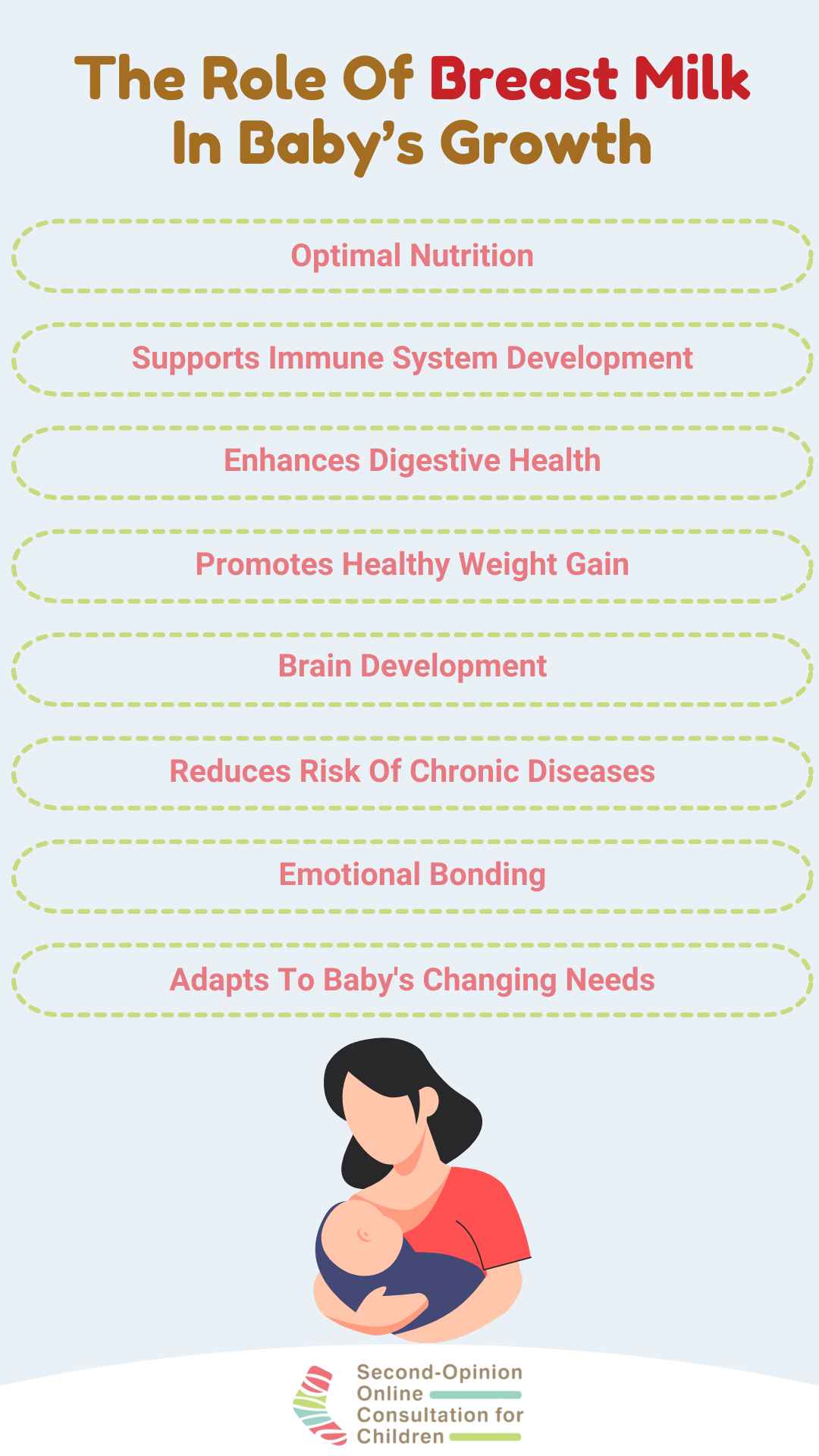
Source: cheerschildcare.com
Does Breast Milk Production Increase as Baby Grows?
Short answer: yes at first, then not by a lot. In the first weeks, breast milk production climbs as your baby feeds often. Around 4 to 6 weeks, daily volume levels off for most families.
From about 1 to 6 months, total daily intake is steady for many babies. Average intake is about 25 to 30 ounces a day for exclusive breastfeeding. What changes more is milk composition, not sheer volume. After 6 months, solids start to share the job. Milk may drop a bit, but it is still key.
So, does breast milk production increase as baby grows? Early on, yes. Over months, your body fine-tunes quality and timing. You see short bursts of higher demand, but the baseline stays even.

Source: 1ststep.com
Growth Spurts, Cluster Feeding, and Regulation
Babies send strong signals when they need more. You will see this during growth spurts. They feed more often for a day or two, then settle.
Common spurts happen around 2 to 3 weeks, 6 weeks, 3 months, and 6 months. Cluster feeding in the evening is normal. It helps boost breast milk production right when your baby asks for it.
What this means:
- Expect short-term spikes in demand.
- Keep feeding on cue and avoid strict schedules early on.
- Trust the process. A day or two of frequent feeds often resets the supply.
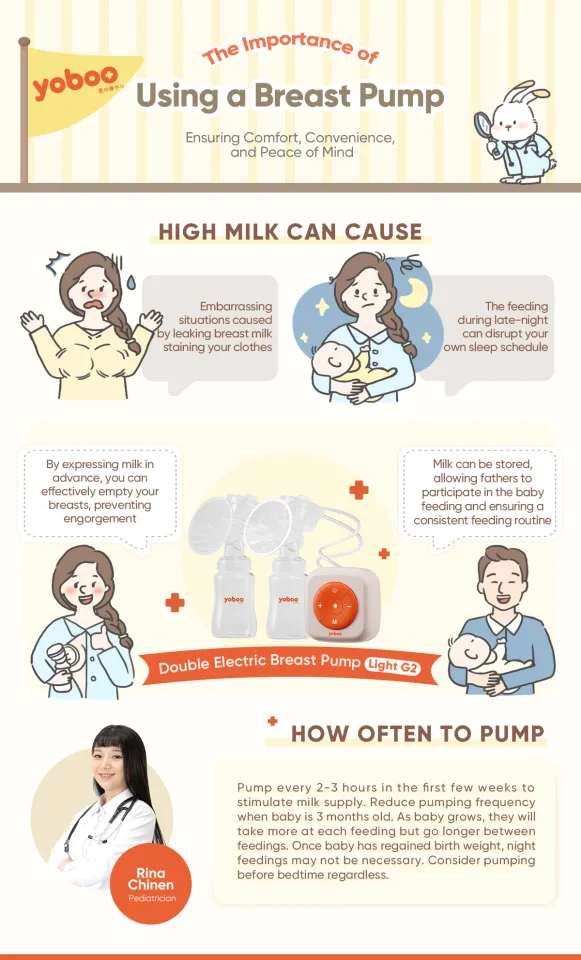
Source: mentesbrilhantes.org
How Milk Changes Over Time: Volume vs Composition
The body shifts milk makeup to meet needs. Even when daily volume stays steady, the contents evolve.
- Energy density rises slightly as babies grow.
- Fat content varies during a feed and across the day.
- Protective factors adapt. Your baby’s saliva gives signals that shape your milk.
- Night milk tends to have more sleep-supporting components.
This is why, even if you do not see more ounces, breast milk production is still “more” in a smarter way. It fits the stage of growth.

Source: legendairymilk.com
Factors That Can Limit or Boost Supply
Many things affect breast milk production. Some help; others hold it back. The good news is that most are fixable.
Boosters:
- Frequent, effective milk removal
- Skin-to-skin contact
- Night feeds when prolactin peaks
- Proper pump fit and settings if you pump
Limiters:
- Shallow latch or tongue-tie
- Long gaps between feeds
- Early formula top-ups without pumping
- Dehydration and low-calorie intake
- Hormonal issues like thyroid imbalance or PCOS
- Certain medicines, like some decongestants
- Prior breast surgery
Research shows milk supply is most sensitive in the first weeks. Early help makes a big difference. If you worry, speak with a lactation specialist or your baby’s clinician.

Source: babylist.com
Practical Strategies to Match Your Baby’s Needs
Here is how to support breast milk production day by day. These steps are simple and work well.
- Feed early and often. Watch your baby, not the clock.
- Ensure a deep latch. Chin to breast, lips flanged, no pinching pain.
- Use breast compressions when swallowing slows.
- Offer both breasts. Start on the softer side next time.
- Try power pumping for a few days if you need a boost.
- Keep night feeds in the early months.
- If you supplement, pump to protect the supply.
- Choose paced bottle feeding to match breast rhythm.
Personal tip from the field: I once skipped night pumps when returning to work. My output dipped fast. Adding a short early-morning pump fixed it within a week.

Source: premierhealth.com
Signs Your Baby Is Getting Enough and When to Seek Help
You do not need to guess. These signs are clear and easy to track.
Healthy signs:
- At least 6 wet diapers a day after day 5
- Regular yellow stools in early weeks
- Steady weight gain after the first two weeks
- Audible swallowing and content moments after feeds
Seek help if:
- Fewer wet diapers or dry mouth
- Painful latch or cracked nipples
- Poor weight gain or constant sleepiness
- You feel your breast milk production is dropping fast
An early check with a lactation expert can correct the course. Small changes in latch or timing can unlock progress.

Source: organicsbestshop.com
Quick Answers to Common Search Questions
How many ounces should a breastfed baby eat per day?
Most exclusively breastfed babies need about 25 to 30 ounces per day after the first month. This stays steady from 1 to 6 months, with short-term spikes during growth spurts.
Can pumping increase breast milk production?
Yes. Pumping adds extra milk removal signals. Use a well-fitted flange and add one short daily session or power pump for several days.
Does breast milk production increase as the baby grows during sleep regressions?
Often, yes, for a short time. Night wakings can lead to more frequent feeds, which can boost supply as your baby adjusts.
Real-World Cases and Expert Insight
Case 1: A first-time mom worried at 5 weeks. Her baby started cluster feeding and seemed fussy at night. We focused on frequent feeds, better latch, and breast compressions. Her breast milk production rose within 48 hours, and evenings became calmer.
Case 2: A parent returned to work at 12 weeks and saw a dip. We fixed the pump fit, added a morning pump, and used paced bottles at daycare. Output rose by 3 ounces a day, and baby growth stayed on track.
What I have learned:
- Protect early weeks with frequent, effective feeds.
- Track diapers and weight, not just fussiness.
- Adjust tools, not only effort. Pump fit and schedule matter.
Frequently Asked Questions: Does Breast Milk Production Increase as Baby Grows
When does milk supply usually peak?
It rises in the first 2 to 6 weeks and then levels. After that, daily volume is stable, but makeup continues to adapt.
How do I know if my supply meets my baby’s needs?
Watch diapers, weight gain, and swallowing. Consistent wet diapers and steady growth show sufficient intake.
Will starting solids reduce my milk supply?
Some reduction is normal after 6 months. Keep offering milk first to maintain intake and protect nutrients.
Can stress lower breast milk production?
Short-term stress does not destroy supply, but it can slow letdown. Calm routines, rest, and support can help milk flow.
Is oversupply a problem?
It can be. Fast flow may cause gassiness or fussing. Block feeding under guidance can help balance supply.
Do I need to drink milk to make milk?
No. You need enough fluids and a balanced diet. Water, fruits, vegetables, proteins, and whole grains support your body well.
What role do hormones play in milk supply?
Prolactin builds milk, and oxytocin releases it. Frequent, effective removal keeps both active.
Conclusion
Breast milk production does increase as your baby grows in the early weeks, then steadies while the milk itself gets smarter and richer. Short bursts of higher demand, like growth spurts, help your body fine-tune supply. Focus on frequent, effective feeds, a good latch, and smart pumping when needed.
You have the tools. Watch your baby, adjust your routine, and get help early if you have concerns. Want more support? Subscribe for weekly tips, explore our related guides, or leave a question so we can help you thrive.