
Breast milk supply adapts to demand; it doesn’t automatically fall as babies age. If you’re asking, Does Milk Production Decrease As Baby Gets Older?, you’re not alone. I’ve supported many families through every stage of feeding, from newborn days to toddler years.
In this guide, I’ll explain how supply works, what changes with time, and how to keep milk flowing even as routines shift, solids start, and life gets busier. You’ll get practical tips, clear science, and honest advice from real-world experience.

Source: physicianguidetobreastfeeding.org
How Milk Supply Actually Works
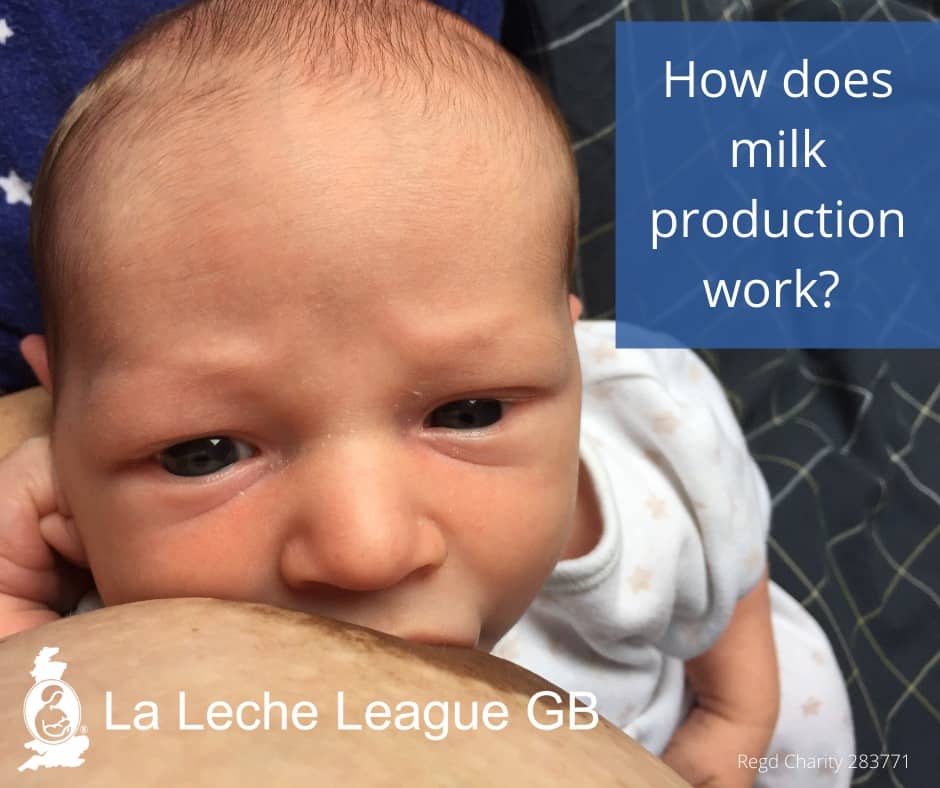
Breast milk follows a demand-and-supply loop. The more milk is removed, the more your body makes. That removal can be from nursing or pumping.
Two hormones run the show. Prolactin builds milk. Oxytocin lets milk flow. Frequent, effective emptying signals your body to keep up.
Storage capacity varies from person to person. Some parents hold more milk between feeds. Others need to feed more often. Both are normal if milk is removed well over 24 hours.
Milk composition shifts with your baby’s needs. It stays rich in antibodies and bioactive factors. Fat and energy can rise over time, even if volume stays stable.

Source: milky-mama.com
Does Milk Production Decrease As Baby Gets Older?
Short answer: not by default. In healthy lactation, supply adapts to demand. If your baby nurses often and drains the breast well, supply holds steady.
So, does milk production decrease as the baby gets older when everything is going well? No. Most babies take a similar daily volume from 1 to 6 months. After solids begin, milk may drop a bit because demand drops. The system is responsive, not fragile.
Many parents worry when the output dips. Pumps are not babies. A lower bottle yield does not always mean lower supply. Look at the baby’s growth and diapers first.
To be clear, Does Milk Production Decrease As Baby Gets Older? It can if it feeds space out, solids replace milk too soon, or pumping is not optimal. But with good milk removal, it usually does not.

Source: momcozy.com
What Actually Changes As Babies Grow
Older babies get faster and more efficient. A feed that took 30 minutes may take 8. That can feel like a drop, but it is often just a better transfer.
Daily intake ranges are steady in the first months. Many babies take about 25–30 ounces per day from 1–6 months. Between 6–12 months, intake may hold or dip as solids increase. The shift is gradual when solids complement, not replace, milk.
Milk composition continues to meet needs. Later milk can be higher in fat and energy per ounce. Immune factors stay strong. Your milk stays valuable well into the second year and beyond.
Does Milk Production Decrease As Baby Gets Older in normal growth? Not if demand remains. The curve you see is often a change in pattern, not a loss in supply.

Source: sdbfc.com
Common Factors That Can Lower Supply Over Time
Life changes can nudge demand down. The fix is to spot and address the cause early.
- Fewer or shorter feeds due to sleep training or long stretches at night.
- Early or heavy solids that replace milk rather than complement it.
- Distractions at the breast after 4–6 months; baby pops off to look around.
- Return to work with fewer pumping sessions or a poor flange fit.
- Pacifier overuse reduces nursing cues and sessions.
- Illness in the parent or baby, or medications that reduce supply.
- New pregnancy; hormones can lower supply even with frequent nursing.
- Combined hormonal birth control, which may reduce milk in some.
Does Milk Production Decrease As Baby Gets Older because of these? It can, but you can often reverse it by restoring effective removal.
Source: org.uk
How To Maintain or Boost Supply In Later Months
You can keep supply strong with small, steady habits.
- Feed responsively. Offer the breast often, not just on a rigid schedule.
- Rebuild demand. Add 1–2 extra nursing or pumping sessions for 3–5 days.
- Try power pumping. One hour, on and off in short cycles, once a day for a few days.
- Check pump fit. The correct flange size protects nipples and helps output.
- Use breast compressions. Gentle pressure during letdown boosts transfer.
- Limit solids before milk. Offer milk first until around 12 months.
- Reduce distractions. Nurse in a quiet, dim space for alert, curious babies.
- Skin-to-skin daily. It nudges hormones that support milk flow.
- Rest, eat, and drink to thirst. You do not need special drinks, just enough.
- Seek skilled support. An IBCLC can assess latch, transfer, and plan.
Does Milk Production Decrease As Baby Gets Older, even with these steps? It usually holds or improves when removal is consistent and effective.

Source: sdbfc.com
Signs Your Older Baby Is Getting Enough Milk
Focus on the baby, not the bottle.
- Steady growth on its own curve is the top sign.
- Enough wet and dirty diapers for the age.
- You hear swallows during feeds.
- Baby seems content after most feeds and is alert between them.
- Development stays on track.
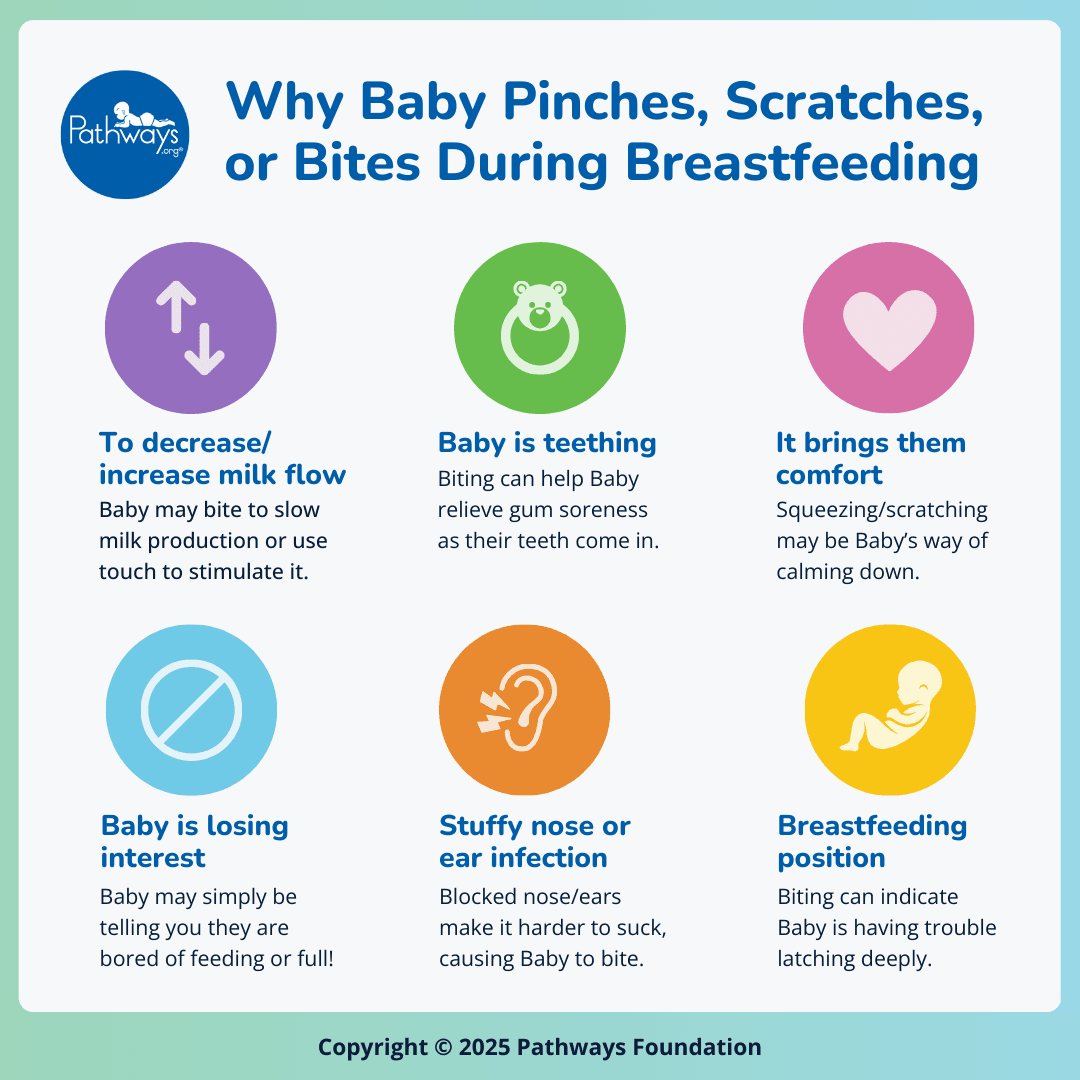
Pumping output can mislead you. Babies often transfer more milk than a pump can collect. If growth and diapers are good, supply is likely fine.
Two quick PAA-style answers:
- How much milk does a baby need when I’m away? Plan about 1 to 1.5 ounces per hour apart.
- Do solids replace milk at 6 months? No. Solids complement milk. Milk still provides most calories until close to 12 months.
Does Milk Production Decrease As Baby Gets Older if diapers and growth are normal? Unlikely. Trust the big picture.
Source: pathways.org
Pumping, Bottles, and Return-to-Work Realities
Real life brings schedules, meetings, and commutes. You can protect the supply with a plan.
- Pump as often as your baby would feed, usually every 3 hours at work.
- Use hands-on pumping. Warmth and compressions help letdowns.
- Practice paced bottle feeding. Slow flow supports your baby’s self-regulation.
- Store what you can, but do not chase freezer stash at the cost of sleep.
- Expect daily pump yields to vary. Look at weekly trends, not single sessions.
Does Milk Production Decrease As Baby Gets Older at Work? It can if sessions are missed. A consistent routine keeps demand steady and supply stable.

Source: physicianguidetobreastfeeding.org
Weaning and The Natural Decline Timeline
When weaning starts, supply follows demand down. This is normal and healthy.
After 12 months, some toddlers nurse a lot, others a little. Both patterns can work. Supply meets that rhythm.
A new pregnancy can reduce supply even with frequent nursing. Hormonal shifts change volume and taste. Some older babies self-wean at that time.
To wean gently, drop one feed every few days. Offer cuddles, snacks, and cups. Watch your comfort and your child’s cues.
Does Milk Production Decrease as the Baby Gets Older during Weaning? Yes, because you are choosing to reduce demand. That is the one time a decline is expected.

Source: milky-mama.com
Common Myths To Ignore
Misinformation adds stress. Here is what you can skip.
- Myth: Milk turns to water after a few months. Reality: It stays nutrient-dense and immune-rich.
- Myth: Solids at 6 months should replace milk right away. Reality: Milk remains the main food for the first year.
- Myth: Low pump output means low supply. Reality: Pumping is a tool, not a perfect measure.
- Myth: You must drink gallons of water or special teas. Reality: Drink to thirst; extreme intake does not boost supply.
- Myth: If the baby sleeps through the night, you will lose supply. Reality: Many maintain supply with enough daytime removal.
Does milk production decrease as the baby gets older because milk “loses quality”? No. The science does not support that claim.
Frequently Asked Questions: Does Milk Production Decrease As Baby Gets Older?
Does Milk Production Decrease As Baby Gets Older if I stop night feeds?
Night feeds help many parents meet daily demand, but they are not the only path. If daytime removal increases, supply can hold steady.
How much should my 7–9-month-old drink if they eat solids?
Most still take a similar daily volume and then slowly shift as solids rise. Offer milk first, then solids, to protect intake.
Will combined hormonal birth control lower my supply?
It can occur in some parents, especially early postpartum. If you see changes, speak with your clinician about alternatives.
Do I need to pump after every feed to keep the supply?
Not if the baby is nursing well and growing. Pumping is helpful when you miss feeds or need to increase demand.
Is it normal for my baby to finish a feed in 5–10 minutes now?
Yes. Older babies transfer milk faster. Short feeds can still be very effective.
Does Milk Production Decrease As Baby Gets Older when teething or sick?
Temporary dips can happen if feeds are shorter. Offer more frequent, gentle feeds to restore demand.
Can stress make my milk dry up as my baby grows?
Stress can slow down letdown in the short term, but it rarely stops production. Calming routines and frequent removal help.
Conclusion
Your body is built to adapt. In most cases, Does Milk Production Decrease As Baby Gets Older? No. Supply stays strong when removal stays steady, even as feeds get faster and solids enter the scene. If life changes nudge demand down, small tweaks can bring it back.
Protect your routine, watch your baby’s cues, and trust the process. If you want personalized help, connect with a skilled lactation professional. Share your questions or experiences below, and subscribe for more evidence-based, parent-tested guides.