Learn How To Become A Baby Product Tester, land legit gigs, and get free gear. Step-by-step tips, trusted sites, and requirements to start today. Sign up with testing panels, build a parent profile, and submit quality reviews. You can become a baby product tester even if you are new. Brands want real parent feedback to improve safety, ease of use, and trust.
In this guide, I will show you how to become a baby product tester from scratch, where to find legit gigs, how to write reviews that brands love, and how to stay safe and compliant. If you want a clear path on how to become a baby product tester and get free gear or paid work, read on.
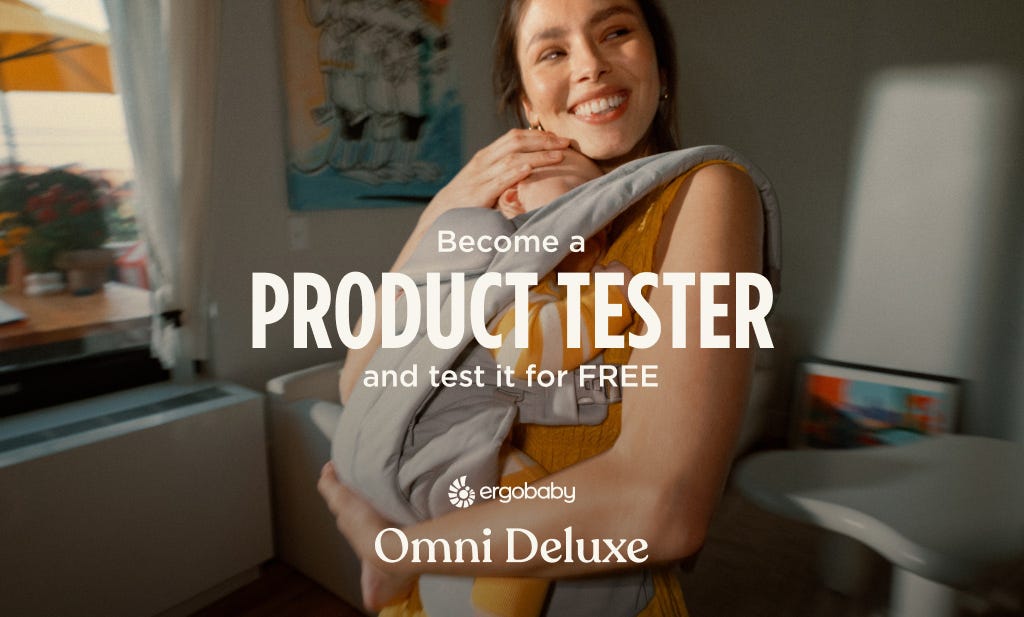
Source: ergobaby.ie
What Does a Baby Product Tester Do?
Baby product testers try items that parents use. You test real products at home, then share clear feedback. Your insights help brands fix problems before launch.
You may test many items:
- Diapers, wipes, creams, and bath products
- Bottles, pacifiers, breast pumps, and feeding tools
- Strollers, car seats, carriers, and high chairs
- Cribs, bassinets, sleep sacks, and monitors
- Toys, teethers, books, and play mats
- Clothing, swaddles, bibs, and shoes
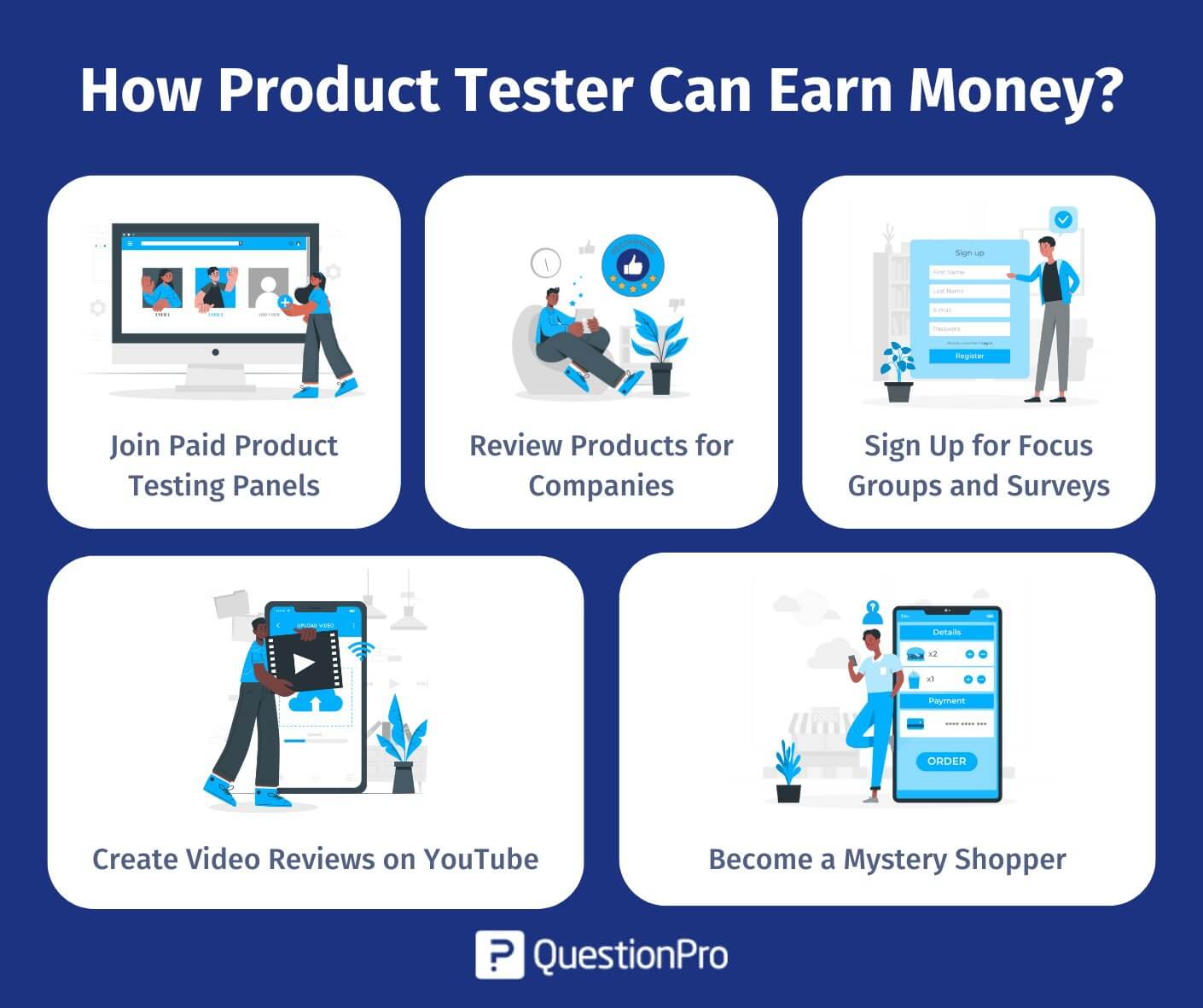
Tests can be short or long. You might give a quick survey after one use. Or you might test a stroller for four weeks. You will often submit photos, notes, or a short video. Many brands also want star ratings and a final summary.
Source: questionpro.com
Who Can Become a Baby Product Tester?
Almost anyone with access to a baby or toddler can apply. You do not need a big social media following. Many panels prefer everyday parents who can share honest, safe feedback.
Basic fit often includes:
- Expecting parents, new parents, or caregivers of kids under age five
- Ability to follow simple test rules and deadlines
- Willingness to share frank feedback with photos or short clips
- Located in a region where the brand ships test units
Some tests focus on certain ages. For example, a newborn bottle trial needs a baby under three months. A convertible car seat trial may need a toddler who meets weight and height rules.
Step-by-Step: How to Become a Baby Product Tester
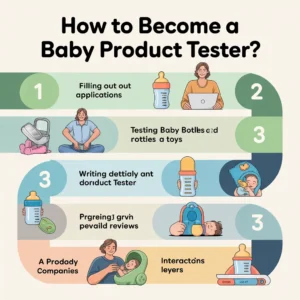
Follow these simple steps to become a baby product tester. This roadmap works even if you start today.
- Define your parent profile
- Write your family details: due date or child ages, sizes, routines, and special needs.
- Note your home setup: stairs, car type, small space, pets. Brands value real-life context.
- Set up a professional tester presence
- Create a clean email for testing only.
- Make a simple social profile or blog with a clear bio, child’s ages, and interests.
- Post 3–5 sample reviews of gear you already own. Use clear photos and short, honest notes.
- Join trusted consumer panels
- Sign up for parent testing panels, market research sites, and brand communities.
- Complete your profile in full. Add sizes, feeding style, and shopping habits.
- Turn on email alerts so you can apply fast. Many tests fill within hours.
- Apply with purpose
- Only apply for items that match your child’s age and needs.
- Use a short pitch: why your family is a fit, what you can test, and your timeline.
- Test with care
- Read instructions. Check safety warnings, age grading, and any recall notices.
- Use the product as directed. Keep notes on fit, function, mess, and any breakage.
- Deliver standout feedback
- Share 3–7 specific points: what worked, what did not, and why.
- Add sharp, well-lit photos. Include scale (a hand, a ruler) for size context.
- Compare to a product you already use when relevant.
- Build proof and momentum
- Keep a testing log with dates, brands, tasks, and outcomes.
- Ask panels for permission to share anonymous snippets of feedback wins.
- Update your profile and sample reviews as you learn.
- Rinse, refine, and niche down
- Over time, niche into what you love: travel gear, feeding, or sleep.
- Higher fit leads to higher selection rates and better perks.
PAA-style quick answers
Is baby product testing legit?
Yes, when you use trusted panels and clear briefs. Avoid requests for fees or bank details.
Do you keep the products?
Often yes, if noted. Some tests need returns, especially high-value strollers or car seats.
How much can you earn?
Many tests pay in free products. Some pay $25–$200+ for longer studies or specialty gear.
Tips for speed and success
- Apply within 24 hours of the invite emails.
- Keep your child’s sizes accurate. Update after growth spurts.
- Submit on time. Reliable testers get more offers.

Source: tryandreview.com
Where to Find Legit Baby Product Testing Opportunities
You can find programs through brand tester pages, parent panels, and research firms. Here are common sources parents use to learn how to become a baby product tester and land real gigs.
Brand and retailer programs
- Baby care brands often run tester clubs for diapers, wipes, and skincare.
- Gear brands sometimes recruit for strollers, carriers, and monitors on their sites.
- Retailers may run product review programs and private testing groups.
Consumer review and sampling platforms
- Sampling apps send free baby items in exchange for honest reviews.
- Invite-only review clubs select active, unbiased reviewers.
- Some influencer networks run gifted or paid family campaigns.
Market research panels
- Research firms run in-home usage tests, surveys, and focus groups.
- Parent communities host short tests, concept reviews, and packaging trials.
Local options
- Boutique baby stores may host community trials or events.
- Parent groups and hospitals sometimes share calls for testers.
Red flags to avoid
- Upfront fees to “join” a tester list
- Requests for SSN or banking for a product-only trial
- Pressure to leave fake reviews on retail sites

Source: thinkremote.com
How to Write High-Quality Reviews That Brands Love
Great reviews help brands improve and keep you top of mind for future tests. Here is a simple structure.
Use the 3W method
- Who used it: baby’s age, weight, and relevant needs
- Where it was used: car, small apartment, travel, daycare
- What happened: clear outcomes with examples
Be specific and measurable
- Replace “soft” claims with detail: “leaked after 3 hours on side sleep” or “strap fit a 95th percentile toddler in winter clothes.”
Share balanced insights
- Include 2–3 pros and 1–2 cons.
- Add one improvement idea that is realistic and safe.
Add clear media
- Photos in daylight with no flash work best.
- Short clips with hands show how buckles or latches work.
Sample review template
- Setup: time to assemble, any tools
- Fit and comfort: how it feels, pressure points
- Performance: leaks, spills, battery life, range
- Cleaning: parts, dishwasher-safe, drying time
- Safety notes: age/weight limits, secure fit, warnings followed
- Verdict: who it suits best and why
Safety, Compliance, and Ethics for Testers
When you learn how to become a baby product tester, safety is your top duty. Follow the rules in the product manual. If anything feels unsafe, stop and report it.
Key points to respect
- Use age and weight limits exactly as listed.
- Register gear with the maker, and check recall databases.
- Baby products in the US must meet federal safety laws for children’s items. Many also follow voluntary standards for toys and gear.
- Share risks right away. Include photos and details so brands can act fast.
Honest disclosure
- If you post online, disclose gifted items or pay. Use clear language or simple tags like “gifted” where allowed.
- Never post fake reviews. Only review items you used.
Privacy
- Do not share your child’s full name, school, or location in public posts.
- Blur IDs on car seats in photos.

Source: madeformums.com
Payments, Perks, and Taxes
Compensation varies by test. Plan ahead so you know what to expect.
Common forms of pay
- Product to keep, often the most common
- Gift cards or prepaid cards for surveys or long trials
- Cash for focus groups or expert reviews
How much can you make?
- Quick surveys: small gift cards
- In-home tests: product plus $25–$150
- High-skill or long-term tests: $100–$300+
Taxes and records
- Track the fair market value of free products. Some jurisdictions treat them as income.
- Keep a simple spreadsheet of dates, items, and pay.
- If you earn over certain limits from one payer, you may receive a tax form. For tax questions, consult a pro. This is not legal or tax advice.
Source: compromath.com
Real-Life Workflow and Personal Lessons Learned
Here is a simple workflow I use when testing baby gear.
My weekly flow
- Monday: Check panel invites and apply to two that fit my child’s age.
- On delivery: Unbox, read the manual, and take setup photos.
- Week 1: Test in daily life. Keep a quick note in my phone for messes, leaks, or wins.
- Week 2: Try edge cases: car rides, stairs, daycare bag, small trunk.
- End of test: Write a short, specific summary. Add three clear photos and one video.
Lessons learned
- Fit beats features. If a harness rubs or a diaper leaks at night, no feature saves it.
- Light matters. Clear, bright photos increase selection rates for future tests.
- Speed counts. Apply fast and submit on time. Reliability builds trust.
These habits helped me master how to become a baby product tester and get steady invites without a huge following.
Common Mistakes and How to Avoid Them
Avoid these pitfalls as you learn how to become a baby product tester.
- Applying for items that do not match your child’s age. Keep profiles current.
- Sharing vague feedback. Give numbers, times, and clear outcomes.
- Missing deadlines. Set calendar alerts to submit on time.
- Ignoring safety warnings. Follow age and weight limits always.
- Posting without disclosure. Be transparent when items are gifted or paid.
Frequently Asked Questions on How To Become A Baby Product Tester?
How long does a typical test last?
Most tests run one to four weeks. Some quick-use items take only a few days.
Do I need a big social media audience?
No. Panels want honest parent feedback first. A small, engaged audience can help, but is not required.
Can I apply if I am expecting?
Yes. Many diaper, skincare, and registry tests start before birth. Share your due date and any special needs.
What if a product seems unsafe?
Stop using it. Document the issue and contact the brand or panel with photos and details.
Will testing affect my warranty or returns?
Testing per instructions should not. Keep all packaging, manuals, and proof of participation in case of returns or support.
Conclusion
You now have a clear path on how to become a baby product tester: build a parent profile, join trusted panels, apply with purpose, test with care, and deliver sharp, honest feedback. Focus on safety, clarity, and speed. These three habits turn first tests into steady invites.
Start today. Post three sample reviews, update your profiles, and apply to two relevant tests this week. Want more tips and vetted panels? Subscribe for updates or leave a comment with your goals.