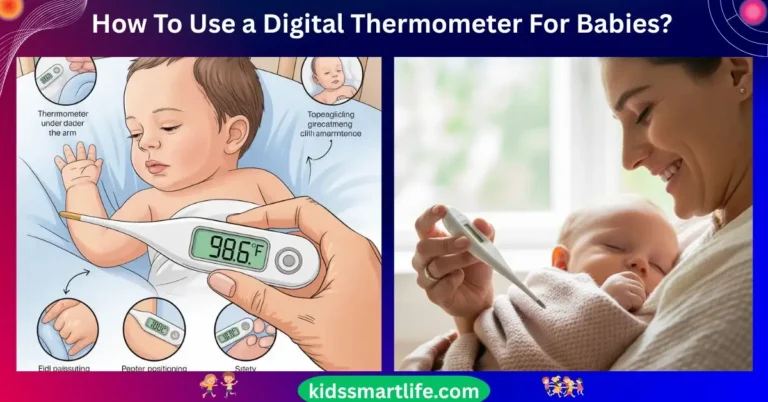
How To Check Armpit Temperature In Babies? Learn the safe, step-by-step method to measure your baby’s armpit (axillary) temperature accurately. Discover normal baby temperature ranges, tips for using a digital thermometer, signs of fever in infants, and when to call a doctor. Ideal guide for new parents looking for a safe baby temperature check.
Place a digital thermometer in a dry, snug armpit, hold the arm down, and read. If you want calm, clear steps on How To Check Armpit Temperature In Babies, you are in the right place. I have helped many new parents learn this skill with ease. In this guide, I will show you safe methods, pro tips, and what numbers mean, so you can act fast and feel sure.
Why parents choose the armpit method
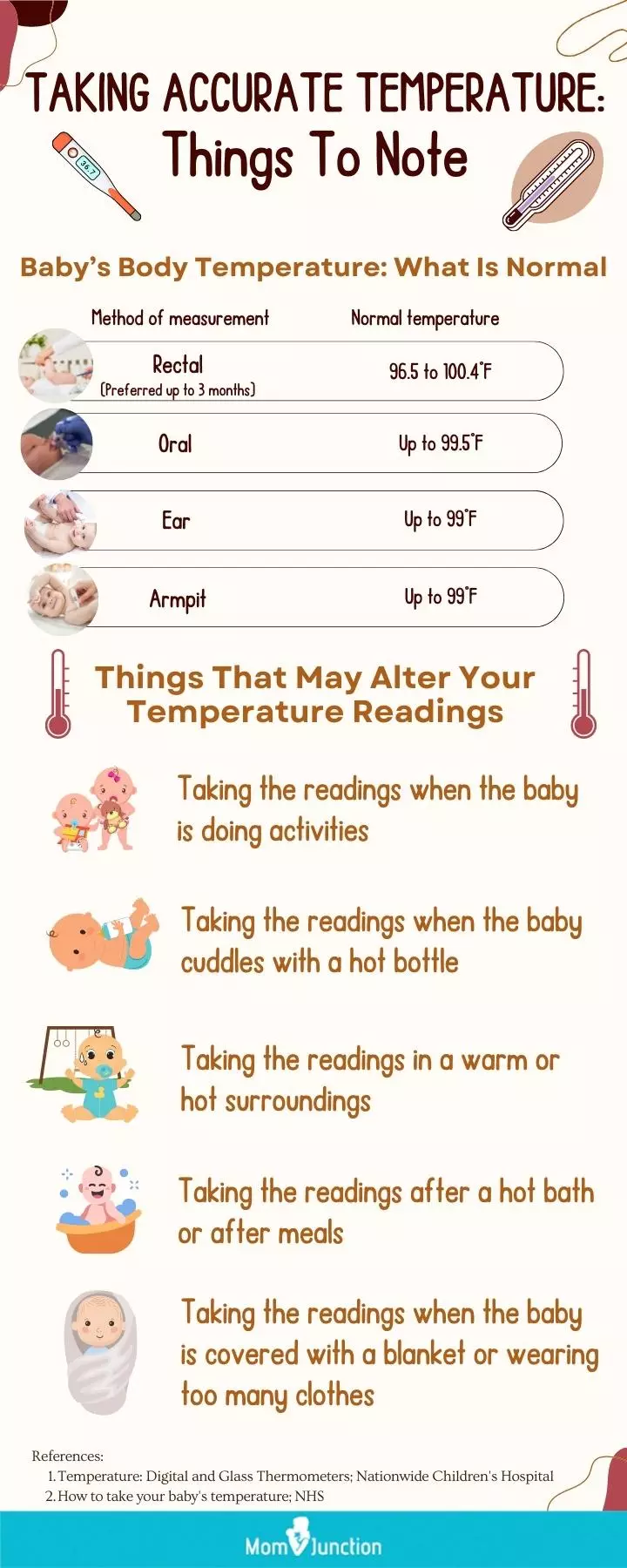
Armpit checks feel safe and simple. No need to wake a sleeping baby much. You can use a basic digital thermometer. It works well for quick screening at home.
Still, armpit numbers tend to run a bit low. They can be 0.5 to 1.0°F lower than rectal. That is why we use it as a first check. If it seems high, confirm with a rectal reading or call your child’s doctor.
You will see me repeat How to Check Armpit Temperature In Babies? across this guide. I do this to help you scan and find what you need fast.

Tools you need to check an armpit temperature
Gather a few simple items before you start. This will save time and stress.
- Digital stick thermometer. Choose one that allows axillary (armpit) use.
- Probe covers are optional. Check your device guide.
- Soft tissue or cotton pad. Use to dry the underarm.
- Soap and water or alcohol wipe. Clean the device after use.
- Notebook or phone app: Log the reading, time, and symptoms.
Avoid mercury glass thermometers. They can break and are not safe for babies.

Step-by-step: How To Check Armpit Temperature In Babies?
Follow these steps to get a clean, steady reading. This is the core of How To Check Armpit Temperature In Babies?.
- Prepare the area
- Wash your hands.
- Make sure the baby is calm.
- Wait 15 minutes after a bath, skin-to-skin time, or warm layers.
- Dry the armpit
- Moisture cools the skin and skews results.
- Use a soft tissue to pat dry.
- Place the probe
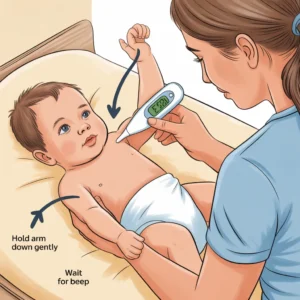
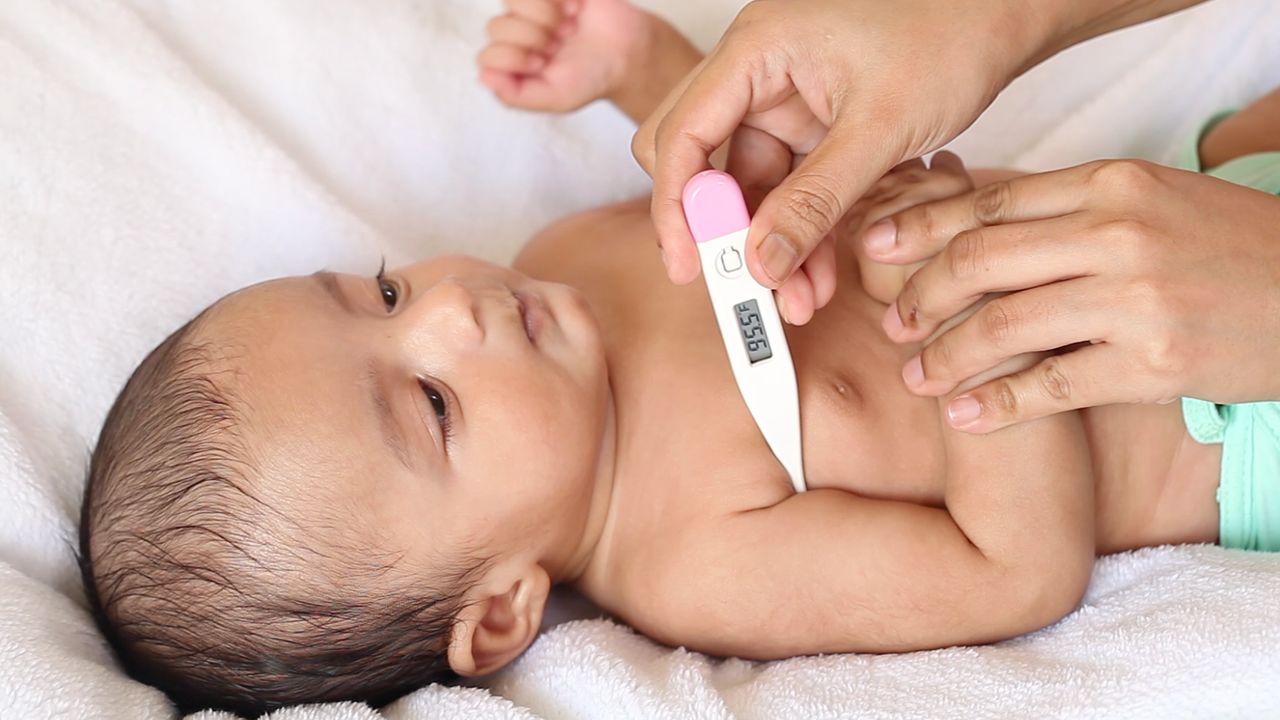
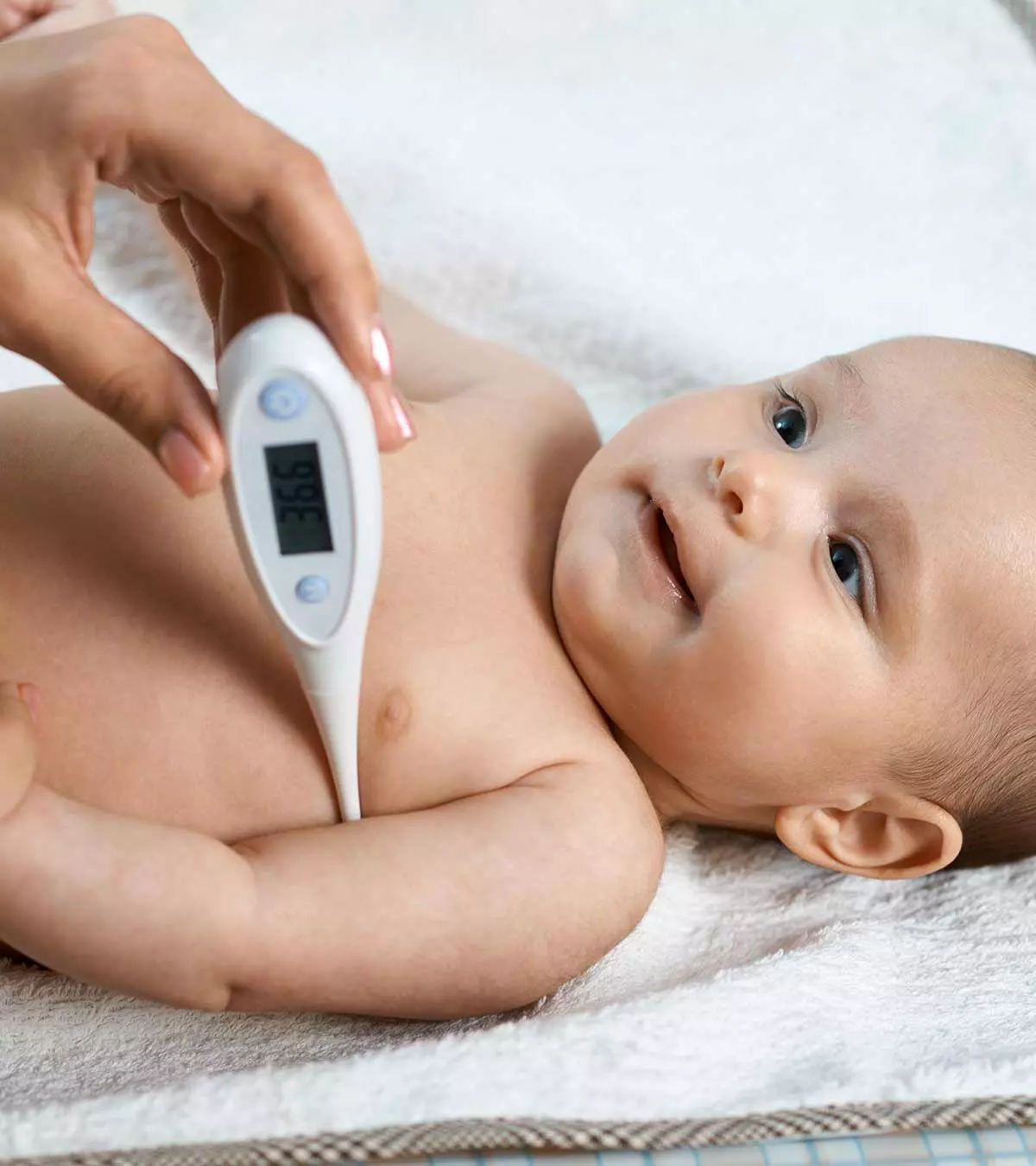
- Put the tip in the center of the armpit.
- Aim it up toward the top of the fold.
- Close the arm snugly
- Bring the baby’s arm down across the chest.
- Hold it gently, but firmly, so no air gets in.
- Hold still until done
- Keep the device in place until it beeps or the display is steady.
- Most models take 15 to 30 seconds; some take up to 60.
- Read and record
- Note the number, time, and signs like fussiness or poor feeding.
- If it seems high or low, repeat once. Take the best of two reads.
- Clean the device
- Wipe the tip with alcohol or soap and water.
- Let it dry before storing.
Pro tip from practice: Use a swaddle or your forearm to support the baby’s arm across the chest. It keeps the seal tight and helps you get a stable number on the first try.
What the numbers mean
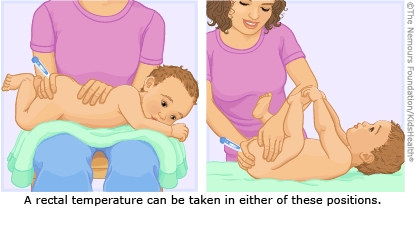
The armpit is a screening site. It runs a little lower than core body temperature.
- Typical armpit range in babies is 97.5 to 99.3°F (36.4 to 37.4°C).
- Possible fever on armpit check 99.0°F (37.2°C) or higher.
- True fever standard 100.4°F (38.0°C) by rectal.
If the armpit is 99.0°F or more and your baby seems unwell, confirm with a rectal reading if you know how, or call your child’s doctor. For babies under 3 months old, any temp of 100.4°F rectal needs urgent care.
When armpit checks are a good choice
Armpit checks work well in daily life. They are fast and gentle.
- Great for quick screens during the day.
- Useful when your baby is sleeping.
- Good first step before you decide on a rectal check.
- Handy when traveling or at daycare.
When you ask How To Check Armpit Temperature In Babies?, know that this method is best for first looks. It is not the gold standard for fever calls in newborns.
Improve accuracy: pro tips I share with parents
These simple habits raise your odds of a true read.
- Keep the skin dry. Sweat lowers the number.
- Seal the armpit. Close the arm snugly to trap warmth.
- Be patient. Wait for the beep or stable display. Do not rush.
- Use the same device. Devices read a bit differently. Consistency helps.
- Repeat once if unsure. Take two reads, 30 seconds apart.
- Avoid drafts and fans. Air on the skin cools the site.
- Wait after warming or cooling. After a bath or heavy wrap, wait 15 minutes.
I have seen the biggest errors from a loose arm or a damp fold. Fix those first.

Age-specific guidance you can trust
Babies change fast. So do the best methods.
- Newborn to 3 months
Use the armpit for a quick screen. If 99.0°F or higher, or the baby looks ill, do a rectal check or call the doctor at once. If the rectal temperature is 100.4°F or more, seek urgent care. - 3 to 36 months
Armpit is fine for checks at home. Confirm fever with rectal if your baby is very fussy, hard to wake, has a rash, or is not feeding well. - Over 3 years
Armpit is okay for quick checks, but oral or ear (if used right) may be more reliable.
Common mistakes to avoid
These errors often lead to low or unstable numbers.
- Take the temp right after a warm bath or thick layers. Wait 15 minutes.
- Not drying the armpit first, moisture cools the skin.
- Letting the arm open, air breaks the seal and drops the temp.
- Pulling the device too soon. Wait for the beep or a stable display.
- Using the wrong site tip, the probe must sit in the hollow, near the top.
How To Check Armpit Temperature In Babies? starts with good prep. A dry, snug seal does most of the work.
When to call the doctor
Call now if any of these are true.
- Under 3 months old and rectal temp is 100.4°F or higher.
- Your baby is hard to wake, limp, or not feeding.
- Fast breathing, blue lips, or nonstop crying.
- A new rash with fever.
- Fever lasts more than 24 hours in babies under 2 years, or more than 72 hours in older kids.
If your armpit number is 99.0°F or more, confirm with a rectal check if safe, and you know how. When in doubt, call your doctor. Trust your gut.
Cleaning, storage, and device care
Clean gear gives clean data.
- Clean after each use. Wipe the tip with alcohol or soap and water.
- Store dry. Keep it in a hard case, away from heat and sun.
- Replace batteries. Weak batteries give odd results.
- Recheck settings. Make sure the unit is on °F or °C as you expect.
- Replace old devices if dropped hard or cracked; get a new one.
Quick troubleshooting with PAA-style answers
Parents ask me the same few things while learning How To Check Armpit Temperature In Babies?. Here are fast fixes you can use.
- The reading jumps each time
Hold the arm tighter. Dry the skin. Wait 30 seconds and repeat. - My baby sweats a lot
Use a soft tissue and a light dusting of baby-safe powder only if advised by your doctor. The key is a dry fold and a tight seal. - The device beeps too fast
Some models beep at contact, not at final. Keep holding until the numbers stop climbing.
Real-life tips from the field
I have checked hundreds of infant temps in clinics and at home visits. A few lessons stand out.
- Set up the space first. Lay out the device, tissues, and log. Babies sense stress. Calm prep helps.
- Use a song or gentle talk. It keeps the baby still long enough for a steady read.
- Log the context. Write the number, time, swaddle level, and symptoms. This helps your doctor see the trend.
- Keep one “family baseline” device. Different devices do not match. Stick with one to track change, not just the raw number.
Parents often ask How To Check Armpit Temperature In Babies? When their baby feels warm at 2 a.m. With these steps, you can get a good number fast and make a sound choice.
Frequently Asked Questions on How To Check Armpit Temperature In Babies?
Is armpit temperature accurate for babies?
Armpit readings are good for screening, but run lower than core temp. Confirm a fever with a rectal reading if your baby is very young or looks unwell.
How long should I hold the thermometer in the armpit?
Most digital sticks need 15 to 30 seconds, or until the numbers stop rising. Follow your device guide and wait for a stable screen.
What is a fever for an armpit reading?
An armpit reading of 99.0°F (37.2°C) or higher is concerning. Confirm with a rectal reading to decide on next steps.
Can I use a forehead thermometer for the armpit?
No. Use a device that supports auxiliary checks. Forehead and ear thermometers are built for their own sites.
Should I check both armpits?
You can if the first number seems off. Use the higher of the two or average them, then confirm if needed.
How often can I check my baby’s temperature?
As needed when your baby seems unwell or feels warm. Avoid constant checks, which can cause stress and give little extra value.
Do vaccines cause a mild fever in babies?
Yes, mild fevers are common after some shots. Use approved fever care and call your doctor if you worry.
Conclusion
You now know How To Check Armpit Temperature In Babies with clear, proven steps. Dry the skin, place the probe well, seal the arm, and wait for a stable read. Use the number in context, your baby’s age, and how they look to choose what to do next.
Put this guide to work the next time your baby feels warm. Save it, share it, and build your own calm, simple routine. Want more parent-tested health tips? Subscribe and leave your questions so we can help you further.