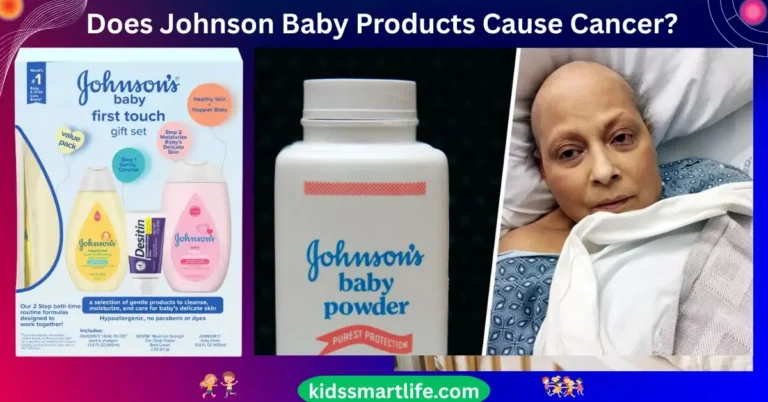
Learn How To Find The Best Baby Skincare Products For Winter with expert tips on ingredients, safety, and hydration. Click for mom-loved picks. Choose fragrance-free, ceramide-rich creams; patch-test; use gentle cleansing, humidifiers, and mineral sunscreen.
Winter can be harsh on delicate baby skin. If you want to know How To Find The Best Baby Skincare Products For Winter?, you are in the right place. As a pediatric skincare educator and parent, I have tested routines in real homes and clinics. This guide blends science, experience, and simple steps so you can shop with confidence and protect your baby’s skin all season.
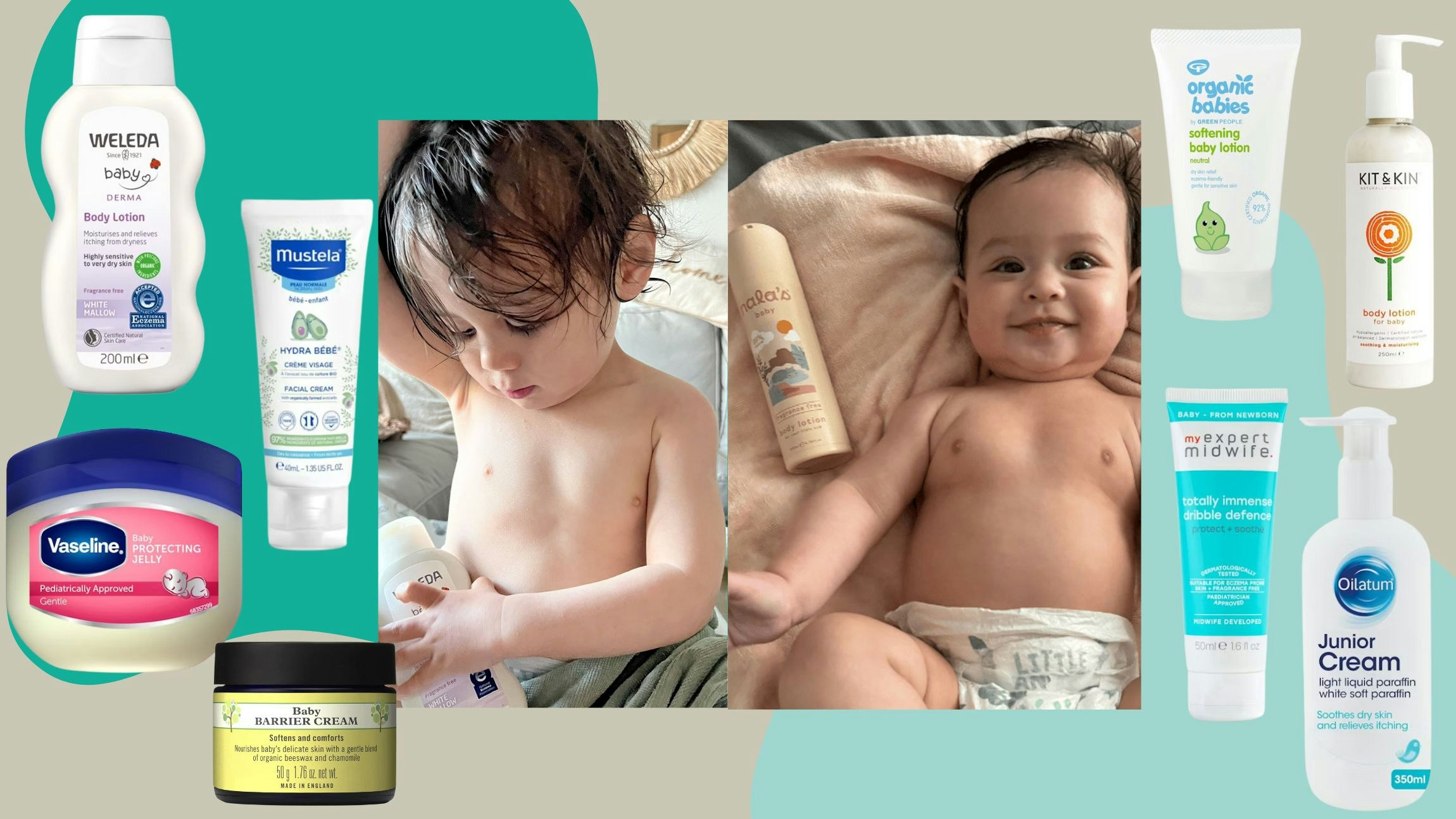
Why Baby Skin Struggles In Winter
Baby skin is thinner, loses water fast, and has a fragile barrier. Cold air outside and dry heat inside make that worse. The result is dry patches, redness, and more flare-ups of baby eczema.
If you ask How To Find The Best Baby Skincare Products For Winter?, start by learning how baby skin works. Once you know the problem, it is easier to match the right product to the job.
Key facts to know:
- Babies have a higher surface area to body weight ratio, so they lose moisture faster.
- Their natural oils are low, so the barrier needs help.
- Hot baths and strong soaps remove lipids and make dryness worse.
Do babies outgrow winter dryness?
Most do as their skin barrier matures. But some babies have sensitive skin or eczema that needs steady care each winter.
Is winter always bad for eczema?
Not always. Consistent moisture, gentle cleansing, and room humidity can prevent many flares. Early care is key.

A Fast Framework: How To Find The Best Baby Skincare Products For Winter?
Use this simple plan when you shop and test at home.
- Pick texture by climate: ointment for very dry cold, cream for everyday winter, lotion only if humidity is high.
- Choose fragrance-free, dye-free, and hypoallergenic labels.
- Look for barrier helpers: ceramides, cholesterol, and fatty acids.
- Add safe occlusives: petrolatum, dimethicone, and squalane to lock in water.
- Add humectants in balance: glycerin or hyaluronic acid, then seal with a cream or balm.
- Use mineral sunscreen for babies older than 6 months on exposed skin.
- Patch-test for two days before full use.
When people ask How To Find The Best Baby Skincare Products For Winter?, I share this checklist first. It saves time and avoids guesswork.

Ingredients That Actually Help In Cold, Dry Weather
Choose products with a smart mix of humectants, emollients, and occlusives.
- Humectants pull in water. Look for glycerin and hyaluronic acid. Use under a cream or balm.
- Emollients soften rough spots. Seek shea butter, sunflower seed oil, and jojoba oil.
- Occlusives lock in moisture. Petrolatum, beeswax, and dimethicone work well in winter.
- Barrier-repair lipids restore the baby’s skin. Ceramides, cholesterol, and fatty acids support the stratum corneum.
- Soothing agents calm redness. Oat extract, panthenol, and allantoin help sensitive skin.
- Gentle surfactants for cleansers. Coco-glucoside and decyl glucoside are kinder than sulfates.
Evidence tip: Studies show ceramide-dominant creams can improve dryness and eczema symptoms. Baby-safe mineral sunscreen with zinc oxide is advised for sun and snow glare after 6 months.
If you wonder How To Find The Best Baby Skincare Products For Winter, choose products with this trio: humectant, emollient, plus occlusive. That mix keeps water in and the barrier strong.
Are natural oils always better?
Not always. Some plant oils are great, like sunflower or squalane. Others, like essential oils, can irritate the baby’s skin.
Cream vs ointment: which one wins?
For deep winter, ointments trap water best. For daytime or mild cold, ceramide creams are a good balance.

Ingredients To Avoid Or Limit For Babies
Safety and simplicity matter more than fancy claims.
- Fragrance and perfume can trigger rashes. Unscented is not the same as fragrance-free.
- Essential oils, even lavender or tea tree, can irritate a baby’s skin.
- Harsh surfactants like SLS and SLES strip oils and can sting.
- Acids and actives like retinoids, AHAs, and BHAs are not for infants.
- Heavy botanical blends can be allergens.
- Preservatives are needed for safety, but strong ones like methylisothiazolinone are linked to allergies; pick gentler systems when possible.
Dermatology guidance notes: fragrance is a common contact allergen. For babies, less is more.
If you ask How To Find The Best Baby Skincare Products For Winter?, rule out these triggers first. It narrows the field to gentler, safer picks.
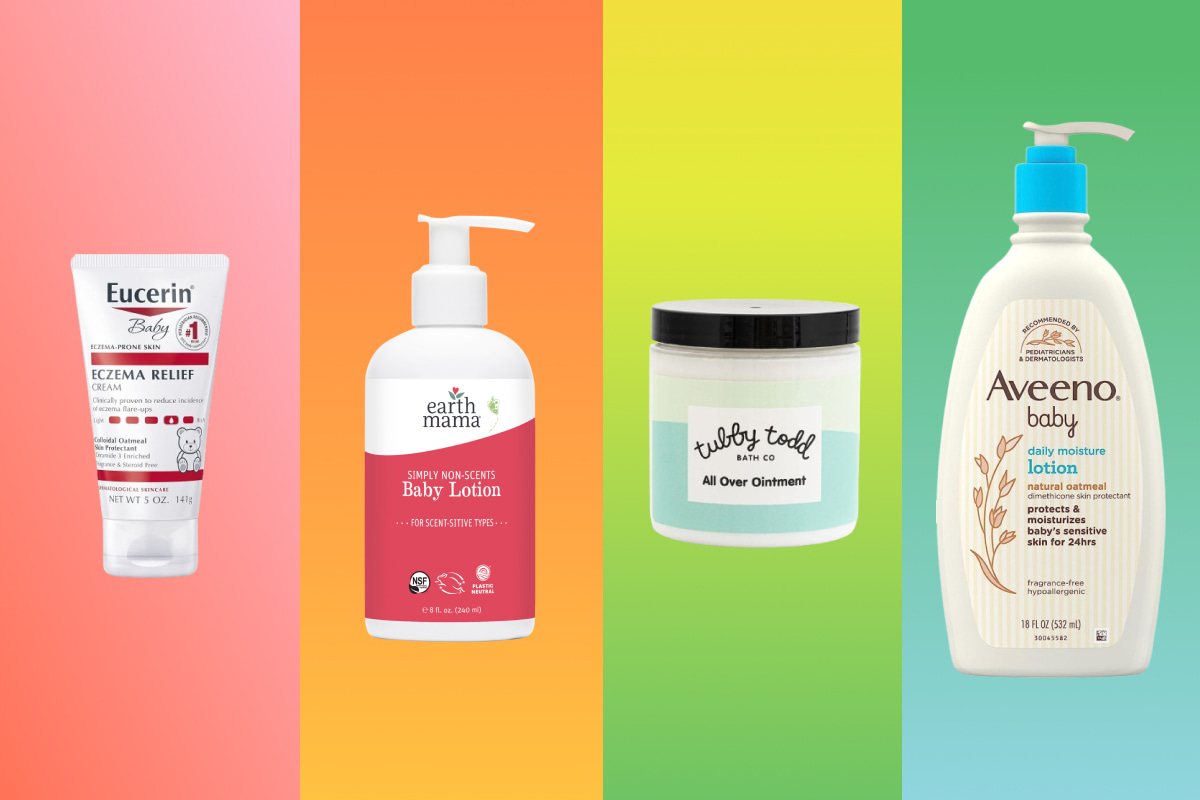
How To Read Labels And Certifications
Labels can be tricky. Here is how to decode them fast.
- Fragrance-free means no added scent. Unscented may include masking fragrance.
- Hypoallergenic suggests a lower allergy risk, but is not a guarantee.
- Dermatologist-tested is good, but look for baby-specific testing.
- National eczema seals can help, as they screen for known irritants.
- Short ingredient lists are often better for sensitive skin.
Scan the first five ingredients. That is where you will find water, glycerin, petrolatum, and key lipids. Marketing terms like clean or green do not prove safety.
When people ask How To Find The Best Baby Skincare Products For Winter?, I tell them to trust ingredient lists over hype. That is where truth lives.

Safe Testing, Daily Routine, And Application Tips
A gentle routine beats any single product.
Patch test steps:
- Apply a pea-sized amount to the baby’s inner arm.
- Wait 24 hours, then check for redness or bumps.
- If clear, use twice daily for a week. Then expand use.
Daily winter routine:
- Bath 5–10 minutes, lukewarm water, every other day if skin is very dry.
- Use a mild, sulfate-free cleanser only on soiled areas.
- Pat dry. Apply cream or ointment within 3 minutes to seal water.
- Use a balm on your cheeks before going outside.
- Apply mineral sunscreen on exposed skin for babies over 6 months.
Extra care tips:
- For eczema-prone spots, layer: humectant serum or gel, then ceramide cream, then ointment on top.
- For the diaper area, use a zinc oxide barrier at night.
- For lips and around the nose, dab a thin film of petrolatum.
If you ask How To Find The Best Baby Skincare Products For Winter?, pair smart products with a lock-in routine. The timing of the application matters as much as the jar.
How soon should I see results?
Mild dryness can improve in 2–3 days. Eczema patches may need 1–2 weeks with steady care, plus a clinician’s plan if severe.
Home And Lifestyle Fixes That Boost Results
Products work best with a baby-friendly environment.
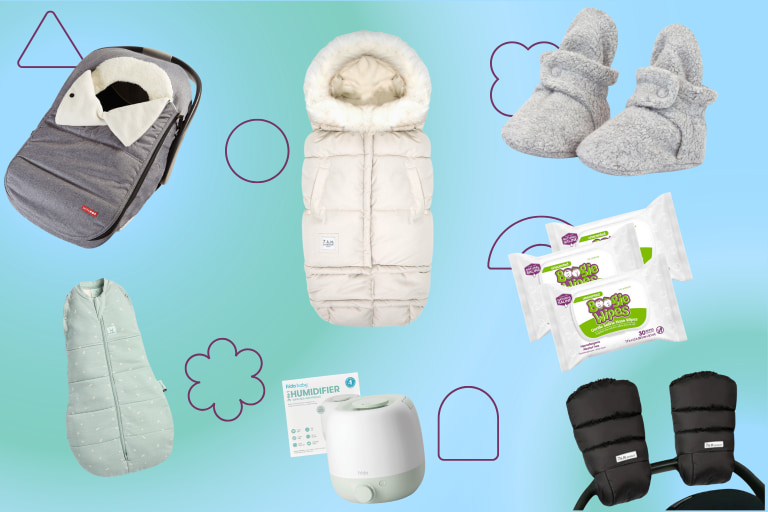
- Run a cool-mist humidifier in the nursery. Aim for 40–50% humidity.
- Keep baths short and warm, not hot.
- Dress your baby in soft cotton layers. Avoid scratchy wool on skin.
- Use fragrance-free laundry detergent. Skip fabric softeners.
- Limit long car-heater blasts on the face. Use a car seat cover, not blankets on the face.
If you wonder How To Find The Best Baby Skincare Products For Winter, do not skip humidity and fabric checks. They prevent dryness before it starts.
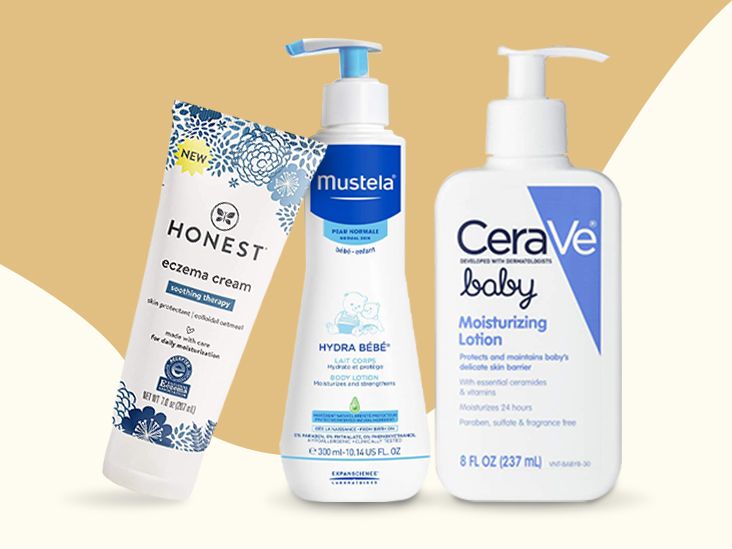
What To Buy: Product Categories And How To Choose
Build a small, strong kit. You need only a few items.
- Cleanser: Gentle, pH-balanced, fragrance-free. Surfactants like coco-glucoside are good.
- Daily moisturizer: Cream with glycerin plus ceramides and cholesterol. Use twice daily.
- Night balm: Petrolatum-based or beeswax blend for cheeks, chin, and dry patches.
- Sunscreen: Mineral, broad-spectrum, zinc oxide-based for babies older than 6 months.
- Diaper cream: Zinc oxide barrier, fragrance-free.
Buying tips:
- Choose pump or tube packaging to reduce contamination.
- Try travel sizes first. Watch how skin responds for 1–2 weeks.
- Keep one product change at a time to spot triggers fast.
When parents ask How To Find The Best Baby Skincare Products For Winter?, I suggest starting with a ceramide cream and a petrolatum balm. Most babies need nothing more.
Do budget products work?
Yes. The key is the formula, not the price. A simple petrolatum ointment can outperform fancy jars in deep winter.

Real-Life Notes From Practice
A mom brought her 7-month-old with chapped cheeks and a red chin each January. We cut baths to every other night, switched to a ceramide cream twice daily, and sealed the cheeks with a thin layer of petrolatum before stroller walks. We added a nursery humidifier and a gentle, fragrance-free detergent. In five days, the cheeks were smooth again.
Lessons learned:
- Fix the routine first, then the products.
- Use a balm before exposure, not only after damage.
- Change one thing at a time so you know what helps.
When families ask How To Find The Best Baby Skincare Products For Winter?, I share stories like this. Simple changes and steady care beat chasing new trends.
Budget, Availability, And When To See A Professional
You do not need a shelf of products. Two to four items can carry you through winter. Buy where you trust storage and turnover, like pharmacies or major retailers. Check expiration dates and keep lids tight.
See your pediatrician or a dermatologist if:
- There is oozing, crusting, or fever with a rash.
- Itching blocks sleep or feeding.
- Over-the-counter care has failed after two weeks.
If you are still asking How To Find The Best Baby Skincare Products For Winter?, a short clinic visit can tailor the plan. Expert guidance prevents long flare cycles.
Frequently Asked Questions on How To Find The Best Baby Skincare Products For Winter
How often should I bathe my baby in winter?
Aim for short baths every other day if skin is dry. On non-bath days, clean face, hands, neck folds, and diaper area with water.
Can I use coconut oil on my baby’s skin?
Pure coconut oil can work for some, but it may clog or irritate others. Start with a patch test and stop if redness appears.
Do babies need sunscreen in winter?
Yes, for babies over 6 months on exposed skin. Snow and water reflect UV, and clouds do not block all rays.
Is lotion enough for harsh winters?
Often not. Creams and ointments protect better because they have more oil and occlusives.
What if my baby hates greasy balms?
Use a light ceramide cream in the day and a thin balm only on hot spots at night. A small amount goes a long way.
Are fragrance-free wipes important?
Yes. Fragrance can irritate, and winter skin is already stressed. Choose water-based, fragrance-free wipes for sensitive skin.
How long should a product trial last?
Give it 7–14 days unless there is irritation. Change only one product at a time to see what works.
Conclusion
Winter baby skincare is simple once you know the path: gentle cleansing, smart moisture, steady protection, and a baby-friendly home. Now you know How To Find The Best Baby Skincare Products For Winter, from reading labels to testing and building a short daily routine. Start with a ceramide cream, add a petrolatum balm, keep baths warm and quick, and run a humidifier.
Try one change today. Watch the skin for a week. If this helped, share your results, subscribe for more trusted baby-care guides, or leave a question so I can help you dial in your winter routine.