How to help kids with learning difficulties? Start early, teach clearly, and support daily. I have spent years guiding families and teachers through this journey. In this article, I share proven steps on how to help kids with learning difficulties.
You will see what works, what to avoid, and how to build a simple plan that lasts. If you want real-world tools and a clear path, you are in the right place.
Source: abclawcenters.com
Understanding Learning Difficulties
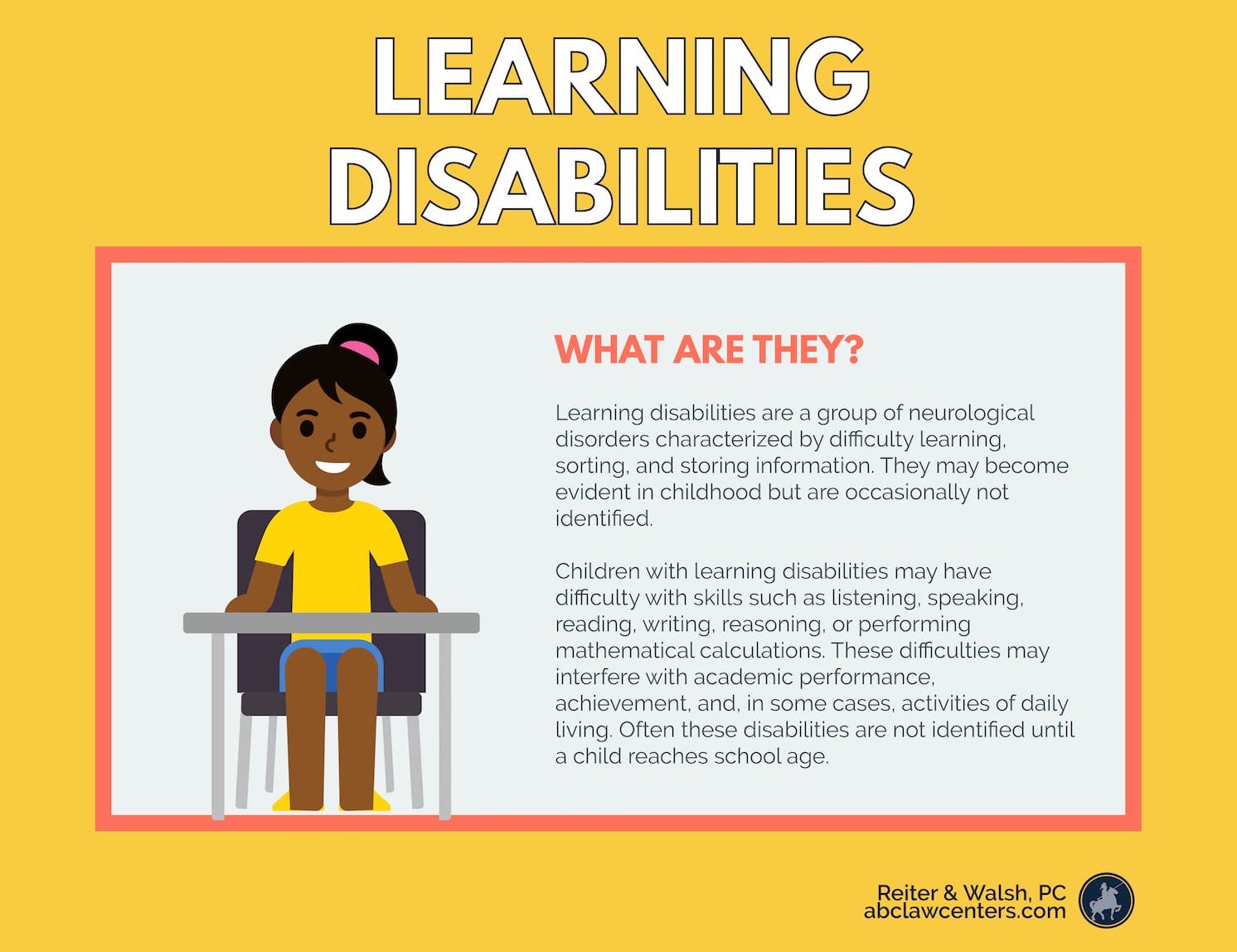
Learning difficulties are brain-based challenges that affect how a child takes in, stores, and uses information. Common types include dyslexia, dysgraphia, dyscalculia, language disorders, ADHD, and some forms of autism. These can affect reading, writing, math, attention, memory, and planning.
They do not reflect effort or intelligence. Many bright kids struggle due to weak phonemic awareness, working memory limits, or slow processing. With the right support, kids can learn well and thrive.
Here is a simple frame I use:
- What are the child’s strengths? Interests, talents, and values.
- What are the barriers? Skills, access, or environment.
- What supports will remove those barriers? Teaching, tools, and time.
If you ask how to help kids with learning difficulties, start with that frame. Keep the child’s voice at the center, and build from strengths.
Early Signs and Red Flags by Age
Early help gives the best results. Watch for these signs:
Preschool and kindergarten
- Trouble with rhymes, clapping syllables, or learning letter sounds.
- Mixes up words or cannot follow two-step directions.
- Fine motor delays or avoids drawing and cutting.
Grades 1 to 3
- Reads slowly or guesses words by shape or first letter.
- Trouble with number sense, counting back, or basic math facts.
- Writes very little, with poor spacing and letter formation.
Grades 4 and up
- Avoids reading or takes a long time to finish work.
- Trouble with planning, note-taking, and multi-step tasks.
- Strong verbal skills, but weak tests and essays.
If you see a pattern across settings, act. Ask the school for a screening or a full evaluation. Research shows early screening and structured help change long-term outcomes.

Source: equazen.com
How To Help Kids With Learning Difficulties? A Step-by-Step Plan
Here is a plan I use with families and schools:
- Define the need
- Gather data from school, home, and health records.
- Note strengths, interests, and goals.
- Get an evaluation
- Ask in writing for a school evaluation under IDEA or Section 504.
- Consider private testing if needed for detail and speed.
- Build the team
- Include caregivers, teachers, special educators, and therapists.
- Agree on who does what and when.
- Set clear goals
- Make goals specific and measurable.
- Example: Read CVC words with 95% accuracy in 8 weeks.
- Choose evidence-based methods
- Use structured literacy for reading.
- Use explicit, stepwise math teaching for number sense.
- Support access
- Use audiobooks, speech-to-text, and visual supports.
- Give extra time and reduce load where fair.
- Monitor and adjust
- Track weekly data on key skills.
- Change methods if growth stalls for four weeks.
PAA-style quick answers:
- What is the first step? Request a school evaluation and collect data at home.
- How long until I see progress? Many kids show gains in 6 to 12 weeks with daily practice.
- Who should lead? A case manager helps, but the family voice drives the plan.
Use this plan when you ask how to help kids with learning difficulties. Keep it simple, kind, and steady.

Source: amazon.com
Home Strategies That Work
Daily, short, focused practice wins. Here are the methods I use at home sessions:
Reading and language
- Phonemic awareness games: blend and segment sounds for 5 minutes.
- Structured literacy: teach sound-symbol links and syllable types.
- Read aloud daily. Use paired reading and ask simple recall questions.
Math
- Build number sense with dots, blocks, and number lines.
- Teach facts with strategy, not speed drills only.
- Use real-life math in cooking and shopping.
Writing and spelling
- Teach letter formation and spacing with short drills.
- Use sentence frames and graphic organizers.
- Practice spelling with sound mapping and word sums.
Executive function
- Use a visual schedule and one task at a time.
- Break work into tiny steps with checklists.
- Use timers, movement breaks, and a calm study spot.
Mindset and habits
- Praise effort and strategy, not speed.
- Keep sessions short and end on a win.
- Track wins on a simple progress chart.
This is how to help kids with learning difficulties at home without stress. Small steps, every day.

Source: saguaroaquatics.com
School Supports That Stick
Ask for targeted help in school:
Instruction
- Use explicit, systematic teaching with clear models and guided practice.
- Provide pre-teaching and reteaching on key skills.
Accommodations
- Extra time, reduced distractions, and chunked tasks.
- Audiobooks, note templates, and calculators are fair.
- Alternate ways to show learning, like oral responses.
Plans and programs
- RTI or MTSS tiers for early help.
- 504 plans for access supports.
- IEPs for special education services and goals.
Collaboration
- Ask for a monthly check-in on data.
- Share what works at home.
- Keep feedback short and kind to build trust.
When you ask how to help kids with learning difficulties in school, the answer is a strong plan, clear data, and teamwork.

Source: amazon.com
Building Core Skills: Reading, Math, Writing, and Executive Function
Reading
- Use structured literacy with multisensory techniques.
- Teach decoding, fluency, vocabulary, and comprehension in balance.
- For older kids, add morphology to grow word power.
Math
- Start with concrete tools, move to pictures, then symbols.
- Teach problem types with simple steps and models.
- Spiral review to lock in skills.
Writing
- Plan, draft, and revise with checklists.
- Teach sentence types and text structure.
- Use speech-to-text to get ideas out, then edit.
Executive function
- Use visual plans, color codes, and timers.
- Teach how to plan backward from a due date.
- Practice self-talk and simple reflection after tasks.
This is the heart of how to help kids with learning difficulties. Teach the skill, reduce the barrier, and give time to practice.
Source: lexercise.com
Emotions, Behavior, and Confidence
Struggle hurts. Many kids feel shame or anxiety. Care comes first.
- Normalize the challenge. Say, your brain learns in a different way, and that is okay.
- Use strengths for buy-in. Let interests lead reading and projects.
- Teach coping. Use breathing, breaks, and simple scripts.
- Use positive behavior supports. Catch the good and name it.
- Watch for mood shifts. Seek counseling if worry or sadness grows.
Research shows that strong relationships boost learning. When we ask how to help kids with learning difficulties, we must care for the heart as much as the skill.

Source: amazon.com
Working With Specialists and Getting an Evaluation
Who can help
- School psychologist tests for learning and attention.
- A speech-language pathologist treats language and social communication.
- An occupational therapist supports fine motor and sensory needs.
- Reading and math specialists deliver targeted instruction.
- A pediatrician or neurologist rules out medical issues.
Testing basics
- Cognitive and academic tests show patterns, not labels alone.
- Language, attention, and memory tests show why skills lag.
- Use results to pick methods, not to limit hope.
Ask for clear, plain next steps. When used well, testing tells us how to help kids with learning difficulties in a precise way.

Source: youtube.com
Tools and Technology That Boost Access
Assistive technology levels the field:
- Reading: audiobooks, text-to-speech, screen readers.
- Writing: speech-to-text, word prediction, grammar aids.
- Math: virtual manipulatives, calculators, step-by-step apps.
- Executive function: visual timers, task apps, reminders.
Pick the tool that removes the barrier. Train the child and the team. Track use and impact. Tech is a key lever in helping kids with learning difficulties.
Culture, Family, and Advocacy
Culture shapes help-seeking. So listen first. Use the family’s language and values. Honor holidays, routines, and caregiving roles.
Advocacy steps I teach parents:
- Keep a simple binder with tests, emails, and goals.
- Put requests and agreements in writing.
- Bring a friend or advocate to meetings.
- Ask for data, not just grades.
Strong advocacy is part of helping kids with learning difficulties. It keeps services on track and respects high.
Track Progress and Adjust
Data gives hope when it shows growth. It also guides change.
- Pick one to three key measures, like words read per minute.
- Check weekly or biweekly.
- Graph it. A simple line shows if the plan works.
- If growth is flat for four weeks, adjust time, method, or group size.
This is the engine behind how to help kids with learning difficulties. Test, teach, check, and tune.
Pitfalls to Avoid
I have made some of these mistakes. You can skip them.
- Waiting for kids to catch up without targeted help.
- Using programs with no evidence.
- Pushing speed drills when accuracy is weak.
- Skipping access tools while skills are still low.
- Forgetting joy. Play and curiosity drive effort.
Avoiding these traps is part of helping kids with learning difficulties with care and skill.
Frequently Asked Questions on How To Help Kids With Learning Difficulties?
What is the difference between a learning difficulty and a learning disability?
A learning disability is a diagnosis with legal meaning for school services. A learning difficulty is a broader term for any challenge with learning tasks.
How do I request a school evaluation?
Write a short letter or email to the principal or special education lead. Ask for a full evaluation and sign consent forms.
Can my child outgrow a learning difficulty?
Brains grow, and skills improve with practice and support. The challenge may remain, but smart teaching and tools reduce its impact.
How much practice should we do at home?
Aim for 15 to 30 minutes a day, five days a week. Keep it short, focused, and end with a win.
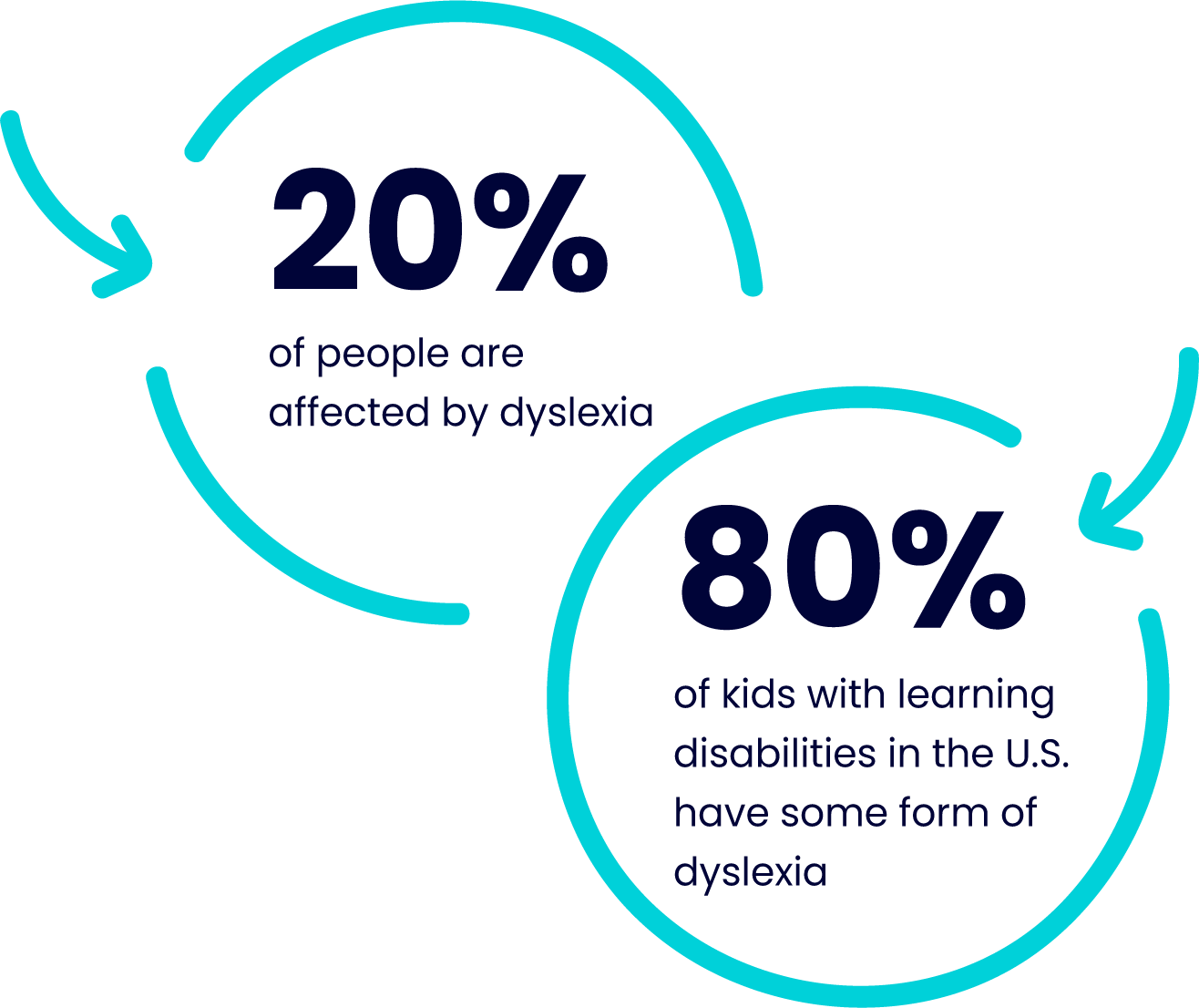
Which reading approach works best for dyslexia?
Structured literacy with explicit, systematic instruction has the best support. It teaches sounds, patterns, and meaning in a clear sequence.
Conclusion
Helping a child learn well is a team sport. Start early, use evidence-based teaching, add the right tools, and track steady growth. Keep the heart safe and the wins clear.
If you ever wonder how to help kids with learning difficulties, return to the plan: define needs, teach clearly, support access, and measure progress. Try one strategy this week. Then add one more next week.
Want more guides like this? Subscribe, share your questions, or leave a comment so we can help together.