Make home learning exciting with games, routines, and screen-free ideas. How To Make Learning Fun For Kids At Home? Get quick wins parents can use today. Use play, choice, movement, and real-life tasks to teach every day.
As a former teacher and learning designer, I know attention is earned, not demanded. This guide shows How To Make Learning Fun For Kids At Home with proven strategies, simple setups, and real examples you can use today. You will find step-by-step ideas, tools, and a plan you can trust.
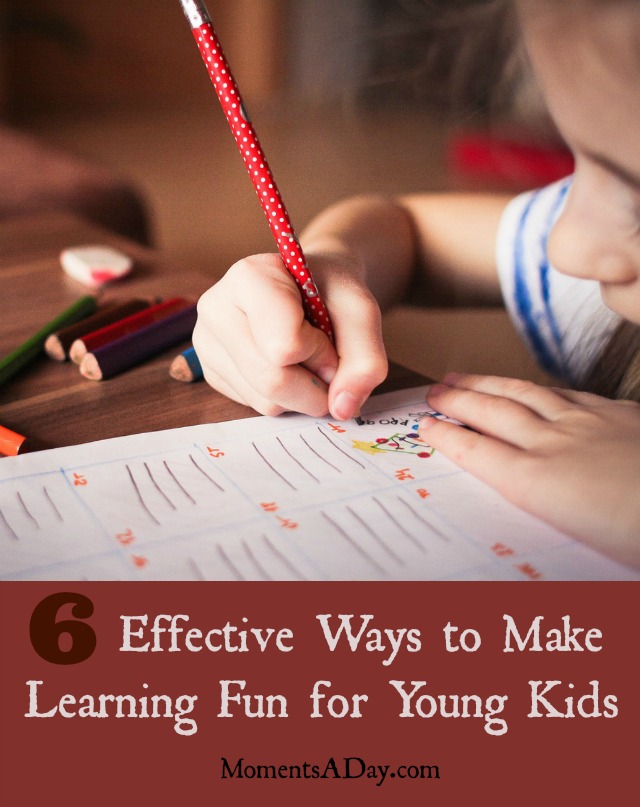
Source: momentsaday.com
What Makes Learning Fun at Home
Fun learning blends curiosity, challenge, and success. It works when kids feel safe, seen, and in charge of small choices. It also uses play and projects, not only worksheets.
Research shows that choice, movement, and quick wins build attention. Short tasks, clear goals, and feedback matter. When you ask How To Make Learning Fun For Kids At Home?, think like a coach. Set the stage, then guide the play.
The goal is not chaos. It is structured with joy. Plan a few focused blocks. Add games, stories, and hands-on work. Repeat. This makes How To Make Learning Fun For Kids At Home? both simple and sustainable.
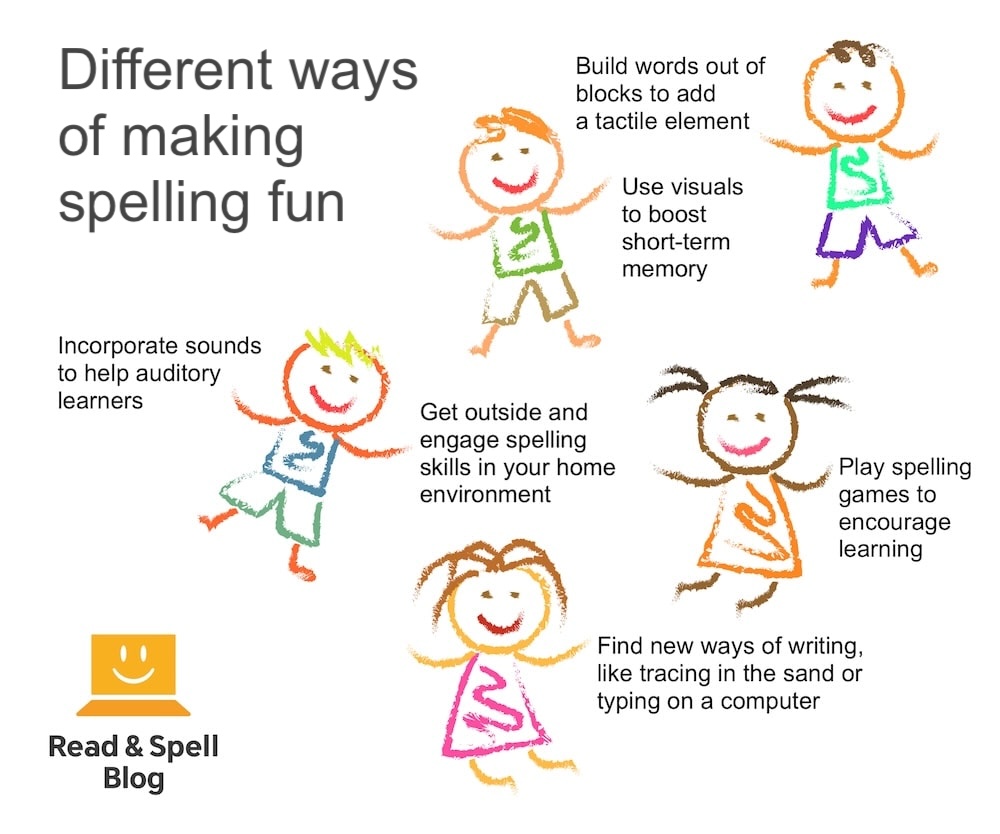
Source: readandspell.com
Set Up a Play-Based Learning Environment
A good space lowers stress and invites thinking. It does not need to be perfect. It needs to be clear, calm, and stocked with tools kids can reach.
Try this simple setup:
- A small table or floor mat is the work zone. Keep it tidy and well-lit.
- Open bins with labels for books, art, blocks, puzzles, and science kits.
- A movement corner with a yoga mat, jump rope, or balance board.
- A choice board on the wall with three to five options for the day.
Time matters too:
- Use short blocks. Fifteen minutes for young kids, twenty to thirty for older kids.
- Start with an easy win. End with a fun pick.
- Keep a visual timer so kids can see the time left.
From my home sessions, I learned one thing fast. If the materials are ready and the next step is clear, kids begin on their own. That is the quiet magic behind How To Make Learning Fun For Kids At Home?.

Source: mothercould.com
Strategies by Age Group
Each age learns best in different ways. Match the method to the moment.
Toddlers and preschoolers
- Use sensory play with rice, water, sand, or playdough.
- Sing, rhyme, and act out stories with toys.
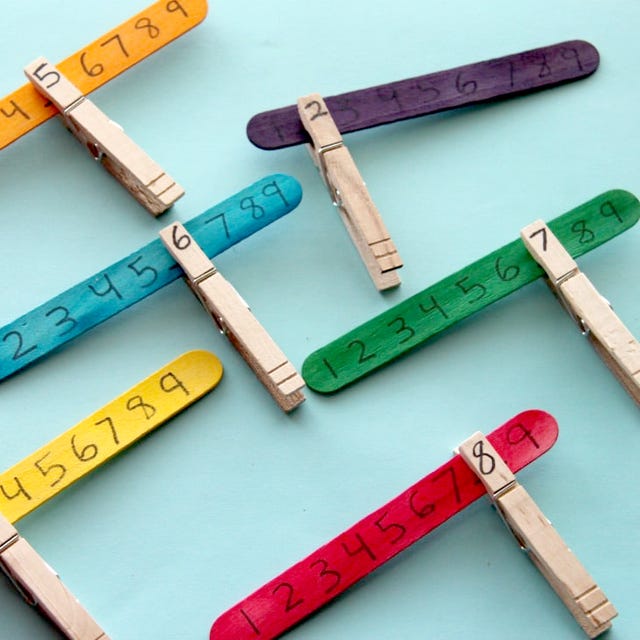
- Sort buttons by color or size to build early math.
Early elementary
- Turn chores into missions. Count, sort, and measure.
- Read aloud daily. Pause and predict what comes next.
- Use math with dice, cards, and cooking.
Upper elementary
- Start maker projects. Build bridges with craft sticks or LEGO.
- Use simple research tasks. Ask a question, find three facts, and draw a poster.
- Track goals with stickers or points that unlock choices.
Tweens
- Let kids teach you. Flip the script and let them lead a mini-lesson.
- Use real tools. Budget a snack stand. Edit a video. Code a tiny game.
- Add reflection. What went well? What will you try next?
These age-tuned choices answer How to Make Learning Fun For Kids At Home? without guesswork.
Source: goodhousekeeping.com
Make Core Subjects Fun
You can cover reading, math, science, and writing with play and real use. Here are tested ideas I use with families.
Reading and language
– Read aloud with voices. Kids choose the book. You choose a skill focus.
- Word hunts. Find words with a target sound around the house.
- Story dice. Roll to pick a character, place, and problem. Then write or act.
Math
- Card and dice games for number sense and facts.
- Kitchen math. Halve a recipe. Convert cups to ounces.
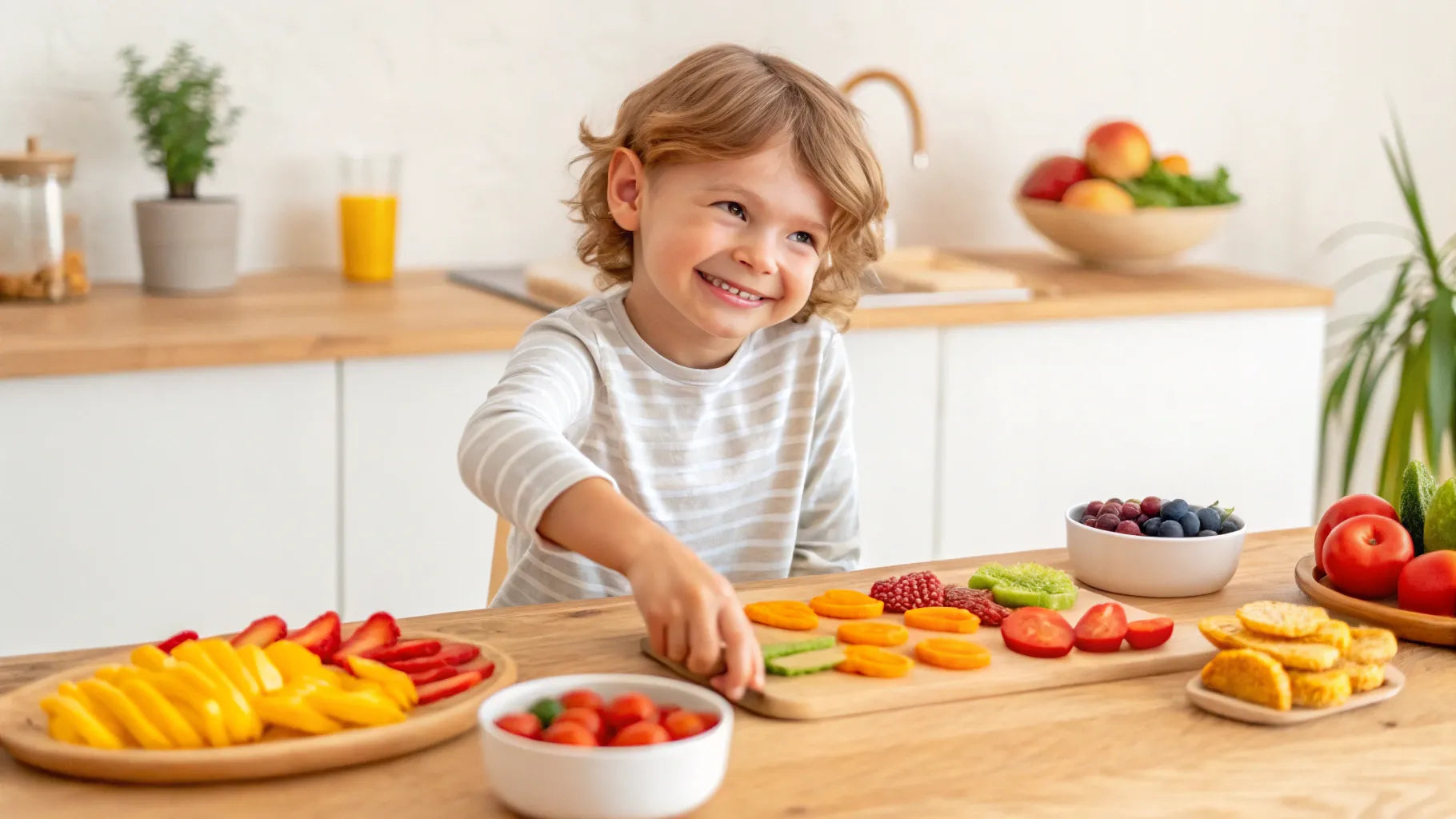
- Build arrays with snacks. Twelve grapes in rows of three and four.
Science
- Kitchen chemistry. Vinegar and baking soda. Track what happens and why.
- Nature walks. Sketch, label, and classify leaves or rocks.
- Mini-experiments. Change one thing at a time. Record a simple chart.
Writing
- Choice journals. Lists, comics, letters, or short reports.
- Build a tiny book with folded paper. Share it at dinner.
- Peer audience. Send a note to a grandparent or neighbor.
Art and music
- Copy the style of a favorite artist with markers and tape.
- Rhythm cups. Tap patterns and count beats.
- Sound stories. Add homemade sound effects to a read-aloud.
When you ask How To Make Learning Fun For Kids At Home?, think cross-subject. One project can hit many skills at once.

Source: makoons.com
Use Everyday Life as a Classroom
Daily life is a lab. You can use errands, meals, and play to teach without pressure.
Cooking
- Read a recipe, set a budget, and measure.
- Practice fractions and sequencing.
Shopping
- Compare prices, unit sizes, and deals.
- Create a list. Sort by store section for planning skills.
Nature and home care
- Track plant growth with photos and notes.
- Assign jobs with checklists for executive function.
Money and time
- Give a small allowance. Log spend and save decisions.
- Plan a party. Set a schedule and cost it out.
This is the heart of How To Make Learning Fun For Kids At Home?. Kids see why skills matter.
Source: imthecheftoo.com
Motivation That Lasts: Gamification, Choice, and Mindset
Games work because they set goals, give feedback, and allow retries. Bring that home.
Use light gamification
- Points, levels, and badges for effort and practice.
- Boss battles. A fun quiz at the end of the week.
Protect choice and autonomy
- Two good options beat one command.
- Let kids pick the order, tool, or partner.
Teach a growth mindset
- Praise the process, not talent. Say, you used a new strategy.
- Model mistakes. Show how you fix them.
I learned to stop bribing with big rewards. Small, quick wins and real choice kept momentum high. That shift transformed How To Make Learning Fun For Kids At Home?.
Source: yourkidsot.com
Use EdTech Wisely Without Overload
Screens can help, but balance is key. Aim for quality, not hours.
Smart rules
- Use apps that ask kids to create, not only consume.
- Pair screen time with off-screen tasks. Read on a tablet, then act it out.
- Keep privacy in mind. Use child profiles and limits.
High-value activities
- Short math practice with adaptive feedback.
- Audio books for long drives or quiet time.
- Coding puzzles and simple video editing.
Research suggests short, focused tech use boosts learning. Long passive watching does not. Keep this in mind when planning How To Make Learning Fun For Kids At Home?.
A Simple Weekly Plan You Can Stick To
Planning makes fun repeatable. Use a bare-bones template.
Daily rhythm
- Warm-up. Five minutes of movement or a brain teaser.
- Core block. Reading or math for fifteen to thirty minutes.
- Choice block. Project, art, science, or a game.
- Wrap-up. One-minute reflection. What did I learn?
Weekly map
- Monday. New skill plus easy project start.
- Tuesday to Thursday. Practice and build.
- Friday. Share, quiz game, and celebrate.
Use a whiteboard. Keep it visible. This steady rhythm is how I sustain How To Make Learning Fun For Kids At Home? through busy weeks.
Measuring Progress Without Pressure
You can track growth without tests that cause stress.
Try these light tools
- Checklists for skills. Date when you see them used.
- A work portfolio with photos and samples.
- Exit tickets. One question or one drawing to show learning.
Use short data to guide your next step. If a task is too hard, shrink it. If too easy, add a twist. This keeps How To Make Learning Fun For Kids At Home? right-sized and kind.
Troubleshooting: Common Roadblocks And Fixes
Quick PAA-style answers to help you pivot fast.
What if my child refuses to start?
- Offer two choices and a tiny first step. Use a timer and a clear end.
What if attention fades after five minutes?
- Switch modes. Stand, move, draw, or build. Keep tasks bite-sized.
What if I work from home and have no time?
- Use micro-sessions. Breakfast read-aloud, car math, bath-time science talk.
How do I handle siblings of different ages?
- Same theme, different roles. One reads, one draws, one builds.
These simple pivots keep How To Make Learning Fun For Kids At Home? on track.
Frequently Asked Questions on How To Make Learning Fun For Kids At Home?
How many minutes should kids learn at a time?
Young kids do best with ten to fifteen minutes per task. Older kids can handle twenty to thirty minutes with short breaks.
What if I am not a teacher?
You do not need to be. Use clear steps, short tasks, and tools that guide you.
How can I help a child who hates reading?
Start with high-interest topics and read aloud together. Use comics, audiobooks, and short wins.
How do I motivate without bribes?
Offer choice, track effort, and celebrate small goals. Use points or badges that unlock privileges, not candy.
What low-cost materials should I buy first?
Index cards, markers, dice, tape, measuring cups, and a deck of cards. Add a library card, and you are set.
How do I teach multiple kids at once?
Pick one theme and vary the task level. Rotate roles so everyone feels important.
How can I balance screens and hands-on play?
Set clear limits and pair screen tasks with real work. Keep tech sessions short and focused.
Conclusion
You can make home a place where learning feels natural, active, and fun. Start small, pick two ideas, and build a steady rhythm. Use choice, games, and real-life tasks, and you will master How To Make Learning Fun For Kids At Home? in a way that fits your life.
The next step is simple. Choose one strategy from this guide and try it today. Share what worked, ask a question, or subscribe for more step-by-step plans.