How To Use Digital Thermometer For Babies? Learn the correct and safe way to check your baby’s temperature using a digital thermometer. This complete guide explains step-by-step methods, rectal, oral, and underarm temperature tips, fever signs in infants, and essential baby health care advice for parents.
Clean the tip, choose the right method, and follow the beep for an accurate reading. Parents often ask how to use a digital thermometer for babies, and the right steps can feel unclear at 2 a.m.
I’ve guided many families through fever checks, and this article explains how to use a digital thermometer for babies with calm, clear steps, professional tips, and safety notes you can trust.

Source: amazon.com
Why an accurate baby temperature matters
A fever is not an illness. It is the body’s alert system. In babies, even small changes can matter, so accuracy is key.
Most pediatric guidelines define fever as 100.4°F (38°C) or higher by rectal reading. This is the gold standard for infants under 3 months. Many parents search “How To Use Digital Thermometer For Babies?” because the technique changes by age and method. You will learn each method and when to use it.
Fever helps fight germs, but young babies need closer watch. Correct use prevents false highs or lows that can lead to worry or delay.

Source: saracarestore.com
Thermometer types and best methods by age
Digital thermometers come in a few forms. The “best” method depends on age and situation.
- Rectal digital thermometer. Most accurate for infants. Preferred for babies under 3 months.
- Temporal artery (forehead) thermometer. Fast and gentle. Works well if the skin is dry and the device is high-quality.
- Tympanic (ear) thermometer. Useful after 6 months. The ear canals in young infants are small, which lowers accuracy.
- Axillary (armpit) reading using a standard digital thermometer. Easy, but less accurate. Use for screening, then confirm rectally if needed.
- Oral thermometer. Avoid in babies and toddlers who cannot hold it still.
If you wonder How To Use Digital Thermometer For Babies, start by matching the method to your child’s age. Then follow the steps below.
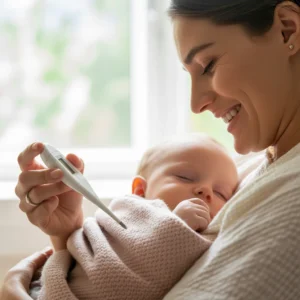
Step-by-step: How To Use Digital Thermometer For Babies?
Clean hands. Keep your baby calm. Read your device’s manual. Then follow the right method.
General prep for any method
- Make sure your baby is calm and not just crying hard.
- Wait 15 minutes after a warm bath or heavy blankets.
- Dry sweaty skin for forehead or armpit readings.
- Clean the probe with alcohol or soap and water. Dry it.
- Turn on the thermometer and check the battery icon.
Rectal method (most accurate for infants)
- Place your baby on the back with knees bent, or on the tummy across your lap.
- Apply a small dab of petroleum jelly to the tip.
- Gently insert 0.5 inch in newborns, up to 1 inch in older infants.
- Hold the thermometer steady until it beeps.
- Remove, read the number, and note the time.
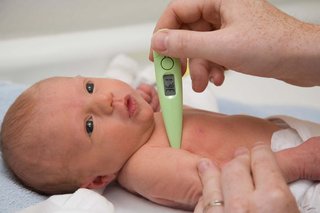
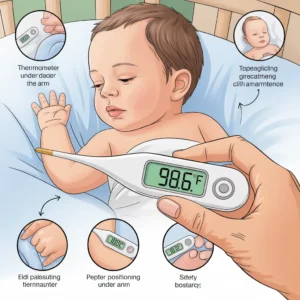
Armpit method (screening)
- Make sure the armpit is dry.
- Place the tip in the center of the armpit. Lower the arm to hold it tight.
- Keep the arm pressed to the side until the beep.
- Read the number. If fever is suspected, confirm with a rectal check.
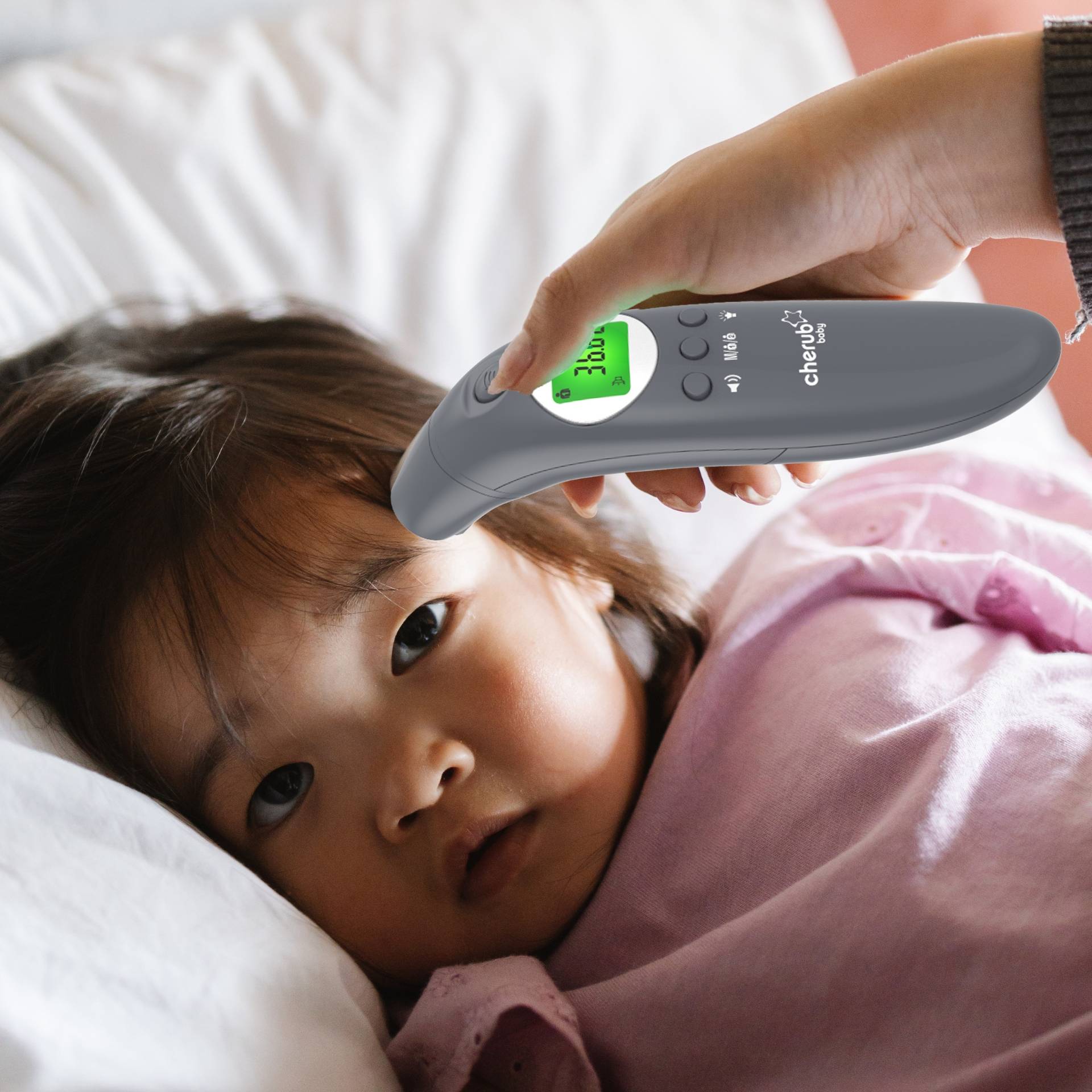
Temporal artery method (forehead)
- Ensure the forehead is dry and clean.
- Place the sensor in the center of the forehead. Press the button.
- Slide slowly across to the hairline, then behind the earlobe if your model says so.
- Release and read. If your baby is sweaty, use a rectal check instead.
Ear method (generally after 6 months)
- Use a clean probe cover. Gently pull the ear back and down for infants.
- Aim toward the opposite eye. Insert just enough to seal.
- Press the button and wait for the beep.
- Read. If the reading seems off, switch to rectal.
Mastering how to use a digital thermometer for babies? means choosing the right method and using a steady hand. Practice a few times when your baby is well, so you feel ready during illness.
Source: nhs.uk
What the number means: ranges, fever, and when to call
Here is how to read and act on the result.
- Fever threshold. 100.4°F (38°C) or higher by rectal is fever in infants.
- Normal ranges vary by method. Rectal runs slightly higher than oral. Axillary runs lower than rectal.
- Under 3 months. Call your pediatrician for any rectal fever of 100.4°F (38°C) or higher.
- 3 to 6 months. Call for 102°F (38.9°C) or higher, or any fever with poor feeding, trouble breathing, rash, or lethargy.
- 6 to 24 months. Call for 102°F (38.9°C) or higher lasting more than 24 hours, or sooner if your child looks unwell.
Go to urgent care or the ER if your baby has a stiff neck, blue lips, seizures, nonstop crying, severe dehydration, or trouble breathing. When parents ask How To Use Digital Thermometer For Babies?, they also need to know when action is urgent. Keep your doctor’s number handy.
Source: com.au
Safety, hygiene, and accuracy tips
Safe, clean use keeps your readings true and your baby safe.
- Clean the tip before and after each use. Use 70% alcohol or mild soap and water. Do not submerge the device.
- Use probe covers if your model allows. Change covers between uses.
- Do not use mercury thermometers. Digital is safer and faster.
- Use lube only for rectal checks and only a tiny amount.
- Avoid forehead or ear checks right after a bath, heat pack, or heavy hat.
- Replace batteries when the screen dims or reads erratically.
- Keep a dedicated rectal thermometer. Label it “rectal” to avoid mix-ups.
Accuracy depends on technique. If you keep asking How To Use Digital Thermometer For Babies?, repeat the steps and compare methods when calm. Trust the rectal reading if methods disagree.

Source: babygooroo.com
Common mistakes and easy fixes
Small errors lead to big swings in readings. Here is how to avoid them.
- Inserting the rectal probe too shallow or too deep. Aim for 0.5 to 1 inch based on age.
- Loose armpit placement. Keep the arm snug against the body.
- Forehead scan over hair, sweat, or hat marks. Skin must be clean and dry.
- The ear tip is not aimed at the eardrum. Gently pull the ear back and down in infants.
Quick PAA-style answers
- Why is my baby’s forehead thermometer reading low? Sweat cools the skin and confuses infrared sensors. Dry the skin and retry, or use a rectal check.
- How long should I wait before retaking a temperature? Wait 5 to 10 minutes if your baby is calm. For a different method, you can check right away.
- Can teething cause a fever? Teething can raise temperature slightly, but not above 100.4°F (38°C). A true fever needs another cause and deserves attention.
If you are still unsure How To Use Digital Thermometer For Babies?, pick one method and practice it until it feels natural.
:max_bytes(150000):strip_icc()/prt-munchkin-mini-thermometer-21-55beb9483ab84a5da7caafd27163f854.jpeg)
Source: parents.com
Pro tips from the nursery and night shift
These field-tested tips come from helping many new parents.
- Prep at bedtime. Keep the thermometer, lube, and alcohol wipes in one bag.
- Do a “practice run” when your baby is well. It builds confidence.
- Use a song or soft shushing. Calm babies give cleaner readings.
- Recheck once if a result seems off. If it still feels wrong, switch to rectal.
The strongest lesson I’ve learned about How To Use Digital Thermometer For Babies? Keep it simple, gentle, and consistent. Your calm mood helps your baby stay still.

Source: philips.com
Buying guide: choosing the right digital thermometer
Not all devices are equal. Look for features that help with babies.
- Fast read time. Under 10 seconds lowers wiggles and errors.
- Flexible tip. Gentler for rectal or axillary use.
- Backlit screen and loud beep. Useful for night checks.
- Memory and age-adjusted fever indicator. Helps track trends.
- Reliable brand and FDA-cleared claims. Avoid products with vague specs.
- Spare batteries and probe covers. Convenience matters at 3 a.m.
If your main concern is How To Use Digital Thermometer For Babies?, start with a basic, accurate rectal model. Add a temporal or ear device later for quick daytime checks.

Source: frida.com
Aftercare: tracking, comfort, and next steps
A single number is a snapshot. Trends tell the story.
- Log each reading. Note time, method, and symptoms.
- Dress light. Offer small, frequent fluids unless your doctor says otherwise.
- Ask your pediatrician before giving fever reducers to young infants.
- Recheck every 4 to 6 hours, or sooner if your baby looks worse.
- Share your log during visits or telehealth calls.
A clear system turns How To Use Digital Thermometer For Babies? into a calm routine. You will spot patterns and act early.
Frequently Asked Questions on How To Use Digital Thermometer For Babies?
What is the most accurate way to take a baby’s temperature?
For infants under 3 months, a rectal digital reading is most accurate. Temporal or ear readings can help later, but confirm with rectal if results do not fit symptoms.
Can I use an ear thermometer for a newborn?
It is not recommended. The ear canal is small, which makes readings less reliable in young infants.
How often should I check my baby’s temperature when sick?
Check every 4 to 6 hours if your baby is stable. Check sooner if symptoms rise, your baby is very fussy, or looks unwell.
Do I add a degree for armpit readings?
No need to add a set amount. Axillary readings tend to run lower, so confirm fever with a rectal check.
When should I call the doctor for a fever?
Call for any rectal reading of 100.4°F (38°C) or higher in babies under 3 months. For older infants, call for 102°F (38.9°C) or higher, or any fever with worrying symptoms.
Conclusion
Using a digital thermometer well is a small skill with a big impact. Choose the right method, follow clean steps, and trust rectal checks in young babies. Keep a log, watch your child, and call your pediatrician when thresholds are met.
Put this guide into practice today. Set up your thermometer kit, do a calm practice run, and save this page. If this helped, share it with a friend, subscribe for more baby care guides, or leave a question in the comments.