Is Glow Recipe Safe For Kids Skin? Get expert guidance, ingredient red flags, and age-safe routines to help parents choose gentle products. Glow Recipe is generally not ideal for young kids; simple, fragrance-free care is safer. Parents and caregivers want the best for delicate skin.
I have tested routines, read ingredient labels, and spoken with pediatric derms to cut through hype. If you have wondered, Is Glow Recipe Safe For Kids’ Skin?, this guide gives a clear, evidence-based answer with real-world tips you can trust.

Source: glowrecipe.com
What is Glow Recipe, and how does it differ from kids’ skincare?
Glow Recipe is a popular skincare brand known for fruit-forward formulas, glossy packaging, and strong actives like acids and vitamin C. The line is designed for adult skin goals such as glow, pore care, and dark spot repair. That is different from what most kids need day to day.
Kids’ skin has a thinner barrier and loses water faster. It also reacts more to fragrance and strong acids. The safest kid routines focus on barrier care, not exfoliation or brightening.
Parents ask, Is Glow Recipe Safe For Kids’ Skin?, because social media makes these products look gentle and fun. The look is playful, but the formulas are made for adult skin needs.

Source: glowrecipe.com
Is Glow Recipe Safe For Kids’ Skin?
Short answer with nuance: for most children under 12, no. Most Glow Recipe products include fragrance or actives that are too strong for young skin. For tweens and teens, selective and careful use may be fine with patch testing and guidance.
Kids do not need exfoliating acids, retinoid-like ingredients, or skin-brightening treatments. Their skin barrier is still maturing. When families ask me, Is Glow Recipe Safe For Kids Skin?, I recommend sticking with a basic, fragrance-free routine unless a clinician suggests otherwise.
If you decide to try anything, choose the most gentle item, use it rarely, and watch the skin closely. Ask yourself again, Is Glow Recipe Safe For Kids Skin?, before adding any step beyond cleanser, moisturizer, and sunscreen.

Source: glowrecipe.com
Key ingredient analysis for kids’ skin
Here is how common Glow Recipe-style ingredients land for children:
- Fragrance and essential oils: Fun scents can irritate sensitive skin and trigger dermatitis.
- AHAs and BHAs such as glycolic, lactic, or salicylic acid: Effective for adults, but can sting and disrupt the barrier in kids.
- PHA and fruit enzymes: Often marketed as gentle, yet still exfoliating, and can cause redness.
- Vitamin C and low-pH serums: May tingle and irritate; not essential for children’s skin.
- Retinoids or retinoid alternatives: Not needed for kids; better kept for teen acne under guidance.
- Niacinamide: Usually gentle and helpful, but watch for added fragrance.
- Hyaluronic acid and ceramides: Hydrating and barrier-supportive; safest of the group when fragrance-free.
A core question keeps coming up: Is Glow Recipe Safe For Kids Skin? Many formulas use several actives at once, which raises the risk for a young barrier.

Source: glowrecipe.com
Skin types and common concerns in kids
Children’s skin needs are simple. Most do well with gentle cleansing, steady moisture, and daily sunscreen.
- Normal to dry skin: Use a mild cleanser and a ceramide-rich moisturizer.
- Sensitive or eczema-prone skin: Choose fragrance-free, dye-free, and short ingredient lists.
- Pre-teen oiliness or blackheads: Consider a gentle, low-strength salicylic cleanser a few times a week, but ask a clinician first.
Is Glow Recipe Safe For Kids Skin? Not for most kids with sensitive or eczema-prone skin. Even “natural” fruit extracts can trigger flares.

Source: glowrecipe.com
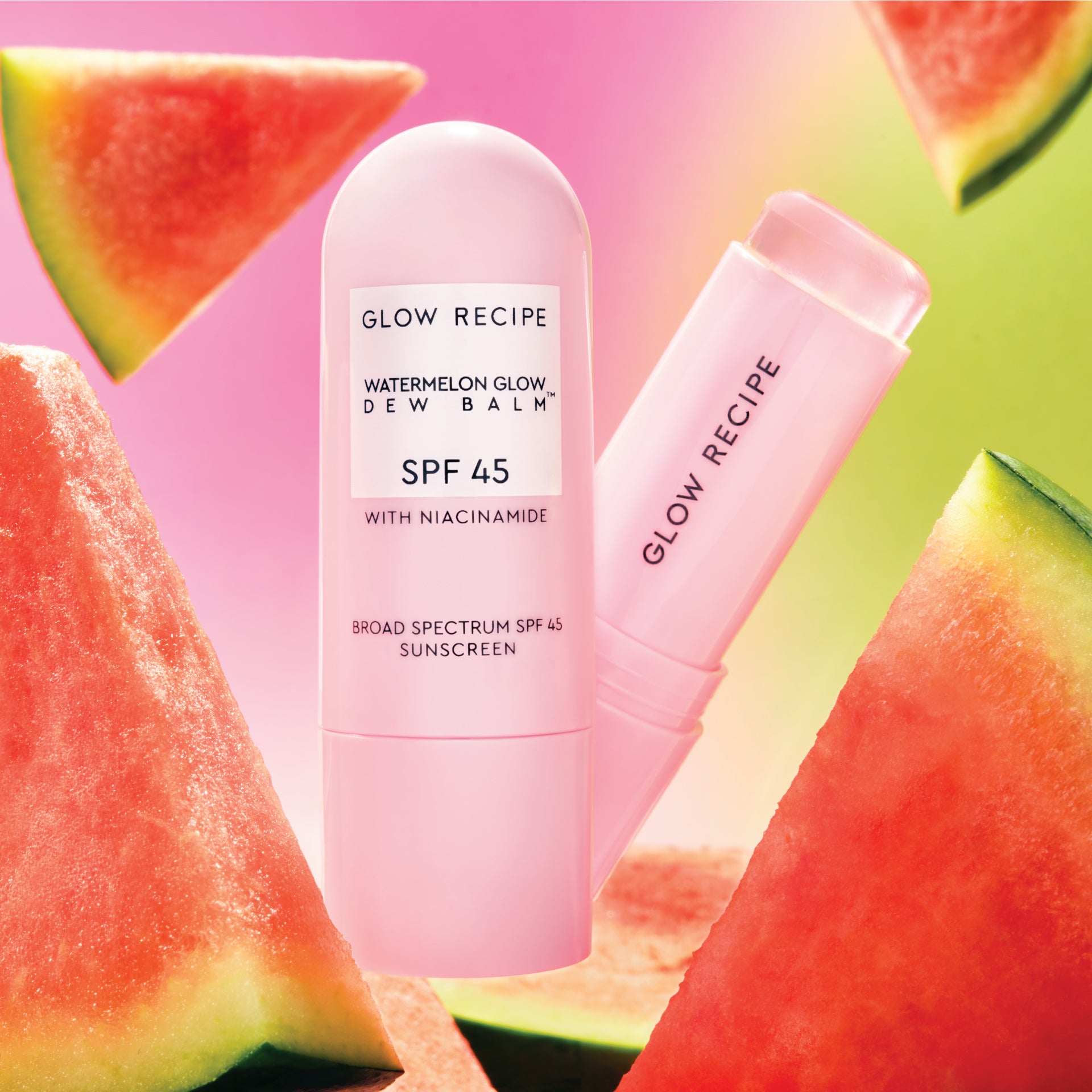
How to patch test and use safely if you still want to try
If you plan to test a single gentle product, take it slow. Less is more.
- Apply a pea-size amount behind the ear or on the inner arm once daily for 3 days.
- Watch for redness, stinging, or dryness. If any sign shows, stop.
- If no reaction, try on the face every 2–3 nights.
- Avoid mixing acids, vitamin C, and retinoids. Stick to one new item at a time.
- Use sunscreen daily if using any active.
Parents often ask me, Is Glow Recipe Safe For Kids Skin?, right before a first test. Start with patch testing. It protects your child’s barrier and your budget.
Source: glowrecipe.com
Safer alternatives and simple routines for kids
You do not need a shelf full of products. A tiny, steady routine wins.
Morning
- Gentle, fragrance-free cleanser or just lukewarm water.
- Lightweight, fragrance-free moisturizer.
- Mineral sunscreen SPF 30+ every day.
Night
- Gentle cleanser.
- Ceramide or hyaluronic acid moisturizer.
Extras for special cases
- For rough patches: petrolatum or a barrier balm on damp skin.
- For mild breakouts in tweens, a clinician may approve a low-strength salicylic cleanser a few times a week.
When the question comes up, Is Glow Recipe Safe For Kids Skin?, I point to this simple set. It is safe, cheap, and proven.
Source: glowrecipe.com
Dermatologist and pediatric guidance
Pediatric dermatology guidance is clear. Kids need barrier care, not anti-aging steps. Fragrance and strong acids raise risk without a clear benefit for young skin.
Cosmetics in the U.S. are not pre-approved by regulators. Brands must ensure safety for intended use, but most lines are not designed for children. That is why Is Glow Recipe Safe For Kids Skin? is the right question to ask before buying.
If a child has acne, eczema, or rashes, see a clinician. Targeted care beats trial-and-error with trendy serums.
Real-world experience and tips
In my work helping families build kid-safe routines, I have seen the same pattern. A child borrows a fun, fruity toner or mask. A week later, redness and peeling show up. We pull back to basics, and the skin calms in days.
Here is what helps most:
- Keep routines tiny. Cleanser, moisturizer, sunscreen. That is it.
- Read labels. If you see acids, fragrance, or “brightening,” skip it for kids.
- Build habits, not hauls. Skin health comes from consistency.
Families still ask, Is Glow Recipe Safe For Kids Skin?, even after a reaction. The fix is simple care and patience, not more actives.
Frequently Asked Questions: Is Glow Recipe Safe For Kids Skin?
Can a 10-year-old use Glow Recipe?
Most 10-year-olds do not need it. Choose a gentle, fragrance-free cleanser and moisturizer, and use sunscreen daily.
Which Glow Recipe product would be least risky for kids?
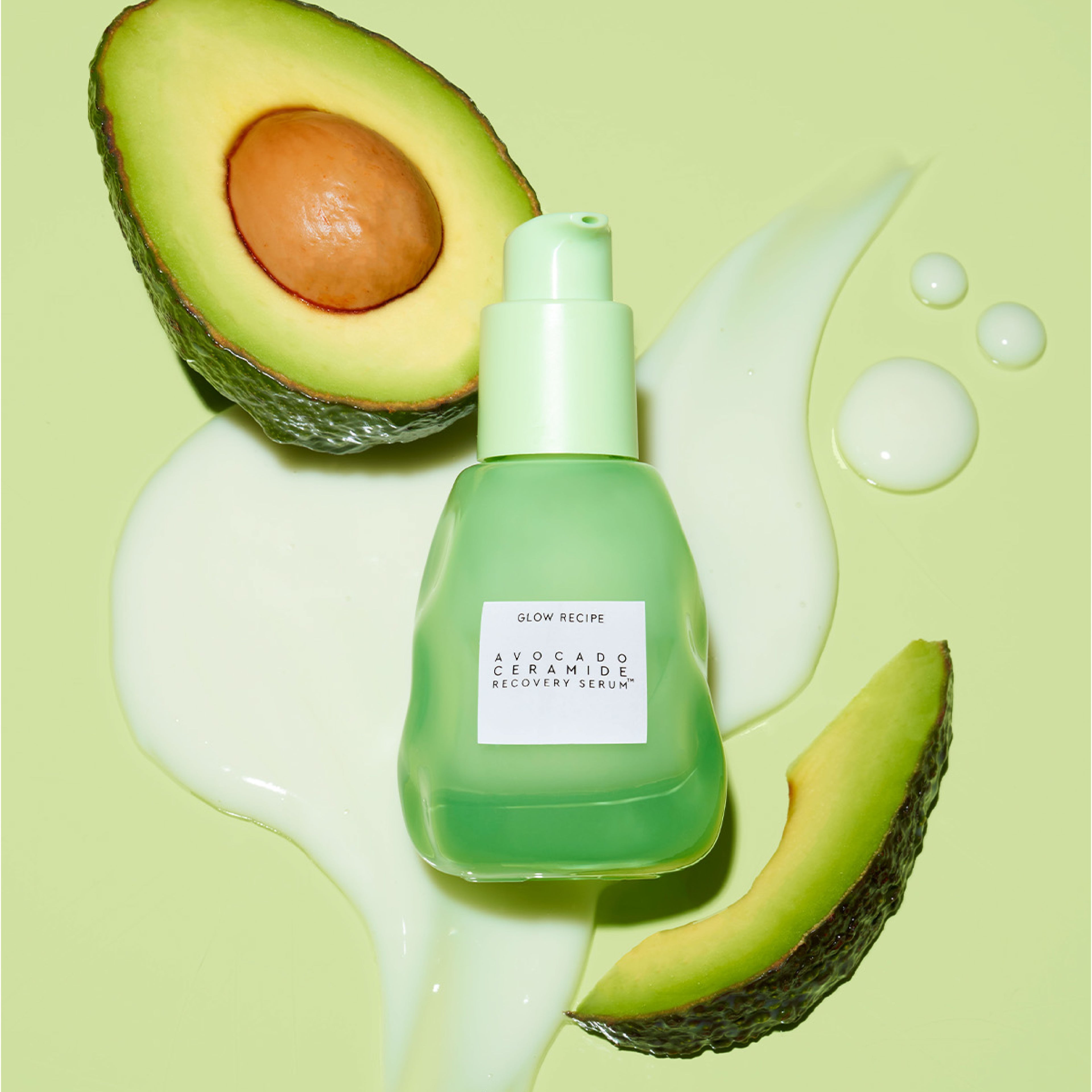
A plain hydrating serum without fragrance is the least risky, if you must try one. Patch test first and use rarely.
Is Glow Recipe safe for kids’ skin if they have eczema?
No, it is not a good idea. Fragrance and acids can trigger flares and worsen barrier damage.
Is Glow Recipe Safe For Kids Skin if my child only uses it once a week?
Even once-weekly use can irritate sensitive skin. If you try it, patch test and stop at the first sign of redness or sting.
Are “natural fruit extracts” safer for kids?
Natural does not mean gentle. Fruit enzymes and fragrant extracts can still irritate kids’ skin.
Is Glow Recipe Safe For Kids Skin for acne-prone tweens?
Tweens with breakouts need simple care and guidance. A clinician may suggest low-strength salicylic acid, not multi-active serums.
Does Glow Recipe have products without fragrance?
Some formulas may be low in fragrance or fragrance-free, but many use scent. Always check the ingredient list and patch test.
Conclusion
Glow Recipe is a fun, effective brand for adult goals, but most kids do not need those activities. When you ask, Is Glow Recipe Safe For Kids Skin?, the safest path is a simple, fragrance-free routine with daily sunscreen. Keep it calm, keep it consistent, and protect the skin barrier.
If you found this helpful, share it with another parent, subscribe for more kid-safe skincare guides, or leave a question below. Your child’s skin will thank you for choosing simple care today.