Get the facts on ingredients, recalls, and pediatrician input. Is Johnson And Johnson Baby Products Safe? Evidence-based answers and safer picks for parents. Most Johnson & Johnson baby products are safe when used as directed today. Parents deserve clear, calm answers. If you have asked, Is Johnson and Johnson Baby Products Safe?, you are not alone.
I have reviewed ingredient lists, safety updates, and clinical data for years. In this guide, I explain how these products are made, what has changed after past issues, and how to choose what fits your baby. Read on for facts, not fear, and advice you can use right away.
What “safe” means for baby products
Safety is not a single label. It is a process. For baby care, it means a low risk of harm when used as directed. It also means steady quality and clear labels.
Baby skin is thinner and loses water faster. The tear film in a baby’s eyes is also gentle. So mild cleansers matter. Dyes and strong scents can be a problem for some babies.
When we ask, Is Johnson And Johnson Baby Products Safe?, we must weigh risk and use. We look at dose, how often, and where on the body. We also look at the baby’s skin type and age.
Johnson & Johnson today: reforms, policies, and recalls
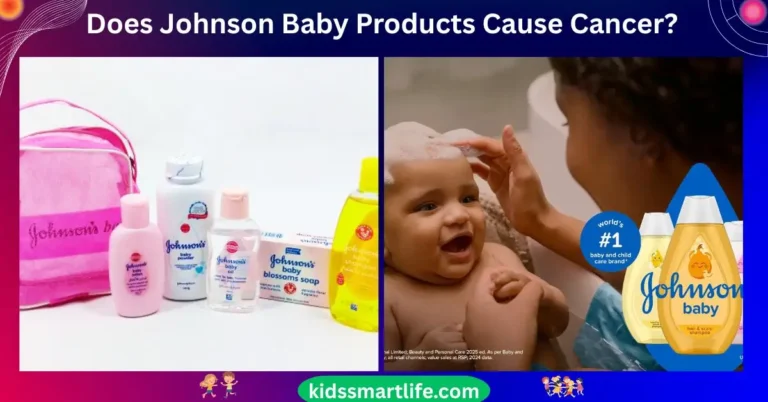
Johnson & Johnson changed many baby formulas over the last decade. They removed parabens, phthalates, and formaldehyde-releasing preservatives from the baby line. They boosted label clarity. They also publish more on testing and supplier checks.
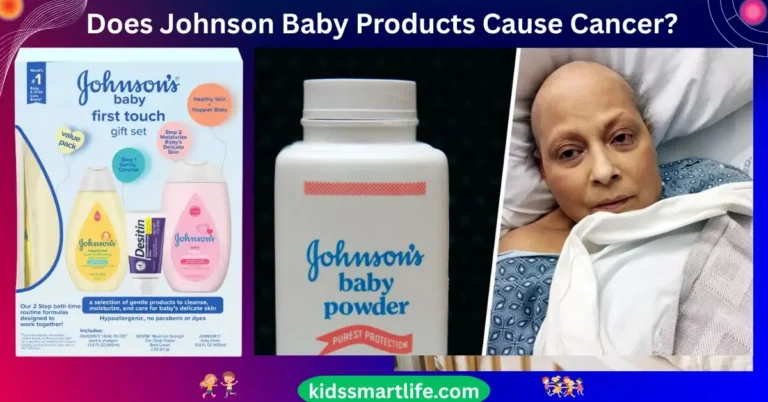
Talc-based baby powder faced safety and legal heat. In 2020, J&J stopped selling talc-based baby powder in the US and Canada. The brand has since moved to cornstarch-based powders in many markets.
In 2019, one lot of talc powder was recalled for trace asbestos findings, and later testing gave mixed results. This history shapes the current question: Are Johnson & Johnson Baby Products Safe?
Today, J&J highlights mildness tests. Many items are ophthalmologist and pediatrician-tested. Claims like No More Tears point to mild surfactants. Still, “hypoallergenic” is not a strict legal term in the US, so users should read the full label.

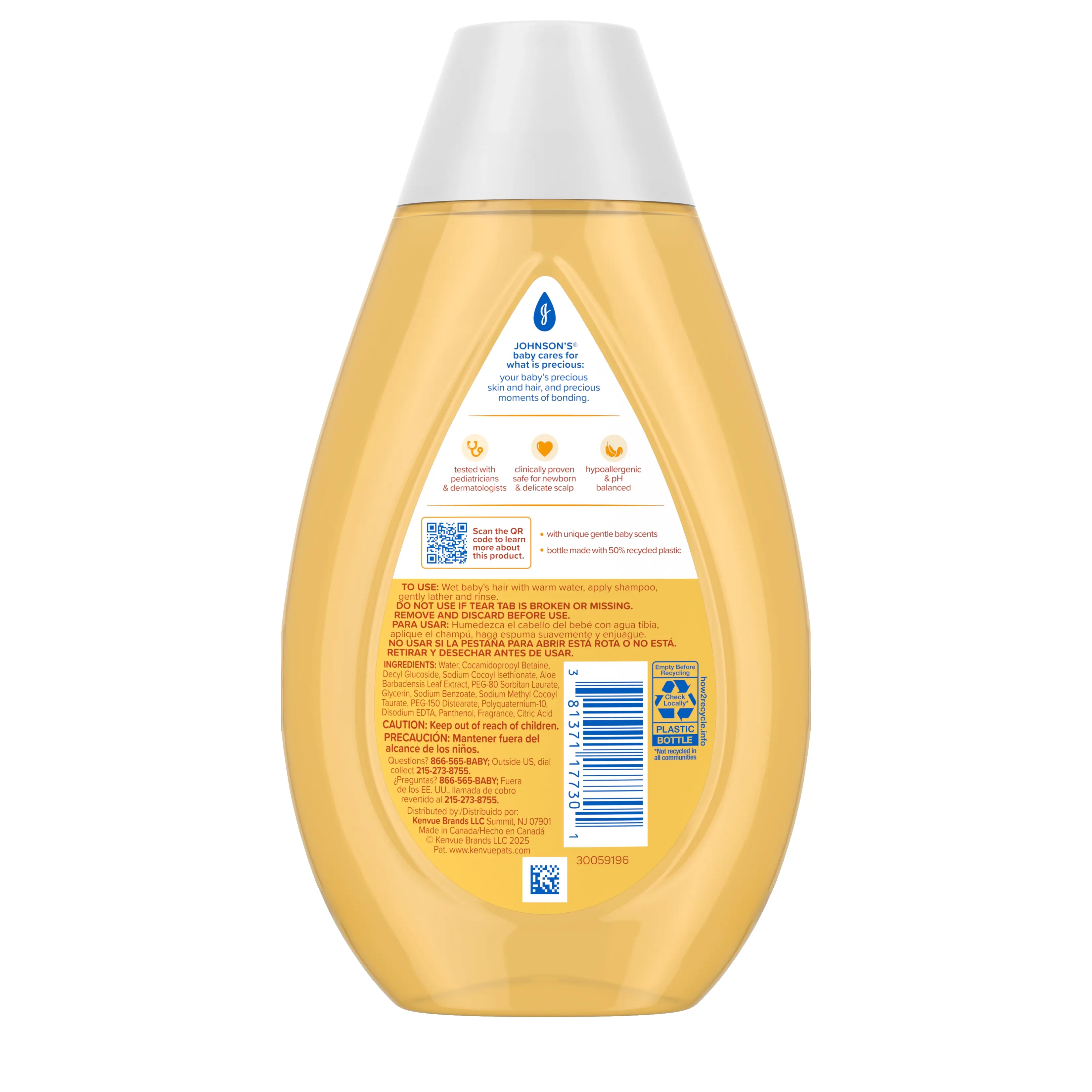
Ingredient deep dive: cleansers, lotions, and wipes
When we parse, Is Johnson And Johnson Baby Products Safe?, we must look at the core ingredients. Here is a simple walk-through.
Cleansers and shampoos
- Surfactants remove dirt. Common ones include cocamidopropyl betaine and sodium trideceth sulfate. These are milder than classic sodium lauryl sulfate.
- Some babies react to cocamidopropyl betaine. It is rare, but patch test if your baby has eczema.
- pH is adjusted to be close to the skin and eyes. This helps reduce sting.
Lotions and creams
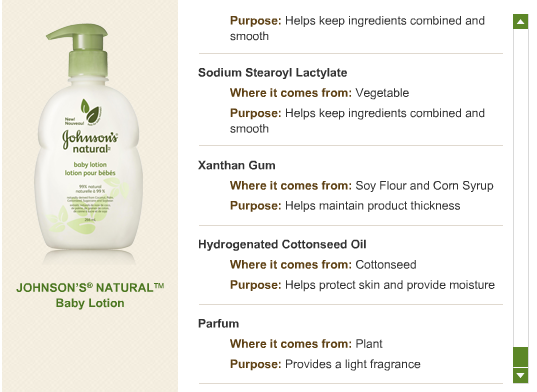
- Glycerin draws water to the skin. Petrolatum and mineral oil reduce water loss. These are inert and safe when refined for cosmetic use.
- Many J&J lotions use phenoxyethanol as a preservative. It is widely used and safe at low levels.
- Plant oils and butters add feel. Watch for nut oils if your baby has known allergies.
Wipes and diaper care
- Wipes may use gentle surfactants and humectants. Preservatives like sodium benzoate help prevent germs.
- Barrier pastes may include zinc oxide or petrolatum. These are safe and help stop diaper rash.
From my own use, I test a new wash on the forearm first. I wait 24 hours. I then try a short bath. This slow step cut flares for my sensitive-skinned child.
Do these choices mean Is Johnson And Johnson Baby Products Safe? For most healthy babies, yes, when used as directed. For very sensitive skin, pick fragrance-free options and patch test first.
Talc and baby powder: facts, changes, and current guidance
Talc is a mineral. It can be fine and smooth, but in the past, some talc was found with asbestos. Asbestos is a known carcinogen. That is why tests and sourcing matter.
Large health bodies have reviewed talc data. Talc without asbestos has mixed evidence. Some reviews report a small link with ovarian cancer for perineal use. Others do not. In 2023, one major cancer agency listed talc (not containing asbestos) as possibly carcinogenic. This does not prove harm. It means there is some limited human data, and more research is needed.
J&J now promotes cornstarch baby powder in many regions. Cornstarch cuts moisture but can still irritate lungs if inhaled. Many pediatric groups advise no powder use near the face. For diaper duty, I favor a barrier cream over any dusting powder. This is how I guide new parents who ask me, Is Johnson and Johnson Baby Products Safe?, with respect to powders.

Fragrance, preservatives, and sensitive skin
Fragrance adds a soft smell. But scent can be a top trigger for contact dermatitis. This is true across brands. It is not a J&J-only issue.
Preservatives stop germs in water-based items. Phenoxyethanol, sodium benzoate, and potassium sorbate are common and well-studied. They are used at low levels. These help make daily use safe.
If your child has eczema or allergies:
- Pick fragrance-free lines when you can.
- Avoid essential oils in baby products. Natural does not always mean safe.
- Patch test on a small area for two days.
- Keep baths short and lukewarm. Use a bland moisturizer right after.
In my home, fragrance-free wash reduced flares. A petrolatum-based ointment sealed the skin. With these steps, the question, Is Johnson and Johnson Baby Products Safe?, had a better outcome for us.
Regulatory oversight, testing, and lawsuits explained
In the US, baby lotions and washes are cosmetics. The FDA regulates cosmetics, but the maker is responsible for safety. A 2022 law increased reporting and record rules. It also requires safety substantiation. In the EU, rules are stricter. Ingredient bans and safety reports are the norm.
Independent tests matter too. Dermatologist and ophthalmologist tests check for sting and irritation. Patch tests check for contact allergy. Still, no test can promise zero risk for every child.
Lawsuits raised fair questions about talc and corporate conduct. Court results have been mixed, and some are under appeal. Science and law move at different speeds. My advice is to track updates and read labels. Use the safe-use tips below. That is how I answer, Is Johnson and Johnson Baby Products Safe?, in a clear, calm way.

How to choose and patch-test Johnson & Johnson baby products
A simple plan helps you pick well and avoid waste.
Step-by-step
- Start fragrance-free for the first few months. Add light scent later if you wish.
- Use one new item at a time. Try a pea-sized amount on the inner forearm.
- Wait 24 to 48 hours. Look for redness or bumps.
- Keep baths short. Moisturize within three minutes after the bath.
- For cradle cap, use a mild shampoo and a soft brush. If it worsens, stop and ask your pediatrician.
- Avoid powders near the face. Use barrier creams for diaper care.
Label tips
- Look for short, clear ingredient lists.
- Choose products marked for newborns if your baby is under three months.
- If your baby has eczema, seek lines with the eczema seal from a major group.
Used this way, many parents can say yes to Is Johnson And Johnson Baby Products Safe? They can also switch to other brands for special needs without stress.
Pros, cons, and who J&J baby products suit best
Pros
- Wide access and fair price.
- Many gentle formulas with solid safety data.
- Clear updates on past concerns. Cornstarch powders are now common.
Cons
- Some items include fragrance, which can irritate some babies.
- A few surfactants can bother very sensitive skin.
- Talc history still worries many parents, and trust takes time to rebuild.
Best fit
- Families who want mild, tested basics.
- Households that need easy-to-find products.
- Parents who will patch test and adjust for skin needs.
Not ideal
- Babies with strong fragrance sensitivity.
- Cases that need prescription care or strict allergen control.
So, Is Johnson And Johnson Baby Products Safe? For many families, yes, with smart product picks and good use habits.

Quick takeaways based on common searches
Is Johnson And Johnson Baby Products Safe for Newborns?
Often yes, if you choose fragrance-free and simple formulas. Patch test and keep routines short.
Are Johnson & Johnson Baby Products Safe for Eczema?
It can be, if you avoid fragrance and certain surfactants. Look for gentle cleansers and rich, bland moisturizers.
Are Johnson & Johnson Baby Products Safe compared to natural brands?
“Natural” is not always gentler. Safety depends on the formula, the dose, and your baby’s skin. Compare labels and patch test.
Frequently Asked Questions about Johnson & Johnson Baby Products: Safe?
Does Johnson & Johnson still sell talc baby powder?
The company shifted toward cornstarch-based baby powders in many regions. Check your local market and label details.
Are Johnson & Johnson baby shampoos tear-free?
Many are tested to reduce eye sting. Still, rinse well and avoid direct eye contact.
Can adults use Johnson & Johnson baby products?
Yes. Many adults with sensitive skin like the mild washes and lotions. They can be good for frequent hand washing, too.
Are phenoxyethanol and sodium benzoate safe for babies?
These preservatives are widely used and safe at low levels. They help keep products free from germs.
What if my baby gets a rash after a Johnson & Johnson product?
Stop using and switch to a bland, fragrance-free option. If the rash lasts or worsens, contact your pediatrician.
Conclusion
Safety is a journey, not a stamp on a bottle. With better formulas, clear labels, and smart habits, many families can use Johnson & Johnson baby care with confidence. If you ask, Is Johnson And Johnson Baby Products Safe?, the best answer is yes for most babies, when you pick the right products and patch test first.
Choose simple formulas. Keep baths short. Moisturize fast. If a product does not suit your child, change course without guilt. Want more practical guides like this? Subscribe, share your questions, or leave a comment with your experience.