What Is Good Oral Hygiene For Children? Learn dentist-approved steps, age-by-age tips, and easy routines to prevent cavities and build lifelong smiles. Good oral hygiene for children means daily brushing, flossing, a smart diet, and regular checkups. Parents ask me this every week: What Is Good Oral Hygiene For Children?
The answer is simple, but the plan takes daily care. I have guided many families through each stage. In this guide, I will show you the steps, tools, and habits that work. You will learn how to prevent cavities, protect gums, and build routines that last.
Source: patientser.com
What Is Good Oral Hygiene For Children?
Good oral hygiene is a set of daily habits that keep teeth and gums healthy. For kids, it means clean teeth, fresh breath, and no pain. It also means a simple plan that parents can keep up with at home.
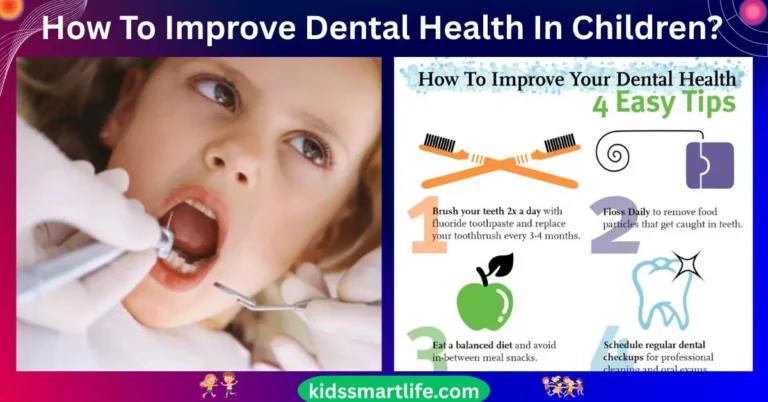
The core steps most experts agree on are clear:
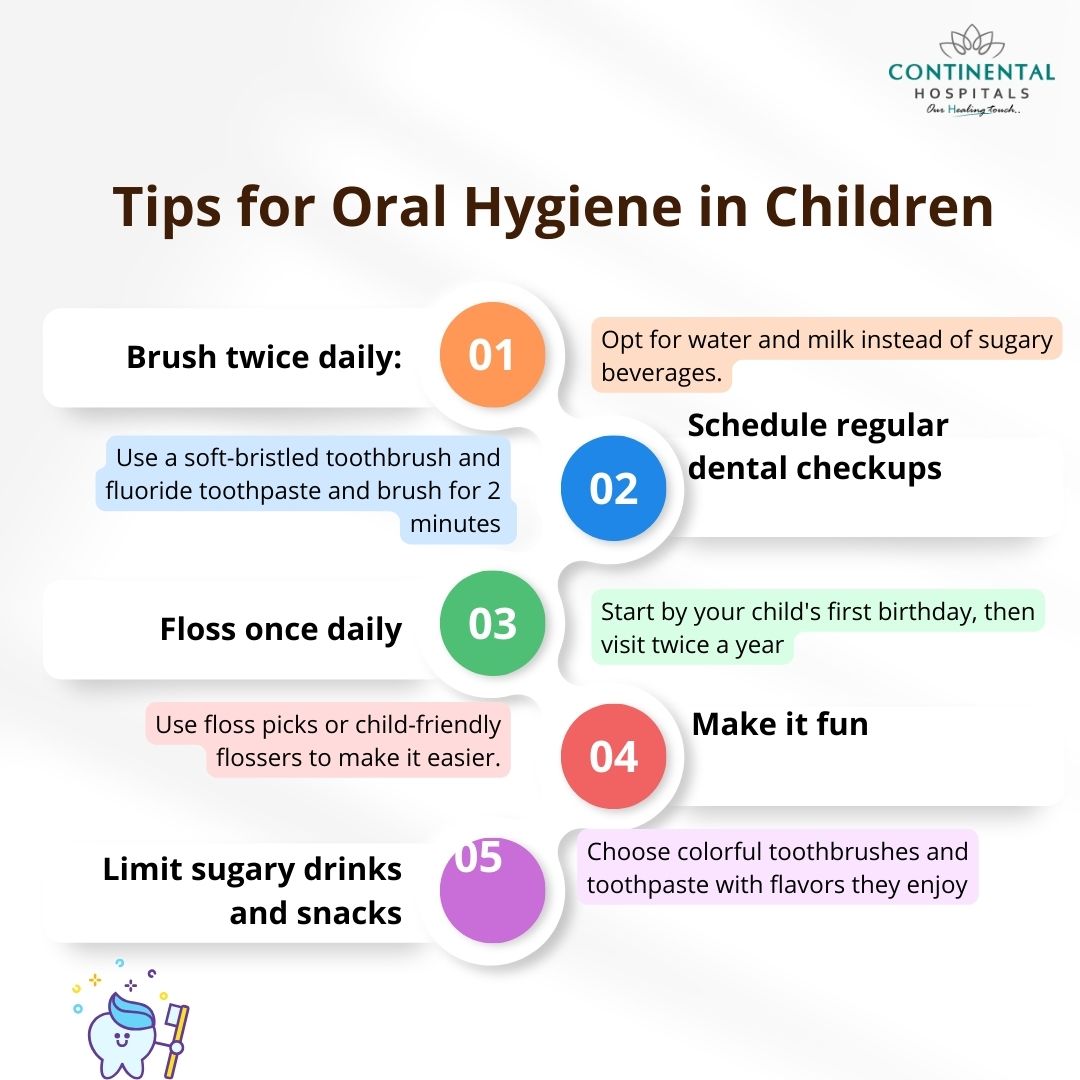
- Brush twice a day for two minutes with a soft brush and fluoride paste.
- Use a smear of fluoride paste for ages 0–3, and a pea-sized amount for 3–6.
- Floss once a day when two teeth touch.
- Choose water, dairy, and low-sugar snacks to cut acid attacks.
- See a dentist every six months or as advised for risk.
- Use dental sealants for molars when your dentist suggests them.
What Is Good Oral Hygiene For Children? It is a daily rhythm that fits your child’s age and skills. It starts with the first tooth and grows with your child.
Source: com.au
Why Early Oral Care Matters
Tooth decay is one of the most common chronic issues in kids. Tiny white spots can turn into holes fast. Pain, poor sleep, and missed school can follow. Early care reduces risk and stress for the whole family.
Plaque is a sticky film of germs. It feeds on sugar and makes acid. Acid weakens enamel. Over time, this causes cavities and can inflame gums. Smart habits stop this cycle.
Start oral care when the first tooth appears. Book a first dental visit by age one. What Is Good Oral Hygiene For Children? It is prevention done early and often.
Source: continentalhospitals.com
Daily Routines By Age
What Is Good Oral Hygiene For Children? It changes with each stage. Use this age-based guide to make it easy.
Babies 0–12 months
- Wipe gums with a clean, damp cloth after feeds.
- Brush any tooth that comes in, twice a day, with a tiny smear of fluoride paste.
- Never put a baby to bed with milk or juice. Only water at night.
Toddlers 1–3 years
- Brush morning and night. You brush for them.
- Use a smear of fluoride paste. Teach them to spit, not swallow.
- Limit grazing. Offer water between meals.
Preschool 3–5 years
- Brush twice daily for two minutes. Use a pea-sized amount of fluoride paste.
- Start flossing where teeth touch.
- Parents still do most of the brushing. Kids guide and learn.
School-age 6–12 years
- Keep twice-daily brushing and daily flossing.
- Seal the first and second molars if the dentist suggests.
- Sports? Use a mouthguard for contact play.
Teens
- Keep fluoride paste and add a fluoride rinse if the dentist suggests.
- Watch sugar drinks and sports drinks. They cause acid wear and decay.
- Aligners or braces need extra cleaning time each night.
What Is Good Oral Hygiene For Children? It is parent-led first, then shared, then supervised until the teen years.
Source: berlindental.com
Tools, Techniques, and Training
The right tools make daily care fast and simple. Focus on comfort and fit.
Toothbrush
- Use a soft, small-head brush. Replace it every three months or after illness.
- Electric brushes can help with technique and time. Use what your child likes best.
Toothpaste
- Fluoride helps repair weak enamel. Use 1,000–1,450 ppm fluoride for kids, unless your dentist says otherwise.
- Under age three, use a smear. From three to six, use a pea-sized amount.
- Have kids spit after brushing. Do not rinse hard with water, so fluoride can stay on teeth.
Floss and extras
- Use floss picks for small hands. A water flosser can help with braces.
- Mouthwash is not for kids under six. Older kids can use a fluoride rinse if they can spit.
Technique
- Angle the brush at 45 degrees to the gumline. Use small circles.
- Brush outer, inner, and chewing surfaces. Brush the tongue for fresh breath.
- Set a two-minute timer. Try songs or a brushing app.
What Is Good Oral Hygiene For Children? It is the right tools, used the right way, every day.
Source: grandparkwaypediatricdental.com
Diet, Fluoride, Sealants, and Protective Habits
Food fuels growth, but sugar feeds plaque. Timing matters as much as amount.
Diet basics
- Offer water often. Save sweet drinks for rare treats, if at all.
- Keep snacks to set times. Fewer sugar hits mean fewer acid attacks.
- Choose fiber-rich fruits, veggies, cheese, yogurt, nuts, and whole grains.
Fluoride
- Fluoride in toothpaste and water helps harden enamel.
- Your dentist may apply fluoride varnish two to four times a year for higher-risk kids.
Sealants
- Thin coatings on molars block food and germs.
- Research shows sealants can cut cavity risk on molars by up to 80%.
Protective habits
- No bottles or sippy cups in bed, unless filled with water.
- Stop thumb sucking and pacifiers by age three to four, if possible.
- Use a custom mouthguard for contact sports.
What Is Good Oral Hygiene For Children? It links home care, diet, fluoride, and sealants into one plan.
Source: frankforddentalcare.com
Red Flags and When to See a Dentist
Know the early signs so you can act fast.
Watch for
- White chalky spots near the gumline.
- Brown or black pits or rough edges on teeth.
- Bleeding gums, bad breath, or pain when chewing.
- Swelling of the face or gums. This needs urgent care.
Care schedule
- First visit by age one, then every six months.
- Extra visits if your child has braces, special needs, or higher risk.
What Is Good Oral Hygiene For Children? It is spotting problems early and keeping regular checkups.

Source: valleycreekdentalcare.com
Making It Stick: Routines, Rewards, and Real-Life Tips
What Is Good Oral Hygiene For Children? It is a habit that fits family life. Simple systems beat willpower.
What has worked well in my work with families:
- Brush together. Kids copy what they see.
- Habit stack. Brush right after pajamas, before story time.
- Offer choice. Let kids choose a brush color or a song.
- Use a star chart with small weekly rewards. Praise effort, not perfection.
- Keep a travel kit in the car for busy nights.
- Talk about “sugar bugs” as a fun story. It helps younger kids stay engaged.
A quick story: one family kept missing night brushing. We set a two-minute song and put the brush on the pillow each night. In two weeks, the routine stuck. Small cues can change the game.
Source: manipalhospitals.com
Frequently Asked Questions: What Is Good Oral Hygiene For Children?
When should I start brushing my child’s teeth?
Start when the first tooth appears. Use a soft brush with a tiny smear of fluoride paste twice a day.
Is fluoride safe for kids?
Yes, when used as directed. Use a smear for under three and a pea-sized amount for ages three to six, and teach them to spit.
How often should my child see the dentist?
Book the first visit by age one. Go every six months, or more often if your dentist advises based on risk.
Do kids really need to floss?
Yes, once two teeth touch. Parents should help until kids can do it well on their own.
What toothbrush and toothpaste are best?
Choose a soft, small-head brush and a child-friendly fluoride paste. Look for products that are gentle and easy to use.
Are electric toothbrushes better for children?
They can help with timing and coverage. The best brush is the one your child enjoys and will use well.
How can I stop thumb sucking?
Use praise, gentle reminders, and reward charts. If the habit continues past four, ask your dentist for extra support.
Conclusion
Good habits, simple tools, and steady support build strong smiles. Brush twice a day, floss daily, choose water and tooth-friendly snacks, and keep regular dental visits. What Is Good Oral Hygiene For Children? It is the daily care that prevents pain and protects health for life.
Take one step today. Set a two-minute timer for tonight’s brush and lay out the floss. Want more tips? Subscribe for updates, share this guide with a friend, or leave a question in the comments.