What Kids Products Do Parents Need? Discover the ultimate 2026 essentials guide covering must-have baby gear, toddler products, safety items, educational toys, feeding supplies, and daily care essentials. Explore practical, budget-friendly parenting products that support your child’s growth, safety, and development while making everyday life easier for modern parents.
Parents need safe, age-appropriate essentials that support health, sleep, feeding, and play. What Kids’ Products Do Parents Need? The short answer hides a long list. I help families choose products that work in real life, not only on a registry. In this guide, I explain what to buy, what to skip, and why it matters. You will learn how to build a smart kit for each age, without waste or stress.

How to Decide What Kids Products Do Parents Need?
Start with needs, not trends. Ask three questions: Is it safe? Will we use it daily? Does it fit our space and budget?
Use a simple framework:
- Health and safety. Protect breathing, travel, feeding, and skin.
- Sleep and soothing. Support calm and steady rest.
- Feeding and growth. Make feeding safe, clean, and simple.
- Movement and learning. Encourage play and skills.
- Family fit. Match your home, routine, and values.
When people ask What Kids Products Do Parents Need?, I point to this framework first. It cuts clutter and keeps focus on what helps your child grow.

Safety First: Non-Negotiable Essentials
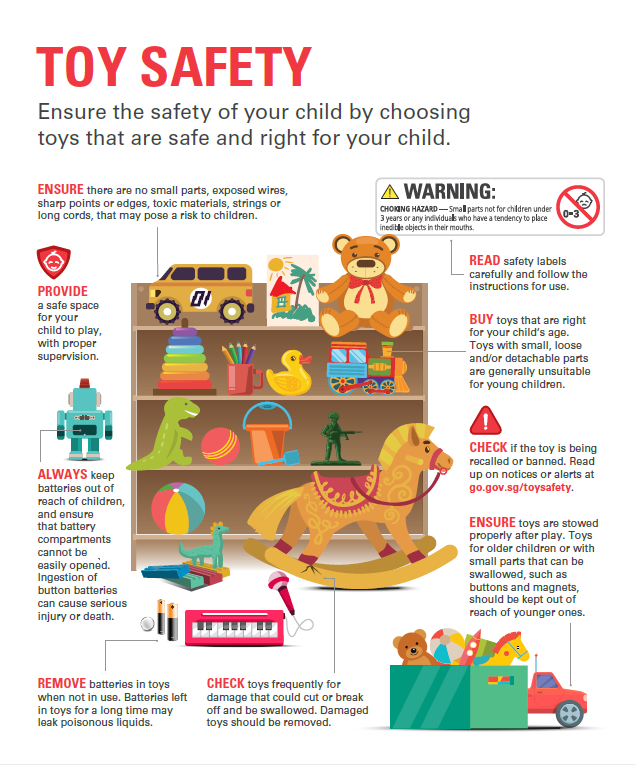
Safety rules guide buying choices. When you ask What Kids Products Do Parents Need?, the first answer is safety gear that saves lives.
Key items:
- Rear-facing car seat. Use from birth. Keep rear-facing as long as the seat allows. Follow the car seat manual and your vehicle guide. This aligns with NHTSA and pediatric guidance.
- Safe sleep setup. Use a firm, flat crib or bassinet with a tight sheet only. No pillows, bumpers, or stuffed toys. Place the baby on its back for every sleep, as the American Academy of Pediatrics advises.
- Home safety. Install outlet covers, secure furniture to walls, lock cabinets, and keep cords out of reach. Set the water heater to about 120°F to reduce burn risk.
- First-aid kit. Include a digital thermometer, bandages, saline, tweezers, and infant-safe fever reducers. Confirm dosing with your pediatrician.
- Sun and skin care. Choose mineral sunscreen (SPF 30+) for babies 6 months and older. For younger infants, use shade and clothing.
Safe gear is not optional. It is the core of What Kids Products Do Parents Need?
Feeding and Nourishment
Feeding tools should make safe, steady growth easy. Choose items based on your feeding plan and baby’s age.
For infants:
- Bottles with slow-flow nipples. A few shapes to test fit. A basic brush for cleaning.
- Sterilizing. Boiling or using a dishwasher often works. A fancy sterilizer is optional.
- Breastfeeding helps. A well-fitted pump, milk bags, nipple cream, and breast pads. A lactation consult helps more than gadgets.
- Formula use. Follow label mixing rules. Use safe water and clean bottles. Prepare fresh and store as directed.
For solids:
- High chair with a stable base and a footrest.
- Soft-tip spoons, suction bowls, and easy-to-clean bibs.
- Open or straw cups. Avoid long-term sippy use.
- Allergen intro. Offer common allergens in small, safe forms, as current pediatric advice suggests.
In short, What Kids Products Do Parents Need? You need fewer feeding items than ads suggest, but you need the right ones.
Sleep and Soothing
Good sleep starts with a safe setup and a calm routine.
- Crib or bassinet with a firm mattress and fitted sheets.
- Wearable sleep sacks. If you swaddle, stop when rolling starts.
- White noise and blackout curtains. They help many babies settle.
- Pacifiers, if desired. Keep them clean and sized for age.
Avoid wedges, positioners, and loose blankets. They add risk with no proven sleep benefit. When people ask What Kids Products Do Parents Need? for sleep, I point to a clean, simple crib and a steady routine.
Diapering and Hygiene
You will use diapering items many times a day. Keep it simple and skin-safe.
Basics:
- Diapers and wipes that suit your baby’s skin. Cloth or disposable both work.
- Barrier cream with zinc oxide for rash care.
- A waterproof changing pad. A diaper pail is nice but optional.
- Bath care: a small tub or sink support, gentle soap, soft towels.
- Grooming: baby nail clippers, soft brush, saline for noses.
- Health basics: digital thermometer, nasal aspirator, and a small first-aid set.
Sunscreen (6+ months), insect repellent with DEET or picaridin when needed, and fluoride toothpaste (a rice-grain smear) build strong habits. These are steady answers when you ask What Kids Products Do Parents Need? for daily care.

Clothing and Footwear
Buy for comfort, not for photos. Babies outgrow clothes fast.
Guidelines:
- Soft cotton layers. Zippered sleepers save time at night.
- Proper counts. About 7–10 bodysuits, 4–6 sleepers, 4–6 pants or leggings, and a few sweaters by season.
- Hats for sun or cold weather.
- Shoes only when walking. Pick flexible soles and a wide toe box.
Use a mild detergent. Skip fabric softeners if skin is sensitive. What Kids’ Products Do Parents Need? For clothes, think simple, comfy, and easy to wash.
Play, Learning, and Development
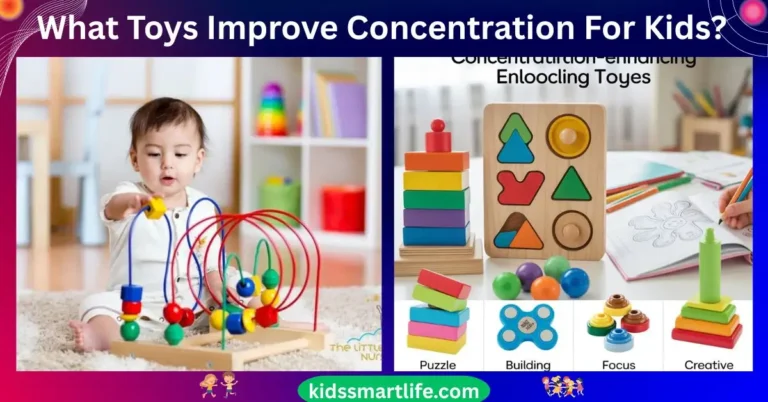
Play builds the brain. Choose open-ended toys.
Great picks:
- Newborn to 6 months: high-contrast cards, a play gym, soft rattles, and a mirror.
- 6 to 18 months: stacking cups, blocks, cloth books, push toys.
- Toddlers: chunky puzzles, pretend sets, crayons, board books.
- Preschool and up: art supplies, building sets, sports balls, beginner STEM kits.
Rotate toys to keep play fresh. Read daily. Use the library. When families ask What Kids Products Do Parents Need? for learning, I suggest safe, simple toys that invite hands-on play.

Travel and On-the-Go
You need gear that moves with you and stays safe.
Essentials:
- A stroller that fits your terrain and trunk. Test the fold and lift.
- Soft baby carrier for hands-free trips.
- Diaper bag or backpack with changing pad, wipes, and spare clothes.
- Travel crib for safe sleep away from home.
- Car sun shades for side windows. Skip mirrors that could become projectiles.
Do not use bulky coats in car seats. Use thin layers and a blanket over the straps. For What Kids Products Do Parents Need? on the go, think light, sturdy, and easy to clean.
Digital Tools and Screen Time
Tech can help parents, but use it with care.
Helpful tools:
- Feeding and sleep trackers for the first months. Drop them once your routine is clear.
- Baby monitors with secure connections. Set strong passwords.
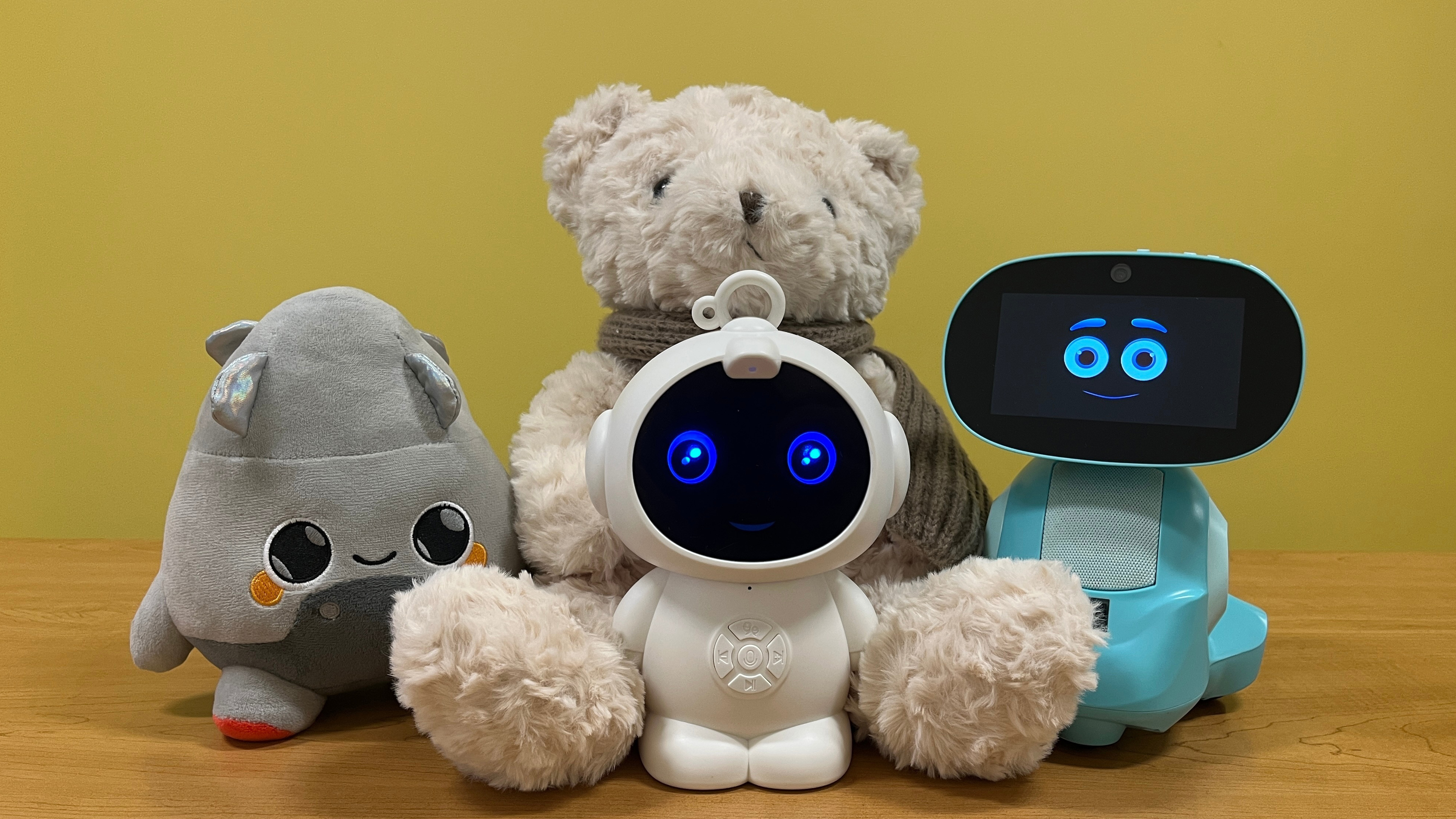
- Parental controls on tablets and TVs. Choose ad-free content.
The AAP suggests little to no screen time for babies, and limited, high-quality content for older kids. Headphones should cap volume cap near 85 dB. What Kids Products Do Parents Need? Fewer screens than you think, and better content when you use them.
Budget, Sustainability, and Smart Shopping
Spend on safety and daily use. Save on short-use extras.
Buy new:
- Car seats and helmets for safety.
- Crib mattress and feeding nipples.
- Breast pump parts.
Buy used with care:
- Strollers, carriers, high chairs, and clothes. Check recalls and the product’s history.
- Avoid used drop-side cribs or damaged gear.
Tips:
- Build a registry around needs. Add gift cards for later sizes.
- Choose items that grow with your child.
- Check recall lists and register products.
A minimalist starter list:
- Rear-facing car seat
- Crib or bassinet with two sheets
- 7–10 bodysuits, 4–6 sleepers
- Diapers, wipes, cream
- 3–5 bottles, a brush, and a simple drying rack
- Baby carrier
- Thermometer and first-aid basics
What Kids Products Do Parents Need? Aim for quality, safety, and items with long use.
Age-by-Age Essentials Checklist
Newborn to 3 months
- Rear-facing car seat, crib or bassinet, 2–3 swaddles or sacks
- 5–8 bottles if bottle-feeding, breast pump if needed
- Diapers, wipes, cream, thermometer
- Play gym and high-contrast cards
4 to 12 months
- High chair, suction bowls, spoons
- Sleep sacks, teething toys
- Floor seat or mat for play
- Stroller and carrier for outings
Toddlers 1 to 3 years
- Convertible car seat, sturdy high chair, or booster
- Sippy-to-straw-to-open cups
- Push toys, blocks, chunky puzzles
- Gate locks and cabinet locks
Preschool 3 to 5 years
- Harnessed car seat, helmet, scooter, or balance bike
- Art sets, dress-up, building sets
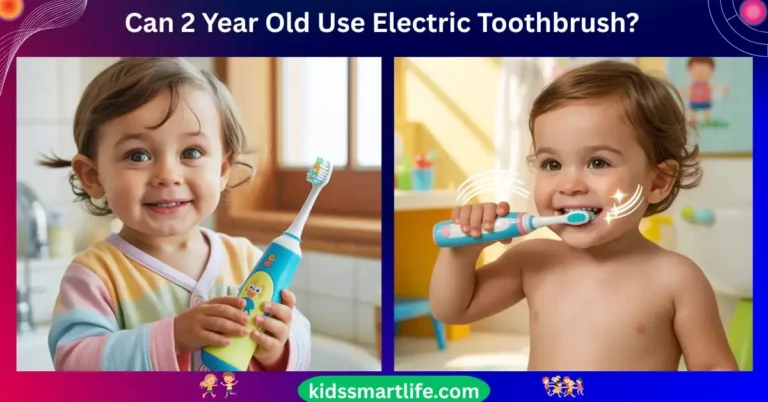
- Step stool, toothbrush with fluoride paste
Early school age, 5 to 8 years
- Belt-positioning booster per size
- Backpack with chest strap, water bottle
- Sports gear and a helmet
If you ask What Kids Products Do Parents Need? by age, use this list and adjust for your child.
Common Mistakes to Avoid
- Buying too much before the baby arrives. Start small and add as you learn.
- Unsafe sleep add-ons. Keep the crib clear.
- Ignoring manuals and size limits. Check fit and install for every product.
- Putting style over function. Easy to clean beats fancy.
- Missing recall checks. Register each product.
What Kids’ Products Do Parents Need? Often fewer than you think, but used the right way.
From Experience: What I Would Buy Again
After years of helping families, some items always deliver.
Buy again:
- A rear-facing seat with easy install. Fast set-up reduces errors.
- A soft-structured baby carrier. It saves your back and your hands.
- A supportive high chair with a footrest. Better posture, better eating.
- Zippered sleepers. Late-night changes are faster.
- A travel crib. Safe sleep anywhere.
Skip or wait on:
- Wipe warmers. Most babies do fine without them.
- Bottle sterilizers if you have a dishwasher. Basic cleaning works.
- Expensive swings. Try before you buy; not all babies like them.
- Too many newborn outfits. They outgrow them fast.
- Fancy diaper pails. A simple trash can with a lid can work.
When friends ask What Kids Products Do Parents Need?, I share this short list first, then tailor it to their space and routine.
Frequently Asked Questions: What Kids Products Do Parents Need?
How many bottles do I need to start?
Begin with 3 to 5 bottles and a slow-flow nipple. Test one brand first to see what your baby accepts.
Do I need a smart baby monitor?
Not always. A basic audio or video monitor works well, but secure any Wi‑Fi device with strong passwords.
What size car seat should I buy first?
Start with an infant seat or a convertible rated for newborns. Keep rear-facing until your child reaches the seat’s height or weight limit.
Are food pouches okay for toddlers?
They are fine as a travel tool. Do not rely on them daily; offer textures and finger foods to build oral skills.
How many clothes does a newborn need?
About 7–10 bodysuits, 4–6 sleepers, and a few layers by season. Adjust if you do laundry more or less often.
Do I need a stroller and a carrier?
Many families like both. A carrier is great for short trips; a stroller helps on longer outings.
Which toys help babies the most?
Simple, open-ended toys like rattles, mirrors, and soft books. Add blocks and stacking cups as motor skills grow.
What Kids Products Do Parents Need for small apartments?
Pick a foldable gear, a travel crib, and a compact stroller. Choose items that serve more than one role.
Conclusion
Focus on safety, daily use, and fit for your home. Build your list in layers: travel, sleep, feeding, hygiene, play. Add items as your child grows and your needs change. What Kids Products Do Parents Need? Choose the few that do the most, and skip the rest.
Start now: review your space, set a budget, and pick one item from each core area. Check recalls, read manuals, and register your products. Want more guides like this? Subscribe, share your questions, or leave a comment with your must-haves.