
When Can Babies Sleep In Your Bed? After 12 months, with strict safety steps. Parents ask this for good reason. I have supported hundreds of families through newborn nights and toddler transitions. In this guide, I explain When Can Babies Sleep In Your Bed with clear age guidelines, risk factors, safer setups, and real-world tips you can use tonight.

Source: harvard.edu
Understanding Bed-Sharing vs Room-Sharing
Before we answer When Can Babies Sleep In Your Bed?, it helps to define terms. Bed-sharing means your baby sleeps on the same sleep surface as you. Room-sharing means your baby sleeps in the same room as you, but on a separate safe surface like a bassinet or crib.
Room-sharing lowers the risk of sleep-related deaths in the first year. It keeps feeding and soothing easily. Bed-sharing raises risk for young infants when certain hazards are present. That is why most experts advise room-sharing without bed-sharing for at least the first 6 months, and ideally the first year.
PAA-style quick answer:
- Is bed-sharing the same as co-sleeping? Co-sleeping is a broad term for sleeping nearby. Bed-sharing is a type of co-sleeping that uses the same surface.

Source: soft-bionics.com
The Short Answer: When Can Babies Sleep In Your Bed?
Here is the clear, direct line most families seek: When Can Babies Sleep In Your Bed? It is safest to avoid bed-sharing for the first 12 months. The risk of SIDS and suffocation is highest in the early months and drops after the first birthday.
After 12 months, many families choose to bring a toddler into their bed with strict safety steps. Some wait until 18 to 24 months when mobility and head control are stronger. If your baby was born preterm, had a low birth weight, or you smoke, be extra careful and consider waiting longer.
This is educational guidance, not personal medical care. Always follow your clinician’s advice.
PAA-style quick answer:
- When can babies sleep in your bed if you breastfeed? Even if you breastfeed, wait until after 12 months for the lowest risk.
Source: nemours.org
Why Early Bed-Sharing Raises Risk
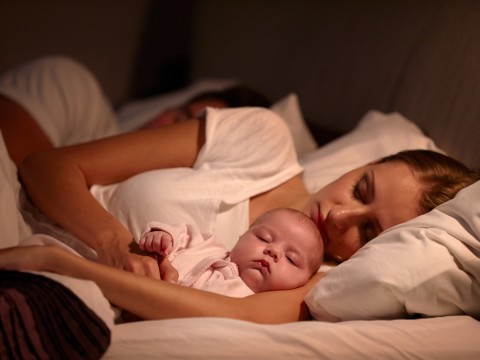
Parents co-sleep in many cultures. But risk is not the same in all homes. Studies link early bed-sharing with higher rates of SIDS and accidental suffocation when hazards exist. The highest-risk settings include couches and armchairs. Risks also rise with soft mattresses, pillows, duvets, gaps, and shared sleep with people who smoke or use alcohol or drugs.
Key reasons for higher risk in young infants:
- Overlay and entrapment. Infants cannot move their heads well or push away.
- Rebreathing in soft bedding. Babies can rebreathe exhaled air, and their oxygen drops.
- Surface and gap hazards. Adult beds have pillows, soft spots, and spaces a baby can slip into.
- Deep adult sleep. Exhaustion, alcohol, and certain medicines reduce awareness.
The risk peak is around 1 to 4 months and drops after 6 months. It falls much more after 12 months. This is why When Can Babies Sleep In Your Bed? tends to have a cautious answer.

Source: consolata.org
Safer Sleep Options In The First Year
You can keep closeness without sharing a bed in the early months. These options help you feed fast and watch your baby, while keeping the risk lower.
Good options:
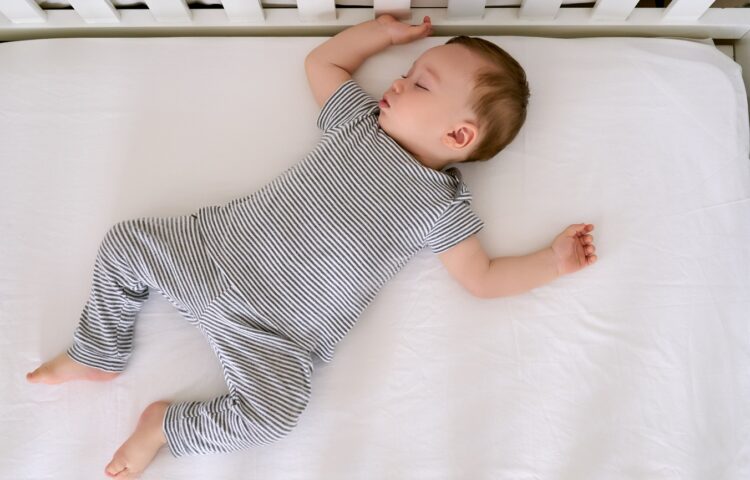
- Room-sharing with a bassinet or crib. Place your baby on their back on a flat, firm surface.
- Bedside sleeper or sidecar crib. Use a product that attaches safely to your bed with no gaps.
- Travel crib or play yard. Firm pad, tight sheet, no loose items.
Simple safe sleep basics:
- Back to sleep for every sleep.
- Firm, flat surface with a tight sheet.
- No pillows, bumpers, stuffed toys, or loose blankets.
- Keep the sleep area smoke-free and cool.
- Offer a pacifier once breastfeeding is established, if you like.
When Can Babies Sleep In Your Bed? Not in this first-year setup. But you can still get rest and stay close.

Source: aumio.com
If You Choose To Bed-Share, Use Harm Reduction
Some families will bed-share at times, such as after a feed at 3 a.m. You deserve practical steps to lower risk. These tips do not make it risk-free. They do make it safer than unsafe setups.
Key harm-reduction steps:
- Use a firm mattress on a low frame or a floor bed. Remove gaps and cords.
- Keep pillows, duvets, and loose blankets away from the baby’s face.
- Place the baby on the outer side only if there is a bed rail that creates no gap. Safer yet, place the baby between the breastfeeding parent and a secured sidecar crib.
- The adult sleeping next to the baby should be a nonsmoker, unimpaired, and not extremely tired.
- Dress the baby in a sleep sack instead of using blankets.
- Place the baby on their back for every sleep. Stop swaddling if bed-sharing.
- Never bed-share on a couch or armchair.
- Keep pets and other children out of the adult bed with the infant.
- Check that the baby’s face and nose stay clear at all times.
Parents ask, When Can Babies Sleep In Your Bed? If you choose to do it earlier than 12 months, use these steps and talk with your clinician about your home setup and risks.
Personal note from practice:
- I worked with a mom of twins who slid into the couch, dozing during feeds. We set up a floor bed with a secured sidecar crib, removed heavy bedding, and added a wearable sleep sack. Night wakings were still tough, but the setup was far safer, and she stopped nodding off on the couch.

Source: boppy.com
Development, Age, and Readiness After The First Year
After the first birthday, your child can roll, crawl, and move bedding off the face. This lowers risk. It does not make adult beds hazard-free. So, When Can Babies Sleep In Your Bed? Many families start after 12 months with clear rules and a safe setup.
Signs of readiness:
- Your toddler can roll both ways and crawl off low surfaces.
- Your child sleeps longer stretches and wakes with a loud cry.
- You can keep the bed area free of soft items and gaps.
Safer setups for toddlers:
- Use a firm mattress on the floor or a low platform.
- Use light bedding. Keep pillows small and away from the child’s face.
- Block spaces between the bed and the wall.
- Use a guard if it fits tightly with no gap.
Behavior tips:
- Set a simple bedtime plan and stick to it.
- Keep a calm pre-sleep routine and clear sleep space rules.
- If your toddler kicks or thrashes, consider a separate mattress next to the bed.
When Can Babies Sleep In Your Bed? After 12 months, with these steps and your clinician’s advice, many families do well.
Source: edu.ph
Cultural Context and Family Values
Co-sleeping is common worldwide. In some places, homes use firm mats on the floor and light blankets. Parents nurse often and avoid alcohol and smoking. These patterns lower hazards. In other homes, soft mattresses, heavy duvets, and deep sleep from exhaustion raise the risk.
Respect your values and match them with safety. Ask yourself:
- Why do we want to bed-share?
- Can we remove hazards in our sleep space?
- Can we get similar closeness with room-sharing or a sidecar crib?
When Can Babies Sleep In Your Bed? The answer depends on age and setup. Align culture with safety, not safety with culture.
Transitions: To and From The Family Bed
Families change sleep plans over time. Some move a toddler into the family bed during teething or travel. Others move from bed-sharing to a crib or a floor bed when kicks start.
If moving into your bed after 12 months:
- Childproof the room. Secure furniture and remove cords.
- Use a floor bed or a low, firm mattress.
- Keep a short, calm routine. Define where everyone sleeps.
If moving out of your bed:
- Use a simple script and a steady plan.
- Start with bedtime in the new space. Offer check-ins, not long talks.
- Place a floor mattress by your bed for a week if needed, then move it.
When Can Babies Sleep In Your Bed? Answer it for your family, then plan the next step with care.

Red Flags and When To Reconsider
There are times when bed-sharing should stop or not start. Safety beats convenience every time.
Press pause and review if:
- Anyone in the bed smokes, uses alcohol, sedatives, or cannabis.
- Your baby is under 12 months, was born preterm, or had a low birth weight.
- You only have a couch or a recliner option.
- Your bed has soft bedding, thick pillows, or gaps you cannot fix.
- You feel too exhausted to stay alert to your baby’s position.
In these cases, room-sharing with a crib or bassinet is safer. When Can Babies Sleep In Your Bed? Not yet if you see these red flags.
Frequently Asked Questions: When Can Babies Sleep In Your Bed?
Is it ever safe to bed-share with a newborn?
No. The first months carry the highest risk of SIDS and suffocation. Use room-sharing with a bassinet or crib instead.
When can babies sleep in your bed if they only sleep on you?
Wait until after 12 months. Use a firm, hazard-free setup and work on gradual transfers to a safe sleep surface.
Does breastfeeding make bed-sharing safe before 12 months?
Breastfeeding lowers SIDS risk overall, but it does not remove bed-sharing hazards for young infants. Safer choices still matter.
What if I fall asleep while feeding at night?
Plan for it. Feed in bed on a cleared, firm surface, not on a couch or chair, and remove pillows and blankets near the baby.
When can babies sleep in your bed during travel?
After 12 months, if you can make the sleep space safe. A travel crib beside your bed is often the easiest safe choice.
Can I use a weighted blanket with my toddler in a family bed?
No. Avoid weighted blankets for infants and young toddlers. They can trap heat and limit movement.
How do I keep a toddler from rolling off the bed?
Use a floor bed or a tight-fitting guard with no gap. Keep the area around the bed soft and clear.
Conclusion
Parents crave rest and closeness, and safety must lead the way. When Can Babies Sleep In Your Bed? The lowest-risk time is after 12 months, with a firm surface, clear airways, and no gaps or loose bedding. If you choose to bed-share sooner, use strict harm-reduction steps and speak with your clinician.
Take one action tonight. Clear your sleep space, plan your routine, and choose the safest setup for your baby’s age. Want more guides like this? Subscribe, share your experience, or leave a question so we can help you rest well and rest safe.