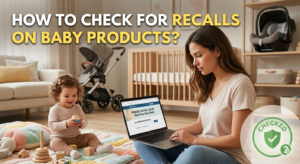
How To Check For Recalls On Baby Products using official tools, alerts, and serial checks. Quick, trusted steps to keep your baby safe—read now. Check the CPSC, NHTSA, and FDA databases, then contact the manufacturer for remedies. When a product touches your baby’s crib, car seat, or feeding time, there is no room for guesswork.
This guide shows you How To Check For Recalls On Baby Products with simple steps, trusted sources, and real-life tips. I’ve spent years helping parents navigate recalls, and I’ll walk you through what to watch for, where to look, and what to do next to keep your family safe.
What a baby product recall means and why it matters
A recall is an official safety action. It happens when a product could hurt a child or fail in normal use. Recalls can be voluntary by a brand or ordered by a government agency. The goal is to repair, replace, or remove unsafe items fast.
There are three common remedies. You may get a free repair kit. You may get a full or partial refund. Or the company may swap the item for a safer version. You will also see advice to stop using the product at once.
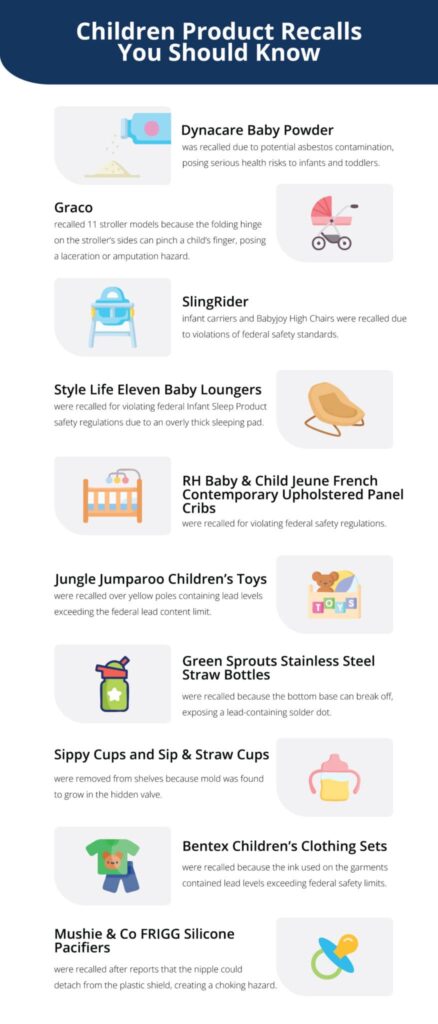
This is not rare. Each year, agencies announce many recalls of gear for babies and toddlers. These include cribs, swings, carriers, formula, and car seats. Hazards range from choking and strangulation to fire and poisoning.
From my own work, I once spotted a recalled inclined sleeper at a friend’s home. The parents had no idea. A two-minute search and one call got them a refund and a safer bassinet. This is why learning How To Check For Recalls On Baby Products is worth your time.
Source: lanierlawfirm.com
Where to check recalls for baby products
Use official and trusted sources first. These databases list current and past recalls. They also share fixed steps and contact details.
- U.S. Consumer Product Safety Commission. Covers most baby products like cribs, strollers, high chairs, swings, toys, sleep products, and carriers.
- National Highway Traffic Safety Administration. Covers car seats, bases, and related vehicle gear.
- Food and Drug Administration. Covers infant formula, bottles with medical claims, teething gels, breast pumps, and some feeding items.
- Recalls.gov. A portal that pulls recall news from several agencies in one place.
- SaferProducts.gov. Let’s you search reports from consumers and submit your own.
- Manufacturer websites and customer service. Brands publish recall notices and fix instructions.
- Major retailers. Many posts recall alerts and email buyers when they can match past purchases.
- State health departments. Some share local alerts and guidance.
Tip: Bookmark these sites. They are the backbone of How To Check For Recalls On Baby Products.

Source: babylist.com
How To Check For Recalls On Baby Products: step-by-step
Follow these clear steps. They work for most baby gear.
- Gather product details
- Find the brand name, model name, and model number.
- Note the manufacture date, serial number, and lot or batch code.
- Check labels under seats, inside frames, near hinges, or on the packaging.
- Search official databases
- Look up the item on the CPSC database for most gear.
- Check NHTSA for car seats and car seat bases.
- Check the FDA for formula, teething gels, and some feeding products.
- Use smart search terms
- Try the brand plus model and keywords like recall, hazard, or repair kit.
- Search with and without hyphens or spaces in model numbers.
- Read the recall notice in full
- Confirm your model, color, or lot is included. Some recalls cover only certain dates.
- Review the hazard, stop-use advice, and remedy options.
- Contact the brand
- Request the repair kit, refund, or replacement.
- Ask how long it will take and what proof you need.
- Remove the item from use
- Keep it out of reach until fixed or refunded.
- Do not donate or resell recalled items.
- Document your steps
- Save emails, photos of labels, and receipts.
- Add a reminder to recheck in a week if you wait on parts.
- Set alerts for next time
- Sign up for agency and brand emails.
- Build a simple monthly recall check routine.
These steps make How To Check For Recalls On Baby Products fast, repeatable, and clear.
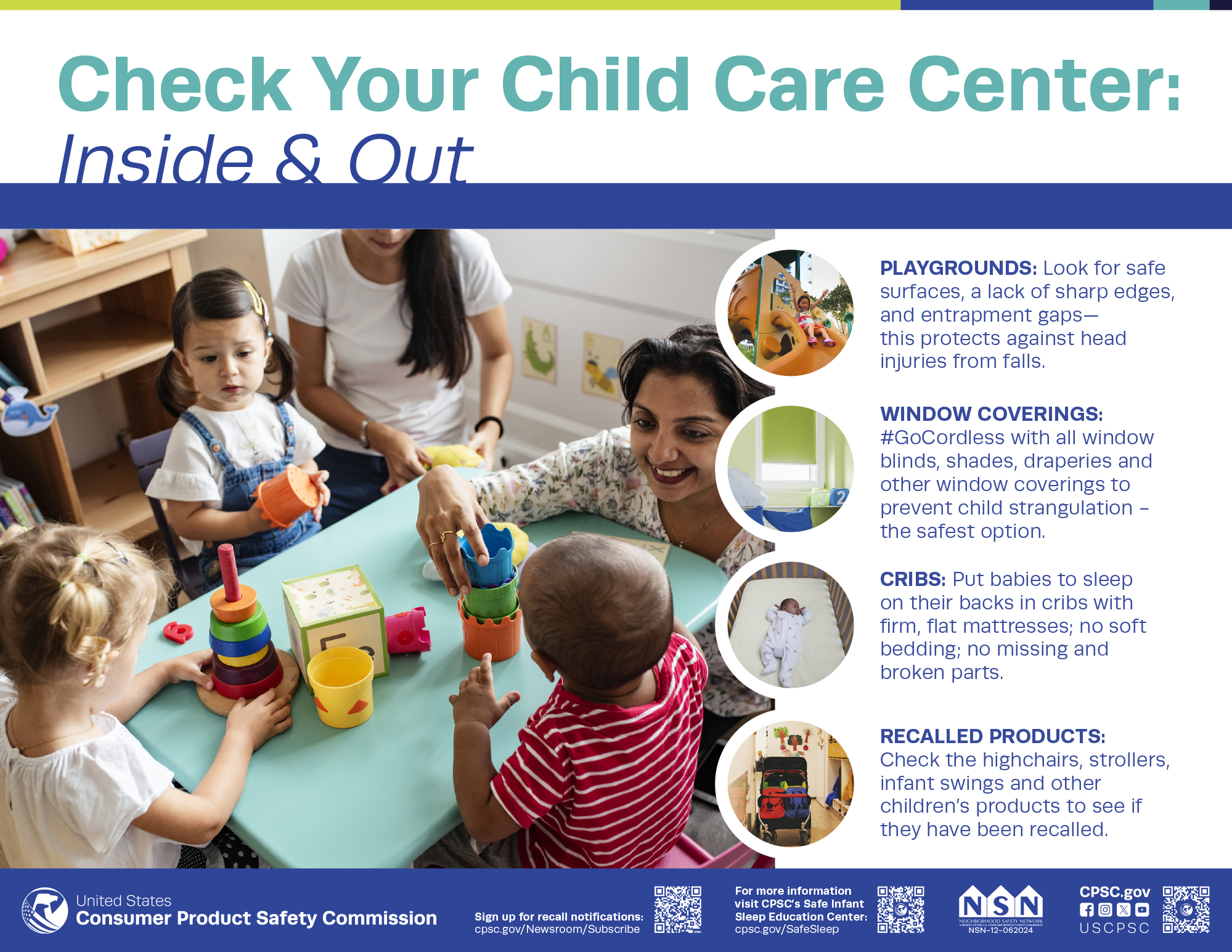
Source: cpsc.gov
Set up proactive alerts and reminders
You can catch recalls early with alerts. It takes five minutes to set up and can save hours later.
- Sign up for CPSC and NHTSA email alerts. Choose child product categories.
- Subscribe to FDA recalls and safety alerts for formula and feeding items.
- Join brand newsletters for the gear you own. Many send recall notices fast.
- Turn on retailer alerts in your shopping accounts.
- Create a calendar event. Do a recall sweep on the first day of each month.
- Keep a simple spreadsheet of your baby gear with model numbers and dates.
These steps support How To Check For Recalls On Baby Products without stress.
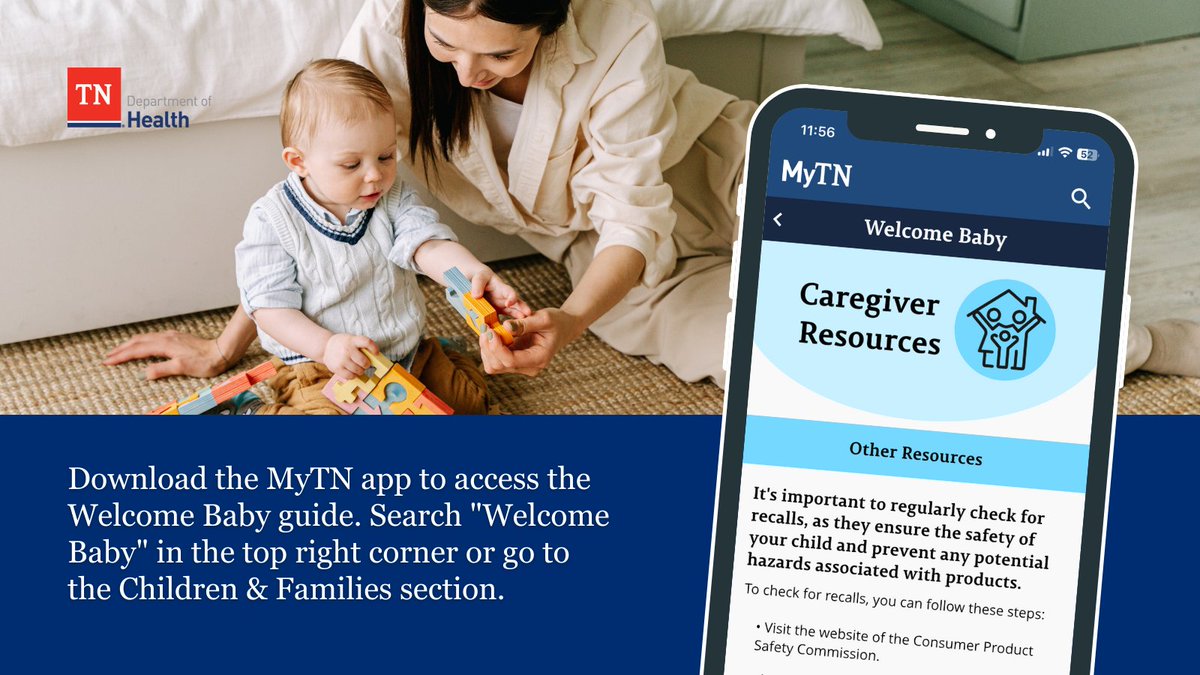
Source: x.com
What to do if your baby product is recalled
Act now and keep it simple.
- Stop using the product at once.
- Follow the official remedy. Order the repair kit, refund, or replacement.
- Keep all parts. Some remedies require serial plates or cut cords as proof.
- Ask for a prepaid return label if shipping is needed.
- If harm occurred, file a report with the proper agency.
Helpful script for customer service:
“I own [brand, model, number]. I see your recall dated [month, year]. My serial is [serial]. Please confirm I qualify and send the remedy and timeline.”
This direct plan fits any case of how to Check For Recalls On Baby Products.
Source: twicelovedkids.com
Keep records and register your gear
Product registration helps brands reach you within days of a recall. For car seats in the U.S., registration is vital.
- Fill the registration card that came with the item or register online.
- Keep your contact info current with the brand.
- Save receipts and photos of labels in a cloud folder.
- Write the model and serial numbers on a small tag and tape it under the product for quick checks.
Concerned about privacy? Brands use registration to send safety notices and recall info. You can opt out of marketing. The safety upside is strong.
Strong records make How To Check For Recalls On Baby Products faster each time.

Source: reddit.com
High-risk categories and red flags to watch
Some items trigger more recalls and need close checks.
- Car seats. Look for faulty buckles, webbing, chest clips, or base latches.
- Sleep products. Avoid inclined sleepers. Use flat, firm sleep surfaces only. Beware of padded bumpers and loose fabric.
- Cribs and play yards. Check slat spacing, hardware, and mattress fit. Drop-side cribs are banned.
- Strollers and high chairs. Watch for hinge pinches, wheel detachments, and tip hazards.
- Toys. Look for small parts, magnets, button batteries, and lead paint.
- Feeding items and formula. Check lot codes often. Watch for contamination alerts.
Red flags at a glance: strong chemical smells, loose stitching, sticky buckles, sharp edges, missing screws, and vague labels. If a product looks altered, skip it.
Spotting these signs is part of How To Check For Recalls On Baby Products before a problem starts.

Source: organicsbestshop.com
Buying secondhand? Extra checks for safety
Used gear can be a great value, but you must check harder.
- Verify the exact model and lot code. Search for recalls by number and date.
- Confirm all parts, manuals, and warning labels are present.
- Inspect for cracks, repairs, or missing hardware.
- Skip car seats unless you know the full history and crash status, and the seat is not expired.
- Measure crib slats and confirm modern safety standards.
- Test stability. A gentle push should not tip strollers, high chairs, or swings.
Run the same process every time you buy. This is a key part of How To Check For Recalls On Baby Products when shopping used.
Source: 41nbc.com
Quick PAA-style answers
How often should I check for recalls?
Do a quick sweep once a month and after any big news story. Also, check when you buy or get a hand-me-down.
What info do I need before I search?
You need the brand, model number, and production date or lot code. Photos of labels help.
Where can I report a problem product?
File a report with the CPSC or the relevant agency. Also, notify the brand so they can act fast.
Frequently Asked Questions: How To Check For Recalls On Baby Products?
How do I find the model number on baby gear?
Check under seats, inside frames, near hinges, or on sewn tags. Boxes and manuals also list it.
Are all recalled products dangerous?
A recall means a risk exists, even if no injuries have happened. Treat every recall as serious until fixed.
What if my product is similar but not listed?
Contact the brand with your model and date code. Some recalls expand over time as more data comes in.
Can I keep using a recalled item while I wait for parts?
No. Stop using it right away. Ask the brand for a safe workaround, or request a refund or replacement.
Do recalls expire?
No, recalls do not expire. Remedies may change, but the safety notice remains valid.
Is registering my product really necessary?
Yes. It lets brands reach you fast in a recall. You can limit marketing while keeping safety alerts.
How can I check recalls for gifts or hand-me-downs?
Ask the giver for any receipts or photos of labels. Use those details to search the official databases.
Conclusion
Safety is a habit, not a one-time task. When you master How To Check For Recalls On Baby Products, you build a simple system that protects your child every day. Use the official databases, set alerts, register your gear, and keep clean records. Five minutes a month can prevent a serious injury.
Ready to take the next step? Do a quick recall sweep of your baby gear today, then share this guide with a friend. Subscribe for more safety checklists and practical parent tips.