Learn ages, milestones, and safety tips so you know When Do Kids Learn To Swim On Their Own. Practical steps for parents to build water confidence. Most kids learn to swim on their own between the ages of five and seven with steady lessons.
Parents often ask, When Do Kids Learn To Swim On Their Own? The real answer depends on skills, practice, and safety habits. As a coach who has taught hundreds of kids, I will show you the full path. You will learn the signs of readiness, the skills that matter, and how to guide your child with calm, proven steps. Read on for a clear plan you can start today.
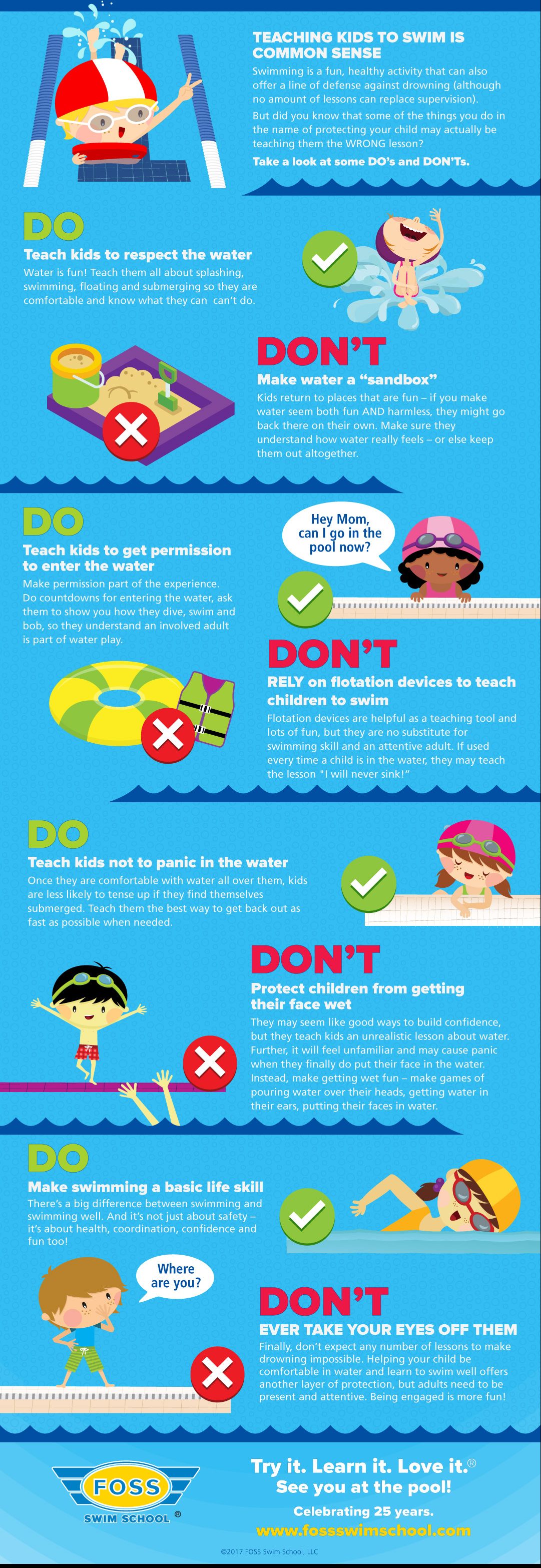
Source: fossswimschool.com
What “swimming on their own” really means
Independent swimming is more than moving forward in the water. It means a child can float, come up for air, and swim a short distance without help. A good test is 15 yards on the front, 30 seconds of back float, and safe entry and exit.
This is not the same as drown-proofing. No child is ever drown-proof. Even strong swimmers need watchful eyes and layers of safety. When Do Kids Learn To Swim On Their Own? They do so when they can breathe, float, and move with control, not when they can splash across once.
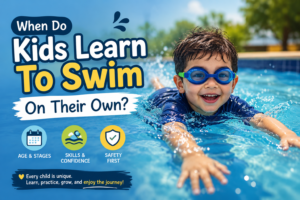
Typical age ranges and milestones
Most children show true independent skills between the ages of five and seven. Some get there closer to age four. Others need until seven or eight. The range is normal. Lessons from about age one build comfort and reduce risk, but real solo swimming needs body control and breath control.
Expect early wins at ages three to four, like face-in bubbles and short glides. By five to six, many can float, kick with a board, and swim the width of a small pool. By six to eight, many can swim a length, back float on cue, and tread for 30 to 60 seconds.
When Do Kids Learn To Swim On Their Own? Most reach this point when they can repeat these skills without cues on more than one day.
Source: ebay.com
Skills by age: a simple roadmap
The ages below are guides, not rules. Progress depends on time in the water, coaching, and comfort.
6 to 18 months: Water comfort with a parent
Focus on happy play and trust. Use songs, gentle pours of water over the head, and face splashes. No forced submersions. Aim for relaxed time and safe holds.
18 months to 3 years: Breath control begins
Play bubble games. Practice safe entries. Hold a front float with support. Kick with a board while the face is in for a second or two. End every small win with a back float reset.
4 to 5 years: Short swims and floats
Work on push-and-glide, five-yard swims to a wall, and roll to the back to breathe. Add simple arm pulls and steady kicks. Learn to jump in, surface, roll to the back, and float.
6 to 8 years: True independence
Swim 10 to 15 yards front crawl with side breaths. Back float for 30 seconds. Tread water for up to a minute. Learn safe deep-water entries and how to rest on the back before swimming again. When Do Kids Learn To Swim On Their Own? For many, this is the window where it clicks.
8+ years: Endurance and stroke polish
Build distance and add strokes like breaststroke and butterfly. Learn lane rules and how to pace. Improve rescue skills, like reaching with a noodle or throwing a life ring.
Source: houstonswimclub.com
Factors that shift the timeline
Many things affect When Do Kids Learn To Swim On Their Own. Look at these common factors.
- Lesson quality and frequency: Two to three short sessions per week beat one long session.
- Water time outside lessons: Safe, playful time builds comfort fast.
- Temperament and fear: Gentle exposure beats pressure. Let the child set the pace.
- Motor skills and fitness: Core strength and body awareness speed up floating and gliding.
- Health and sensory needs: Vision, ear issues, or neurodiversity may call for tailored steps.
- Environment: Warm, shallow water helps early success. Cold or busy pools can slow progress.
A step-by-step teaching plan you can use
Follow this simple plan. Keep sessions fun and short. Stop on a win.
- Face the water. Pour water on the head. Blow bubbles. Hum under water for one to two seconds.
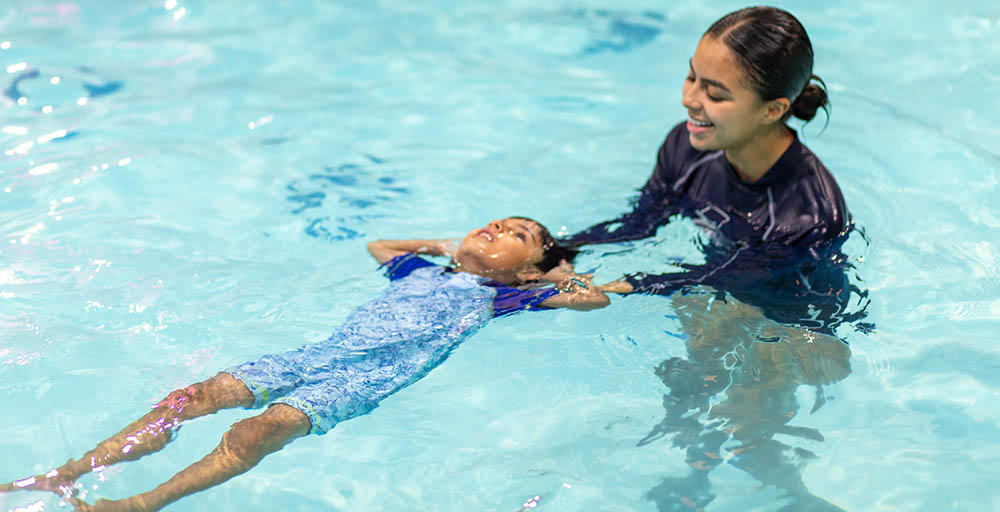
- Learn to float. Support the back of the head and hips. Count to ten. Smile and breathe.
- Push and glide. Hands forward, face in, gentle push to the coach, then stand up.
- Add kicks. Small, fast kicks from the hips. Toes splash, knees soft.
- Add arms. Big scoops under the water at first. Then add easy side breaths.
- Roll to breathe. Swim three strokes, roll to the back, float and breathe, roll back and swim.
- Tread and rest. Practice eggbeater or scull hands with light kicks. Count to 30.
- Safe entries and exits. Sit-slide in. Use ladders and elbows-knees to get out.
- Build distance. Repeat short sets. Ten yards, rest and float, then go again.
When Do Kids Learn To Swim On Their Own? They do when they can link these steps without help on a calm day, more than once.
Safety rules that never change
Water safety is a layer cake. Keep all layers in place.
- Watch the water. An adult who knows the plan stays within arm’s reach for weak swimmers.
- Fence and lock pools. Four-sided fencing with self-latching gates is key.
- Use real-life jackets in open water. Skip air-filled arm bands and toy floaties.
- Learn CPR and rescue skills. Seconds matter.
- Check drains and water clarity. Tie back hair and avoid loose strings.
- No breath-holding games. Teach slow, gentle breaths and steady play.
When Do Kids Learn To Swim On Their Own? Even then, rules still apply. Skills lower risk, but they do not remove it.
Readiness signs and progress checks
Look for signs that show your child is close. Use this list to guide next steps.
- Calm face-in for five to ten seconds. Bubbles and hums.
- Back float for 20 to 30 seconds with a relaxed face and hips up.
- Swim 10 yards to a target with a breath on the side or a roll to back.
- Tread water for 30 seconds without panic.
- Follow the coach cues and try again after a miss.
When Do Kids Learn To Swim On Their Own? Often, right after, they can pass these checks on two different days.
Common mistakes to avoid
Avoid these traps that slow progress.
- Rushing to strokes before breath and float control.
- Using arm floaties that change body position and give false safety.
- Irregular lessons. Long breaks cause fear to creep back in.
- Forcing submersions. That kills trust.
- Comparing siblings or friends. Each child’s path is unique.
When Do Kids Learn To Swim On Their Own? Faster, when you keep trust high and practice steadily.
Coaching insights from the pool deck
In my classes, I see the same pattern. Weekly lessons plus one family swim time works best. Many five-year-olds go from short glides to 15 yards in eight to twelve weeks. The turn comes when they learn to relax on the back and breathe without hurry.
One child, age six, feared facing water for months. We won with tiny goals: one bubble, one glide, one roll. After that, progress was fast and smooth. When Do Kids Learn To Swim On Their Own? The day they trust the float and let the breath lead the stroke.
Frequently Asked Questions: When Do Kids Learn To Swim On Their Own?
What is the average age at which kids swim alone without help?
Many children swim on their own between the ages of five and seven. Some are ready earlier, and some later, based on practice and comfort.
How long does it take to learn once lessons start?
With two to three sessions a week, many kids show strong gains in two to three months. True independence may take longer and comes in steps.
Do early lessons at age one help?
Yes, early lessons build comfort and reduce risk. But real solo swimming still takes time, body control, and steady practice.
Is it safe to use floaties?
Skip air-filled arm bands. They tip kids forward and create false safety. Use life jackets on open water and a parent’s touch in pools.
What distance counts as swimming on their own?
A helpful goal is 10 to 15 yards with a breath and a safe back float. Add treading for 30 seconds and calm entry and exit.
What if my child fears putting the face in?
Go slow. Use goggles, games, and tiny bubble goals. Praise effort, stop on wins, and never force submersion.
Can kids with special needs learn to swim on their own?
Yes. Many thrive with patient coaching and tailored steps. Work with instructors who have experience and adjust goals as needed.
Conclusion
Most kids reach real independence between five and seven, once breath, float, and short-distance skills click. Steady, kind practice beats pressure every time. Build trust, keep sessions short, and stack wins.
Start this week with bubbles, glides, and a back float. Book consistent lessons, plan a family swim time, and learn basic CPR. If this guide helped, share it with a friend, subscribe for more tips, or leave a question—I’m happy to help.