
Get clear milestones for When Do Toddlers Start Jumping With Both Feet?, fun practice ideas, and when to seek help—quick, parent-friendly tips to boost skills. Most toddlers jump with both feet between 24 and 30 months.
Curious about the leap from tiptoes to takeoff? You are not alone. Parents often ask When Do Toddlers Start Jumping With Both Feet? because it signals strong gross motor growth, balance, and confidence.
In this guide, I share clear steps, research-backed ranges, and real-life tips from years of watching little legs learn to launch. Stay with me to understand what to expect, how to help, and when to ask for advice.

What Does Jumping With Both Feet Mean?
Jumping with both feet means your child bends both knees, pushes off the ground at the same time, and both feet leave the floor together. It also means a two-foot landing. This skill shows balance, strength, and body control. When Do Toddlers Start Jumping With Both Feet? depends on how fast these skills come together.
When Do Toddlers Start Jumping With Both Feet?
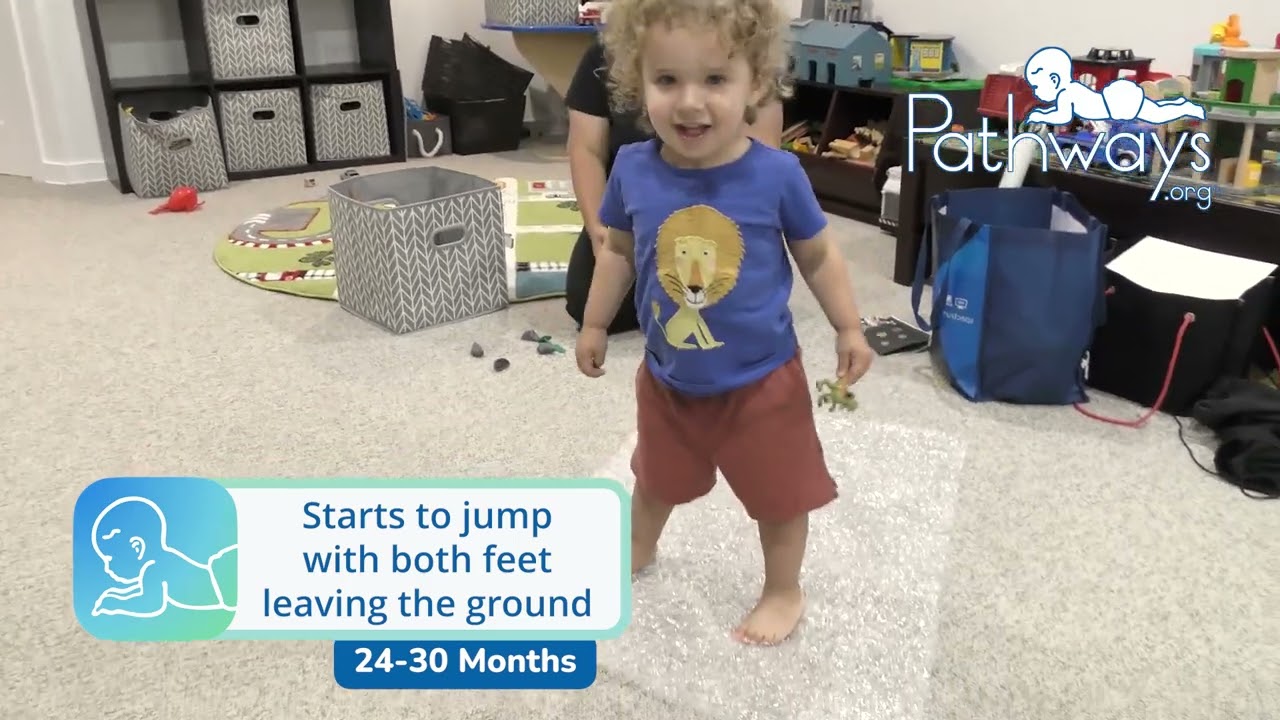
Most toddlers start to lift both feet around 24 to 30 months. Many can jump forward a few inches and jump down from a low step by 30 to 36 months. By age 3, most kids can jump with better height and safer landings.
Timelines vary. Some children jump early. Others need more time and practice. When Do Toddlers Start Jumping With Both Feet? is a common search because there is a wide, normal range. If your child is close but not quite there, that is still fine.

The Skills Behind The Leap: Strength, Balance, Coordination
Jumping is not just one move. It is a bundle of skills that mature over time.
- Strength: Core, hips, thighs, and calves power the push and control the landing.
- Balance: The inner ear (vestibular system) and body awareness (proprioception) help keep posture steady.
- Motor planning: The brain sequences bend, push, lift, and land in one smooth action.
- Joint mobility: Ankles need to bend (dorsiflex), and knees must flex for a deep squat.
- Bilateral coordination: Both sides of the body work together for a two-foot takeoff and landing.
In parent groups I have led, I see children first try little hops with one foot dragging. Over a few weeks, those wobbly hops become real two-foot jumps. When Do Toddlers Start Jumping With Both Feet? Often lines up with when these building blocks click.

Typical Timeline And Variations
Every child grows at a unique pace, but this is a helpful road map.
- 18–24 months: Bends knees, bounces in place, may lift heels off the floor.
- 24–30 months: Clears both feet for a tiny jump in place; starts short forward jumps.
- 30–36 months: Jumps down from a low step (4–6 inches) with two feet; better balance and landing control.
- 3–4 years: Jumps farther, hops on one foot, and joins in simple obstacle games.
Factors that shape progress include practice time, confidence, personality, health, and space to move. When Do Toddlers Start Jumping With Both Feet? It also depends on how often they play on safe floors, grass, and playgrounds.

How To Encourage Safe Jumping Skills
You can help your child build a steady base and make learning fun.
- Make time for free play: Barefoot play on soft mats or grass builds foot strength and balance.
- Show and model: Squat with your child. Count to three. Jump together. Celebrate small wins.
- Use simple cues: Say bend, push, land. Keep words short and clear.
- Start low and slow: Practice mini jumps over a line of tape before trying blocks or steps.
- Keep sessions short: Aim for 5–10 minutes. Stop before your child gets tired.
From my experience in community playgroups, children jump sooner when parents give them chances every day. When Do Toddlers Start Jumping With Both Feet? often speeds up with fun, regular practice and patient coaching.

Signs To Watch And When To Seek Advice
Most late jumpers catch up with time and practice. Still, talk with your pediatrician if you notice the signs below.
- Not trying to jump by 36 months.
- Very stiff legs, very frequent falls, or a big fear of leaving the ground.
- Strong preference for one side or a clear limp.
- Few gains in other gross motor skills, like running or climbing.
Professional guidance can give you a tailored plan. It is also fine to ask sooner if you feel unsure. When Do Toddlers Start Jumping With Both Feet? can be a source of stress, but a quick check can ease your mind.

Fun Activities And Games To Build Jumping
Turn practice into play with simple tools you already have.
- Frog jumps: Squat low, swing arms, and jump like a frog. Count out loud.
- Line hops: Place painter’s tape on the floor. Hop over and back.
- Bubble pop: Blow bubbles and ask your child to jump to pop the higher ones.
- Pillow path: Lay down firm pillows and jump from one to the next.
- Step-downs: Step off a low step with two feet together. Land with soft knees.
- Chalk targets: Draw circles and invite your child to jump into each one.
I often see the fastest gains when families use one or two of these games each day. When Do Toddlers Start Jumping With Both Feet? becomes less of a worry when play is part of the routine.

Frequently Asked Questions: When Do Toddlers Start Jumping With Both Feet?
Is it normal if my 2-year-old cannot jump yet?
Yes. Many children learn between 24 and 30 months, and some need more time. Keep offering safe, simple practice and watch for steady progress.
How can I teach my toddler to jump with both feet?
Use short cues like bend, push, land, and model the move. Practice over a tape line first, then try small forward jumps.
Do shoes help or hurt learning to jump?
Barefoot is great on safe surfaces because toes can grip and feel the ground. Flexible, well-fitting shoes work well outdoors.
Are mini trampolines safe for toddlers?
Use only with close adult supervision and safety bars if available. Many families do better with floor-based games until balance improves.
When should I worry and call the doctor?
If your child is not attempting to jump by 36 months or has other motor delays, ask your pediatrician. Early guidance can help.
What comes after learning to jump?
Children learn to jump farther, jump down from higher steps, and then hop on one foot. Galloping and skipping often come later, around preschool age.
How high or far should a toddler jump?
At first, height and distance are tiny, often an inch or two. By 3 years, many can jump forward 6–24 inches on flat ground.
Does strength training help toddlers jump?
Yes, in a playful way. Squats, climbing at the playground, and animal walks build the muscles needed for stable takeoffs and soft landings.
Conclusion
Most toddlers master two-footed jumping between 24 and 30 months, with bigger, safer jumps by 3 years. Support the process with short, daily play, clear cues, and patient praise. If concerns arise, a quick chat with your pediatrician can guide next steps.
Try one new game today, such as line hops or frog jumps, and make it a mini ritual. Want more guides like this on early gross motor skills? Subscribe, share your questions, or leave a comment with your child’s favorite jumping game.