
Curious about When Do Babies Learn To Kick A Ball? Get the age range, motor milestones, and playful tips to support kicking skills, straight from experts. Most babies kick a ball around 18–24 months, after steady walking starts.
Curious about When Do Babies Learn To Kick A Ball? You’re in the right place. Drawing on pediatric best practices and years of hands-on coaching with toddlers, this guide explains milestones, training tips, safety, and real-life examples so you can support your child with skill and confidence.
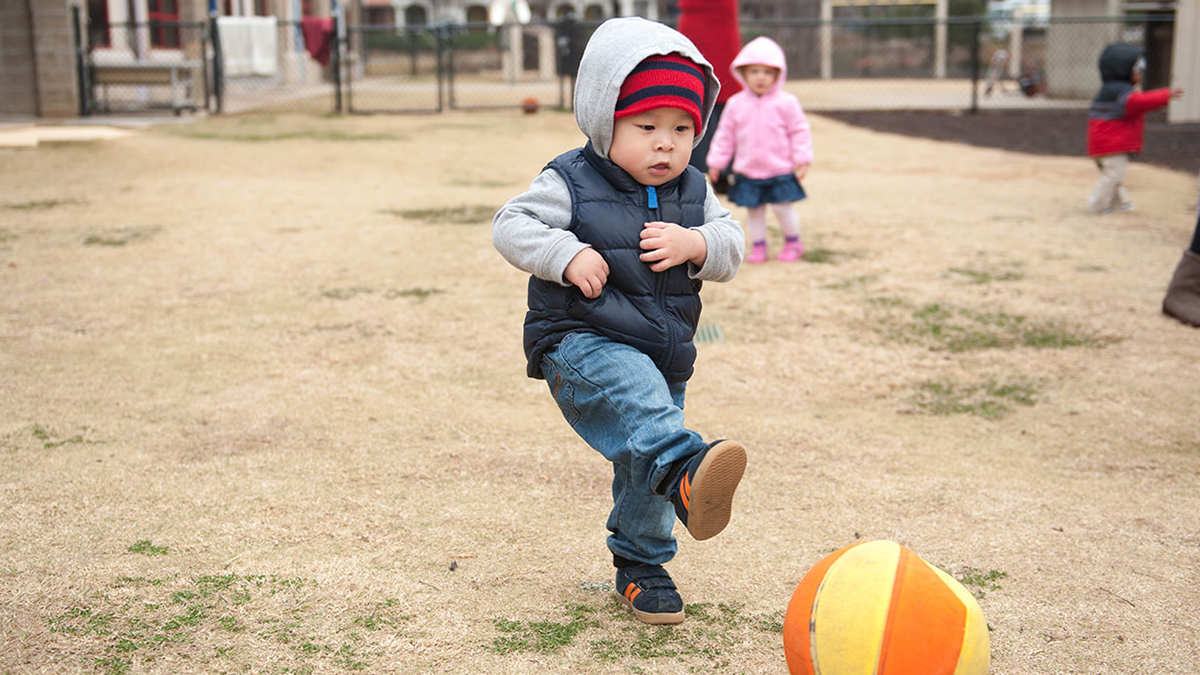
Source: cdc.gov
What “kicking a ball” really means
To answer When Do Babies Learn To Kick A Ball?, we need to define it. Kicking is more than a tap. It mixes balance, weight shift, aim, and a swing of the leg. It starts as play and grows into a skill.
In infant months, kicks are reflexes. Later, a child learns to stand and move weight from one leg to the other. Then the foot makes contact on purpose. Each step needs core control, vision, and timing.
Kicking supports other movement skills. It helps balance, leg strength, and planning. It also builds confidence and social play in games with others.
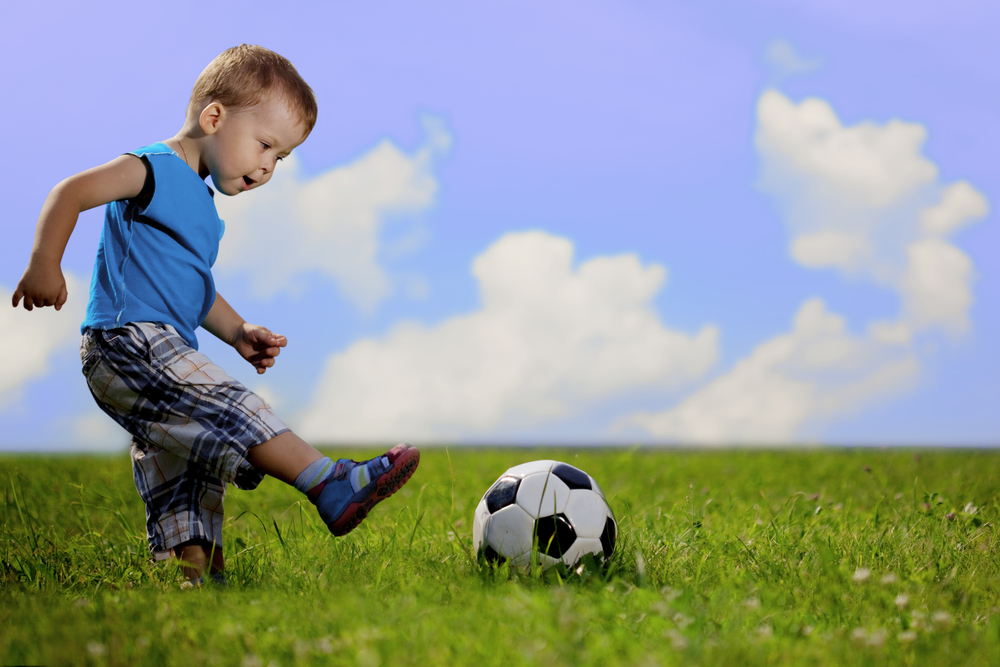
Source: babysparks.com
When Do Babies Learn To Kick A Ball? Milestones by age
Parents often ask: When Do Babies Learn To Kick A Ball? Most children follow a broad path. Each child has a unique timeline. Preterm babies may reach goals later based on corrected age.
Here is a simple guide:
- 0–3 months: Reflex kicks in the air. No aim. Just early movement.
- 4–6 months: Stronger leg play while lying. May bump a softball by chance.
- 6–9 months: Sits and taps a ball with feet. Starts cause-and-effect play.
- 9–12 months: Pulls to stand. Tries a supported kick while holding on.
- 12–15 months: First true kicks with help. Balance is still new.
- 16–18 months: Stands and kicks a still ball a short distance.
- 18–24 months: Many toddlers kick a ball forward on command. Often 1–2 feet.
- 24–30 months: Kicks with more power. Can run and then kick.
- 3 years and up: Kicks a moving ball. Starts with simple dribbling and aiming.
Most pediatric milestone charts list “kicks a ball” by about 24 months. That said, wide variation is normal. The key is steady progress, not a perfect date. When Do Babies Learn To Kick A Ball? Most do between 18 and 24 months, once walking is steady and balance improves.

Source: whattoexpect.com
Readiness signs and what helps
A few clues show your child is ready to try. When Do Babies Learn To Kick A Ball? These signs tell you the time is close.
Readiness signs:
- Stands without support for 5–10 seconds.
- Takes several steps with fewer stumbles.
- Squats to pick up toys and stands back up.
- Follows a simple cue, like “kick” or “push.”
What helps:
- Short barefoot play on safe floors for foot feel and grip.
- Soft, light balls (foam or size 1 mini soccer ball).
- Clear space with a wall or box as a target.
- Simple, upbeat cues. Try “1–2–kick!”
Balance builds first. Then power and aim grow with practice.

Source: amazon.com
How to teach a baby or toddler to kick a ball
When Do Babies Learn To Kick A Ball? Sooner with playful practice. Keep it short and fun.
Try these steps:
- Start with a very soft ball. Place it near the child’s dominant foot.
- Stand at the child’s side. Offer a steady hand for balance.
- Model first. Gently tap the ball and say “kick” in a calm voice.
- Use a countdown. “1–2–kick!” It sets a clear rhythm.
- Aim at a close target, like a wall 3–5 feet away.
- Praise small taps. Do not push the leg or force big swings.
- Back up if needed. Practice weight shift without the ball first.
- Keep sessions to 5–7 minutes. Stop while interest is high.
As skill improves, add fun twists. Try colored targets, a small goal, or a rolling ball pushed very slowly toward your child.
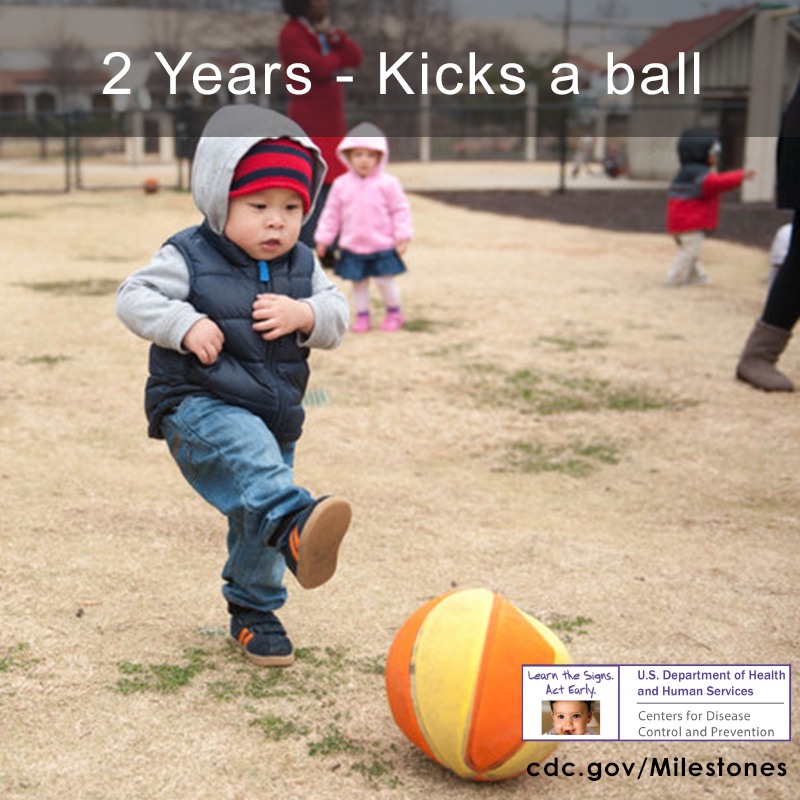
Source: cdc.gov
Safety, gear, and setup
Safe play builds trust. It also limits falls.
Helpful tips:
- Space: Use grass, a mat, or carpet. Avoid clutter and slick floors.
- Footwear: Barefoot or flexible shoes are best for early practice.
- Ball choice: Soft foam or felted balls protect toes and furniture.
- Time: Choose calm times of day. Keep breaks short and frequent.
- Body care: Avoid forcing hip or knee positions. Let the swing be natural.
Most charts place forward kicking by age two. That lines up with safe balance and leg control. When Do Babies Learn To Kick A Ball? Most do when these safety boxes are checked.

Source: whattoexpect.com
Common variations, delays, and when to seek advice
Not every path is smooth. Watch the pattern, not the perfect date. Early leg use can vary, and so can interest in balls.
Consider a check-in if:
- Your child does not try to kick a still ball by 24 months.
- There is a strong side preference before 18 months, plus a clear weakness on one side.
- Foot drag, toe-walking all the time, or many falls continue.
- Vision issues or trouble following simple cues limit ball play.
A pediatric visit can rule out vision, tone, or joint concerns. Physical therapy or early intervention can help with balance and core strength. When Do Babies Learn To Kick A Ball? With the right support, most children gain this skill on their own timeline.
Quick answers, parents also ask
Short, clear answers help you act with confidence. These cover the most common points I hear in parent groups and clinics.
Is it normal if my child only uses one foot to kick?
Yes. Most children show a preferred foot early. Keep offering chances to try both feet in play.
Do shoes make kicking easier?
Flexible shoes can help outdoors. Barefoot is often best indoors because it boosts balance and feel.
What size ball should I buy first?
Pick a light foam ball or a mini size 1 ball. It should move with a gentle tap and not hurt toes.

Field notes from real sessions
Across hundreds of toddler sessions, one thing stands out. Kids learn to kick faster when the goal is fun, not power. Simple targets and kind praise work better than drills.
A 19‑month‑old I coached froze at the sight of a ball. We swapped to a bright foam ball and used a laundry basket as a goal. After three short tries with “1–2–kick,” he tapped the ball in and beamed. Small wins build joy, then skill. When Do Babies Learn To Kick A Ball? Often, the moment you remove pressure and add play.
Common mistakes to avoid:
- Using heavy balls too soon.
- Practicing on slippery floors.
- Long sessions that tire legs and mood.
- Rushing running kicks before steady standing.
What works well:
- Soft balls, small goals, clear cues.
- Short practice, many smiles.
- Letting the child choose the ball color or target.
Frequently Asked Questions: When Do Babies Learn To Kick A Ball?
At what age is kicking a ball considered a milestone?
Most charts list “kicks a ball forward” by about 24 months. Many toddlers show early taps between 16 and 20 months.
How can I encourage my 1‑year‑old to kick?
Use a soft foam ball and stand nearby for balance. Model gentle taps and praise, even small tries.
Should I worry if my 2‑year‑old will not kick yet?
Not always. Offer daily chances and watch for progress over a few weeks; if there is no change, speak with your pediatrician.
Is barefoot better for learning to kick?
Often, yes. Barefoot helps balance and foot feel on safe indoor surfaces; flexible shoes are fine outdoors.
What type of ball is best to start with?
Choose a very light, soft ball that moves with a light touch. A mini soccer ball or foam ball is ideal for early practice.
Does kicking a ball help other skills?
Yes. It supports balance, core strength, timing, and attention. It also builds social play and confidence.
How much should we practice?
Try 5–10 minutes, a few times per week. Aim for quality and fun, not long sessions.
Conclusion
Most children learn to kick a ball between 18 and 24 months, once balance and walking are steady. Focus on safe spaces, soft balls, short sessions, and clear, kind cues. The goal is joy first, skill second.
Start today with a two-minute “1–2–kick” game and a soft ball. Celebrate tiny taps. If you found this helpful, subscribe for more parent-friendly guides, or leave a comment with your child’s latest kicking win.