Curious about What Age Do Kids Typically Lose Their First Tooth? Get a clear timeline, signs to watch for, and dentist tips to keep your child’s smile healthy. Most kids lose their first tooth around age six, usually between five and seven. That tiny wobble marks a big milestone and raises many questions.
In this guide, I explain What Age Do Kids Typically Lose Their First Tooth with clear timelines, signs to watch for, and real-life tips. I draw on years of reporting on pediatric health, interviews with dentists, and hands-on experience with school dental programs to help you feel prepared and confident.
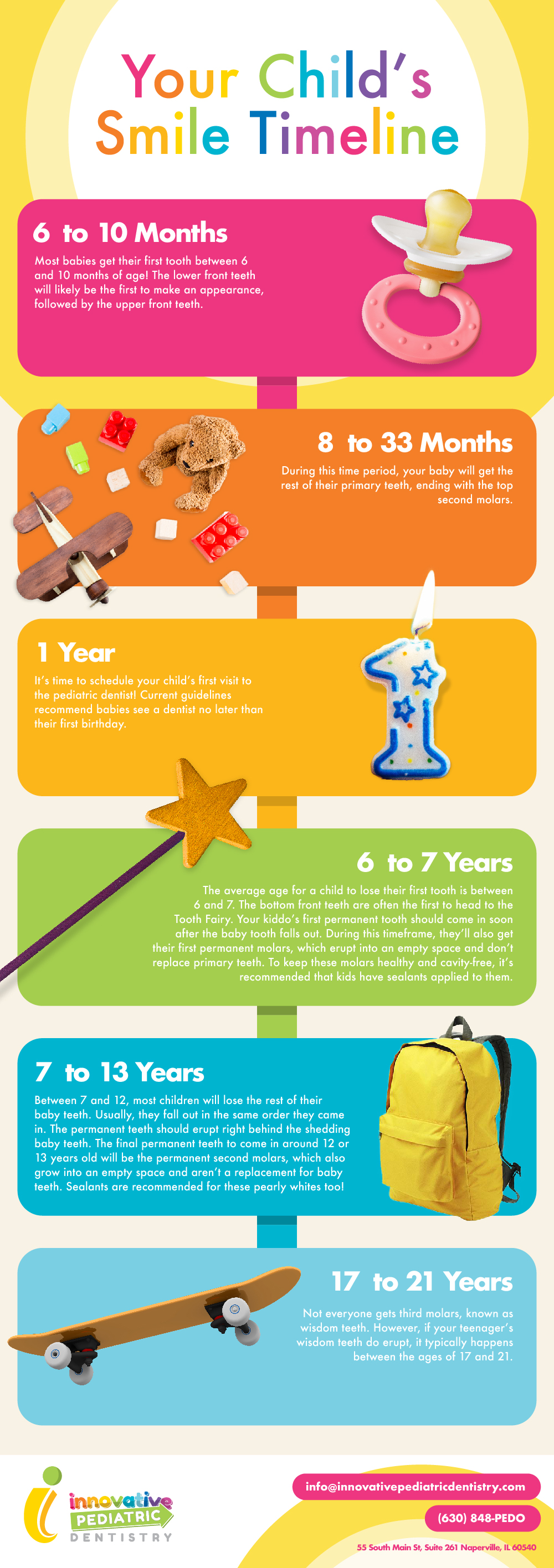
Source: innovativepediatricdentistry.com
At what age do kids typically lose their first tooth? The Typical Timeline
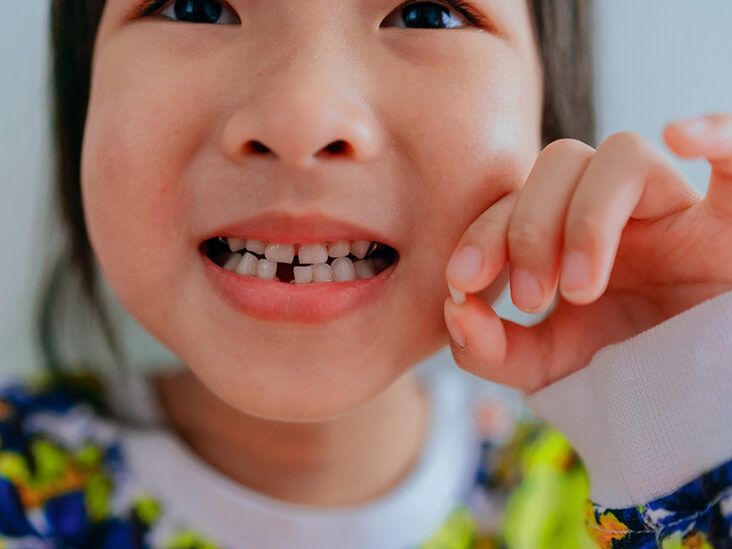
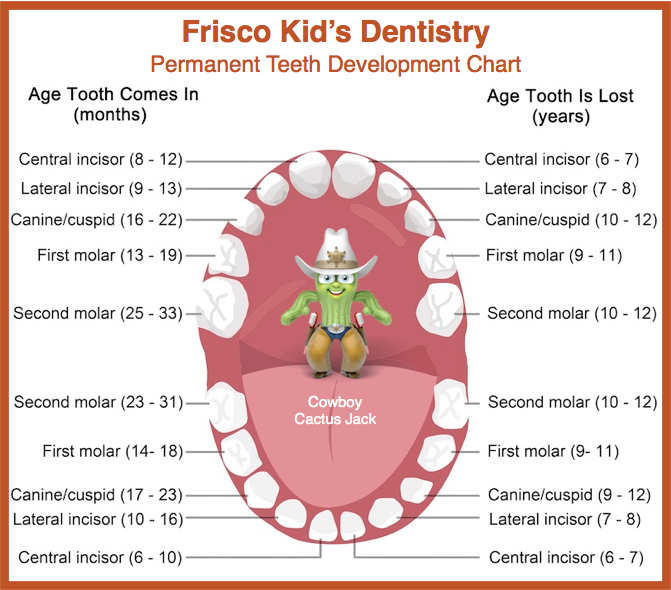
For most children, the first baby tooth falls out around age six. The common window is five to seven years. Girls often start a bit earlier than boys. The first to go are usually the lower front teeth, called the lower central incisors.
Baby teeth fall out because their roots slowly dissolve as adult teeth push up. This natural process is called exfoliation. The order often mirrors how teeth came in during infancy. If the bottom front teeth erupted first, they are often the first to loosen. What Age Do Kids Typically Lose Their First Tooth? depends on this pattern, genetics, and overall growth.
A broad normal range exists. Some healthy kids lose a tooth at four and a half. Others start at seven or even a little later. If your child’s baby teeth erupted early, shedding may start early, too. If they came in late, the shedding can be late. When asking What Age Do Kids Typically Lose Their First Tooth?, remember the answer is a range, not a clock.
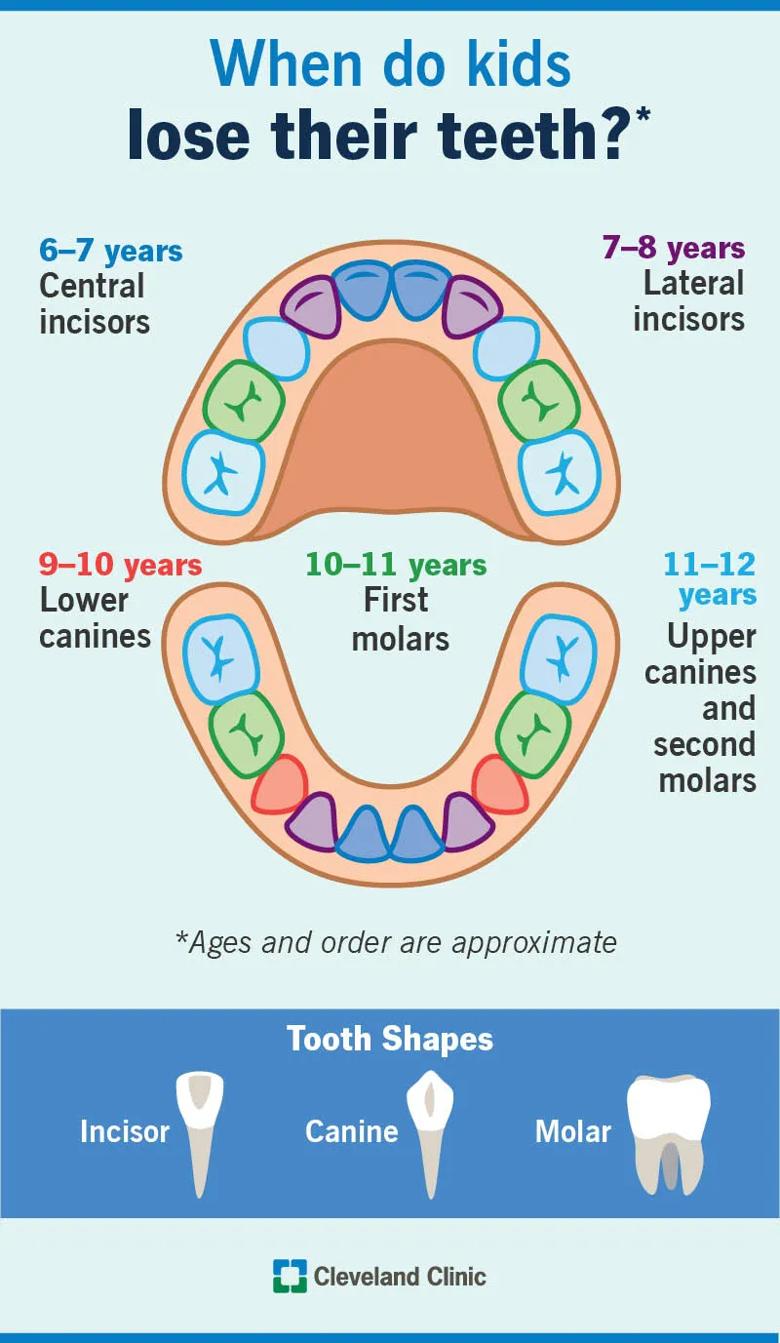
Source: clevelandclinic.org
How the First Loose Tooth Starts: Signs and What to Expect
You will notice a gentle wiggle in a front tooth. Gums may look puffy for a day or two. Your child may feel a mild ache while chewing. A small spot of blood is common when the tooth comes out. A new white edge may peek through the gum soon after, which is the adult tooth.
Sometimes an adult tooth appears behind a baby tooth that has not fallen out yet. This is often called shark teeth and is usually normal. If the baby tooth stays firm for weeks, call your dentist.
Is four years old too early?
It can be early, but it is not always a problem. If other teeth follow a normal order and your child is healthy, your dentist will likely just watch and wait.
Is eight years old too late?
Eight can still be normal, especially if baby teeth came in late. Ask for a dental exam if there are no loose teeth by eight or if adult teeth seem blocked.

Source: neworleanschildrensdental.com
What Affects the Timing? Genetics, Health, and Habits
Several factors shape What Age Do Kids Typically Lose Their First Tooth. Genetics plays a major role. Family patterns tend to repeat. The age when baby teeth first erupted is another strong clue.
Health also matters. Premature birth, low birth weight, and some medical conditions can shift timing. Endocrine issues such as thyroid disorders, vitamin D or calcium problems, and certain childhood illnesses may delay shedding. Past dental trauma or big cavities can change the path or timing for a specific tooth.
Habits have smaller effects. Thumb-sucking, mouth breathing, and tongue thrust can move teeth. This can affect how adult teeth line up, even if the shedding age is typical.

Source: trianglepediatricdentistry.com
Practical Tips for a Smooth First Tooth Loss
A little care goes a long way. The key is to let nature lead and keep things clean.
- Encourage gentle wiggling with clean fingers or the tongue. Do not yank.
- Brush twice daily with a rice-sized smear of fluoride toothpaste for kids under six. Use a pea-sized amount after six.
- If the tooth is hanging by a thread and bothers your child, wash your hands, grip with a clean tissue, and twist with steady, gentle pressure. Stop if it hurts.
- Expect a little bleeding. Press with clean gauze for 10 minutes. Cold milk on a spoon can soothe.
- Make it fun. A tooth fairy note or small keepsake turns worry into pride.
- Talk to teachers or the school nurse. Many first teeth fall out at school.
What Age Do Kids Typically Lose Their First Tooth? It is less important than a calm, safe plan. Focus on comfort and hygiene.
Source: medicalnewstoday.com
Caring for the New Permanent Tooth
Adult teeth are here for the long haul. Start strong habits now.
- Brush twice a day with fluoride toothpaste. Angle the bristles at the gumline.
- Floss once a day when teeth touch.
- Offer water, dairy, fruits, and vegetables. Keep juice, sticky candy, and constant snacking rare.
- Ask your dentist about sealants for first molars around the ages of six to seven. Sealants help block cavities in deep grooves.
- Use a soft brush and light pressure. New teeth can look a bit yellow next to baby teeth. That is normal enamel color.
As you track What Age Do Kids Typically Lose Their First Tooth?, also track the care that protects the new tooth from day one.
Source: lonestarkidsdds.com
When to See a Pediatric Dentist
Book a checkup if something feels off. Early advice prevents bigger issues later.
- No loose teeth by about seven and a half to eight years, especially if baby teeth came in on time
- Pain, swelling, or bad breath that does not improve
- An adult tooth erupts far behind a baby tooth that stays firm for weeks
- A dark or chipped baby tooth from an old injury
- Teeth that seem very crowded or blocked
X-rays can show if a baby tooth is missing a root, if an adult tooth is off course, or if there is extra tooth structure. When parents ask, What Age Do Kids Typically Lose Their First Tooth?, I also urge them to ask, Does my child need space guidance or an early orthodontic check? Timing and alignment go hand in hand.
Source: medicalnewstoday.com
Common Myths and Honest Truths
- Myth: Pulling a loose tooth early helps the adult tooth come in faster.
Truth: Early pulling can hurt the gum and increase infection risk. Let the root dissolve naturally. - Myth: Baby teeth do not matter because they fall out anyway.
Truth: They hold space and guide adult teeth. Cavities can spread and cause pain. - Myth: Extra calcium supplements make teeth fall out sooner.
Truth: Balanced nutrition supports healthy growth, but supplements do not speed shedding. - Myth: A wiggly tooth should be rock-hard or ready to fall at once.
Truth: Wiggling can last weeks. This is normal. - Myth: Bleeding means something is wrong.
Truth: A small amount is common. Firm pressure with clean gauze is usually enough.
These facts support smart choices while you track What Age Do Kids Typically Lose Their First Tooth? and plan next steps with your dentist.

Source: dentalcenteroftysonscorner.com
Frequently Asked Questions: What Age Do Kids Typically Lose Their First Tooth?
What is the average age for the first tooth to fall out?
Most kids lose their first tooth around six years old. The usual range is five to seven, which answers What Age Do Kids Typically Lose Their First Tooth? for most families.
Which tooth is usually first to go?
The lower front tooth, called the lower central incisor, is the most common. This pattern fits How and What Age Do Kids Typically Lose Their First Tooth? in many children.
Is it normal if my child is seven with no loose teeth?
It can be normal, especially if baby teeth erupted late. Still, ask a dentist to review What Age Do Kids Typically Lose Their First Tooth? in context and check for space or eruption issues.
What if an adult tooth is coming in behind a baby tooth?
This is common and often self-corrects once the baby tooth comes out. If the baby tooth stays firm, your dentist can assess What Age Do Kids Typically Lose Their First Tooth? alongside x-rays.
How long does a tooth stay wobbly before it falls out?
It often wiggles for a few weeks. If it is loose for months with pain or swelling, see a dentist and revisit. What Age Do Kids Typically Lose Their First Tooth? expectations for your child.
Can diet or brushing change when the first tooth falls out?
Good hygiene and a balanced diet protect gums and enamel. They do not change. At what age do kids typically lose their first tooth? They help the new tooth stay healthy.
Do kids lose top or bottom teeth first?
Bottom front teeth usually go first, then top front teeth. This pattern is part of the normal answer to What Age Do Kids Typically Lose Their First Tooth?.
Conclusion
Most children start losing baby teeth around age six, but normal ranges are wide. Watch the order, support good habits, and let the process unfold with gentle guidance. If timing or comfort seems off, get a quick check.
Celebrate each small wobble as a big win in growth. Keep brushing, keep smiling, and keep questions coming. Want more pediatric dental tips? Subscribe for new guides, or leave a question below and join the conversation.