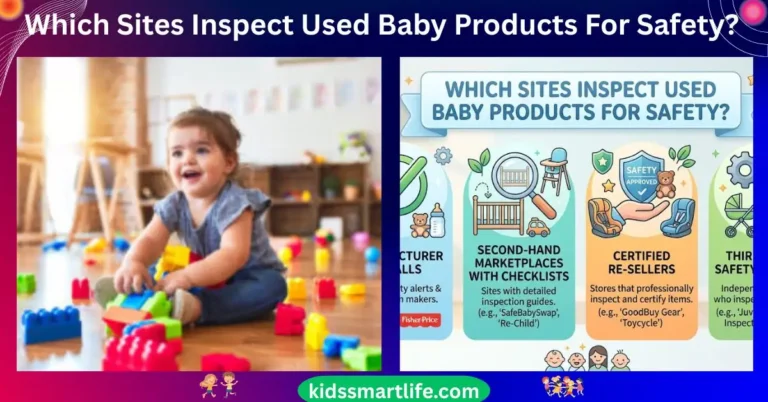
What Is The Safest Material For Baby Teethers? Discover the safest baby teether materials in 2026, including food-grade silicone, natural rubber, and untreated wood, to protect your baby’s health and comfort.
Learn how to choose non-toxic, BPA-free, phthalate-free baby teethers, compare popular teething materials, and find expert safety tips for soothing sore gums while supporting healthy development. Food-grade silicone, untreated hardwood, and natural rubber are the safest choices.
Parents ask this a lot because safety and peace of mind matter every day. In this guide, I explain what makes a teether truly safe, compare each material, and show you how to verify claims before you buy.
Drawing on hands-on testing and current safety standards, you will learn what the safest material for baby teethers is, what to avoid, and how to care for each option with confidence.

What Makes a Teether Safe?
A safe teether is made from an inert, clean material that will not leach harmful chemicals. It must be tough, with no tiny parts, and big enough to prevent choking. The surface should be smooth with no sharp seams.
Look for clear compliance with CPSIA and ASTM F963 in the US, or EN71 in the EU. Food-contact silicone should meet FDA or LFGB standards. Prefer products tested for heavy metals, phthalates, BPA, BPS, nitrosamines, and color migration.
Good design matters as much as the material. One-piece construction lowers the risk of breaks. Vent holes and lanyards should be short and use a breakaway clip. If it smells strong or feels sticky, skip it.

Source: amazon.com
The Safest Material for Baby Teethers: Ranked With Pros and Cons
Here is a practical order based on safety, durability, and real-life use.
- Food-grade silicone (LFGB or FDA compliant, platinum-cured). Soft, durable, easy to clean, freezer-friendly, and long-lasting.
- Untreated hardwood like beech or maple. Very stable, simple, and naturally resistant to wear when finished with food-safe oil or wax.
- Natural rubber (latex). Soft bite and plant-based. Choose low-nitrosamine, unpainted, one-piece designs.
- Stainless steel (304/316) is used sparingly. Inert but very hard. Works best as a chillable handle under close supervision.
- Fabric or silicone-wood hybrids. Safe only when each part meets standards and knots are secure.
Each of these can be the safest material for baby teethers when the product is well-made and tested. Your choice depends on your baby’s bite strength, care routine, and allergy profile.

Source: nubokind.com
Food-Grade Silicone
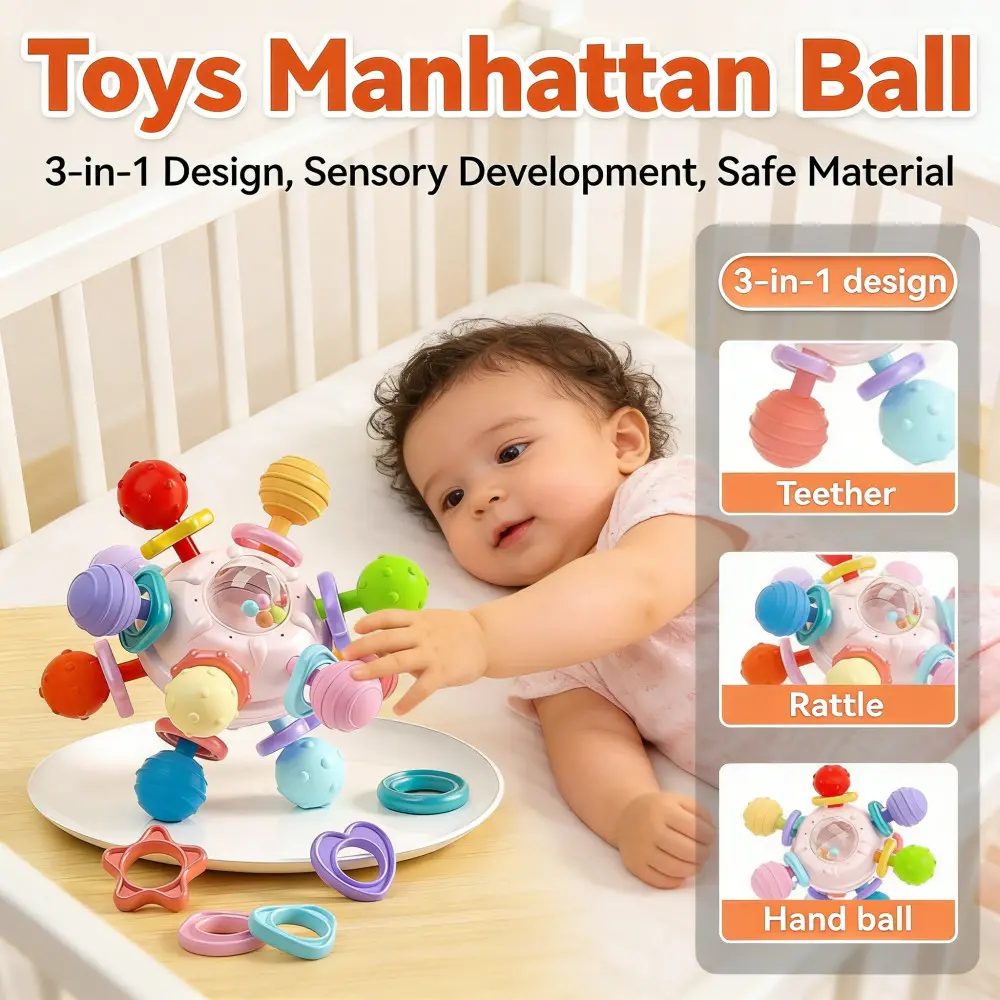
High-quality silicone is the top pick for many families. Choose LFGB or FDA-compliant, platinum-cured silicone. It should be one piece, with no fillers, no strong odor, and a medium firmness for gum relief.
Why it stands out:
- Cleans fast in the dishwasher or by boiling for a few minutes.
- Keeps shape, handles teeth marks well, and can be chilled.
- Many textures and shapes to reach front teeth and molars.
Watch-outs:
- Cheap silicone can contain fillers. If it turns chalky white when twisted, it may be low quality.
- Avoid painted or printed details on top of silicone.
When made well, silicone is often the safest material for baby teethers due to its stability and ease of care.

Source: amazon.com
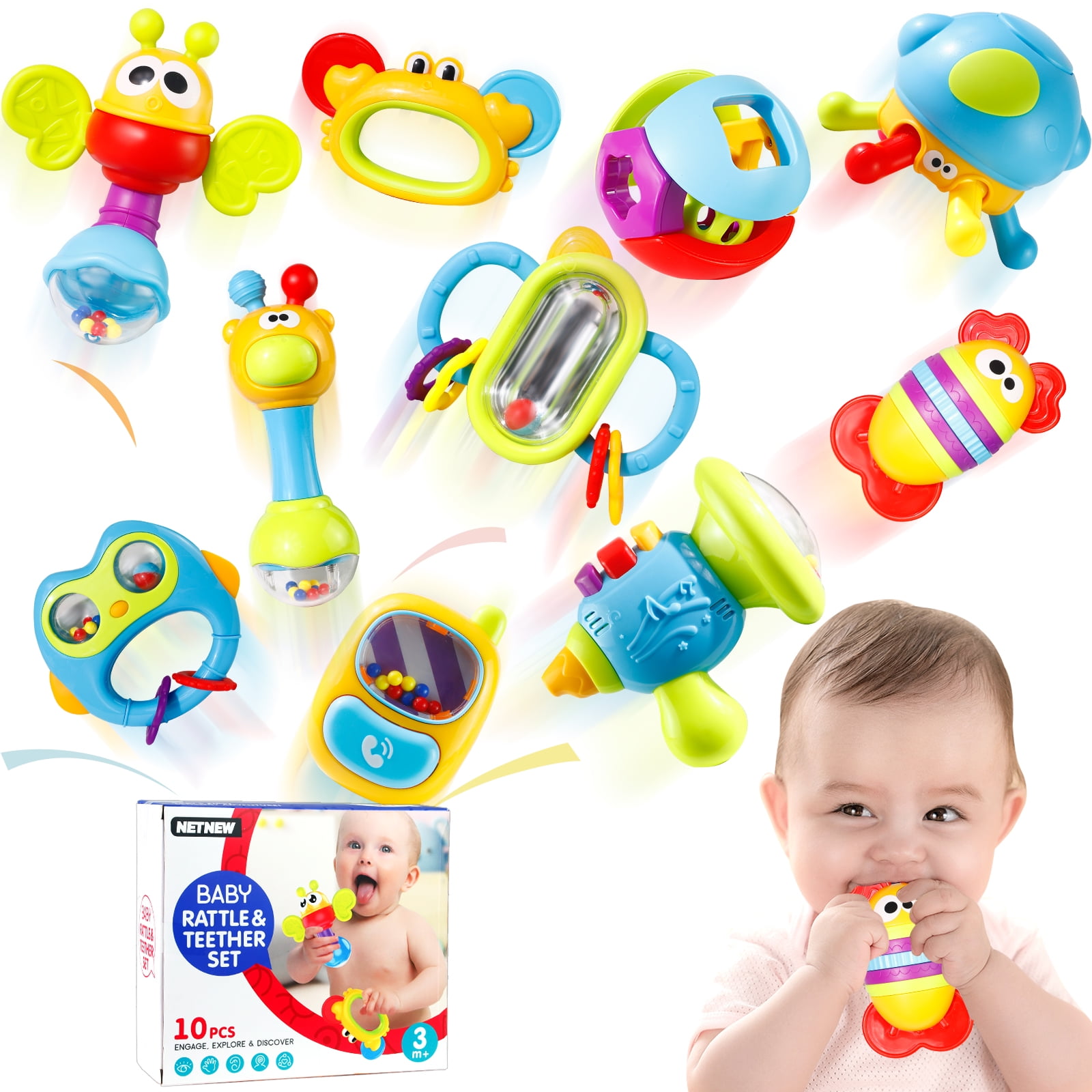
Natural Rubber (Latex)
Natural rubber offers a soft, springy chew that many babies love. Seek one-piece, unpainted designs with low-nitrosamine claims and full safety testing. A mild vanilla or rubber smell can be normal; strong perfume-like scents are not.
Pros:
- Plant-based and gentle on gums.
- Grippy texture that helps sore mouths.
Limitations:
- Latex allergy is rare in infants, but possible. Ask your pediatrician if you have a family history.
- Rubber breaks down faster with heat and sun. Replace at the first sign of cracks.
A well-tested rubber teether can be one of the safest materials for baby teethers if allergies are not a concern.
Source: trailscouncil.org
Untreated Hardwood (Maple or Beech)
Smooth beech or maple rings are classic for a reason. They are dense, stable, and resist deep dents. They should be unfinished or finished with food-grade oil or beeswax blends only.
What to love:
- Simple, solid, and free of plasticizers.
- Cool to the touch and easy to grip.
Tips:
- Do not soak wood. Wipe clean, then dry. Recondition with a food-safe oil as needed.
- Inspect for splinters or deep cracks. Replace if you see wear.
For families who like minimalist gear, hardwood is often the safest material for baby teethers thanks to its purity and toughness.

Source: amazon.com
Are Metals or Gel-Filled Teethers Safe?
Stainless steel (304/316) is inert and easy to sanitize, but it is very hard. It can be a handle or a chill tool under close watch. Avoid sharp edges and thin rings that could press into gums.
Gel-filled teethers are less ideal. Gels vary by brand, and seam failures can happen. If you want a cooler-style teether, pick a sealed, water-filled design from a trusted maker. Stop using it at the first leak or tear.
Used with care, these can help, but they are not the safest material for baby teethers for everyday, unsupervised gnawing.

Source: nubokind.com
Materials to Avoid (and Why)
Some materials pose higher risks and are not worth it.
- PVC or vinyl with phthalates. Can leach plasticizers. Many safer options exist.
- Polycarbonate with BPA or analogs like BPS. Risky with heat and wear.
- Low-grade silicone with fillers or strong scents. Poor quality control.
- Painted beads or coatings that can chip. Color transfer is a red flag.
- Amber necklaces. Choking and strangulation hazards. Not recommended by pediatric groups.
- Gel with unknown composition. Seams can fail under bite pressure.
- Long cords or multiple small parts. Increase strangulation or choking risk.
Skipping these helps you stay close to the safest material for baby teethers.

Source: amazon.com
How to Verify Safety Before You Buy
Use this quick vetting flow before you click buy.
- Check standards. Look for CPSIA and ASTM F963 (US) or EN71 (EU). Ask for third-party test reports.
- Confirm silicone is LFGB or FDA compliant and platinum-cured. For rubber, ask about nitrosamine testing.
- Review materials list. No PVC, BPA, BPS, phthalates, lead, or heavy metals.
- Inspect photos. Prefer one-piece molds and thick cross-sections. Avoid tiny add-ons.
- Smell and touch test at home. No heavy fragrance, no sticky feel, no chalky twist.
- Search recalls on your national safety database. Read recent reviews for breakage notes.
These steps steer you to the safest material for baby teethers and trusted brands.
Source: drshehlaebrahim.com
Care, Cleaning, and Replacement Timelines
Proper care keeps a safe teether safe.
Silicone:
- Wash in warm soapy water or the top rack of a dishwasher.
- You can boil for 3 to 5 minutes. Cool fully before use.
- Replace if you see deep cuts, sticky spots, or tears.
Natural rubber:
- Hand washes only. Avoid boiling, dishwashers, and long sun exposure.
- Pat dry. Store away from heat.
- Replace at the first sign of cracks, tackiness, or shape changes.
Hardwood:
- Wipe with a damp cloth and mild soap. Do not soak.
- Re-oil with food-grade mineral oil or a beeswax blend as needed.
- Replace if splinters, deep gouges, or loose parts appear.
Cooler-style teethers:
- Use the fridge, not the freezer, to avoid cracking or gum injury.
A steady care routine supports the safest material for baby teethers and extends product life.
Real-World Tips From Testing and Parenting
I have tested dozens of teethers for bite force, torque, and surface durability. The clear winners were one-piece platinum-cured silicone and smooth beech wood rings. They held up, cleaned fast, and did not trap grime.
A few hard-learned lessons:
- Skip complex bead strings. Knots can loosen over time.
- Avoid essential oils during teething. They can irritate gums and break down materials.
- Use a short, breakaway clip. Long cords are a risk.
- Rotate two or three favorites. Clean one while another is in use.
These habits make it easier to stick with the safest material for baby teethers day after day.
Buying Checklist and Best Practices
Use this quick checklist when you shop.
- Material is one of the top three: platinum-cured silicone, untreated hardwood, or low-nitrosamine natural rubber.
- Packaging states CPSIA/ASTM F963 or EN71 compliance and third-party testing.
- Silicone says LFGB or FDA compliant. Rubber states nitrosamine-tested. Wood lists species and finish.
- One-piece design with rounded edges and no tiny add-ons.
- Size is larger than a choke tube and easy to grip.
- No strong scent, no sticky feel, no glitter or paint chips.
- The brand provides testing summaries or a certificate on request.
This list points you straight to the safest material for baby teethers with less guesswork.
Sustainability and Environmental Impact
Each safe material has a footprint. Silicone is durable and long-lasting, which cuts waste, but it is not curbside recyclable. Natural rubber is renewable and biodegradable under the right conditions. Hardwood can be very low-impact when sourced as FSC-certified and finished with simple oils.
Buy fewer, better items and care for them well. Pass them on if they remain in great shape. This approach pairs safety with a smaller footprint, while keeping the focus on the safest material for baby teethers.
Frequently Asked Questions: What Is The Safest Material For Baby Teethers?
Is food-grade silicone safer than natural rubber?
Both can be very safe when well-made and tested. Silicone wins for easy cleaning and durability, while rubber offers a softer chew but needs gentler care.
Are wooden teethers sanitary?
Yes, when sealed with food-safe oil and cleaned by wiping and drying. Wood is not a good home for germs when kept dry and inspected for damage.
Which materials should I avoid for baby teethers?
Avoid PVC, low-grade silicone with fillers, painted beads, and gel-filled toys with unknown contents. Skip amber necklaces due to choking and strangulation risks.
Can I put a teether in the freezer?
Use the fridge for most teethers. Freezing can make items too hard and may crack rubber or hurt gums.
How often should I replace a teether?
Inspect weekly and replace at the first sign of tears, cracks, sticky spots, or loose parts. Rubber usually needs faster replacement than silicone or wood.
Are silicone beads on a cord safe?
Only if they use a strong cord, secure knots, and a breakaway clip. Even then, a one-piece design is safer for heavy chewers.
Conclusion
The safest material for baby teethers comes down to a high-quality build in platinum-cured food-grade silicone, untreated hardwood like beech or maple, or well-tested natural rubber. Match the material to your care routine, confirm third-party testing, and keep inspections regular. Small choices add up to big peace of mind.
Use the checklist above on your next purchase and feel the difference. If this helped, share it with a friend, subscribe for more parent-tested guides, or leave a question for the next deep dive.