See why is road safety important for children and get quick tips parents can use now to keep kids safe on roads, crossings, and school runs. Road safety protects children from crashes, prevents injuries, and builds lifelong safe habits. Parents, teachers, and planners ask this every year: Why Is Road Safety Important For Children?
I’ve spent years reviewing school zones, training families, and measuring near-misses. The lesson is clear. Children face unique risks that adults often miss. In this guide, I explain how to protect kids with simple habits, better streets, and smart planning. You will learn what works, what fails, and how to act today.
Source: startriteshoes.com
The big picture: what child road safety really means
Child road safety is about preventing crashes and reducing harm when they happen. It covers walking, cycling, riding in cars, school buses, and even playing near driveways. It links behavior, vehicles, streets, and laws into one system that protects kids.
Children are not small adults. Their vision and hearing are still growing. They judge speed and distance poorly. They also act on impulse. Because of this, even small design flaws or brief distractions can end in tragedy.
Global health data shows that road traffic injury is a top cause of death for children and teens. Most crashes occur close to home, on daily routes. The good news is that proven steps cut risks fast: lower speeds, safer crossings, correct child restraints, and visible clothing. Why Is Road Safety Important For Children? It saves lives now and shapes safer habits for life.

Source: org.uk
Key risks children face on and around roads
Children face different hazards depending on age, place, and time of day. The risks cluster around routine moments.
- School zones and crossings. Morning and afternoon peaks increase speed variance and distraction.
- Driveways and parking lots. Low-speed vehicles hit children because drivers cannot see them.
- Bus stops and loading zones. Children cross between parked vehicles or step into traffic gaps.
- Cycling routes. Lack of protected lanes and helmets raises head injury risk.
- Rural or suburban roads. Higher speeds, no sidewalks, and wider lanes amplify harm.
From my audits, the top patterns are predictable. Left-turning drivers miss children stepping off the curb. Parents park in no-stopping areas, which block sight lines. Teen cyclists ride without lights at dusk. Each pattern has a fix, but it must be built into daily routines.
Why Is Road Safety Important For Children? Because common, small moments carry the greatest danger.
Source: firstcry.com
Core principles and skills every child should learn
Simple, clear rules help children act safely even when surprised. Teach and repeat these core skills at home and school.
- Be seen to be safe. Wear bright colors or reflective items. Use lights on bikes and scooters.
- Stop, look, listen, think. Stop at the edge. Look left-right-left. Listen for engines. Think before stepping.
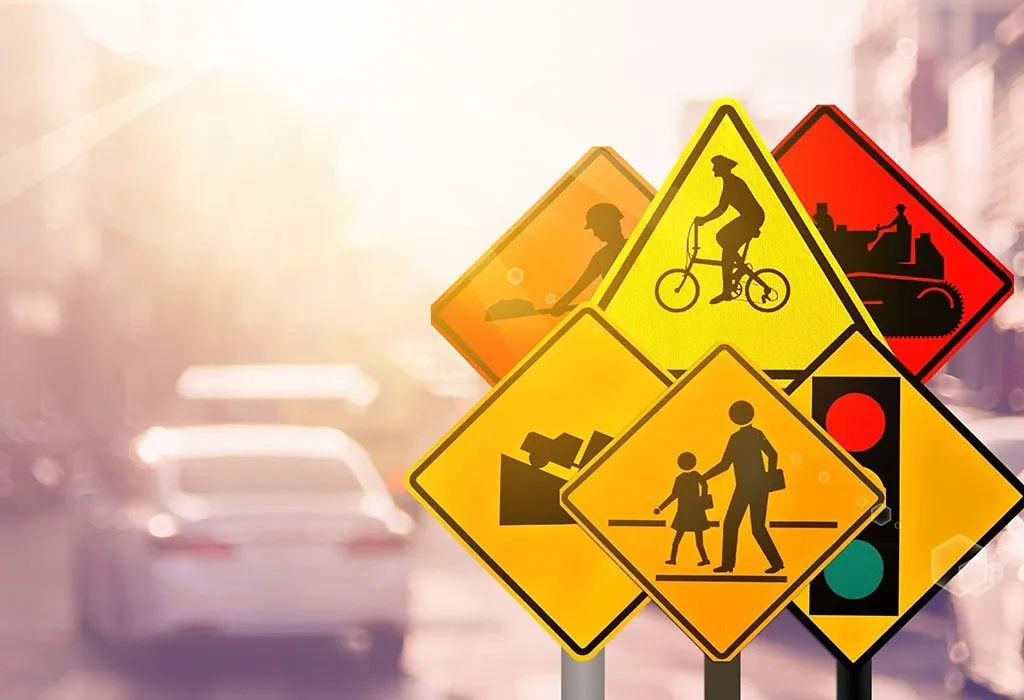
- Cross at safe places. Use signals, crosswalks, and corners. Make eye contact with drivers.
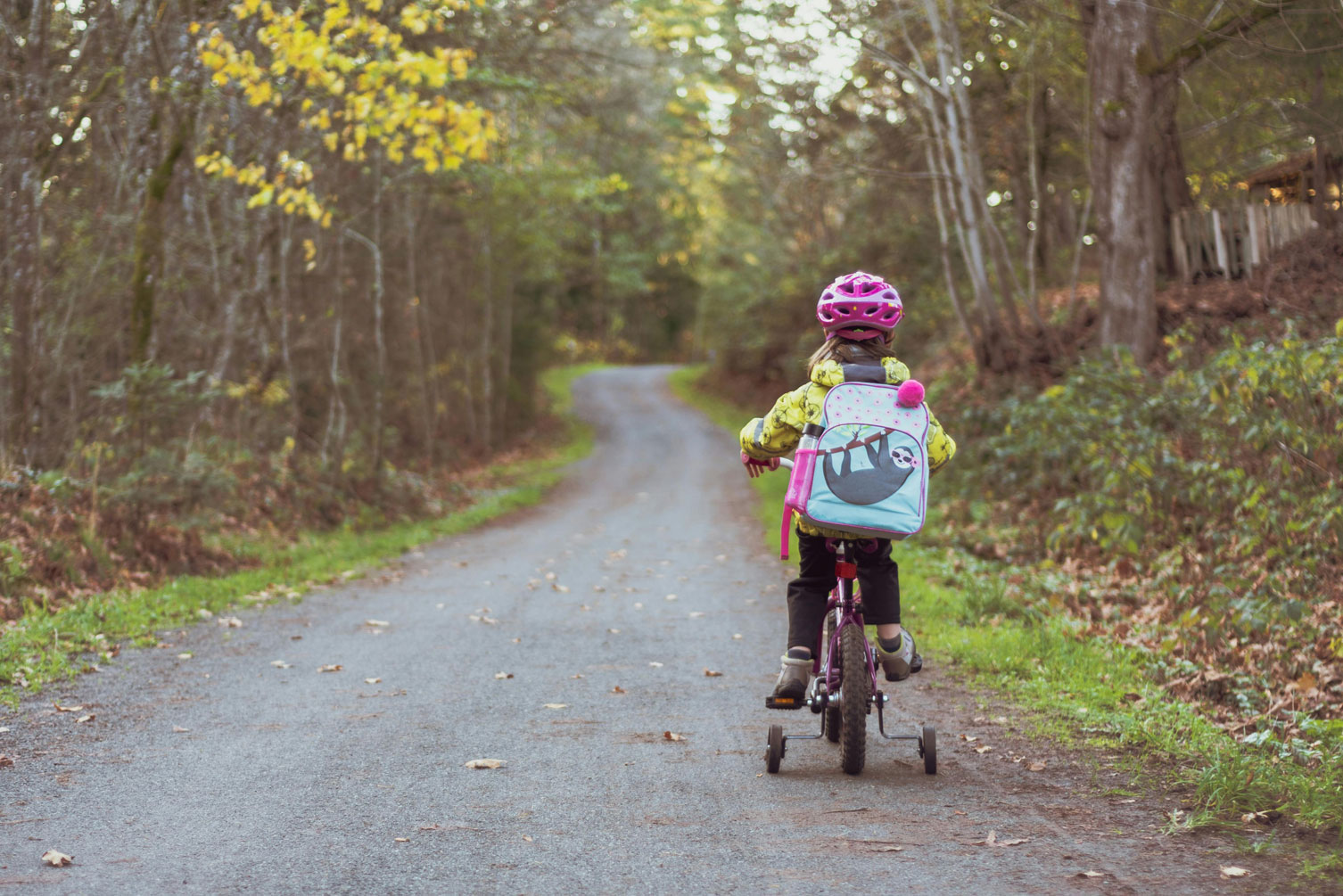
- Ride smart. Wear a helmet that fits. Use the right size bike. Keep to the right and follow signs.
- Buckle up right. Use the correct child seat or booster by age, height, and weight. Seat children in the back.
- No play near vehicles. Avoid driveways, alleys, and parking lots for games.
How to teach it well
- Keep rules short and clear. One idea per sentence.
- Practice on the actual route your child uses.
- Praise correct behavior every time. Correct gently but fast.
Why Is Road Safety Important For Children? Because early training builds reflexes that last decades.
Source: primarybeginnings.com
The role of parents, schools, and communities
Keeping kids safe takes teamwork. Each group has a clear job.
Parents and caregivers
- Model the behavior. Cross at corners. Do not rush a red light. Kids copy you.
- Make the car a safe zone. No phone use. Check car seat fit often.
- Plan the route. Choose quieter streets with sidewalks and safe crossings.
Schools and teachers
- Run short, regular safety lessons. Use games and short videos.
- Set safe pick-up rules. Stagger times. Use staff or volunteers to guide the flow.
- Map and share the best routes. Mark crosses guards and signals.
Communities and cities
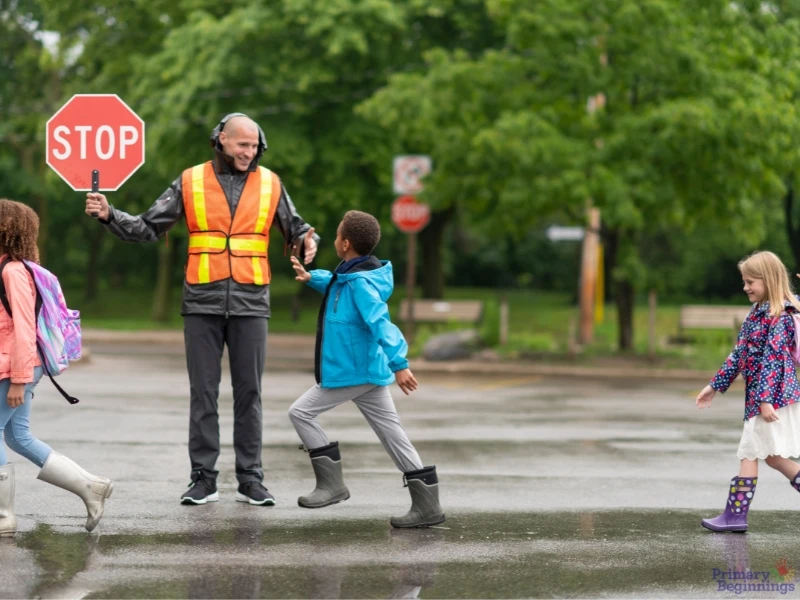
- Add crossing guards where data shows risk.
- Paint clear curb markings. Enforce short-term parking rules.
- Host helmet fittings and car seat check days.
A personal note: I once helped a school change its drop-off flow. We moved cones, lowered the speed, and trained volunteers. Near-misses fell by half in three weeks. Why Is Road Safety Important For Children? Because small, local actions work fast when adults align.

Source: momjunction.com
Infrastructure and policy that keep kids safe
Safe behavior matters most when the street supports it. Design changes reduce errors and cushion mistakes.
What works best
- Lower speed limits near schools and homes. Safer at 20–25 mph than at 35 mph.
- Raised crosswalks and curb extensions. Drivers see children earlier and yield more.
- Protected bike lanes and continuous sidewalks. Separate people from traffic.
- Median refuges on wide roads. Children cross one direction at a time.
- Well-timed signals. Add leading pedestrian intervals so children step in first.
Strong policy matters too
- Child restraint and helmet laws. Improve use and reduce head injuries.
- Speed cameras and fair enforcement. Keep speeds low without bias.
- Safe Routes to School programs. Fund walking audits and improvements.
Why Is Road Safety Important For Children? Because streets designed for forgiveness turn a near-miss into a lesson, not a loss.

Source: shutterstock.com
Technology and tools that help
Tech is useful when it supports simple rules and good design.
Helpful tools
- Car seat check apps and QR guides. Ensure correct installation and fit.
- Reflective stickers and LED bands. Improve night and dusk visibility.
- Countdown signals and audible alerts. Give children clear cues at crossings.
- School bus stop-arm cameras. Deter illegal passing.
- Speed displays and data dashboards. Show progress and target fixes.
Limits to note
- Tech can distract. Keep tools simple and focused.
- Not all families have the same access. Offer low-cost or free options.
- No gadget replaces an adult’s attention.
Why Is Road Safety Important For Children? Because smart tools, used well, make safe choices easy and obvious.
Practical scenarios and training drills
Practice builds calm habits under stress. Use short drills often.
Driveway safety
- Walk around the vehicle before moving.
- Teach children to stand where the driver can see them.
- Post a simple rule: cars move, kids freeze.
Crossing practice
- Pick a quiet corner. Repeat stop-look-listen-think.
- Add hand signals and eye contact with drivers.
- Level up: practice in light rain or dusk with supervision.
Bike readiness
- Helmet fit: level, snug, two fingers above the eyebrows.
- ABC check: air, brakes, chain.
- Practice signaling and scanning before riding on streets.
Bus stop behavior
- Arrive early. Stand back from the curb.
- Wait for the bus to stop. Cross in front where the driver sees you.
Why Is Road Safety Important For Children? Because short, real-world drills turn knowledge into muscle memory.
Common mistakes and how to fix them
Small errors add up. Fix them with clear steps.
- Loose car seats or the wrong type. Get a free check. Move up to boosters only when the belt fits: lap low on hips, shoulder on chest.
- Dark clothing at dusk. Add a reflective band or bright vest to the backpack.
- Rushing drop-off. Leave five extra minutes. Use the designated zone.
- Looking only one way. Practice the left-right-left scan until it is a habit.
- Phone use while walking or driving. Make “eyes up” a family rule.
From my field notes, one fix beats all others: slow down. Lower speed gives everyone more time and space to correct a mistake.
Why Is Road Safety Important For Children? Because when adults remove common errors, children thrive.
Measuring progress and building a culture of safety
Track results to see what works and to earn support.
- Map near-misses on a simple shared map.
- Count helmet use and correct car seat fit at events.
- Log speeds at school fronts before and after changes.
- Survey families twice a year on route safety.
Share wins and gaps with photos and short notes. Invite local leaders to walk the route with students. Why Is Road Safety Important For Children? Because when a community measures safety, it improves it.
Frequently Asked Questions: Why Is Road Safety Important For Children?
At what age should a child stop using a booster seat?
Use a booster until the seat belt fits without it, often around 4’9”. The lap belt should sit low on the hips, and the shoulder belt should rest on the chest, not the neck.
How can I teach my child to cross the street safely?
Practice on the real route together. Use the stop-look-listen-think routine and make eye contact with drivers before stepping off the curb.
Are school zones really safer, or just slower?
Lower speeds save lives and reduce injury severity. Clear signs, visible crosswalks, and crossing guards further improve safety during peak times.
Do reflective items make a big difference?
Yes. Reflective gear increases visibility at night and in low light. A small reflective band on a backpack or jacket can be seen far sooner by drivers.
What is the safest place for a child in a car?
The back seat is the safest. Use the right child seat or booster for age, height, and weight, and ensure straps are snug and chest clips are at armpit level.
Conclusion
Keeping kids safe on roads is not complex. It is a set of simple steps done well, every day. Teach clear rules, model great behavior, fix small hazards, and design streets that forgive mistakes. When we slow down and make safety visible, children gain freedom and confidence.
Take one action this week. Walk your child’s route, fix one risk, and share the plan with your school. If this guide helped you see why road safety matters for children, subscribe for more tips or share your own wins in the comments.