
Why Is It Important For Children To Sleep Early? Early bedtimes boost growth, focus, behavior, and immunity. Get simple parent tips to build a healthy routine. Early sleep powers growth, learning, mood, and long-term health in children. Parents ask this often: Why Is It Important For Children To Sleep Early?
As a sleep-focused educator and coach, I have helped many families find calm nights and bright mornings. In this guide, I explain the science in plain words, share real stories, and give steps you can use tonight. Read on to learn how early sleep can shape your child’s health, school success, and happiness for years to come.

Source: montessori.org
What Early Sleep Does For A Child’s Body And Brain
Sleep is not passive. The body is busy at night. During deep sleep, growth hormone peaks. Bones, muscles, and tissues repair. The brain files memories. It clears waste. It builds focus for the next day.
Early sleep matches a child’s natural rhythm. Melatonin rises after sunset. Core body temperature falls. The brain expects rest. When bedtime drifts late, this rhythm breaks. Kids wake groggy. Mood dips. Attention slips.
Key systems that rely on early sleep:
- Memory and learning: The brain strengthens skills learned in class.
- Emotion control: The amygdala calms. Children handle stress better.
- Immunity Antibodies rise. The body fights germs faster.
- Metabolism Hunger signals reset. Cravings and weight gain risks drop.

Source: edu.au
Core Reasons Why It Is Important For Children To Sleep Early
Why Is It Important For Children To Sleep Early? The short answer is rhythm, repair, and readiness. Early sleep guards the body clock. It locks in high-quality deep and REM sleep. That is when growth and learning happen most.
Health and well-being
- Lower illness risk. Children who sleep enough get fewer colds and recover faster.
- Strong growth. Growth hormone surges in early night deep sleep.
- Balanced weight. Good sleep lowers insulin swings and late-night snacking.
School and behavior
- Better focus. Early sleepers show sharper attention the next day.
- Strong memory Lessons “stick” after a full night of sleep.
- Calmer moods. Enough sleep lowers tantrums, anxiety, and irritability.
Safety and long-term benefits
- Fewer injuries. Well-rested kids make safer choices on the field and playground.
- Stronger mental health and consistent sleep are linked to lower depression risk later.
- Lifelong habits: Early bedtimes teach self-care and routine.
To put it plain, Why Is It Important For Children To Sleep Early? It sets the stage for steady mornings, stable moods, and better grades. It also reduces bedtime battles. Kids learn what to expect each night.

Source: youtube.com
Recommended Sleep Amounts And Bedtimes By Age
Why Is It Important For Children To Sleep Early? Because sleep needs are high, and school starts early. A simple rule is to count back from wake time.
Suggested nightly totals
- Toddlers 1–2 years need 11–14 hours, with naps.
- Preschoolers 3–5 years need 10–13 hours, often with a nap.
- School-age children 6–12 years need 9–12 hours.
- Teens 13–18 years need 8–10 hours, though many need the high end.
Sample bedtimes if wake time is 7:00 a.m.
- Age 3–5 Aim for 7:00–8:00 p.m.
- Age 6–12 Aim for 7:30–8:30 p.m.
- Teens Aim for 9:30–10:30 p.m., earlier on school nights.
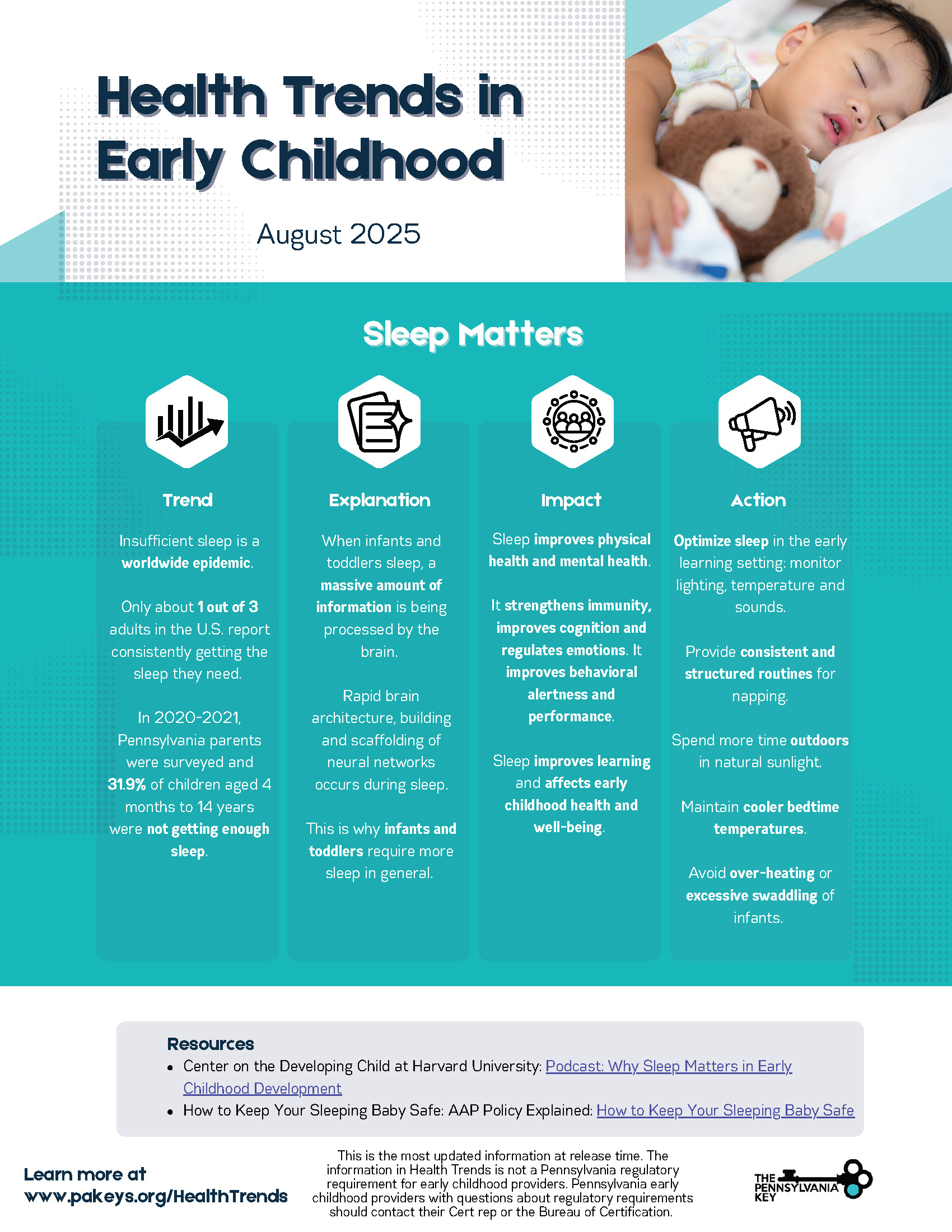
These targets protect the first half of the night. That is when deep sleep is richest. Why Is It Important For Children To Sleep Early? Early bedtimes capture this “golden window” for growth and repair.
Source: pakeys.org
How To Help Your Child Sleep Early Tonight
Why Is It Important For Children To Sleep Early? It matters only if we can act. Use small, steady steps. Keep it simple and calm.
Set the stage
- Dim lights 60–90 minutes before bed. This boosts melatonin.
- Cut screens 60 minutes before bed. Blue light delays sleep.
- Keep the room cool, dark, and quiet. Aim for 65–70°F.
Build a routine
- Use the same steps every night. Bath, pajamas, story, lights out.
- Keep bedtime and wake time steady, even on weekends.
- Create a wind-down cue. A short playlist or the same book works well.
Coach the mind and body
- Encourage daylight and exercise. Both anchor the body clock.
- Offer a light, early dinner. Heavy late meals can upset sleep.
- Try a calm script. “Your job is to rest. My job is to keep you safe.”
If bedtime is very late, move it earlier by 10–15 minutes every few nights. This gentle shift sticks better than a big jump.

Solving Common Bedtime Roadblocks
Even with a plan, bumps happen. Why Is It Important For Children To Sleep Early? Because it reduces these bumps over time. Still, here is how to handle common issues.
Bedtime resistance
- Offer choices. “Blue or green pajamas?” Choice builds buy-in.
- Use a bedtime pass. One free hallway trip for water or a hug.
Night fears
- Validate first. “That was scary.” Then add a small light or open the door.
- Practice bravery. Role-play “checking the closet” in daylight.
Late naps or late activities
- Cap naps after 4:00 p.m. for younger kids.
- End sports and clubs early on school nights when possible.
Early morning wake-ups
- Check light leaks. Dawn light can wake kids too soon.
- Shift bedtime a touch later only if total sleep is strong.
Snoring or restless sleep
- Track signs like mouth breathing or pauses in breathing.
- Speak with your pediatrician if worries persist.

Source: youtube.com
Real-Life Lessons From The Field
I once coached a second-grade class that dragged each morning. The teacher saw yawns, tears, and poor focus by 9:30 a.m. We rolled out a two-week “Lights Out by 7:30 p.m.” challenge. Families set dim lights, cut screens, and used a five-step routine. By week two, missing homework assignments fell. Reading scores rose. Parents reported fewer meltdowns.
In my own home, my child’s soccer ran late. Bedtime slid to 9:30 p.m. Mornings turned hard. We moved dinner earlier and prepped the backpack before practice. Bedtime returned to 8:15 p.m. Mornings felt calm again. This taught me a core truth. Why Is It Important For Children To Sleep Early? Because life runs smoother when nights are steady.
Mistakes to avoid
- Big weekend swings. This confuses the body clock.
- Long screen time at night. This can push sleep past 10:00 p.m.
- Sugar or caffeine late. Hidden caffeine sits in tea and chocolate.
Frequently Asked Questions: Why Is It Important For Children To Sleep Early?
What is the best bedtime for a 7-year-old?
Most 7-year-olds do well with 7:30–8:30 p.m. It depends on wake time and the 9–12-hour sleep goal.
Does early sleep really help grades?
Yes. Early sleep protects deep and REM sleep. That boosts memory, focus, and problem-solving in class.
How can I fix a very late bedtime?
Shift earlier by 10–15 minutes every few nights. Keep lights low, cut screens, and repeat the same routine.
What if my child is not tired at bedtime?
Start wind-down sooner and dim lights. Use quiet play or reading to lower arousal before lights out.
Is snoring normal in kids?
Frequent loud snoring is not typical. Speak with your pediatrician to rule out sleep-disordered breathing.
Conclusion
Early nights pay off. Kids grow well, think clearly, and feel steady. Families gain calm mornings and lighter evenings. Why Is It Important For Children To Sleep Early? It protects body clocks, deep sleep, and next-day success. Why Is It Important For Children To Sleep Early? It builds healthy habits that last.
Start small tonight. Dim the lights, close the screens, and follow a short routine. Track wake mood and school focus for two weeks. You will see the shift. If this helped, share it with a friend, subscribe for more sleep guides, or leave a question for personalized tips.