
How Does Lack Of Sleep Affect A Child Development? Learn warning signs, impacts on mood, growth, and learning, plus proven sleep tips parents can use tonight. Lack of sleep disrupts learning, behavior, growth hormones, and lifelong mental health.
As a child development specialist who has guided many families, I’ve seen how sleep shapes a child’s brain, body, and mood day by day. If you have ever wondered, How Does Lack Of Sleep Affect A Child Development?, this guide breaks down the science and the real-life steps that work.
You will learn what healthy sleep does, what happens when it is missing, and how to fix common problems with clear, proven strategies.
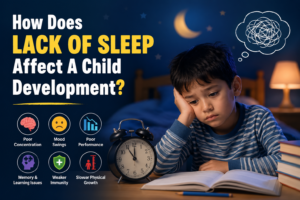
The science of sleep in child development
Sleep is active work for a growing brain. During deep non-REM sleep, the brain files memories, prunes weak connections, and strengthens the ones a child will use. During REM sleep, the brain rehearses skills and regulates emotions. Growth hormone surges at night support muscle, bone, and tissue repair. Immune cells reset and prepare for the next day.
Parents often ask, How Does Lack Of Sleep Affect A Child Development? The short answer is that it scrambles these core jobs. Less deep sleep means weaker memory and slower learning. Less REM means poor emotional control. Over time, the brain adapts in the wrong ways, like a house built on a shaky frame.

Source: uga.edu
Cognitive and academic impacts of sleep loss
Sleep fuels attention, working memory, and problem solving. When sleep is short or broken, kids struggle to focus, make more errors, and learn more slowly. Homework takes longer. Test scores dip. Executive function, the brain manager that helps plan and control impulses, also falters.
Many caregivers ask, How Does Lack Of Sleep Affect A Child Development? In class, it looks like daydreaming, slow recall, or messy work. In older kids, it can look like missing deadlines or forgetting steps in math or writing.

Source: mcgill.ca
Emotional, behavioral, and social development
Tired kids feel more irritable and anxious. They have a harder time reading social cues. Small setbacks feel huge. Teachers may see restlessness or aggression that can mimic ADHD. Mood swings strain friendships and family life.
So, How Does Lack Of Sleep Affect a Child’s Development? It lowers the child’s emotional “buffer.” This raises conflict at home and school, and it dampens motivation and curiosity. Over time, that can chip away at self-esteem.
Source: com.au
Physical growth, metabolism, and immune health
Night sleep drives growth hormone release and bone building. Chronic lack of sleep changes appetite hormones, increasing hunger and cravings for sugary foods. It can reduce insulin sensitivity and raise the risk of excess weight. The immune system also takes a hit, with more frequent colds and slower recovery.
Again, How Does Lack Of Sleep Affect A Child Development? It blunts healthy growth patterns and stresses the body’s repair systems. That is why balanced sleep is part of basic child nutrition and fitness.
Source: axisimagingnews.com
Age-specific sleep needs and common pitfalls
Different ages need different amounts of sleep and routines.
- Infants need lots of total sleep spread across day and night.
- Toddlers thrive with early bedtimes and steady naps.
- Preschoolers still benefit from a nap or quiet time.
- School-age kids need about 9 to 12 hours nightly.
- Teens often need 8 to 10 hours but face early school times.
You may ask, How Does Lack Of Sleep Affect A Child Development? The effects vary by age. In toddlers, you see more tantrums and clinginess. In grade-school kids, you see focus and reading slip. In teens, you see mood drops and riskier choices.
Source: cureus.com
Root causes of inadequate sleep in children
Sleep problems have many triggers.
- Irregular bedtimes or shifting weekend schedules.
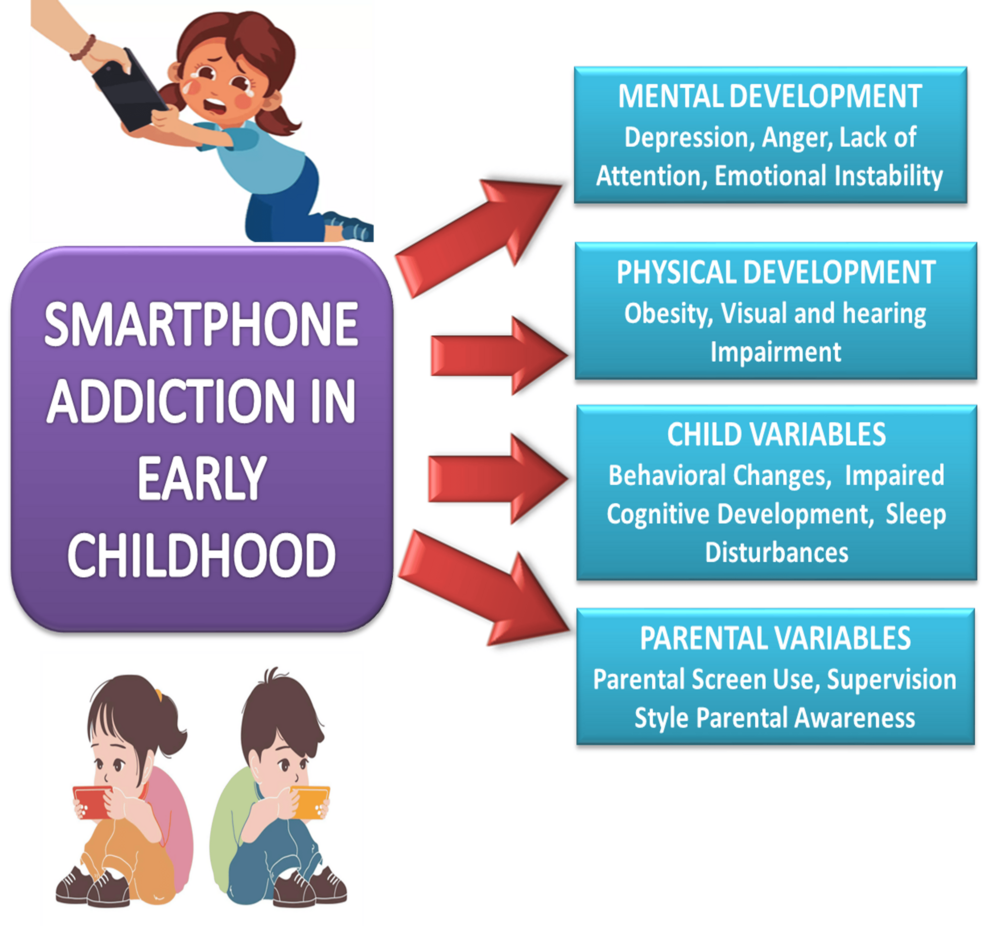
- Too much evening screen time and blue light.
- Anxiety, worries, or bedtime resistance.
- Caffeine in sodas, energy drinks, or chocolate.
- Medical sleep disorders like obstructive sleep apnea or restless legs.
- Itchy skin or asthma flares at night.
- Noisy or hot bedrooms and late family routines.
If you are wondering, How Does Lack Of Sleep Affect A Child Development?, first look for these roots. Fixing the cause often fixes the child’s day.
:max_bytes(150000):strip_icc()/GettyImages-557475483-570d293c3df78c7d9e369168.jpg)
Source: verywellhealth.com
Signs your child is not getting enough sleep
Watch for these red flags.
- Hard to wake in the morning or needs long weekend catch-up.
- Moodiness, meltdowns, or hyperactivity by late afternoon.
- Falling asleep in the car, even on short rides.
- Declining grades or teacher notes about focus.
- Snoring, gasping, or very restless sleep.
Families ask me, How Does Lack Of Sleep Affect A Child Development? These signs are your early warning system. Act early and things change fast.
Long-term consequences and what research shows
Large studies link short sleep with higher risks for depression, anxiety, and substance use in teens. Short sleep in childhood is also tied to higher body mass index, more injuries, and weaker academic progress. Trials that delay school start times show better mood, attendance, and grades, which adds causal weight.
Does this settle How Does Lack Of Sleep Affect A Child Development? It shows strong patterns, but every child is unique. Genetics, stress, and home routines also matter. Still, better sleep usually brings clear gains across many areas.
Practical strategies to protect and improve sleep
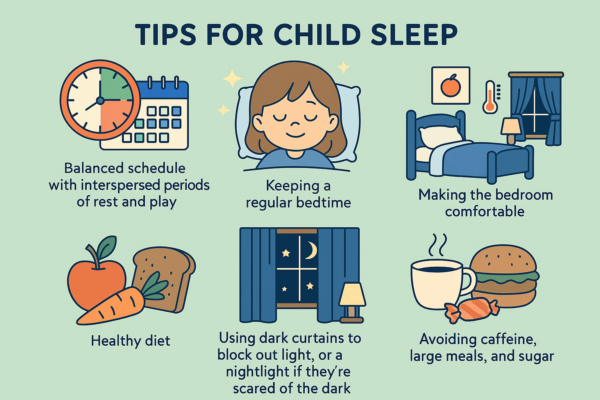
Start with small, steady steps. In my work with families, these simple moves help most.
- Set a consistent sleep schedule across the week.
- Use a calming pre-bed routine for 20 to 30 minutes.
- Dim lights and cut screens 60 minutes before bed.
- Keep the room cool, dark, and quiet.
- Aim for morning light exposure to set the body clock.
- Offer a light snack if hungry, and limit sugar at night.
- Teach wind-down skills like slow breathing or reading.
- Move active play to the daytime and keep workouts earlier in the evening.
- For teens, reduce late-night homework overload with planning and school support.
You might ask, How Does Lack Of Sleep Affect A Child Development? These steps answer it in practice. Better nights produce better days.
Special situations: neurodiversity, chronic illness, and family stress
Kids with ADHD or autism often have delayed body clocks and sensitive arousal systems. Short, visual routines and steady wake times help. Some families find melatonin useful, but dosing and timing need medical guidance. Chronic pain, eczema, and asthma need good daytime control to protect sleep. Shift-work households can set quiet zones and anchor routines to the child’s clock.
In these cases, How Does Lack Of Sleep Affect A Child Development? It can magnify core challenges. Tailored sleep plans often unlock gains in behavior and learning.
When to seek professional help
Call your pediatrician if you notice snoring, gasping, bedwetting after toilet training, or growth faltering. Seek help for insomnia that lasts more than two weeks despite solid routines. Ask about a sleep study if obstructive sleep apnea is suspected. Cognitive behavioral therapy for insomnia works well in older kids and teens. Medical partners, school teams, and sleep specialists can coordinate care.
If you still wonder, How Does Lack Of Sleep Affect A Child Development?, a professional assessment can map the child’s unique pattern and guide precise treatment.
Frequently Asked Questions of How Does Lack Of Sleep Affect A Child Development?
How many hours of sleep do children need by age?
Most school-age kids need 9 to 12 hours per night. Teens need 8 to 10 hours, even if they feel “wired” late.
Can kids catch up on sleep over the weekend?
A little catch-up helps mood, but it does not fix learning or body clock shifts. Keep weekend bed and wake times within one hour of weekdays.
Does screen time at night really hurt sleep?
Yes. Blue light delays melatonin and keeps the brain alert. Turn off screens at least one hour before bed.
What if my child snores most nights?
Nightly snoring can be a sign of obstructive sleep apnea. Talk to your pediatrician about an exam and possible sleep study.
Is melatonin safe for children?
Short-term use can help in some cases, but it is a hormone and timing matters. Always consult a clinician for dose, timing, and safety.
Do naps affect nighttime sleep?
For toddlers, naps support better nights. After age five, long late naps can delay bedtime.
Can exercise improve sleep?
Yes. Daytime activity improves sleep pressure and mood. Avoid intense workouts close to bedtime.
Conclusion
Sleep is a core driver of a child’s mind, mood, and body. The evidence is clear, and daily life shows it too. Protecting sleep boosts attention, learning, emotional balance, growth, and long-term health. If you take one step this week, choose a consistent schedule and a calm wind-down. Then layer in light, screens, and environment.
Ready to go deeper on How Does Lack Of Sleep Affect A Child’s Development? Start with one small habit tonight, track changes for two weeks, and share your wins and challenges in the comments. Subscribe for more child development guides and practical tools you can use right away.