
How To Choose A Baby Stroller And Car Seat? Get quick tips on safety, fit, and features, plus age-by-age advice to buy with confidence and save time and money. Pick a certified, compatible stroller and car seat that match safety, fit, terrain, and budget.
I’ve helped hundreds of families learn how to choose a baby stroller and car seat. In this guide, I’ll show you how to match your lifestyle, your car, and your child’s needs. You’ll get clear steps, real examples, and pro tips to avoid costly mistakes with how to choose a baby stroller and car seat.

Source: strolleria.com
Safety Standards You Must Know
Safety comes first with how to choose a baby stroller and car seat. Look for a 5‑point harness, solid head support, and strong frame design. For car seats, check that it meets current crash standards and has clear labels for weight and height.
Use the right install method for your car. LATCH is simple, but it has weight limits. A seat belt install is just as safe when done right. Use the built‑in level, and make sure the seat does not move more than one inch at the belt path.
Pick features that cut crash forces. Infant seats with a load leg or an anti‑rebound base add stability. Many safety groups advise rear‑facing as long as possible within the seat’s limits. Always read the manual and do a test install before you buy.
Check the seat’s expiration date and recall status. Do not use a seat after any crash. For strollers, test the brakes, wheel locks, and folding latches. The stroller should feel sturdy, steer straight, and stop fast.
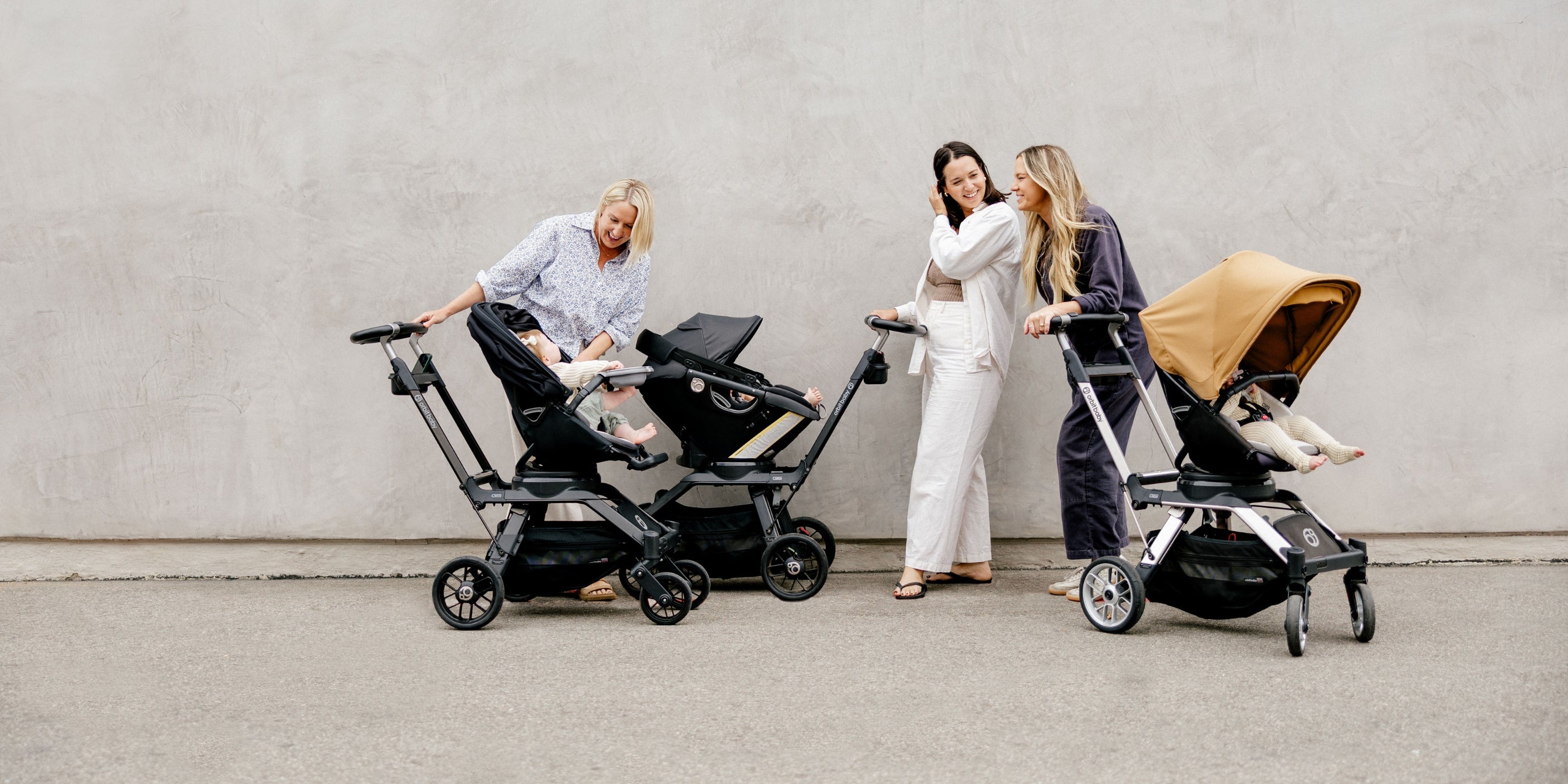
Source: orbitbaby.com
Stroller Types and How to Pick for Your Life
A smart plan for how to choose a baby stroller and car seat starts with your daily route. City sidewalks, malls, parks, and trails each need different wheels and frames. Think about storage, stairs, and your trunk space too.
Common stroller types:
- Full‑size stroller: Roomy seat, big basket, solid ride for daily use.
- Lightweight travel stroller: Small fold, easy to carry, best for trips and quick errands.
- Jogging stroller: Large air tires, strong suspension, stable for runs and rough paths.
- Convertible with bassinet: Flat sleep option for newborns and longer naps on the go.
- Double or single‑to‑double: For twins or a second child later.
- Travel stroller with car seat compatibility: Great for flights and rideshares.
Key buying checks:
- Push with one hand on smooth and rough ground.
- Fold and lift it with a child on your hip.
- Check basket size, canopy coverage, and handle height.
- Make sure the stroller accepts your car seat with an adapter if needed.
Which stroller is best for newborns?
A stroller that accepts an infant car seat or has a lie‑flat bassinet is ideal. Strong head support and a flat recline help tiny babies ride safely and sleep well.

Source: orbitbaby.com
Car Seat Types and How to Pick
This part of how to choose a baby stroller and car seat sets the base for safety. Know your seat types and how long they last.
Seat types at a glance:
- Infant car seat: Rear‑facing only with a base. Easy in and out. Great for newborns.
- Convertible seat: Rear‑facing first, then forward‑facing. Longer use in one seat.
- All‑in‑one seat: Rear, forward, then booster. Value pick if it fits your car well.
- Booster seat: For older kids when harness size is outgrown.
Fit and features that matter:
- Harness should be at or below shoulders rear‑facing, at or above when forward.
- Chest clip at armpit level every time.
- Look for a no‑rethread harness and clear recline guides.
- A load leg or anti‑rebound base is a plus for infant seats.
- Check width if you need three across in the back seat.
When should I switch from infant seat to convertible?
Move when your baby hits the infant seat’s height or weight limit, or the head is within the top margin set by the maker. Many families move earlier for comfort and cost.

Source: orbitbaby.com
Travel Systems vs Mix‑and‑Match
Many parents ask how to choose a baby stroller and car seat that work together with no fuss. A travel system pairs a stroller and infant seat from the same brand. It often clicks in with no adapter and comes at a bundle price.
Pros of travel systems:
- Simple setup and fewer parts.
- Strong brand support and cleaner fit.
- Good value in many cases.
Pros of mix‑and‑match:
- Freedom to pick the best stroller and the best seat for your needs.
- Use adapters to bridge brands.
- Easier to upgrade later.
Is a travel system worth it?
If you want plug‑and‑play ease, yes. If you want a jogging stroller plus a niche infant seat, mix‑and‑match with the right adapter may be better.

Source: nytimes.com
Key Features That Matter Day to Day
Little details decide your love for the gear, and they shape how to choose a baby stroller and car seat.
Stroller features to test:
- Wheels and suspension: Bigger wheels roll smoother on bumps.
- Brakes: Flip‑flop friendly and firm.
- Fold: One‑hand fold and a self‑standing frame help in tight spots.
- Basket and pockets: Room for a diaper bag and quick‑grab items.
- Canopy and ventilation: Deep shade and airflow keep baby calm.
- Seat recline and footrest: Support naps and growing legs.
- Handlebar height: Telescoping helps tall and short caregivers.
Car seat features to value:
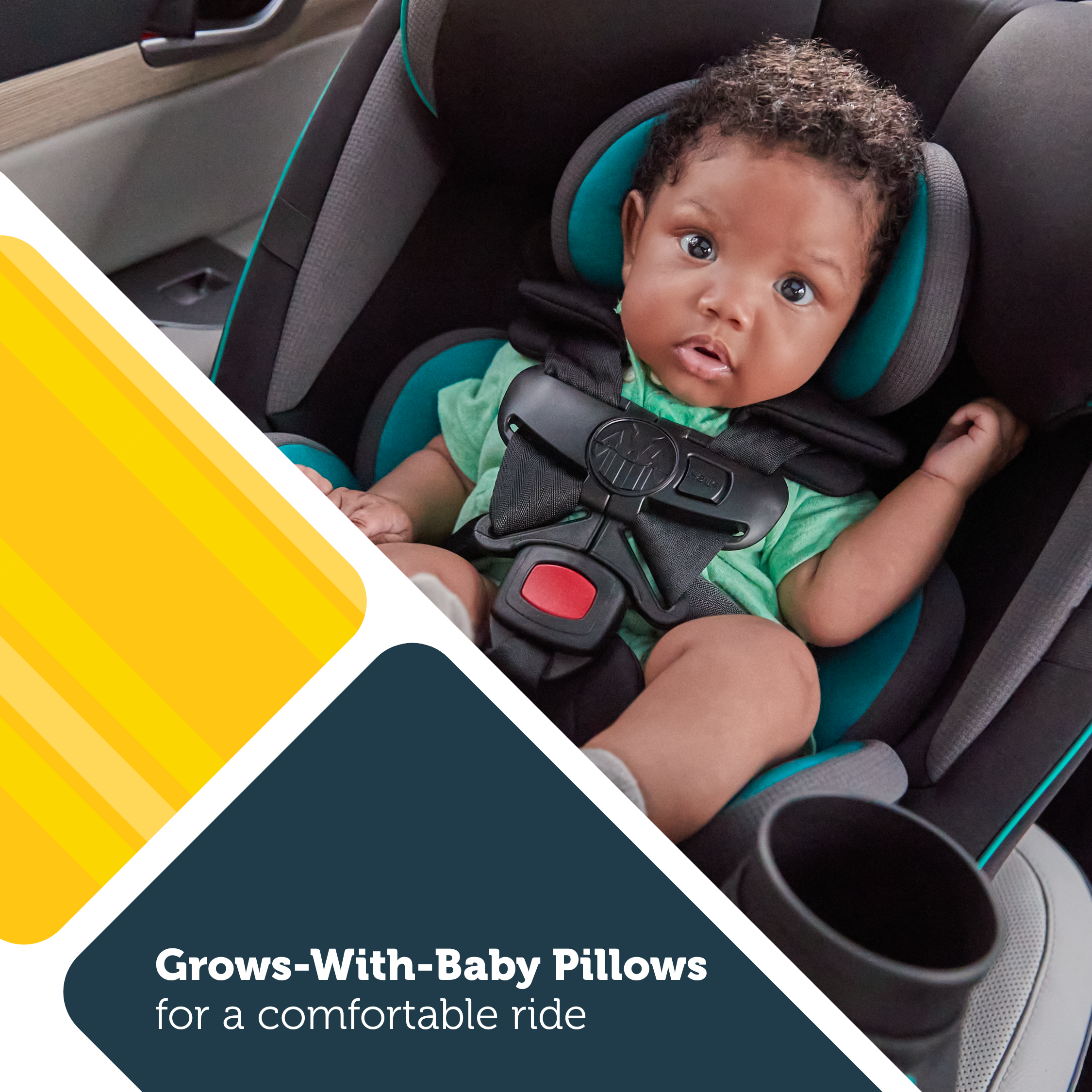
- Easy install with clear labels and tight fit.
- Machine‑washable cover and quick‑remove pads.
- Slim shell if you need more than one seat on the bench.
- Durable fabric that stays cool in heat.
Source: joovy.com
Fit and Compatibility Checklist
A clean fit plan is the heart of how to choose a baby stroller and car seat. Use this quick checklist before you buy.
- Measure your back seat length and the front seat legroom.
- Test-install the car seat base at the correct recline.
- Check that doors open wide enough to lift the seat in and out.
- Fold the stroller and place it in your trunk with the other stuff you carry.
- Lift the stroller with one hand to see if the weight works for you.
- Walk with long strides to check for foot clearance on the rear axle.
- Confirm adapter compatibility if mixing brands.
- Ensure your baby has growth room within limits.
- Practice harness tightness until it passes the pinch test.

Source: tacticalbabygear.com
Budget, Value, and When to Buy Used
Price can sway how to choose a baby stroller and car seat, but value wins over time. Set a total budget that covers the stroller, seat, and key add‑ons like adapters or rain covers.
Where to save:
- Travel stroller for trips only. Borrow if you travel rarely.
- Skip extras you will not use, like a second cup holder.
Where to spend:
- Safer features like a load leg or better side protection.
- Smooth push, strong brakes, and a big canopy if you walk a lot.
Buying used rules:
- Never buy a car seat with unknown history or after any crash.
- Check expiration, manual, labels, and all parts.
- For strollers, inspect frame, wheels, brakes, and folding latches.

Source: pizzavilleusa.com
Care, Maintenance, and Longevity
Care tips help with how to choose a baby stroller and car seat that lasts. Clean fabric per the manual. Many covers are machine washable on gentle. Air dry to protect fibers.
Do not bleach harness straps or machine wash them. Wipe with mild soap and water. Keep buckles free of crumbs. For strollers, tighten screws, clean wheel hubs, and inflate air tires to the right PSI.
Store gear away from heat and sunlight to protect plastic. Keep manuals handy. Update your install if you move the seat or change cars.
Real‑World Scenarios and Recommendations
Here is how to choose a baby stroller and car seat for common lives I see.
If you live in a walk‑up apartment:
- Choose a light, compact stroller with a carry strap.
- Pair with a narrow infant seat that installs fast for rideshares.
If you walk long blocks and ride subways:
- Pick a sturdy stroller with big wheels and a fast, one‑hand fold.
- Add an infant seat that clicks in with an adapter for quick transfers.
If you run or hit dirt paths:
- Use a true jogging stroller with a front wheel lock and suspension.
- Keep a rear‑facing convertible seat that fits well and installs tight.
If you fly often:
- Use a travel stroller that fits in overheads and a narrow convertible seat for the plane.
- A luggage strap or travel bag can save your back.
Personal note: I once chose a heavy, fancy stroller for narrow city doors. Bad move. It stuck on every corner. A lighter frame with good wheels fixed daily stress. Learn from that. Test your turn radius in a small aisle before you buy.
Frequently Asked Questions
What is the safest car seat position in the car?
The rear middle seat is often safest if the car seat fits and installs tight. If not, use a side seat where you get the best install.
How long should my child stay rear‑facing?
Keep rear‑facing until your child hits the seat’s rear‑facing height or weight limit. Many kids can rear‑face to age two or more.
Can I mix a car seat and stroller from different brands?
Yes, with the right adapter. Check brand guides to confirm exact model matches and test the click before you buy.
Do I need a jogging stroller if I don’t run?
No. A good full‑size or all‑terrain stroller handles parks and light trails. Jogging models shine for running and rough terrain.
How many strollers do I really need?
Most families do well with one solid daily stroller. Some add a small travel stroller for flights or a jogger for workouts.
Conclusion
You now have a clear path for how to choose a baby stroller and car seat. Focus on safety, fit, and your daily route. Test the push, test the fold, and test the car install before you buy.
Make a short list, try gear in real stores, and bring your car. You will save money, time, and stress. Ready to take the next step? Compare your top two picks with the checklist above, subscribe for more guides, and share your questions in the comments.