🔑 Key Takeaways
- ✔ There is no reliable national rate for baby monitor hacks because most incidents are not tracked in one public database.
- ✔ Internet-connected baby monitors face more remote attack risk than simple monitors that use a local radio link.
- ✔ Weak passwords, old software, exposed accounts, and unsafe home networks can increase the risk of unauthorized access.
- ✔ Strong passwords, two-step login, updates, secure Wi-Fi, and careful account settings can greatly reduce the risk.
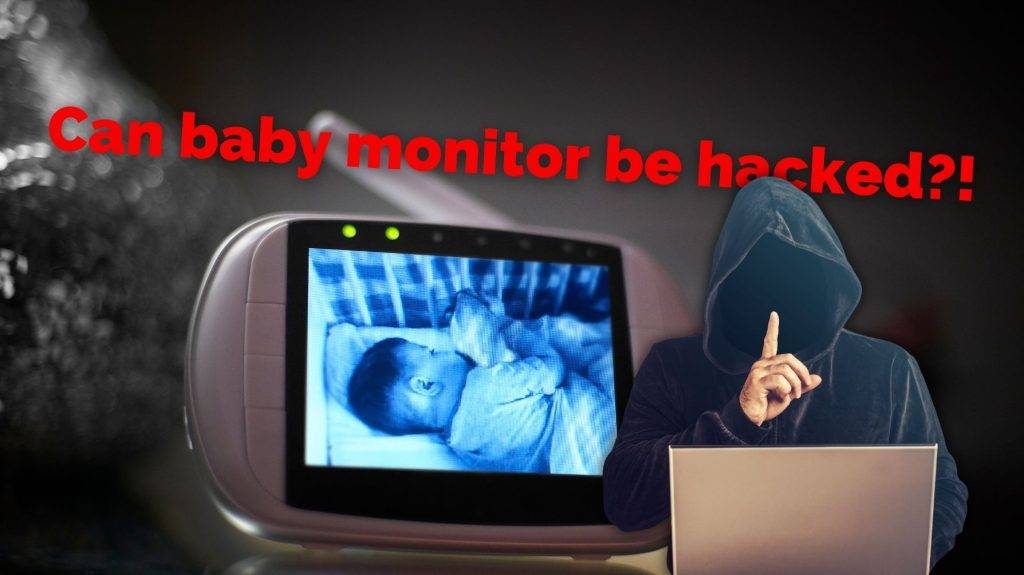
Parents often ask, “How Often Do Baby Monitors Get Hacked?” The honest answer is that no trusted public source gives a single number for all baby monitors in the United States. Many incidents are never reported, while others involve home cameras that users may not identify as baby monitor attacks.
The risk is also not the same for every device. A basic monitor with a camera and a parent unit that uses a local radio link has a different risk profile from a Wi-Fi baby camera that connects to an app and a cloud account. In practice, the more a monitor depends on the internet, apps, accounts, and remote access, the more security points it has to protect.
The key lesson is simple: do not focus only on how often baby monitors get hacked. Focus on how your monitor can be attacked and how well you have reduced those paths. A few basic security steps can make a major difference for a family using a baby monitor every night.
How Often Do Baby Monitors Get Hacked in the Real World?
There is no dependable figure that tells us exactly how often baby monitors get hacked each year. Security researchers, police reports, news stories, and consumer complaints show that these incidents do happen, but they do not provide a complete count of all cases.
This makes a precise percentage misleading. A reported case proves that an attack can happen, but it does not tell us the chance that any one family will be hacked. The safest way to answer how often baby monitors get hacked is to look at the type of monitor, its connection method, its software, and the owner’s security habits.
For most families, the risk is better viewed as a preventable security problem rather than an everyday event. A properly updated monitor with a strong account password and secure home network is in a much better position than an old device with a reused password and exposed remote access.
- ✦ No universal rate
There is no reliable public database that records every baby monitor hacking incident in the United States.
- ✦ Reported cases are only part of the picture
Some attacks may go unnoticed, while some victims may never report them to a company, police agency, or security group.
- ✦ Risk varies by device
A local monitor and an internet-connected smart monitor do not face the same attack paths.
- ✦ Security habits matter
Weak passwords, old firmware, unsafe Wi-Fi, and poor account settings can raise the chance of unauthorized access.
Why It Is Hard to Measure Baby Monitor Hacks
A baby monitor is not always tracked as a separate type of smart device. A hacked Wi-Fi baby camera may be listed as a camera, smart-home device, or account security incident. That makes large-scale statistics hard to build.
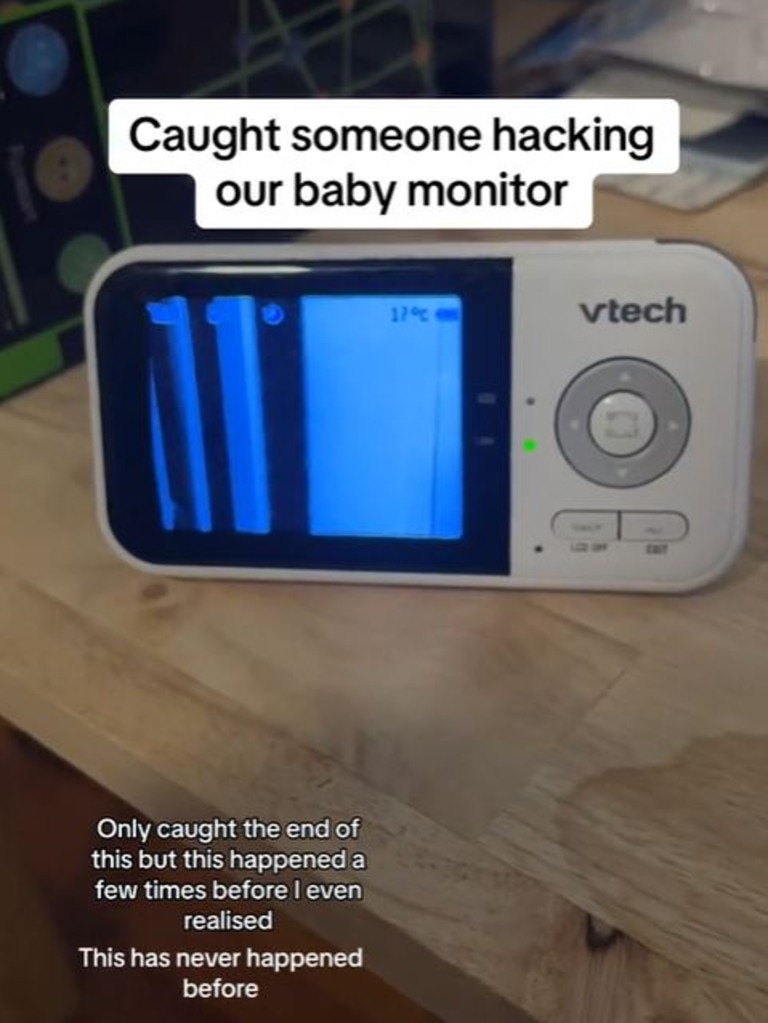
There is also a major difference between a confirmed hack and a suspected hack. Strange sounds, a moving camera, or an unexpected login can have several causes. Without a technical investigation, it may be impossible to prove exactly what happened.
- ✦ Different reporting systems
Consumer complaints, company reports, news reports, and security research use different methods and categories.
- ✦ Many incidents stay private
Families may not report an incident because they feel embarrassed, unsure, or simply want to move on.
Does a Reported Hack Mean Baby Monitors Are Commonly Hacked?
No. A reported incident shows that a weakness or attack path existed in that case. It does not prove that most baby monitors are hacked.
At the same time, parents should not dismiss reported cases. They are useful warnings because they show how real attacks can occur and which security mistakes can make a device easier to target.
Which Baby Monitors Are Most at Risk of Hacking?
The biggest difference comes from how the monitor sends video and audio. A Wi-Fi monitor may connect to your router, a phone app, a cloud service, and an online account. Each connection can create another place where security matters.
A traditional monitor that sends video directly to a matched parent unit does not normally need a cloud account. That can remove several internet-based attack paths. However, it does not mean that every non-Wi-Fi monitor is impossible to intercept or attack.
When people ask how often baby monitors get hacked, they often mean Wi-Fi cameras. These devices offer useful features such as remote viewing, alerts, cloud recording, and two-way audio. Those features also make security settings much more important.
- ✦ Wi-Fi baby monitors
These can face online account attacks, software flaws, weak passwords, unsafe network settings, and cloud-related risks.
- ✦ Cloud-connected cameras
A cloud service can add useful remote features but also creates another system that must stay secure.
- ✦ Old smart monitors
Devices that no longer receive security updates can become harder to protect over time.
- ✦ Local radio monitors
These usually have fewer internet attack paths, but their wireless signal may still need protection.
Wi-Fi Baby Monitors
Wi-Fi monitors are the most important category to examine when discussing remote hacking. If a camera connects to the internet, an attacker may try to reach the device through its account, app, cloud service, network, or a software flaw.
That does not mean a Wi-Fi monitor is unsafe by design. Many modern devices use encryption, secure login methods, automatic updates, and other controls. The problem often appears when a secure device is paired with a weak password, an old app, or poor home network settings.
- ✦ Remote access
Parents can view the camera from outside the home, but remote access must be protected with strong account security.
- ✦ Account security
A stolen or reused password can put an online camera account at risk.
Non-Wi-Fi Baby Monitors
A non-Wi-Fi monitor can reduce some internet-related risks because it does not need a cloud account or home internet connection for normal use. This can make it an attractive choice for parents who want a simple setup.
Still, non-Wi-Fi does not mean unhackable. Depending on the technology used, someone nearby may be able to attempt wireless interception or exploit a weakness in the device. The exact risk depends on the monitor’s wireless design and security features.

How Do Baby Monitors Get Hacked?
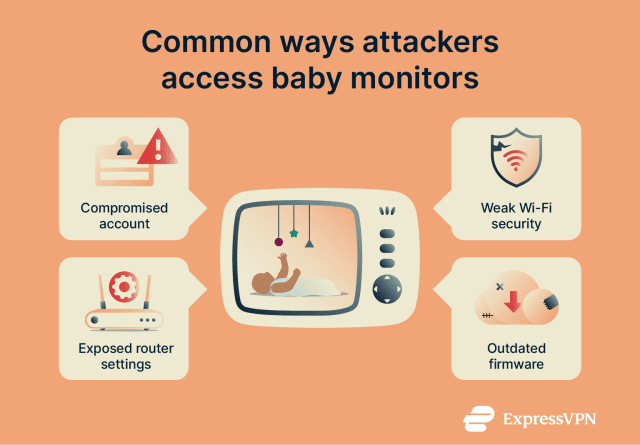
Understanding the attack path is more useful than memorizing a hacking statistic. In many cases, attackers do not need to break the camera itself. They may first target the account, password, router, phone, or software connected to the monitor.
A weak or reused password is one common problem. If the same password was used on another website and that website suffered a data breach, an attacker may try the stolen login details on other services.
Software flaws can also matter. Connected devices run software, and software can contain security bugs. This is why firmware and app updates are not just feature updates; they can also fix security problems.
- ✦ Stolen passwords
An attacker may use a leaked or stolen password to access a camera account.
- ✦ Password reuse
Using one password across several services can turn a breach on one site into a problem for another account.
- ✦ Outdated software
Old firmware or apps may contain known flaws that newer versions have fixed.
- ✦ Weak home Wi-Fi
Poor router security can expose connected devices to unnecessary risk.
- ✦ Unsafe account settings
Leaving remote access or shared accounts open without strong controls can increase exposure.
Credential Attacks
Credential attacks target the login rather than the camera hardware. Attackers may try passwords that were leaked elsewhere or use automated attempts against weak accounts.
A unique password makes this much harder. A password manager can help create and store a long password that you do not need to memorize.
- ✦ Use a unique password
Do not reuse your baby monitor account password on email, shopping, social media, or other services.
- ✦ Turn on two-step login
If the monitor maker supports multi-factor authentication, enable it for an added layer of protection.
Software and Firmware Flaws
Every connected device depends on software. A security flaw may allow an attacker to gain access or perform actions that the device owner did not approve.
The practical response is simple: keep the monitor, mobile app, router, and phone updated. If a manufacturer stops providing security updates, consider replacing the device when its security becomes outdated.
Router and Home Network Risks
Your baby monitor does not operate in isolation. A Wi-Fi model depends on your home router and network. An attacker who gains control of the network may have more opportunities to interact with connected devices.
Use a strong router password and modern Wi-Fi security. A separate guest or smart-device network can also help limit the damage if one connected device becomes compromised.
What Are the Signs That a Baby Monitor Has Been Hacked?
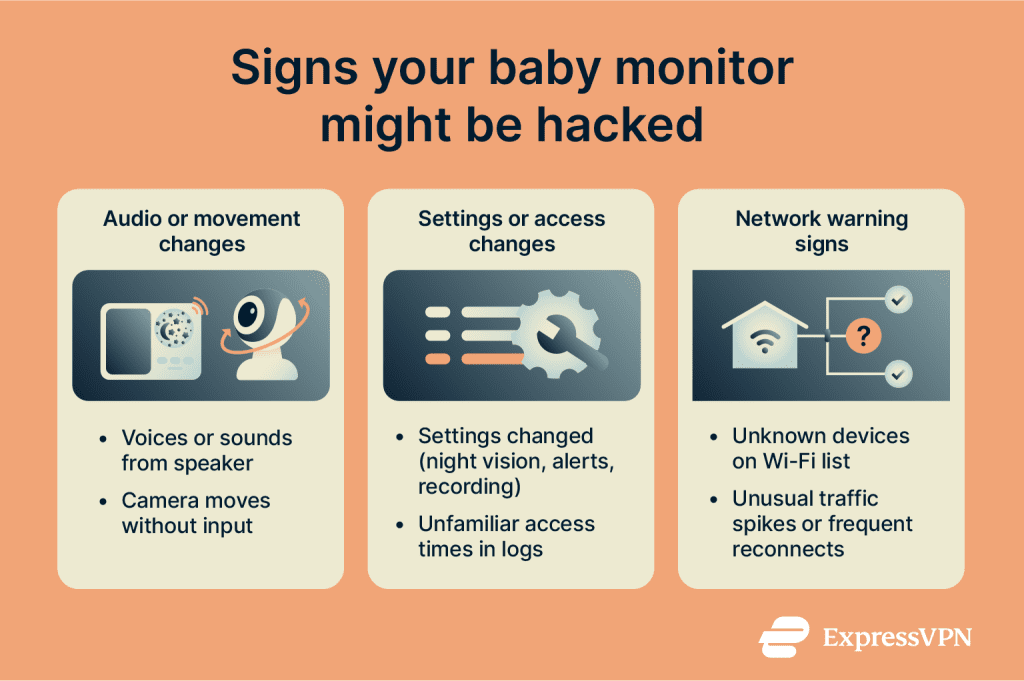
There is no single sign that proves a baby monitor has been hacked. A camera can behave strangely because of a software bug, a weak connection, a power problem, or a normal device feature. Still, several unusual events deserve attention.
Parents should pay special attention to unexpected account activity. For example, an unfamiliar login alert or a password change that you did not make can be more meaningful than a camera that briefly disconnects.
If you suspect unauthorized access, treat the concern seriously but avoid jumping to conclusions. Secure the account, disconnect the device if needed, update the software, and contact the manufacturer for help.
- ✦ Unknown account login
An unfamiliar login, device, or location can be a strong reason to review account security.
- ✦ Unexpected camera movement
A pan or tilt camera that moves without a known cause deserves investigation, especially if remote control is enabled.
- ✦ Unusual audio
Unexpected voices or sounds can be alarming, but they do not prove hacking without further evidence.
- ✦ Unknown account changes
A changed password, email address, or security setting that you did not make can indicate account compromise.
- ✦ Unexpected device behavior
Repeated settings changes, unexplained recordings, or unusual access alerts should prompt a security check.
What to Do If You Suspect a Hack
Start by changing the monitor account password from a trusted device. Use a new, unique password and enable two-step login if available.
Next, review active sessions and connected devices. Remove anything you do not recognize. Then update the monitor firmware and app, check your router security, and contact the manufacturer if the behavior continues.
- ✦ Change the password
Create a new password that has never been used for another account.
- ✦ End unknown sessions
Sign out devices or sessions that you do not recognize.
- ✦ Update everything
Install available security updates for the monitor, app, phone, and router.
- ✦ Disconnect if needed
If you believe someone has active unauthorized access, disconnect the monitor from the network while you investigate.
Why Strange Sounds Do Not Always Mean Hacking
Stories about strangers speaking through baby monitors are disturbing, but unusual audio can have several causes. Wireless interference, two-way audio features, software errors, and nearby electronic devices can sometimes create confusing behavior.
The strongest evidence is a combination of unusual behavior and clear account or security activity. Parents should investigate rather than assume that every strange sound proves an attack.
How to Reduce the Risk of a Baby Monitor Hack
The most useful answer to how often baby monitors get hacked is not a scary number. It is a clear security plan. Most parents cannot control every software flaw, but they can control many of the choices that make an attack easier or harder.
Start with the account. Use a strong and unique password, enable multi-factor authentication when available, and limit account access to people who truly need it. Do not share the main account password with babysitters, relatives, or other users when the manufacturer offers safer sharing options.
Then secure the network. Update your router, use modern Wi-Fi security, change default administrator credentials, and avoid exposing the camera directly to the public internet. These steps protect more than the baby monitor; they improve the security of your whole home network.
- ✦ Use a unique password
Give the monitor account its own long password that is not used anywhere else.
- ✦ Enable multi-factor authentication
Use two-step login when the manufacturer supports it.
- ✦ Install updates
Keep the camera firmware and mobile app current so known security fixes are applied.
- ✦ Secure your router
Use a strong router administrator password and current Wi-Fi security settings.
- ✦ Limit remote access
Turn off features you do not need, especially remote access that adds no real value to your routine.
- ✦ Review connected users
Check who has access to the camera and remove people who no longer need it.
- ✦ Choose a trusted brand
Before buying, check whether the maker provides updates, clear privacy information, secure login options, and support.
- ✦ Replace unsupported devices
A monitor that no longer receives security updates can become harder to protect as new flaws are found.
A Simple Baby Monitor Security Checklist
A good security routine does not need to be complex. In a typical U.S. home, parents can secure most connected baby monitors in a short setup session and then review the settings from time to time.
The most important goal is to reduce unnecessary exposure. Keep the monitor updated, protect the account, secure the network, and turn off features you do not need.
- ✦ Before setup
Read the privacy and security information, install the latest app, and create a unique account password.
- ✦ During setup
Use secure Wi-Fi, enable multi-factor authentication, and avoid public or shared networks.
- ✦ After setup
Review account access, update the device when prompted, and check for unfamiliar login activity.
- ✦ Over time
Replace the monitor if the manufacturer stops providing important security updates.
Should You Buy a Non-Wi-Fi Baby Monitor?
If you do not need remote viewing, a non-Wi-Fi monitor can be a sensible security choice. It removes the need for a cloud account and reduces the number of internet-connected systems involved.
However, security is only one buying factor. A Wi-Fi model may offer better alerts, remote viewing, video storage, and smart-home features. Choose the connection type that fits your needs, then secure it properly.
- ✦ Choose non-Wi-Fi
This can make sense when you mainly want local video and audio inside the home.
- ✦ Choose Wi-Fi
This may be useful when remote viewing, mobile alerts, or other connected features are important.