Can You Flush Baby Wipes Down The Toilet? Learn why wipes cause clogs, what to do instead, and safer disposal tips for your home and plumbing. No, you should not flush baby wipes down the toilet because they can cause costly plumbing and sewer blockages.
Can you flush baby wipes down the toilet? In most homes, the safe answer is no. Baby wipes may look soft, but they are made from strong fibers that do not break apart like toilet paper. This guide explains why wipes cause problems, what to do with used wipes, and how to avoid a blocked toilet or damaged septic system.
Source: timfrankseptic.com
Can You Flush Baby Wipes Down the Toilet?
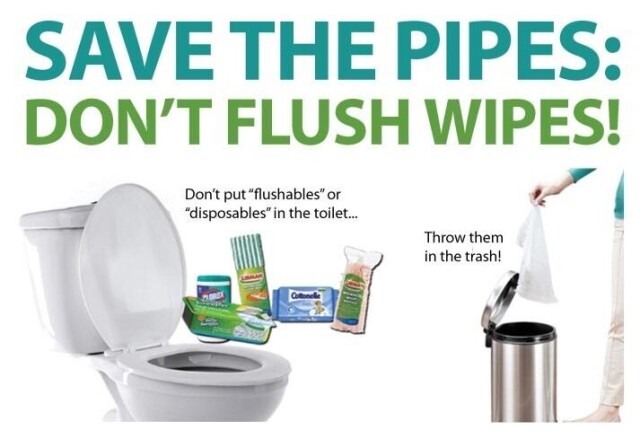
You should not flush baby wipes down the toilet, even when the package says “flushable.” Most baby wipes are designed to stay wet and strong during use. That strength makes them useful for cleaning, but it also makes them slow to break down in pipes and sewer systems.
Toilet paper is made to separate quickly in water. Baby wipes are often made with cotton, rayon, polyester, polypropylene, or other bonded fibers. These materials can remain mostly intact as they travel through household plumbing.
Can you flush baby wipes down the toilet if you only flush one? It is still risky. One wipe may pass through the toilet bowl, but it can catch on rough pipe walls, tree roots, grease, or other waste. Over time, more wipes can gather around that first obstruction.
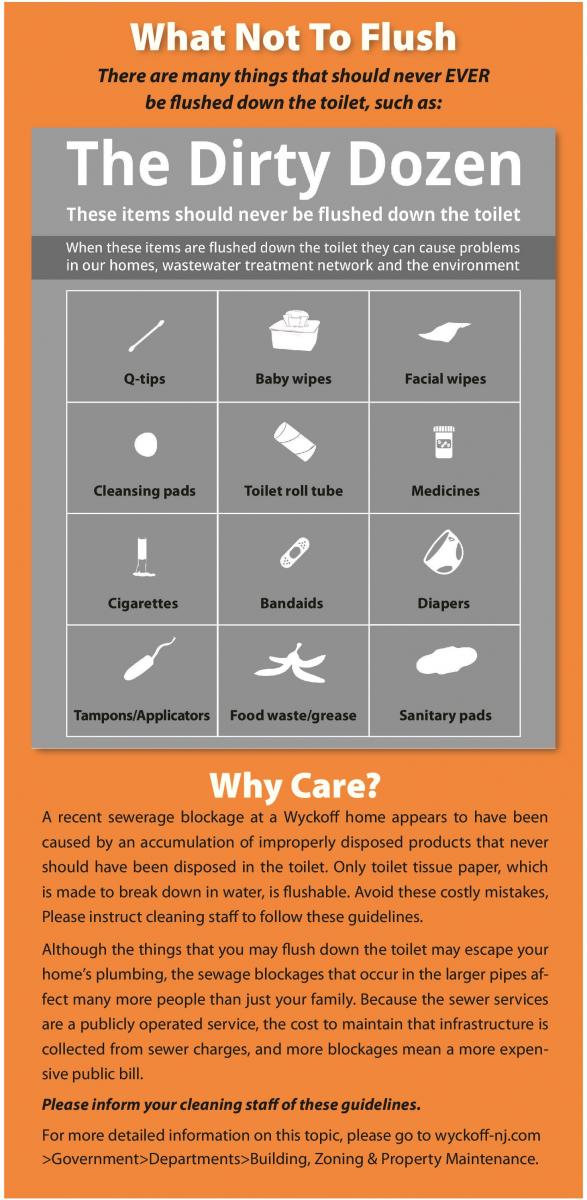
Most water and wastewater professionals recommend flushing only:
• Human waste
• Toilet paper
• Small amounts of normal toilet water
Everything else should go into a trash bin unless your local sewer provider gives different instructions.
Why Baby Wipes Cause Toilet and Sewer Problems
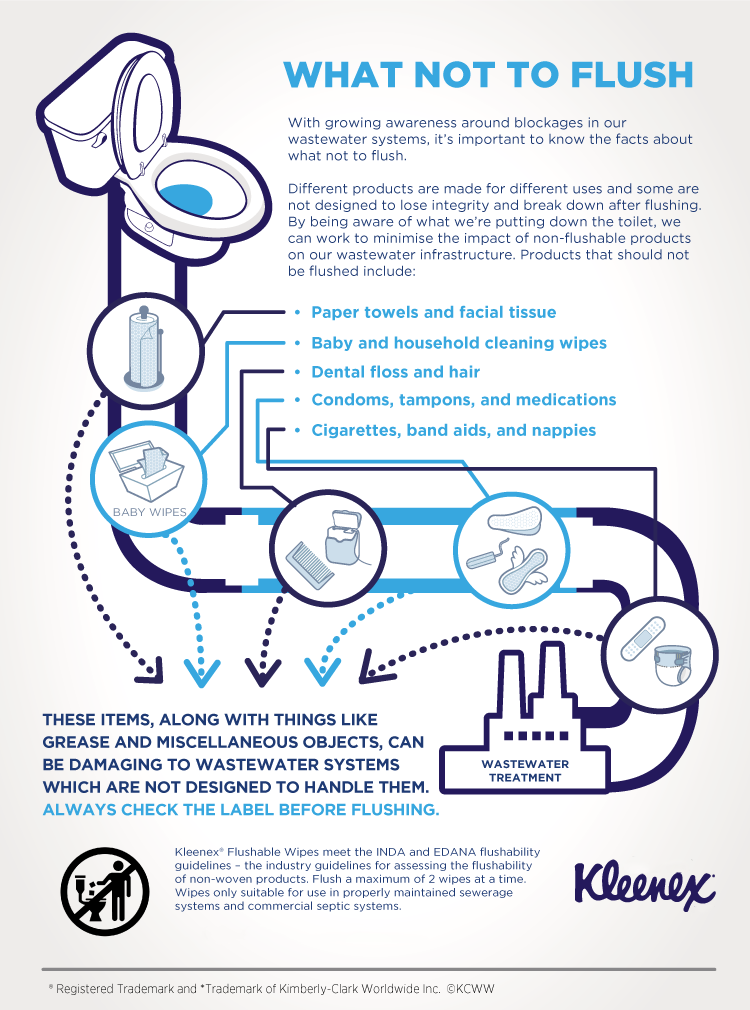
The main problem is that baby wipes do not disperse in water as quickly as toilet paper. A wipe may move through the first part of your plumbing, yet fail later in the drain line or public sewer.
Here are the most common problems.
Wipes can create pipe blockages
A baby wipe can become trapped in a bend, joint, or damaged section of pipe. Other wipes, hair, paper, and grease may then stick to it. The blockage can grow until water drains slowly or backs up into the home.
This often starts with small signs:
• A toilet flushes slowly
• Water rises in the bowl
• The drain makes a gurgling sound
• Several fixtures drain slowly at the same time
• A sewage smell comes from a drain
Wipes can damage septic systems
A septic tank depends on natural bacteria and time to break down waste. Baby wipes may settle at the bottom or float in the tank without breaking apart. They can fill the tank faster and move into the drain field.
A septic system with too many wipes may need more frequent pumping. In severe cases, wipes can contribute to drain field damage. Septic repairs can cost far more than simply placing wipes in a lined trash can.
Wipes can harm municipal sewer equipment
When wipes reach public sewer systems, they may combine with cooking fat, grease, and other debris. This can form large masses that block pumps and pipes. Some wastewater utilities call these masses “fatbergs.”
Even wipes labeled flushable may not break down well in every sewer system. Water flow, pipe design, pump equipment, and local conditions all affect what happens after flushing.

Source: greenamerica.org
Why “Flushable” Baby Wipes Can Still Be a Problem
The word “flushable” does not always mean “safe for every toilet, pipe, or sewer.” It usually means the product has passed certain testing conditions. Real homes may have older pipes, low water flow, narrow drains, or septic tanks.
Testing standards can also differ from the rules used by local water utilities. A wipe may break apart under controlled laboratory conditions but remain intact in a real sewer line. This difference is one reason many utilities still advise people not to flush wipes.
Can you flush baby wipes down the toilet when they are labeled flushable? The safest answer remains no unless your local wastewater provider clearly allows them. Even then, use the smallest amount possible and follow the provider’s instructions.
A simple rule works well:
• If it is not toilet paper, do not flush it
• If the package says “flushable,” check your local utility’s policy
• If you use a septic tank, place all wipes in the trash
The label may describe a product test. It does not guarantee that your home plumbing can handle the wipe.
What Should You Do With Used Baby Wipes?
The best method is simple: place used baby wipes in a lined trash can. Choose a bin with a lid to control odor and keep the area clean.
For diaper changes, many parents use a small diaper pail or a covered bathroom container. Empty it often, especially in warm weather. This reduces odor and limits contact with germs.
A practical disposal routine includes:
- Use the wipe as needed.
- Fold it inward to contain mess.
- Place it in a lined trash bin.
- Close the lid.
- Wash your hands with soap and water.
Do not place baby wipes in a recycling bin. Used wipes are contaminated, and their mixed fibers are not suitable for normal recycling systems. Do not compost standard baby wipes unless the product is specifically certified for composting and accepted by your local program.
If a wipe contains strong chemicals, medication, or cleaning products, follow the disposal instructions on the package. Most ordinary baby wipes still belong in household trash.

Source: ac.uk
What to Do If You Already Flushed Baby Wipes
If you flushed one or two wipes by accident, do not panic. A single wipe may pass through the system without immediate trouble. The important step is to stop flushing more and watch for warning signs.
Check your toilet and nearby drains for:
• Slow drainage
• Water backing up
• Gurgling sounds
• Bad odors
• Repeated clogs
If the toilet still works normally, avoid using chemical drain cleaners as a precaution. These products may damage pipes, harm septic bacteria, and create a hazard for anyone who later works on the plumbing.
If the toilet is clogged, try a flange plunger made for toilets. Use firm, steady strokes. Do not keep flushing to force the wipe through, because this can cause an overflow.
Call a licensed plumber when:
• The plunger does not clear the blockage
• More than one drain is affected
• Sewage backs up into the home
• The problem returns after clearing
• You suspect a damaged sewer line
A plumber may use an auger, drain camera, or hydro jetting equipment. The right method depends on the location and cause of the blockage.
Source: wyckoffnj.gov
Can You Flush Baby Wipes With a Septic Tank?
Can you flush baby wipes down the toilet with a septic system? No. Baby wipes are especially risky for homes with septic tanks because they may not break down before the tank needs pumping.
A septic tank separates solids, liquids, and floating materials. Toilet paper breaks down more easily and is designed for this system. Baby wipes can collect with other solids and reduce the tank’s usable capacity.
They may also travel into the drain field. If the drain field becomes clogged or saturated, wastewater may rise to the surface or back up into the home. This creates a health concern and may require major repairs.
For septic households, keep all wipes out of the toilet, including:
• Baby wipes
• Makeup wipes
• Cleaning wipes
• Disinfecting wipes
• Personal hygiene wipes
• Paper towels
Regular septic maintenance still matters. Follow the tank manufacturer’s guidance and have the system inspected or pumped by a qualified professional when needed.
Source: co.nz
Are Flushable Wipes Ever Safe to Flush?
Some personal hygiene wipes are marketed as flushable, but that does not make them risk-free. Their safety depends on the product, plumbing system, local rules, and how many wipes are used.
Many water utilities use a strict “only flush the three Ps” message: pee, poop, and paper. This advice is easy to remember and protects both private plumbing and public sewer equipment.
If you choose to use a product labeled flushable, reduce risk by following these precautions:
• Read the package directions
• Check your city or wastewater provider’s policy
• Flush only one at a time
• Never flush wipes with a septic system
• Stop if you notice slow drainage or backups
Still, placing the wipe in the trash is the lower-risk choice. It avoids uncertainty and protects your plumbing.
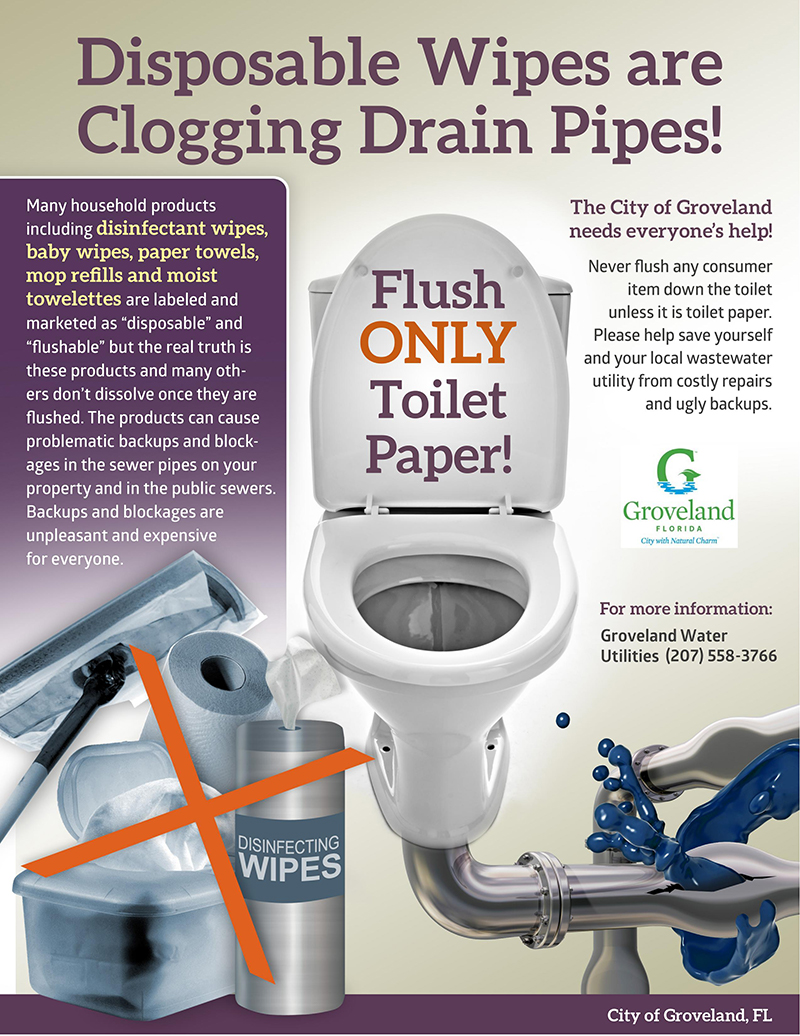
Source: sltablet.com
Baby Wipes Compared With Toilet Paper
To understand why can you flush baby wipes down the toilet has a different answer from ordinary toilet paper, compare how each product behaves in water.
Toilet paper is made to become weak when wet. It separates into small pieces after flushing. This helps it move through pipes and reach a treatment plant.
Baby wipes are made to stay together while wet. They often include binding agents and longer fibers. Their purpose is to clean skin without tearing, so they do not behave like toilet paper.
The key differences are:
• Toilet paper breaks apart quickly
• Baby wipes stay strong when wet
• Toilet paper is designed for sewer systems
• Baby wipes are designed for surface cleaning
• Toilet paper is generally suitable for toilets
• Baby wipes should usually go into the trash
A wipe that feels thin in your hand can still be tough inside a pipe. Water pressure may move it forward, but pressure does not make the material disappear.
Common Mistakes to Avoid
Many toilet blockages begin with small habits. People may flush a wipe because the bowl appears clear, then repeat the action over several days. The damage often develops out of sight.
Avoid these common mistakes:
• Flushing wipes because they are labeled flushable
• Flushing several wipes at once
• Flushing wipes in an older home
• Flushing wipes with a septic tank
• Using paper towels as a substitute for toilet paper
• Pouring grease into a sink near the toilet line
• Ignoring slow drainage
• Repeatedly flushing a toilet that is already rising
One lesson often seen in household plumbing problems is that prevention is much cheaper than repair. A covered trash bin costs little. A sewer line replacement can cost thousands of dollars, depending on access, damage, and local labor rates.
Practical Tips for Parents and Caregivers
Parents often need quick and clean diaper changes. Keeping the right supplies nearby makes safe disposal easier.
Set up a simple changing area with:
• A lined diaper pail
• A small supply of replacement bags
• A covered container
• Hand soap or hand sanitizer
• A washable changing mat
If you are changing a baby in a public restroom, use the available trash receptacle. Do not flush the wipe simply because no private bin is nearby. In a home bathroom, place the wipe in the trash before washing your hands.
When traveling, carry sealable disposal bags. They help contain odor until you find a suitable trash can. This small habit prevents accidental flushing and keeps shared bathrooms cleaner.
Frequently Asked Questions About Can You Flush Baby Wipes Down the Toilet?
Can one baby wipe clog a toilet?
One baby wipe may pass through the toilet, but it can still catch inside a pipe. The risk increases when the plumbing is old, narrow, damaged, or connected to a septic system.
Can you flush baby wipes labeled “flushable”?
It is safer not to flush them. Product testing may not match the conditions in your home plumbing or local sewer system, so check your wastewater provider’s guidance first.
What happens if you flush baby wipes every day?
Repeated flushing can create a blockage in household pipes, a sewer lateral, or a septic tank. Problems may appear slowly as weak flushing, gurgling drains, odors, or sewage backups.
Are biodegradable baby wipes safe to flush?
Biodegradable does not mean toilet-safe. A wipe may break down in the environment over time but still remain intact long enough to block pipes or sewer equipment.
Can you flush baby wipes with a septic tank?
No. Baby wipes can collect in the tank, reduce capacity, and move toward the drain field. Put them in the trash instead.
What is the best way to dispose of baby wipes?
Place used wipes in a lined trash can with a lid. Empty the container regularly and wash your hands after disposal.
Should you use a chemical drain cleaner after flushing wipes?
No. Chemical drain cleaners may damage plumbing and create safety risks. Use a toilet plunger for a simple clog, or contact a plumber if the problem continues.
Conclusion
Can you flush baby wipes down the toilet? In most cases, you should not. Baby wipes are strong, slow to break apart, and capable of blocking household pipes, septic tanks, sewer lines, and wastewater equipment.
The safest habit is easy: flush human waste and toilet paper only. Put baby wipes, cleaning wipes, makeup wipes, and paper towels in a lined trash bin, even when the package uses the word “flushable.”
Protect your plumbing by sharing this rule with everyone in your home. If you have experienced a wipe-related blockage, contact a licensed plumber and check your local wastewater provider’s disposal guidance.