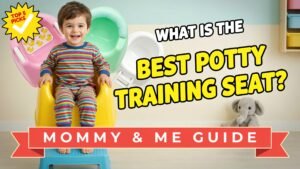
What Is The Best Potty Training Seat For Baby? Find a safe, comfortable option with this practical guide for easier toilet training and happy toddlers. The best potty training seat for a baby is stable, comfortable, easy to clean, and sized for the child’s body.
Choosing the best potty training seat for a baby can make toilet learning feel less stressful for both of you. The right seat should support safe practice, help your child feel secure, and fit your home routine. This guide explains the main types, safety features, age advice, cleaning needs, and practical buying tips so you can make a confident choice.

Source: parents.com
What Is the Best Potty Training Seat for Baby?
The best potty training seat for baby is usually a small floor potty with a wide, stable base. It lets a child place both feet on the floor and sit without climbing onto a full-size toilet. This position often feels safer for young toddlers who are new to toilet training.
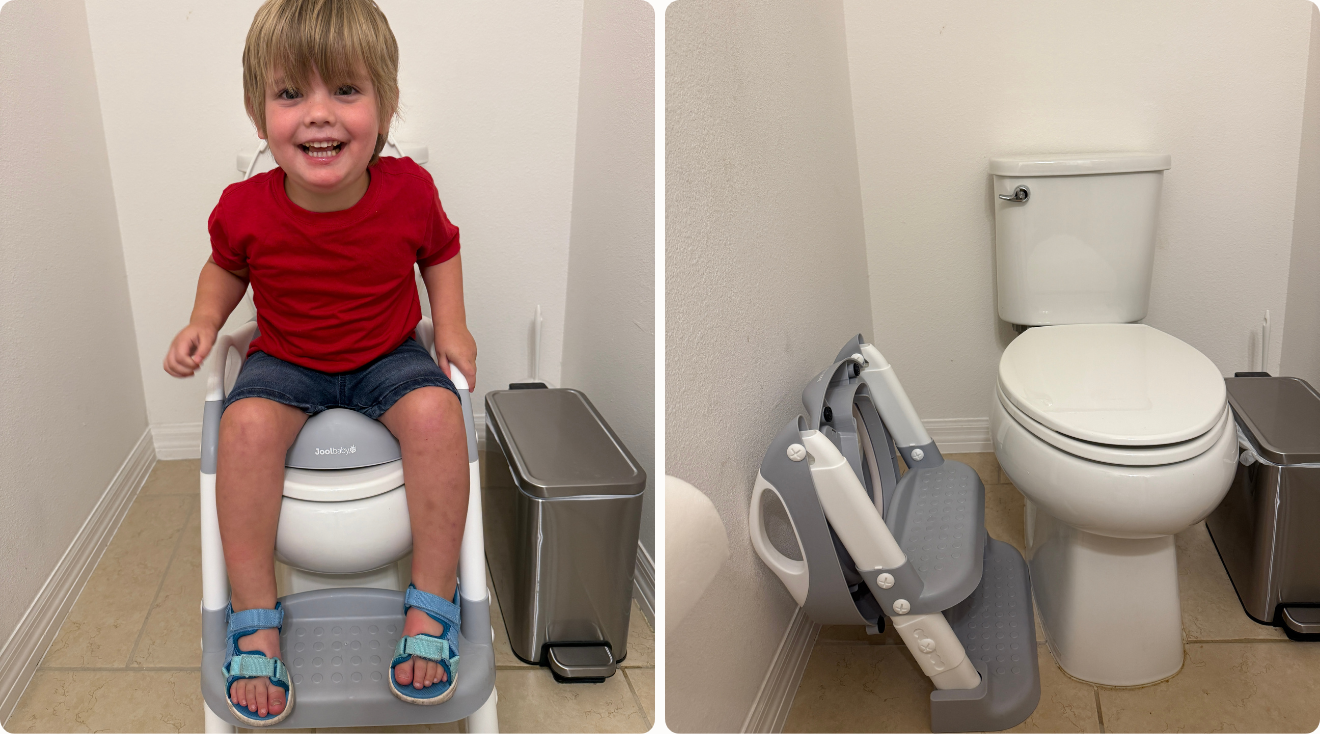
A toilet insert can also work well. It fits over a regular toilet seat and helps reduce the fear of falling in. However, most children need a sturdy step stool so their feet do not hang freely.
There is no single best potty training seat for every child. The right choice depends on:
• Your child’s size and balance
• Whether your child feels safer on the floor or on the toilet
• The height of your home toilet
• How often you travel
• How much cleaning you are willing to do
• Whether your child prefers a simple or colorful design
For many families, a basic floor potty is the best first step. Later, a toilet insert can help the child move from a small potty to the family toilet.

Source: amazon.com
Floor Potty Versus Toilet Training Seat
Understanding the difference between these products helps answer the question, “What Is The Best Potty Training Seat for Baby?” A floor potty is a complete, child-sized toilet. A toilet training seat is an insert that sits on top of an adult toilet.
Floor potty
A floor potty sits directly on the ground. It usually has a small bowl, a contoured seat, and a splash guard.
Benefits include:
• Easy access for small toddlers
• Better foot support
• Lower risk of falling
• Simple sitting position
• Easy placement near a playroom or bedroom
The main drawback is cleaning. You must empty and wash the bowl after use. Some children also need time to learn that the small potty and the adult toilet serve the same purpose.
Toilet insert
A toilet insert reduces the opening of a standard toilet. It gives the child a smaller seat and can help them feel more secure.
Benefits include:
• No separate bowl to empty
• Easier transition to the adult toilet
• Less floor space used
• Useful for travel and public bathrooms
The main drawback is height. A child may feel unstable if their feet do not rest on a step stool. Poor foot support can make it harder to relax and use the toilet.
Convertible potty systems
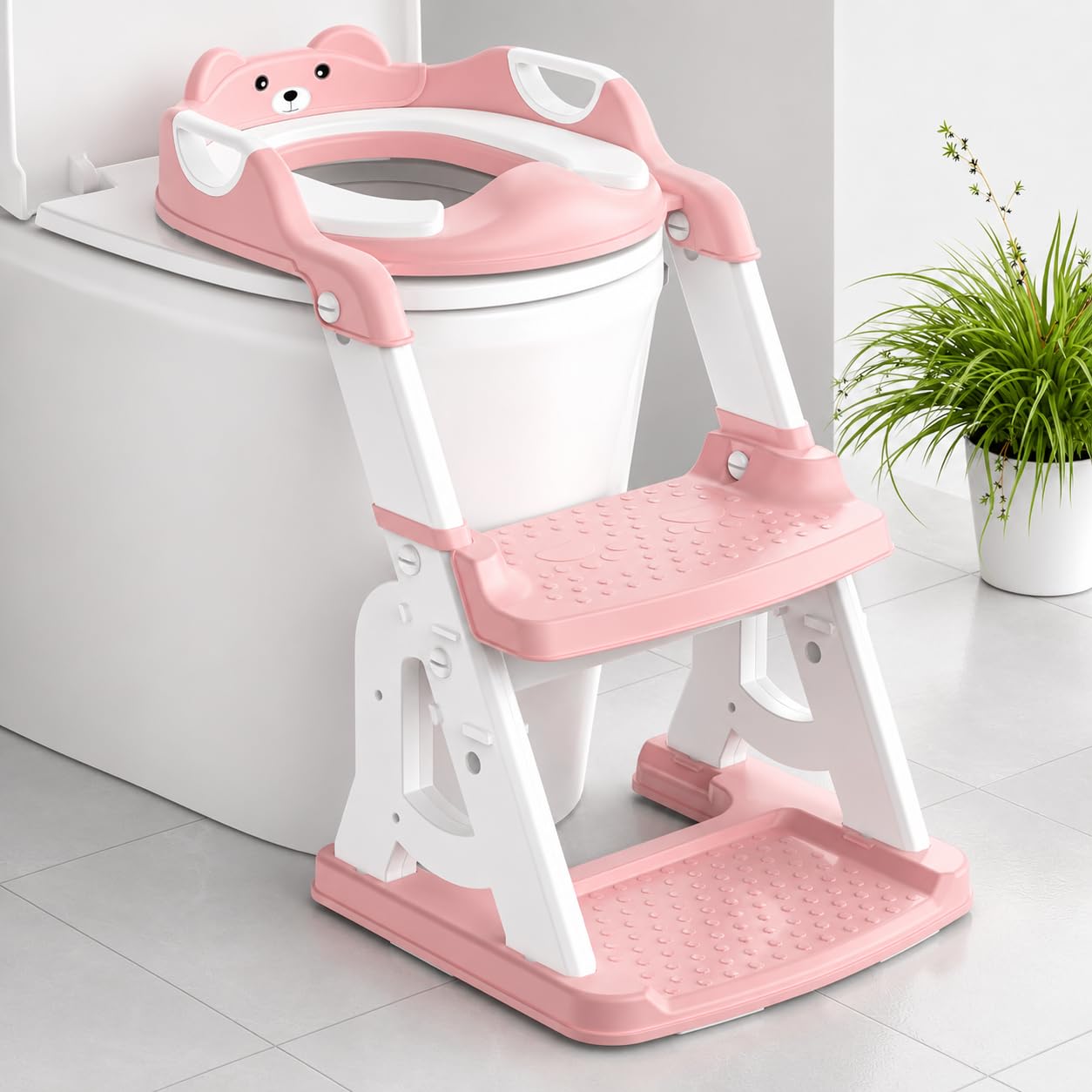
Some products work as a floor potty, toilet insert, and step stool. These can save space and money, but they may have more parts to clean. Check that each part locks firmly and does not slide during use.
Key Features of the Best Potty Training Seat for Baby
When parents ask, “What Is The Best Potty Training Seat for Baby?” I suggest looking at function before color or extra features. A simple seat that fits well is often more useful than a complex product with many parts.
Stable and slip-resistant base
Stability is one of the most important safety features. The seat should stay in place when your child sits down, stands up, or shifts their weight.
Look for:
• A wide base
• Rubber grips or non-slip feet
• A low center of gravity
• No rocking on a hard floor
• Strong plastic that does not flex easily
Place the potty on a level surface. Avoid thick bath mats unless the product is designed to sit securely on them.
Comfortable seat shape
A child should be able to sit with their legs in a natural position. The seat should not pinch the thighs or press into the skin.
A smooth, rounded edge is best. Avoid deep cracks, rough seams, and hard decorations that may cause discomfort.
Proper size
A seat that is too large may feel unsafe. A seat that is too small may press against the child’s legs and make sitting unpleasant.
Before buying, check the product’s height and weight range. Compare those measurements with your child’s body, not only their age.
Foot support
Foot support matters most for a toilet insert. A stable step stool allows the child to keep their feet flat and knees slightly raised. This position can help with balance and comfort during bowel movements.
A floor potty usually provides natural foot support. This is one reason it often works well for very young toddlers.
Easy cleaning
Potty training can involve urine, stool, and frequent accidents. Choose a design that can be cleaned quickly.
Useful features include:
• A removable bowl
• A smooth, nonporous surface
• Few seams
• A secure splash guard
• Parts that are easy to rinse
• No deep grooves where waste can collect
Use mild soap and water unless the manufacturer gives different instructions. Strong chemicals may damage plastic or leave a smell that bothers the child.
Safe materials and construction
Choose a product made for children and sold by a reliable manufacturer. Look for clear instructions, age guidance, weight limits, and cleaning directions.
Avoid damaged products, recalled items, and seats with loose hinges or sharp edges. The U.S. Consumer Product Safety Commission provides recall information for many child products.

Source: amazon.com
Best Potty Training Seat Types for Different Needs
The best potty training seat for baby may change as your child grows. Consider your daily routine before choosing a style.
Best for a first-time learner: floor potty
A floor potty is often the best choice for a child who is just beginning. The low height makes it easy to sit down and stand up without help.
It is also useful for children who dislike climbing onto the adult toilet. Many toddlers gain confidence when they can control their own movement.
Best for a child afraid of the toilet: padded or contoured insert
Some children dislike the size, sound, or height of a full toilet. A well-shaped insert makes the opening smaller and gives the child a more secure sitting area.
Use it with a sturdy step stool. Stay nearby until your child can sit down and get up safely.
Best for small bathrooms: toilet insert
An insert takes up little storage space. It may suit families who do not want to clean a separate potty bowl.
Choose a model that stays firmly on the toilet. If it shifts, your child may lose trust in it.
Best for travel: compact foldable seat
A foldable seat can help with hotel bathrooms, relatives’ homes, and public toilets. It should lock open and fit the toilet securely.
Always check it before use. Public toilets vary in shape, so a travel seat may not fit every bowl.
Best for long-term use: adjustable or convertible model
A convertible product can support several stages of toilet learning. It may begin as a floor potty and later become an insert or step stool.
These models are convenient, but they can be larger and harder to wash. Make sure the design remains stable in every mode.

Source: bestproducts.com
When Should a Baby Start Potty Training?
Most children are ready for potty training sometime between 18 and 30 months, but readiness differs widely. Some children start earlier, while others need more time. Age alone should not decide when to begin.
The American Academy of Pediatrics notes that children develop toilet skills at different rates. Pressure, shame, or punishment can make the process harder.
Signs of readiness may include:
• Staying dry for longer periods
• Showing interest in the bathroom
• Hiding to poop
• Telling you before or after urinating
• Pulling pants up and down
• Following simple directions
• Disliking a wet or dirty diaper
• Sitting calmly for a short time
A young baby is not usually ready for formal potty training. Parents can still introduce bathroom language and let the child see normal routines without expecting results.
The best potty training seat for baby should be ready before training begins, but the child should decide when they are ready to practice. Think of the seat as a tool, not a test.

How to Choose the Right Size
A good fit helps a child feel calm. Your child’s feet should reach the floor on a floor potty. Their knees should bend comfortably, and they should sit without leaning heavily to one side.
For a toilet insert, use a step stool. The child should be able to place both feet on it while sitting. If the child’s feet swing in the air, they may feel nervous or strain during bowel movements.
Check these points:
• The child sits with the bottom centered
• The thighs do not press against the seat
• The feet have firm support
• The seat does not slide
• The child can get on and off with suitable help
• The splash guard does not cause discomfort
Children grow quickly, so recheck the fit every few months. A seat that worked well at age two may feel cramped later.
Source: thebump.com
How to Use a Potty Training Seat Safely
Supervision is important, even when the seat looks stable. A child can slip, stand too quickly, or reach for nearby objects.
Follow these steps:
- Place the potty on a flat, dry surface.
- Show your child how to sit and stand.
- Keep clothing loose and easy to remove.
- Stay close during early practice.
- Use a step stool with a toilet insert.
- Clean the seat after each bowel movement.
- Wash hands after helping your child.
- Inspect the seat often for cracks or loose parts.
Never leave a young child alone on an adult toilet. A potty seat is not a substitute for active supervision.
Avoid forcing a child to sit for long periods. A few relaxed minutes are better than a long struggle. Praise effort, not only success.

Source: walmart.com
Common Mistakes to Avoid
Even the best potty training seat for baby will not solve every training problem. The way adults introduce and use the seat matters just as much.
Choosing based only on appearance
Bright colors and cartoon designs may attract attention, but they do not guarantee safety or comfort. Stability, fit, and cleaning should come first.
Buying a seat that is too large
A large seat can make a small child feel exposed. Measure the product and compare it with your child’s size.
Skipping the step stool
A toilet insert without foot support often feels unstable. A step stool is a key part of the setup.
Moving between products too often
Changing from a floor potty to an insert and then to a different seat may confuse some children. Use one product long enough for your child to build confidence.
Treating accidents as bad behavior
Accidents are a normal part of learning. Stay calm, clean up, and offer a simple reminder for next time.
Leaving the potty in an inconvenient place
If the potty is far away, a child may not reach it in time. Keep it near the bathroom or in another suitable place during the early stage.
Ignoring constipation
Painful bowel movements can cause fear and withholding. Offer water and fiber-rich foods, and speak with a pediatrician if constipation continues. Seek medical advice for blood, severe pain, vomiting, or ongoing stool withholding.
Source: amazon.com
How Much Should You Spend?
A higher price does not always mean a better potty training seat for baby. Basic floor potties can work very well when they are stable, comfortable, and easy to clean.
Pay more only when the added feature solves a real problem. For example, a family that travels often may benefit from a foldable seat. A child with balance concerns may benefit from a wide, supportive design.
Before buying, compare:
• Product size
• Weight limit
• Materials
• Stability
• Cleaning instructions
• Warranty or return policy
• Replacement parts
• Customer reports about sliding or cracking
Avoid products that make medical, developmental, or guaranteed-training claims. Toilet learning has no fixed schedule, and a product cannot replace readiness or patient support.
A Simple Potty Training Routine
A calm routine can make the best potty training seat for baby more useful. Start with short, low-pressure practice.
Try this routine:
- Let your child look at and touch the potty.
- Explain what it is in simple words.
- Invite your child to sit fully clothed.
- Practice sitting after waking and before bath time.
- Offer a chance after meals if your child is comfortable.
- Keep visits brief.
- Praise sitting, trying, and telling you.
- Stop if your child becomes upset.
- Keep the routine consistent for several days.
- Adjust the plan based on your child’s signals.
Reading a short book or singing a quiet song may help. Avoid turning the potty into a place for long entertainment, since the goal is comfort and body awareness.
A useful lesson from many family routines is that small changes often matter most. Moving the potty closer, adding a step stool, or switching to easier pants can reduce stress more than buying a more expensive seat.
Cleaning and Maintenance Tips
Good hygiene protects your child and keeps the potty pleasant to use. Empty a floor potty promptly after bowel movements. Rinse the bowl, wash it with mild soap, and let it dry fully.
For a toilet insert, wipe the surface after use. Follow the maker’s care instructions before using disinfectants. Some cleaners can weaken plastic or leave residue.
Inspect the product each week for:
• Cracks
• Loose screws
• Broken grips
• Peeling padding
• Sharp edges
• A loose splash guard
• Warped plastic
Replace the seat if it becomes unstable or damaged. Do not repair a child’s potty with tape or makeshift parts that could loosen during use.
Frequently Asked Questions About What Is The Best Potty Training Seat for Baby?
Is a floor potty or toilet seat better for a baby?
A floor potty is often better for a young toddler because it is low, stable, and easy to access. A toilet insert may work better once the child feels ready to use the adult toilet.
What age is best for using a potty training seat?
Many children begin between 18 and 30 months, but there is no perfect age. Look for readiness signs such as staying dry, following simple directions, and showing interest in the bathroom.
Does a potty training seat need a step stool?
A step stool is strongly recommended with a toilet insert. It gives the child foot support, improves balance, and may make bowel movements more comfortable.
How do I know if a potty seat is safe?
Choose a seat with a stable base, smooth surfaces, clear weight guidance, and non-slip features. Check it often for cracks, loose parts, and signs that it moves during use.
Can a potty training seat help with toilet fear?
Yes, a smaller and more stable seat can reduce fear of falling. Introduce it slowly, allow the child to sit fully clothed first, and never force the child to use it.
Should I buy a seat with a splash guard?
A splash guard can reduce mess, especially for boys, but it should not press against the child or make sitting difficult. Comfort and fit remain more important than this feature.
How do I clean a baby potty training seat?
Use mild soap and warm water unless the manufacturer gives other instructions. Empty floor potties promptly, rinse them well, and check seams for trapped waste.
Conclusion
The best potty training seat for baby is not always the most expensive or most colorful option. For many young toddlers, a stable floor potty is the best starting point. A toilet insert can be useful later, especially when paired with a secure step stool.
Focus on stability, comfort, size, foot support, easy cleaning, and safe construction. Follow your child’s readiness signs, keep practice calm, and treat accidents as part of learning.
Choose a seat that fits your child and your daily routine, then give your child time to build confidence. Explore trusted product guidance, compare carefully, and share your own potty training lessons with other parents.