
Are bouncers bad for babies? Learn the safety risks, benefits, age guidelines, and expert tips for using baby bouncers responsibly. Bouncers are not inherently bad for babies, but unsafe use can cause falls, breathing problems, or sleep-related harm.
Parents often ask, “Are Bouncers Bad For Babies?” because these seats can soothe a fussy infant while giving caregivers a short break. The answer depends on the baby’s age, the product design, and how it is used. This guide explains the benefits, risks, safe-use rules, and warning signs so you can make a calm, informed choice.
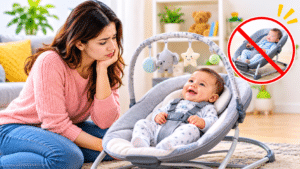
What Is a Baby Bouncer?
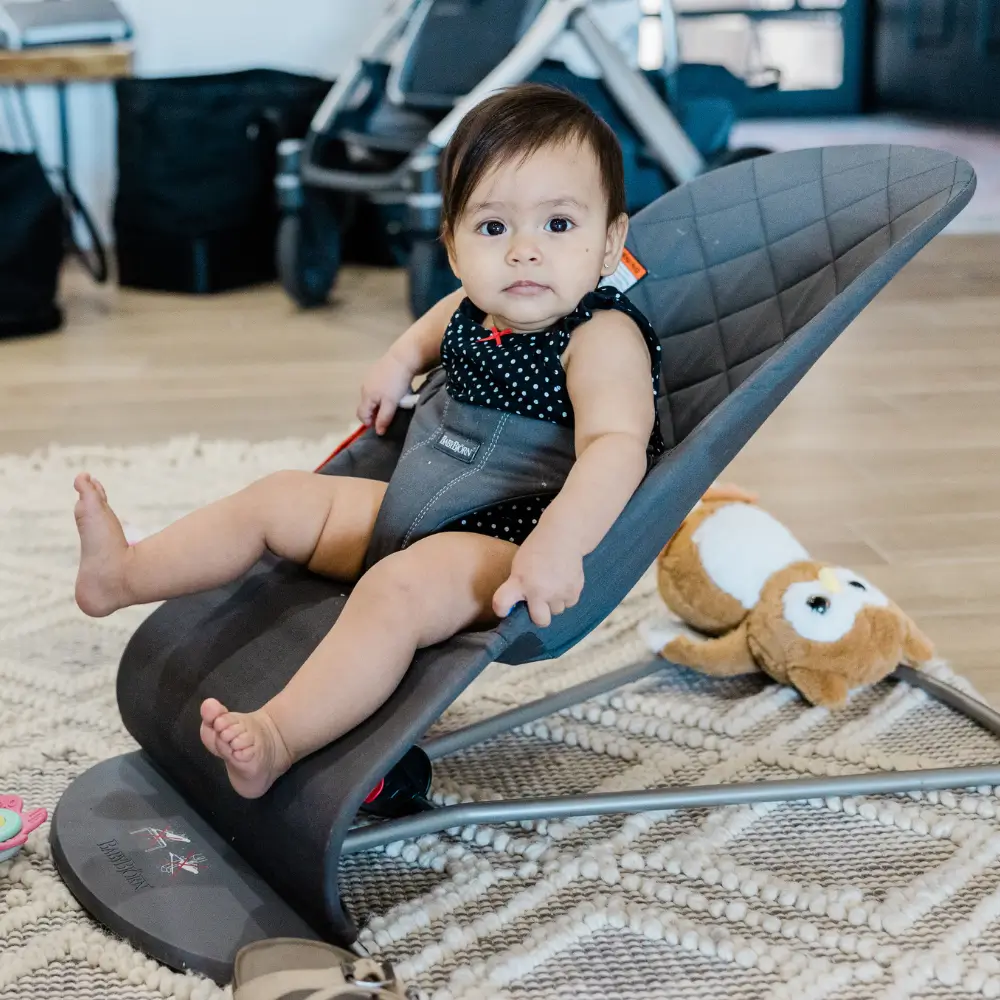
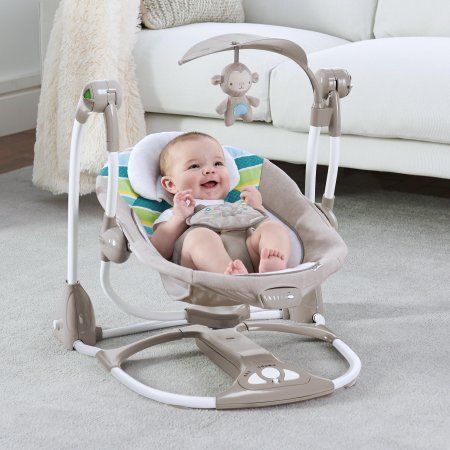
A baby bouncer is a small, reclined seat that moves when a baby kicks or when an adult gently rocks it. Most models have a soft fabric seat, a frame, and a three-point or five-point harness. Some include vibration, music, or toy bars.
A bouncer is different from a baby swing. A swing often moves with a motor, while a bouncer usually moves by itself or with light hand pressure. Neither product is designed to replace a crib, bassinet, or other approved sleep space.
Parents may use a bouncer while folding laundry, preparing a meal, or talking with an older child. It can be useful, but it should be treated as a short-term activity seat rather than a safe place for unsupervised rest.
Source: kamikadze.sk
Are Bouncers Bad For Babies? The Short Answer
Are Bouncers Bad For Babies? Not when used correctly and for brief, supervised periods. The main concern is not the gentle bouncing itself. The concern is leaving a baby in a reclined seat for too long, allowing sleep in the seat, or placing the bouncer on an unsafe surface.
The American Academy of Pediatrics recommends that babies sleep on a firm, flat, noninclined surface. A bouncer does not meet those requirements. If your baby falls asleep in one, move the baby to a crib, bassinet, or play yard as soon as it is practical and safe to do so.
Infants have weak neck muscles and limited control of their heads. In a sloped seat, the head may fall forward. This can narrow the airway and make breathing harder. A young baby may not have the strength to change position or call for help.
Therefore, the best answer to “Are Bouncers Bad For Babies?” is simple: they may be safe as supervised seats, but they are not safe sleep spaces.

Source: brothersinspect.com
Potential Benefits of Baby Bouncers
A bouncer can offer practical help during the early months. It may also give a baby a chance to look around and respond to a parent’s voice.
Possible benefits include:
• Short periods of calming movement for a fussy baby
• A safe place to sit while a caregiver remains close
• Opportunities for visual tracking and early interaction
• Hands-free time for simple tasks
• A way to include the baby in family activities
The word “safe” matters here. A bouncer is only useful when the caregiver stays nearby, follows the instructions, and checks the baby often. It should not become a substitute for holding, floor play, tummy time, or face-to-face interaction.
The safest use is often simple. Place the bouncer on the floor, secure the harness, sit within reach, and talk or sing to your baby. Think of the seat as a small parking spot, not a long-term destination.
Main Risks of Baby Bouncers
Understanding the risks helps answer the question, “Are Bouncers Bad For Babies?” Most injuries occur because of misuse, not because a properly used bouncer is automatically dangerous.
Sleep-related breathing problems
A reclined seat can allow a baby’s chin to fall toward the chest. This position may restrict the airway, especially in newborns and young infants. Soft padding, blankets, or added head supports can increase the danger.
If a baby sleeps in a bouncer, do not place a blanket over the seat. Move the baby to a firm, flat sleep surface instead.
Falls from raised surfaces
Never place a bouncer on a table, counter, bed, sofa, or chair. A baby may move more than expected, and the seat can slide or tip. Even a short fall can cause a serious head injury.
The floor is the safest location. Keep the bouncer away from stairs, pets, cords, heaters, and other children who may pull or push it.
Tip-overs
A bouncer can tip if it is used on an uneven surface or if an older child climbs near it. Some products become unstable when a baby grows stronger and begins to arch, roll, or push with the feet.
Check the frame before each use. Do not use the product if it rocks unevenly, has a bent part, or shows cracks.
Harness problems
A loose or damaged harness can allow a baby to slide down or fall out. A harness that is too tight can cause discomfort and may leave marks.
Fasten the harness according to the product manual. It should be snug, with no large gap between the baby and the straps. Never rely on the harness alone if the bouncer is placed somewhere unsafe.
Overuse and limited movement
Babies need time to move freely. Long periods in a bouncer can reduce opportunities for kicking, reaching, rolling, and building body control. It may also limit floor play, which supports early motor development.
This does not mean a short session will harm development. The concern is repeated, extended use throughout the day. Balance bouncer time with holding, supervised tummy time, and play on a safe floor.
Source: crawlaroo.com
Can Babies Sleep in a Bouncer?
No. Babies should not routinely sleep in bouncers, swings, rockers, or inclined seats. These products are not designed for unsupervised sleep, even if the baby looks comfortable.
Many babies fall asleep in bouncers because the movement is soothing. That is common, but comfort does not equal safety. A baby’s head can move into a position that blocks normal breathing.
If your baby falls asleep in a bouncer:
- Stay close while preparing to move the baby.
- Stop any vibration or movement.
- Lift the baby carefully, supporting the head and neck.
- Place the baby on the back in a firm, flat crib, bassinet, or play yard.
- Keep the sleep space clear of pillows, blankets, bumpers, and toys.
The same rule applies to car seats outside the car. A car seat is essential for travel, but it is not a routine sleep space once you reach your destination.

Source: checkupnewsroom.com
How to Use a Baby Bouncer Safely
Safe use begins with the product manual. Different models have different weight limits, harness systems, and age rules. Do not assume that one bouncer works like another.
Follow these steps:
• Place the bouncer on a clear, level floor.
• Use the harness every time, even during a short session.
• Keep your baby within sight and reach.
• Use the bouncer only when your baby fits the stated age, height, and weight limits.
• Keep blankets, pillows, toys, and extra padding out of the seat.
• Stop use when your baby tries to sit up, roll out, climb, or pull forward, unless the manual clearly permits continued use.
• Inspect straps, buckles, fabric, and frame parts before use.
• Keep the bouncer away from water, heat sources, cords, stairs, and pets.
• Register the product and check for recalls.
Do not carry the bouncer with your baby inside unless the manufacturer specifically designed it for carrying. Do not place the bouncer on a raised surface, even if you are only stepping away for a moment.

Source: physiomommy.com
How Long Can a Baby Stay in a Bouncer?
There is no single time limit that fits every baby or every product. A practical approach is to use the bouncer for short periods and vary your baby’s position throughout the day.
A baby should spend plenty of time:
• Being held by an attentive caregiver
• Playing on the back on a safe floor
• Practicing supervised tummy time while awake
• Moving arms and legs freely
• Interacting with people and age-appropriate toys
If a baby spends much of the day in a bouncer, the seat may replace important movement and social contact. Watch your baby’s cues. Fussing, slumping, sweating, red marks, or repeated attempts to climb out mean it is time to stop.
The best answer to “Are Bouncers Bad For Babies?” often comes down to duration. A short, supervised session is very different from several hours of repeated use.
Source: stun-agentur.de
When Should a Baby Stop Using a Bouncer?
Stop using a bouncer when your baby reaches the product’s limit or begins showing signs of increased mobility. These signs may appear before the maximum weight limit.
Stop immediately if your baby:
• Tries to roll or sit up in the seat
• Leans strongly to one side
• Pushes against the frame with the feet
• Reaches for the floor or nearby objects
• Attempts to climb out
• Slumps forward or cannot keep the head in a safe position
Always follow the manufacturer’s instructions. The safest stopping point may vary by design. If the manual is missing, look up the exact model or contact the manufacturer rather than guessing.
Are Bouncers Bad For Babies’ Hips and Spine?
There is no strong evidence that brief, correct use of a standard bouncer harms a healthy baby’s hips or spine. However, prolonged time in any restrictive seat can reduce free movement and may place the body in one position for too long.
Babies need chances to stretch, turn, kick, and change position. A bouncer should support daily life, not control most of your baby’s movement.
If your baby has hip dysplasia, low muscle tone, a neck condition, breathing problems, or another medical concern, ask a pediatrician or physical therapist for individual advice. A health professional can assess the baby’s posture and recommend suitable equipment.
Choosing a Safer Baby Bouncer
Product selection matters, but even a well-designed bouncer needs careful use. Before buying, check the following features:
• A wide, stable base
• A secure, easy-to-use harness
• Clear age and weight limits
• Breathable, washable fabric
• No loose parts or deep gaps
• A design that keeps the baby’s head supported without forcing the chin to the chest
• Current safety information and recall records
Avoid used products with unknown history. A secondhand bouncer may have hidden damage, missing instructions, or an expired recall. If you buy one used, identify the exact model and inspect every part before placing your baby inside.
Do not add aftermarket cushions, positioners, head supports, or straps unless the manufacturer specifically approves them. Extra items can change the angle or create a suffocation risk.
Common Mistakes Parents Should Avoid
Parents are often tired and busy. Many bouncer accidents happen during ordinary moments, not careless ones. Clear rules can prevent common mistakes.
Avoid these habits:
• Leaving the bouncer on a sofa while answering the phone
• Letting a baby nap in the seat because the baby seems peaceful
• Covering the bouncer with a blanket
• Using it near a dog or active toddler
• Ignoring a recall because the product looks new
• Continuing use after the baby begins rolling or sitting
• Using a bouncer with a broken buckle or torn strap
• Placing toys or pillows behind the baby for extra comfort
One lesson many caregivers learn is that convenience products require strict limits. The moment a baby becomes more mobile, the same seat that worked well last week may no longer be appropriate.
What to Do If Your Baby Slips or Falls
If your baby slips inside the bouncer, check breathing, alertness, movement, and visible injuries. If the baby has trouble breathing, loses consciousness, has a seizure, vomits repeatedly, or cannot be comforted, call 911.
After a fall, contact your pediatrician for advice, even if the baby seems well. Watch for unusual sleepiness, repeated vomiting, weakness, unequal pupils, fluid from the nose or ears, or behavior that seems different.
Do not shake the baby or try to “test” the neck. If you are unsure, seek urgent medical care. It is better to have a minor injury checked than to miss a serious one.
What Experts Say About Bouncer Safety
Pediatric safety guidance consistently separates sitting products from sleep products. Safe infant sleep recommendations call for a firm, flat, noninclined surface with the baby placed on the back.
Consumer product safety rules also focus on stability, restraint systems, labeling, and fall prevention. Recalls can occur, so caregivers should check current product notices rather than relying only on the brand’s reputation.
Research on infant positioning also shows why airway protection matters. Young babies have limited head control, and a slumped posture can affect breathing. This is why supervision, correct fit, and immediate transfer after sleep are central safety steps.
Medical advice cannot replace the product manual or a pediatric examination. If your baby was premature, has breathing concerns, or has a medical condition, personalized advice is especially important.
Frequently Asked Questions About Are Bouncers Bad For Babies?
Are bouncers bad for newborns?
A bouncer may be used for a newborn only when the model allows that age and the baby is properly secured. Keep the session brief, stay close, and move the baby to a crib or bassinet if sleep begins.
Can a baby sleep in a bouncer for a short nap?
No, a bouncer is not a safe sleep space, even for a short nap. Move a sleeping baby to a firm, flat, approved sleep surface as soon as possible.
How long can a baby sit in a bouncer?
Use a bouncer for short, supervised periods rather than for long stretches. Balance it with holding, tummy time, and free movement on the floor.
Can I put a bouncer on a table or couch?
No. A bouncer should stay on the floor because raised surfaces increase the risk of falls and tip-overs. Keep it away from stairs, pets, cords, and heat sources.
When should I stop using a baby bouncer?
Stop when your baby reaches the product limit or begins rolling, sitting, leaning, pushing up, or trying to climb out. Always follow the specific instructions for your model.
Are vibrating bouncers safe for babies?
Vibration may be acceptable when used as directed and under close supervision. It does not make the bouncer safe for sleep, and you should stop if your baby slumps, becomes uncomfortable, or shows breathing changes.
Conclusion
Are Bouncers Bad For Babies? They are not automatically harmful, but they do carry risks when used for sleep, placed on raised surfaces, or used after a baby becomes mobile. A bouncer works best as a short-term, supervised seat on the floor with the harness secured.
Choose a stable product, follow its manual, check for recalls, and move your baby to a firm, flat sleep space whenever sleep begins. When in doubt, ask your pediatrician for advice based on your baby’s age, development, and health. Share this guide with another caregiver and review your bouncer setup today.