
What age can a baby go in a bouncer chair? Learn safe-use guidelines, age limits, and tips for comfortable, supervised bouncing. Most babies can use a bouncer chair from birth if the model supports newborns and has proper head support. Knowing what age a baby can go in a bouncer chair helps parents use this handy seat with confidence.
Most infant bouncers are made for newborns, but age alone is not enough. The baby’s size, head control, movement, and the chair’s safety guide all matter. This guide explains safe starting ages, correct use, warning signs, and when to stop.
What Age Can a Baby Go in a Bouncer Chair?
What age can a baby go in a bouncer chair? In many cases, a baby can use a suitable bouncer from birth. The product must clearly state that it is safe for newborns and must offer a deep, reclined position with secure head and neck support.
Some bouncer chairs are only suitable for babies who have better head control. Always read the product manual before placing your baby inside. The manual gives the correct minimum weight, maximum weight, age range, and recline settings.
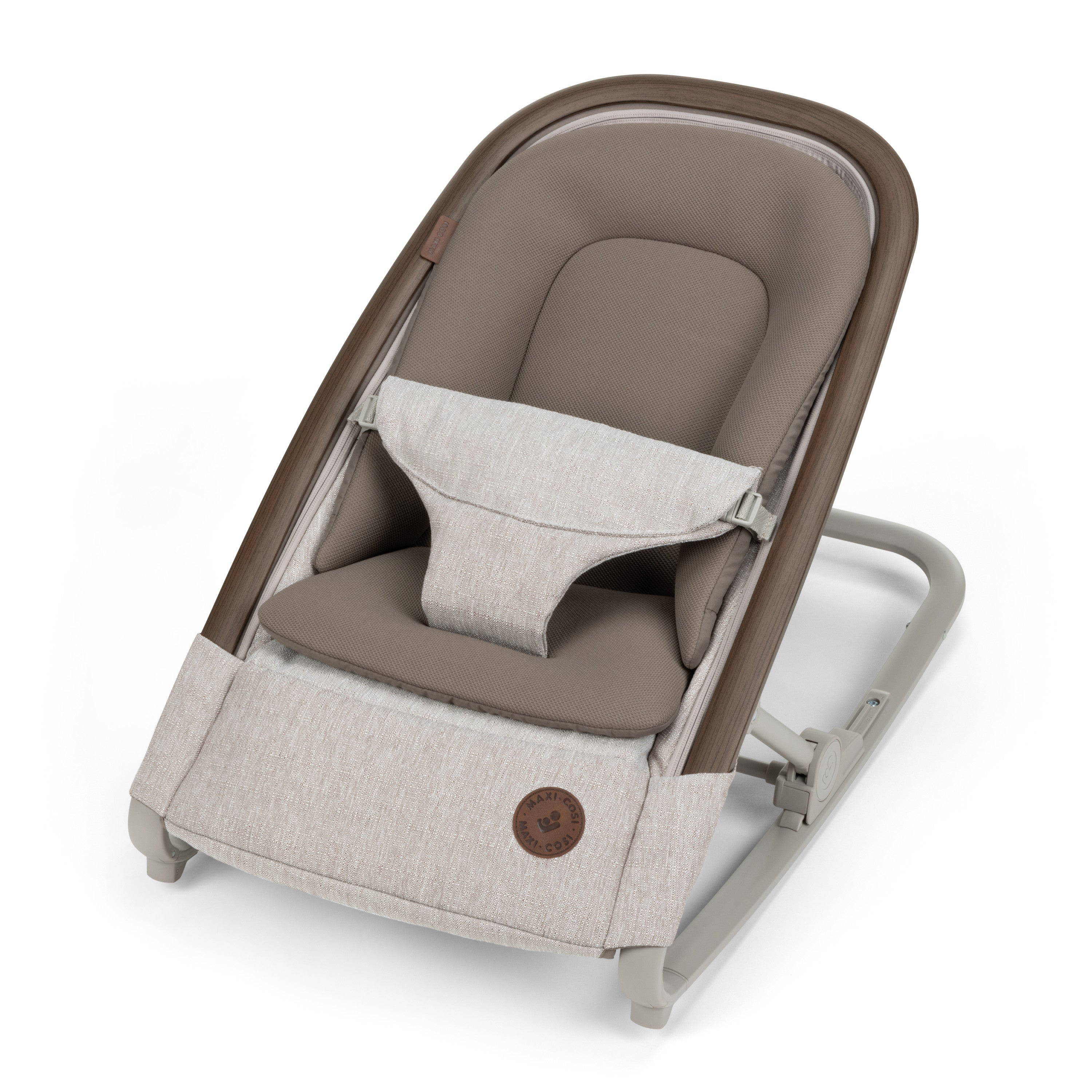
A safe newborn bouncer should have:
• A stable, wide base
• A firm, supportive seat
• A built-in three-point or five-point harness
• Good head and neck support
• A reclined position for young babies
• Clear instructions for weight and age limits
A bouncer is not the same as a baby swing, infant rocker, or reclining sleeper. Each product has its own rules. Never assume that one chair is safe for the same age or size range as another.

Source: youtube.com
Is a Bouncer Chair Safe for a Newborn?
What age can a baby go in a bouncer chair if the baby is only a few days old? A newborn may use a bouncer when the chair is designed for newborns, and the baby fits safely. The baby’s head should remain supported, and the chin should not fall toward the chest.
A newborn’s neck muscles are still weak. If the seat is too upright, the baby may slump forward. This can make breathing harder. A properly reclined position helps keep the airway open, but it does not make the bouncer safe for sleep.
Use the bouncer only when an alert adult is watching. Keep it on the floor, away from stairs, pets, cords, heaters, and other hazards. Do not place it on a bed, couch, table, kitchen counter, or other raised surface.
The American Academy of Pediatrics advises parents to move a sleeping baby to a firm, flat sleep surface. A bouncer, swing, car seat, or rocker should not replace a crib or bassinet for routine sleep.

Source: newtonbaby.com
How to Use a Baby Bouncer Safely
What age can a baby go in a bouncer chair safely depends on more than the label. Safe use also depends on correct setup and close supervision. Follow these steps each time:
- Place the bouncer on the floor.
- Open and lock the frame according to the instructions.
- Check that the cover, straps, and buckles are secure.
- Place the baby’s bottom fully back in the seat.
- Fasten the harness snugly over the baby’s hips and shoulders.
- Make sure the baby’s head stays in the supported area.
- Keep the baby within sight and reach.
- Remove the baby at once if they fall asleep or begin to climb out.
The harness should be snug but not tight. You should be able to slide one or two fingers between the strap and the baby’s body. Loose straps can allow the baby to slide down or roll to one side.
Never add pillows, blankets, head supports, toys, or cushions unless the manufacturer supplied them with the chair. Extra items can change the baby’s position or cover the face.

Source: amazon.com
What Are the Benefits of a Bouncer Chair?
A bouncer can give a parent a short break while keeping the baby close. For example, you may place an awake baby in a bouncer while folding laundry, preparing a bottle, or washing a few dishes. The chair can also provide a safe place for brief interaction during the day.
Common benefits include:
• A portable place for supervised awake time
• A comfortable way to interact face to face
• Gentle movement from the baby’s natural kicks
• Support during short daily tasks
• Easy transport from room to room
A bouncer should not hold a baby for long periods. Babies need time on their backs, time in your arms, and supervised tummy time while awake. They also need chances to move freely on a safe floor.
Think of a bouncer as a small parking spot, not a full-time home. Short use can be helpful, but too much time in a curved seat may limit movement and reduce opportunities to build strength.

How Long Can a Baby Sit in a Bouncer?
Parents often ask what age can a baby go in a bouncer chair and how long each session should last. There is no single time limit for every baby, but brief sessions are best. Many families use a bouncer for about 10 to 20 minutes at a time while the baby is awake and supervised.
Watch the baby rather than the clock. Take the baby out if they seem uncomfortable, slump down, fuss, sweat, or turn their head into an unsafe position. A young baby may need a break sooner than an older baby.
Offer other positions throughout the day:
• Back play on a firm floor mat
• Supervised tummy time
• Cuddling and carrying
• Free movement in a safe play area
• Feeding and resting in the correct equipment
The goal is balance. A bouncer can be useful, but it should not replace floor play or human contact.
Source: maxicosi.com
When Should a Baby Stop Using a Bouncer?
What age can a baby go in a bouncer chair is only half of the safety question. You also need to know when to stop. Stop using the bouncer when the baby reaches the product’s maximum weight or height limit.
Stop use sooner if the baby:
• Rolls over or tries to roll
• Pulls forward or tries to sit up
• Pushes strongly against the sides
• Leans far to one side
• Tries to climb out
• Can loosen or escape the harness
• No longer fits with proper head support
Many bouncer manuals say to stop when the baby begins trying to sit up. This may happen around 4 to 6 months, but every baby develops at a different pace. The movement milestone matters more than the calendar age.
Do not keep using a bouncer simply because the baby has not reached the listed weight limit. A light baby who can sit up or climb may be ready to stop.

Source: co.uk
Bouncer Chair Safety Mistakes to Avoid
When parents ask what age can a baby go in a bouncer chair, they often focus on the starting age. In practice, unsafe placement and unsupervised sleep cause many avoidable problems.
Avoid these common mistakes:
• Placing the bouncer on a table or countertop
• Allowing a baby to sleep in the bouncer
• Using the chair near stairs or open doors
• Leaving the baby alone, even for a short task
• Carrying the bouncer with the baby inside
• Using a recalled product
• Ignoring a loose or damaged harness
• Adding an unapproved cushion or insert
• Letting older children bounce or push the chair
• Using the chair after the baby tries to climb out
Check the bouncer before each use. Look for broken plastic, loose stitching, missing parts, bent supports, and damaged straps. If anything seems unsafe, stop using it until the issue is fixed or the product is replaced.
It is also wise to search the current recall database before buying a used bouncer. Used products may be missing manuals, inserts, or updated safety parts.
Bouncer Chair vs. Safe Sleep Surface
What age can a baby go in a bouncer chair does not change the basic sleep rules. Babies should sleep on a firm, flat, level surface with a fitted sheet and no loose bedding. A bassinet, crib, or portable play yard that meets current safety standards is a better sleep space.
If your baby falls asleep in the bouncer, move the baby to a safe sleep surface as soon as practical. Keep the baby on their back. Do not cover the bouncer with a blanket, towel, or nursing cover.
This point can feel difficult in real life. Babies often fall asleep during gentle movement. Still, a bouncer is made for awake use, not overnight rest or unsupervised naps.
A useful rule is simple: bouncer for play, crib for sleep.

Source: amazon.com
How to Choose the Right Bouncer Chair
What age can a baby go in a bouncer chair safely may vary by design. Before buying, compare the chair with your baby’s current needs and the manufacturer’s safety information.
Look for:
• A clear newborn rating, if you need it from birth
• A low center of gravity
• A firm and washable seat
• A secure restraint system
• An easy-to-read manual
• A visible product model number
• A clear maximum weight limit
• A design that stays on the floor
Avoid products that make broad claims without clear instructions. Be cautious with very soft or deeply curved seats that allow the baby’s head to fall forward. You should also avoid any chair with missing labels or unknown safety history.
A simple fit check can help. Place the baby in the seat, fasten the harness, and observe the head, neck, hips, and breathing. If the baby slips down or the head falls forward, choose a different setting or product.
Practical Lessons From Everyday Bouncer Use
A common lesson from infant-care guidance is that the best bouncer is not always the most expensive one. A simple chair with a stable base, clear instructions, and a good harness may be safer and easier to use than a complex model.
Another lesson is to check the chair each time, even when it worked well yesterday. Babies grow quickly. A position that fit at two months may become too tight or too upright a few weeks later.
Parents also sometimes place a bouncer on a couch because it feels convenient. That small choice can create a fall risk. Keeping the chair on the floor from the start makes the safe habit easier.
Treat the bouncer like a car seat in one important way: read the manual, use the restraint, and follow the limits. Product designs differ, so general advice cannot replace the maker’s instructions or your pediatrician’s guidance.
Signs to Call a Pediatrician
What age can a baby go in a bouncer chair is usually a product safety question, but medical concerns may also matter. Speak with your pediatrician if your baby has unusual weakness, poor head control, breathing trouble, or difficulty staying centered in the seat.
Call for medical help right away if your baby has trouble breathing, turns blue or gray, becomes unusually limp, or cannot be awakened normally. Remove the baby from the bouncer and seek urgent help if these symptoms occur.
Babies born early or babies with muscle, airway, or developmental concerns may need more specific advice. Your pediatrician can recommend the safest position and whether a bouncer is appropriate.
Product guidance is useful, but it cannot assess your individual baby. When in doubt, ask a qualified health professional.
Frequently Asked Questions About What Age Can a Baby Go in a Bouncer Chair?
Can a newborn use a bouncer chair?
Yes, many bouncer chairs are suitable from birth. Confirm that the product supports newborns, use the most reclined setting, and make sure the baby’s head and neck remain supported.
What age can a baby go in a bouncer chair without head support?
A baby should not use a bouncer that requires independent head control until the baby can hold the head steady. Check the product manual because some chairs provide newborn support and others do not.
Can a baby sleep in a bouncer chair?
No. A bouncer is not a safe sleep surface. Move a sleeping baby to a firm, flat, approved sleep space, and place the baby on the back.
How long can a newborn stay in a bouncer?
Keep sessions brief and use the bouncer only for supervised awake time. Remove the newborn if the baby slumps, fusses, sweats, or shows any change in breathing or color.
When should a baby stop using a bouncer?
Stop when the baby reaches the weight or height limit, tries to sit up, rolls, or attempts to climb out. Developmental movement matters more than age alone.
Can I put a bouncer chair on a couch?
No. Use the bouncer on the floor only. A couch, bed, table, or counter can raise the risk of a fall or tip-over.
What age can a baby go in a bouncer chair with toys?
A baby may use attached toys when the chair and toys are approved by the manufacturer and the baby is supervised. Remove small, loose, or damaged toys that could become choking hazards.
Conclusion
What age can a baby go in a bouncer chair? Many babies can begin from birth when the chair supports newborns, fits correctly, and is used for brief, supervised awake time. Keep it on the floor, fasten the harness, protect the baby’s airway, and never use it as a sleep space.
Stop using the bouncer when your baby rolls, tries to sit, climbs, or reaches the product limit. Read the manual and ask your pediatrician about special health or developmental needs. For more practical baby-safety guidance, explore trusted pediatric resources and share your own experience with other parents.