
Are Crocs Good For Babies Learning To Walk? Learn the safety benefits, risks, and expert tips for choosing the right first shoes. Crocs may be fine for short, supervised use, but barefoot practice and secure, flexible shoes are better for first steps.
Are Crocs good for babies learning to walk? The answer depends on fit, timing, and where your baby wears them. As a child development and footwear topic, this question needs more than a simple yes or no. Early walkers need shoes that protect the feet without getting in the way of balance, grip, or natural movement.
This guide explains when Crocs may work, when they may cause problems, how to check the fit, and which shoe features support healthy early walking. It also shares practical lessons parents can use at home, at daycare, and outdoors.
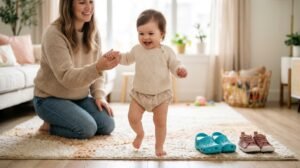
Are Crocs Good For Babies Learning To Walk?
Crocs can be acceptable for some babies after they begin walking, especially for short trips outdoors. However, they are not usually the best choice for learning to walk indoors or for long periods.
When babies learn to walk, they use their toes, feet, ankles, and legs to feel the ground. Bare feet give the brain useful feedback. This feedback helps a child adjust balance and control each step.
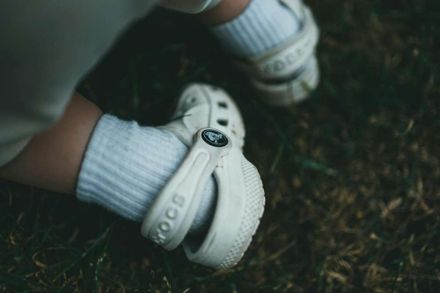
A Crocs-style clog has some helpful features:
• A wide front can give the toes room to move.
• The soft material may feel comfortable.
• The washable design is useful for mud, water, and messy play.
• The heel strap can improve security when used correctly.
• The open design allows airflow in warm weather.
Still, many Crocs are loose around the heel. They may also feel bulky on a small foot. A baby who is still unsteady may catch the front of the shoe, slide inside it, or lose the shoe during a step.
So, are Crocs good for babies learning to walk? They can be suitable as occasional outdoor shoes, but they should not replace barefoot practice or a well-fitted first walker shoe.
Source: piccalio.com
Why Barefoot Practice Matters for New Walkers
Barefoot walking is often the best option indoors when the floor is safe and warm. It lets a baby feel changes in texture and pressure. These signals help the child understand where the foot is and how much force to use.
Think of a baby’s foot as a small sensor. A thick, loose, or heavy shoe can dull some of those signals. It may not stop development, but it can make balance harder for a child who is still learning.
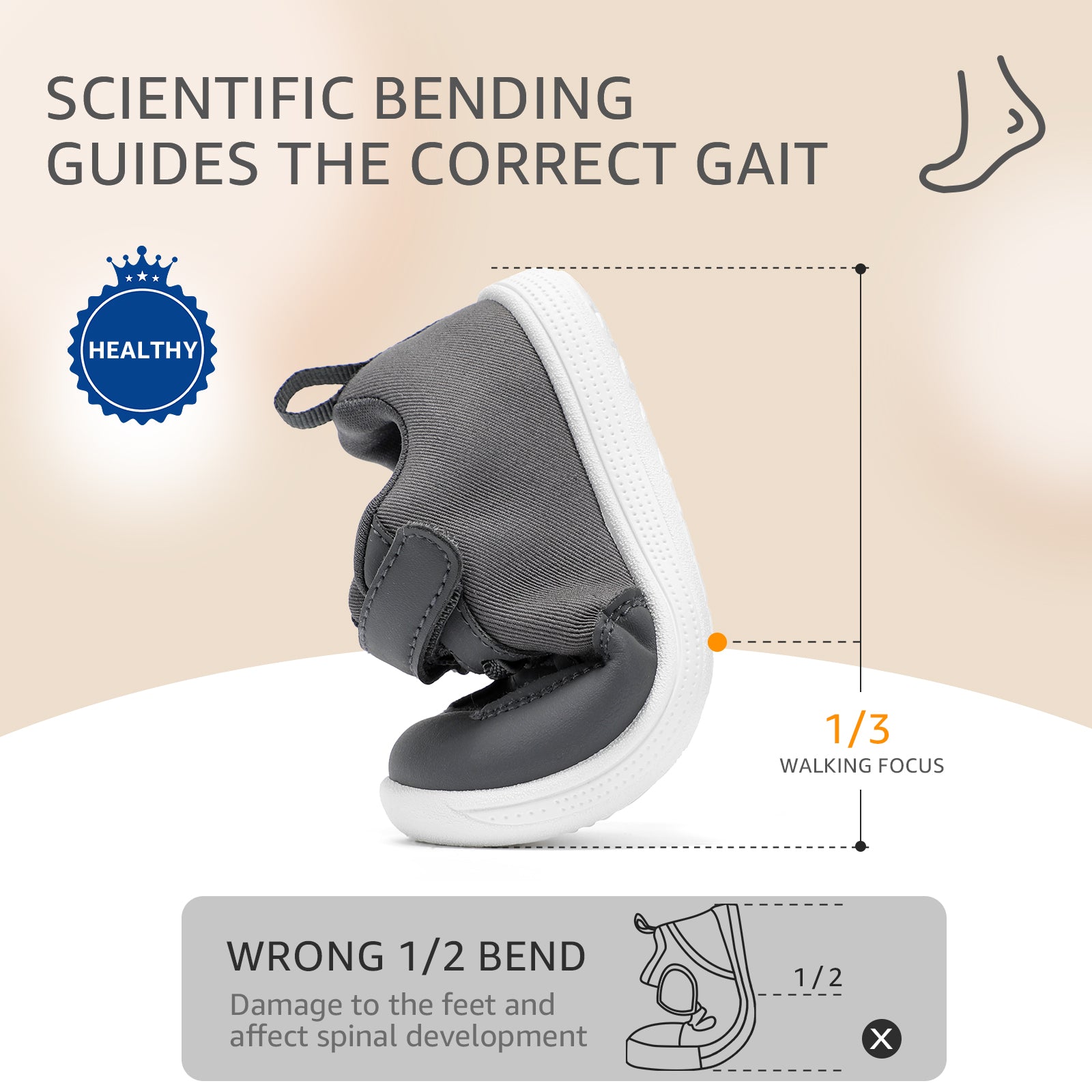
Pediatric foot experts commonly support flexible footwear for early walkers. The shoe should bend near the toes, fit the natural shape of the foot, and stay secure without squeezing.
Barefoot time also supports:
• Natural toe movement
• Foot and ankle strength
• Balance reactions
• Better awareness of the floor
• Practice using the whole foot
Babies do not need shoes to learn to walk. Shoes mainly protect the feet from cold, rough ground, sharp objects, and hot surfaces. This is why many parents use socks or bare feet indoors and save shoes for outdoor protection.
Potential benefits of Crocs for Babies
Are Crocs good for babies learning to walk in certain situations? Yes, they may offer practical benefits when a baby already walks with some confidence.
Crocs are easy to clean. This matters when a child steps in puddles, sand, grass, or food. A quick rinse can be easier than cleaning fabric sneakers.
They are also simple to put on. Parents may appreciate this during a rushed morning, a trip to the pool, or a visit to the park. The roomy shape can be helpful for feet that swell slightly in warm weather.
Some children also like the soft feel of Crocs. A child who refuses stiff shoes may accept a soft clog more easily. Comfort can make outdoor walking less stressful for both the child and the parent.
However, comfort is not the same as good support. A shoe may feel soft but still be too loose, too heavy, or too unstable for a new walker.
The most useful benefits are usually practical rather than developmental:
• Easy cleaning
• Quick dressing
• Good airflow
• Room for the toes
• Protection from hot or rough surfaces
• A heel strap on some models
These benefits explain why some families use Crocs successfully. They do not prove that Crocs improve walking skills.

Source: chcmass.com
Drawbacks of Crocs for Early Walkers
The main concern is fit. Many Crocs have a roomy shape by design. Room is helpful for comfort, but too much room can allow the foot to move inside the shoe.
A loose shoe may make a baby lift the toes to keep it in place. This can change the way the child walks. The baby may also shuffle, walk with wider steps, or trip more often.
Other possible problems include:
• The heel may slip out.
• The shoe may twist during a step.
• The sole may feel thick for a small foot.
• The front may catch on the floor.
• The shoe may come off during crawling or climbing.
• Smooth surfaces may reduce grip.
• A heavy shoe may tire a new walker.
Are Crocs good for babies learning to walk when the shoe is much larger than the foot? No. Oversized footwear is not safer. It can make movement less controlled.
Another concern is the heel strap. A strap helps only when it sits behind the heel and fits snugly. If it hangs loose or remains in front, the shoe may act like a slipper.
Parents should also remember that Crocs are not climbing shoes. They may be fine for flat paths, but they are less suitable for stairs, playground equipment, wet floors, or uneven ground when a child is still unsteady.
Source: com.au
How to Check the Fit
Good fit matters more than the brand name. Are Crocs good for babies learning to walk when they fit well? They may be fine for limited use, but parents should inspect the fit each time the child wears them.
Use this simple check:
- Have your child stand while wearing the shoes.
- Check that the toes can move freely.
- Look for about a small thumb’s width of space in front, not a large gap.
- Make sure the heel does not lift with every step.
- Confirm that the foot does not slide from side to side.
- Watch the child walk on a dry, flat surface.
- Remove the shoes and check for red marks or rubbing.
A child should not need to curl the toes to keep the shoe on. The shoe should not leave deep marks on the skin. It should also stay in place when the child walks, turns, and squats.
Check the fit every few weeks. Babies’ feet grow quickly, and a shoe that fit well last month may now be short or tight.
Do not add thick socks to fill a shoe that is too large. This can create pressure and make the foot warmer. It is better to choose the correct size.

Source: parents.com
What to Look For in a First Walker Shoe
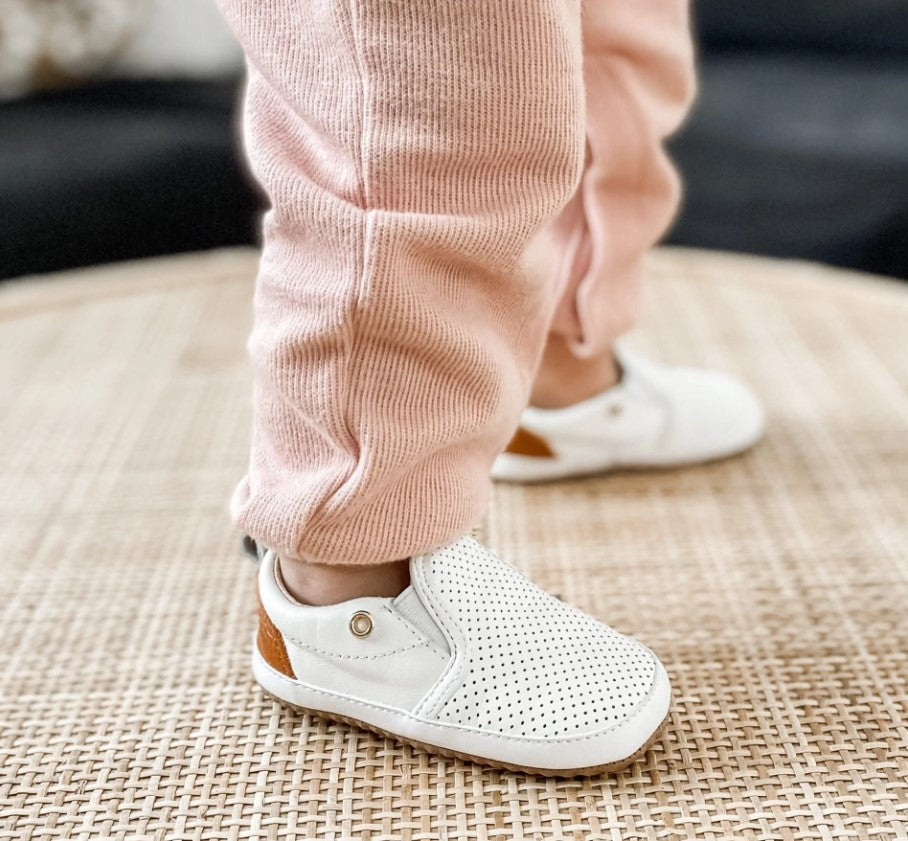
A good first walking shoe protects the foot while allowing natural movement. It should feel more like a flexible shield than a hard box.
Look for these features:
• A flexible sole that bends near the toes
• A wide toe box that follows the foot shape
• A lightweight design
• A secure closure, such as a strap, lace, or adjustable hook-and-loop fastener
• A flat sole without a raised heel
• A breathable upper
• A soft inner lining
• A non-slip outsole with useful grip
• A heel that stays in place
Avoid shoes that are stiff, narrow, heavy, or hard to fasten. Avoid buying a much larger size so the child can “grow into it.” A little growing room is useful, but too much space can affect stability.
Are Crocs good for babies learning to walk compared with flexible sneakers? Flexible sneakers often provide a more secure fit. They may be the better choice for regular outdoor walking, especially when the child still falls often.
A pediatrician, pediatric physical therapist, or pediatric podiatrist can offer individual advice if a child has unusual walking patterns, pain, frequent falls, or a known foot condition.

Source: themovementmamablog.com
When Crocs May Be Appropriate
Crocs may work well in specific settings. The child should already take steady steps, and an adult should watch how the shoes affect movement.
Reasonable uses may include:
• Walking around a clean backyard
• Visiting a splash pad
• Going to the beach
• Wearing shoes for a short errand
• Walking on warm pavement with close supervision
• Using them as casual shoes after walking skills are established
They are less suitable for:
• Early indoor walking practice
• Long walks
• Hiking or uneven trails
• Climbing playground structures
• Wet, slippery floors
• Running before the child has good control
• Any activity that needs firm ankle and heel security
Are Crocs good for babies learning to walk at the pool? They may protect the feet from hot ground, but water can make the sole slippery. Use extra care and follow the facility’s safety rules.
A simple test helps. Let the child walk for five minutes on a flat, dry surface. If the child trips, drags a foot, loses the shoe, or seems frustrated, choose another pair.

Source: com.br
Practical Lessons Parents Often Miss
One common mistake is judging a shoe by how easy it is to put on. Fast dressing is helpful, but a shoe must also stay secure while the child moves.
Another mistake is assuming that a roomy shoe is automatically comfortable. A baby may tolerate a loose shoe but still walk less steadily in it. Watch movement, not just facial expressions.
Parents sometimes buy Crocs one or two sizes too large because children grow quickly. This can backfire. A loose clog may turn each step into a small balancing task.
A useful routine is to compare walking in three conditions:
• Bare feet indoors
• A well-fitted flexible shoe
• The Crocs-style shoe
Watch for changes in stride, foot placement, and confidence. If the child walks more naturally in the flexible shoe, use that pair for regular walking.
Are Crocs good for babies learning to walk if the child seems happy in them? Happiness is a good sign, but it is not the only sign. Also check fit, grip, stability, and how the child moves.
Source: taekwondoluxembourg.com
Signs a Baby’s Shoes Are Not Working
Remove the shoes and reassess them if you notice changes in walking. A baby may not be able to explain that a shoe hurts or feels unstable.
Look for:
• Frequent tripping after putting on the shoes
• Toe curling
• Limping
• Avoiding walking
• Red spots or blisters
• Marks around the heel or ankle
• A shoe that falls off often
• Walking on the toes more than usual
• A sudden change in balance
• Complaints of pain or repeated crying
Some falls are normal during early walking. The concern is a clear pattern that appears only with one pair of shoes.
Stop using the shoes if they cause pain, skin injury, or repeated falls. Speak with a health professional if the child continues to limp or seems uncomfortable after the shoes are removed.
What Child Development Experts Recommend
The American Academy of Pediatrics emphasizes safe walking environments and appropriate footwear. It generally supports barefoot time when practical and protective shoes outdoors or in unsafe settings.
Footwear experts also commonly recommend shoes that are flexible, lightweight, secure, and wide enough at the toes. These points apply to first walker shoes, whether the brand is Crocs or another company.
Research on children’s footwear does not show that one popular brand teaches babies to walk better. The quality of the fit and the child’s stage of development matter more than the logo.
This topic also has limits. Studies do not test every Crocs model or every child. Crocs vary in size, shape, sole design, and strap style. Advice should therefore be based on the actual shoe and the individual child.
Are Crocs good for babies learning to walk according to expert guidance? They can be used for protection and casual outdoor wear, but they are not essential for learning and may not suit every new walker.
Frequently Asked Questions About Are Crocs Good For Babies Learning To Walk?
Are Crocs safe for babies who just started walking?
Crocs can be safe for short, supervised use when they fit securely and have good traction. Bare feet or flexible first walker shoes are often better for regular walking practice.
Can babies wear Crocs indoors?
Babies can wear Crocs indoors, but they usually do not need shoes on a safe floor. Barefoot practice helps them feel the ground and develop balance.
Do Crocs help babies learn to walk?
Crocs do not teach babies to walk. Walking develops through practice, strength, balance, and coordination, not through a specific shoe brand.
Should Crocs have the heel strap on?
Yes, the heel strap should sit behind the heel when the child is walking. It can help keep the shoe in place, but it should not be loose or uncomfortable.
Are Crocs too heavy for first walkers?
Some Crocs models may feel heavy or bulky on a small foot. If the child shuffles, trips, or lifts the feet unusually high, a lighter shoe may work better.
How much room should a baby have in Crocs?
There should be enough space for the toes to move, but not so much that the foot slides inside the shoe. A small amount of growing room is reasonable; an oversized clog is not.
Are Crocs good for babies learning to walk outside?
They may work for short walks on flat, dry ground when the child already walks steadily. For uneven ground, stairs, wet floors, or longer walks, a secure flexible shoe is usually a better choice.
Conclusion
Are Crocs good for babies learning to walk? They can be useful for short, supervised outdoor activities, but they are not the best tool for learning to walk. Bare feet indoors and lightweight, flexible, well-fitted shoes outdoors usually support natural movement more effectively.
Choose shoes that stay secure, bend near the toes, allow toe movement, and do not cause slipping or tripping. If your child walks comfortably and confidently in Crocs, occasional use may be fine. If the shoes change the way your child walks, choose a better-fitting pair.
Watch your child’s movement, check the fit often, and ask a pediatric health professional about persistent pain, limping, or frequent falls. Share your experience or explore trusted child development resources to make your baby’s first steps safer and more comfortable.