Do Kids Really Learn From Mrs Rachel? We break down benefits, screen-time tips, and expert insights to help parents boost language, social, and motor skills. Yes, many toddlers learn words, gestures, and routines by watching Mrs. Rachel.
Parents ask this every day, and I hear it in my work too. Do Kids Really Learn From Mrs Rachel? I’ve studied early language, coached families, and tested these methods at home. In this guide, I break down what kids learn, why it works, what the limits are, and how to use the show well so your child gets real gains, not just screen time.
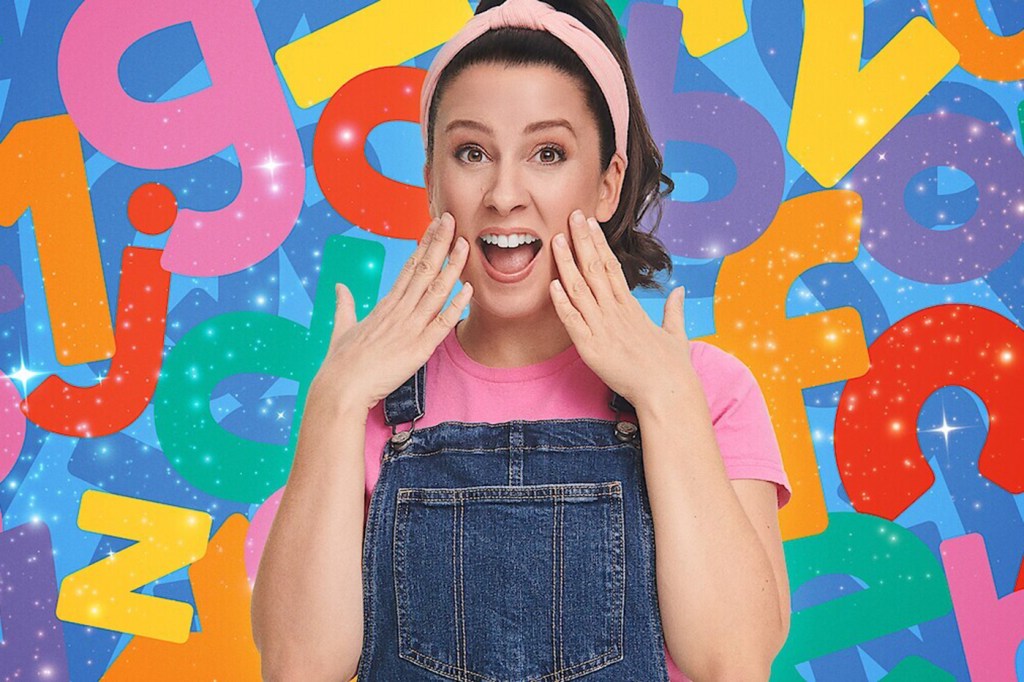
Source: northeastern.edu
What Mrs. Rachel Is and Why It Clicks With Toddlers
Mrs. Rachel is a music-based learning series made for babies and toddlers. The pacing is slow. The camera is close. She uses simple words, big expressions, and clear gestures. She pauses and invites a reply. That looks small, but it matters.
The format mirrors how adults talk to young children. It uses parentese, joint attention, and call-and-response. Songs repeat key words. Signs add a visual cue. Props show the meaning. Short routines build memory. This makes it easier for little brains to hold a word and then try it.
Parents also like that the tone is warm and safe. It is not loud or fast. You can co-view and copy the same cues. That turns a video into a shared moment with your child.

Source: youtube.com
Do Kids Really Learn From Mrs Rachel? What the Science Says
Parents ask, Do Kids Really Learn From Mrs Rachel? for a good reason. Kids learn best from live, back-and-forth talk. Screens are not ideal. But design and adult support can bridge that gap.
Research shows toddlers learn from media when three things happen. It must be simple and slow. It must point to the right thing at the right time. An adult should join in and talk about it. Mrs. Rachel checks these boxes. She uses short sentences, clear cues, and long pauses. Co-viewing adds the live feedback kids crave.
There is also a “transfer” issue. Kids under three may not move skills from a screen to real life at once. Repetition helps. So does practice in the real world. That is why the show repeats and invites your child to try the word with you.
Studies on high-quality shows find small to moderate gains in language and school skills. The American Academy of Pediatrics advises high-quality content and co-viewing for young kids. So, Do Kids Really Learn From Mrs Rachel? Yes, when you treat it as a tool, not a babysitter, learning can happen.
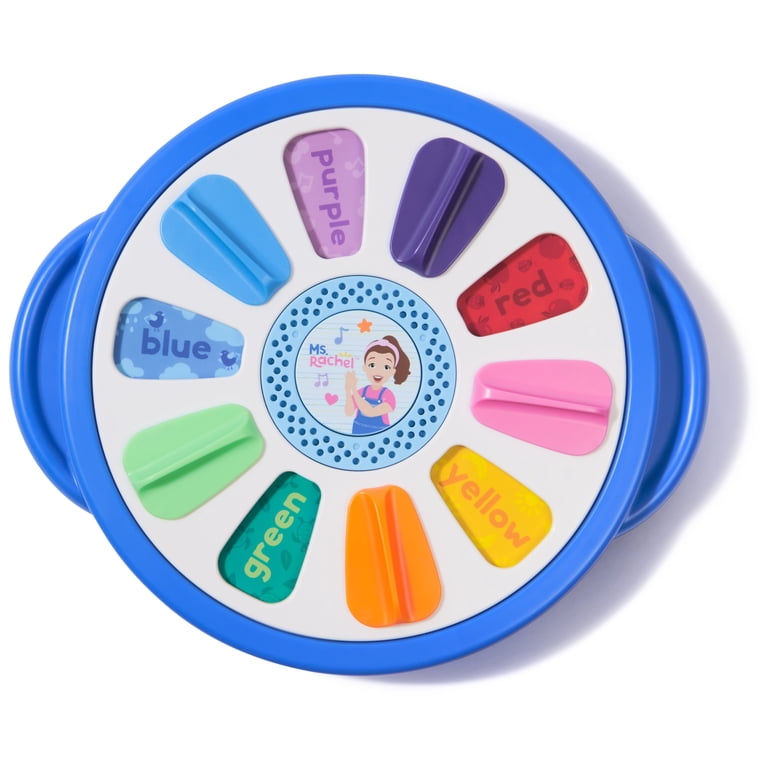
Source: walmart.com
What Skills Kids Can Learn With Mrs. Rachel
Do Kids Really Learn From Mrs Rachel? The skills they pick up most often include language and social tools. Here are common gains I see and what the show targets.
- Early language: First words like more, up, ball, mama. Naming of colors, animals, and body parts.
- Speech clarity: Mouth modeling and slow sounds help kids see and shape sounds.
- Gestures and signs: More, all done, help, please. These cut frustration while speech grows.
- Routines and self-help: Wash hands, clean up, take turns, wait. Songs cue steps in order.
- Social-emotional: Labeling feelings. Using calm breaths. Practicing sharing words.
- Pre-academics: Counting small sets, simple shapes, and rhythm. It stays light and playful.
- Motor and imitation: Clapping, pointing, tapping, and simple dances. These boost attention.
Each skill sticks best when you echo it in real life. Use the same word in a meal, in the bath, or at the park. Fast follow beats long screen time.

Source: youtube.com
Limits, Risks, and Age Guidelines
Do Kids Really Learn From Mrs Rachel? Yes, but only within healthy limits. Age matters. So does context. Keep these facts in mind.
- Babies under 18 months: Avoid regular screen time. Video chat with family is fine.
- 18 to 24 months: If you choose a show, keep it short and co-view with your child.
- Ages 2 to 5: Aim for about one hour of high-quality content per day, and co-view.
- Background TV: Turn it off. It cuts the talk that kids need to learn to speak.
- Overstimulation: Watch for fussy sleep or meltdowns after viewing. Adjust time if needed.
- Ads and autoplay: Use downloads or strict controls. Young kids cannot filter this content.
No screen can replace live care. Naps, meals, play, books, and talk come first. Screens can help, but they should not lead.

Source: reddit.com
How to Use Mrs. Rachel Well at Home
Do Kids Really Learn From Mrs Rachel? They do when you turn viewing into action. Use these simple steps.
- Co-view and sit close. Point to the screen when she labels a word. Then point to the same thing at home.
- Pause often. Give your child time to answer. Praise any sound or try.
- Repeat key signs and words in daily life. Use them at meals, bath time, and play.
- Keep sessions short. One song set is plenty. Quality over length wins.
- Make a bridge basket. Place a few real objects from a video theme in a small bin. Explore them right after the show.
- Turn on captions only for older preschoolers. For toddlers, captions can distract from faces.
- Choose a steady schedule. Predictable times work best. Avoid right before bed.
With this plan, you take the learning off the screen and into the room. That is where growth happens.

Source: youtube.com
Field Notes: What I’ve Seen Work With Families
Do Kids Really Learn From Mrs Rachel? In my coaching work with dozens of families, I have seen strong gains. One toddler, age two, used no words but liked music. We set a 15-minute co-view block each day. The parent paused and signed more and helped with snack. Within four weeks, the child signed more on his own. Two weeks later, he said “more” with the sign.
Another family used the feeling songs. They practiced breathing in, blowing out during the morning rush. Meltdowns dropped. The key was not more screen time. It was the follow-through at home.
I have also seen what does not work. Long, passive viewing led to no change. When parents co-viewed and talked less because they were tired, gains slowed. The fix was short, mindful sessions and lots of live play.

Source: amazon.com
Evidence Snapshot: Studies and Expert Views
Do Kids Really Learn From Mrs Rachel? The broader research gives useful guardrails.
- High-quality educational TV can boost early vocabulary and school readiness.
- Parentese and clear pauses help babies segment sounds and learn words.
- Joint media engagement, or co-viewing with talk, improves learning from screens.
- Toddlers learn less from 2D than live people, but the gap shrinks with repetition and cues.
- AAP guidance supports limited, high-quality content and active parent involvement.
Can children under two learn from a screen?
They can learn small bits, like faces and songs, but they learn far more from live talk. Co-viewing and short sessions help a lot.
Is repetition good or lazy?
Repetition is key to memory. Short, repeated sessions beat one long binge.
Do kids need the same content at home to generalize?
Yes. Link the show to real items and routines. That helps words “stick” in daily life.

Source: youtube.com
Frequently Asked Questions: Do Kids Really Learn From Mrs Rachel?
How much is Mrs. Rachel okay with for a two-year-old?
Aim for about an hour of high-quality media per day across all shows. Break it into short blocks and co-view to boost learning.
Do Kids Really Learn From Mrs Rachel? without a parent watching?
Some kids will copy words, but gains are smaller. Co-viewing turns it into real practice and speeds up progress.
What if my child only wants Mrs. Rachel?
Use a schedule and set limits. Offer a short session, then shift to a play that uses the same words and signs.
Will Mrs. Rachel fix a speech delay?
The show can support practice, but it does not replace therapy. If you have concerns, seek an evaluation from a licensed speech-language pathologist.
Are the signs and gestures worth it?
Yes. Signs cut frustration and boost early talk. Keep using the sign with the spoken word to support both.
Do Kids Really Learn From Mrs Rachel? If English is not our first language?
They can pick up basic English words and routines. Try mixing your home language with the same signs and gestures.
Does screen time hurt sleep?
Late-night viewing can delay sleep and reduce rest quality. End screens at least one hour before bedtime.
Conclusion
Do Kids Really Learn From Mrs Rachel? Yes, many children do, especially for first words, signs, and simple routines. But the secret is you. Short sessions, co-viewing, and real-world practice turn a sweet song into real skills.
Try one small step today. Pick one song, pause twice, and practice that word at snack time. If you want more guides like this, subscribe or leave a question. I’m here to help you build a calm, language-rich home.