Curious about What Age Do Kids Learn To Identify Letters? Get clear milestones, expert tips, and playful activities to build ABC skills. Most children spot a few letters by age 3 and know most by 5–6.
Parents often ask What Age Do Kids Learn To Identify Letters? I’ve taught early literacy for years, and I’ve seen how small, steady steps grow into strong reading skills. In this guide, we unpack the science, the timeline, and real-life tips so you can support letter learning with calm and confidence.
Understanding the typical age range
If you wonder, What Age Do Kids Learn To Identify Letters?, the short answer spans early preschool to kindergarten. Many toddlers notice logos around age 2. By about 3 to 4, most can name a handful of letters, often from their name. By 5 to 6, many children can name most letters and link many to sounds.
Large reviews of early literacy, including reports from the National Early Literacy Panel, show that letter-name knowledge and letter-sound knowledge are strong predictors of later reading.
The American Academy of Pediatrics stresses playful, book-rich routines, which align well with how children learn letters. When you ask, What Age Do Kids Learn To Identify Letters?, think of a range, not a deadline.
Developmental timeline and milestones
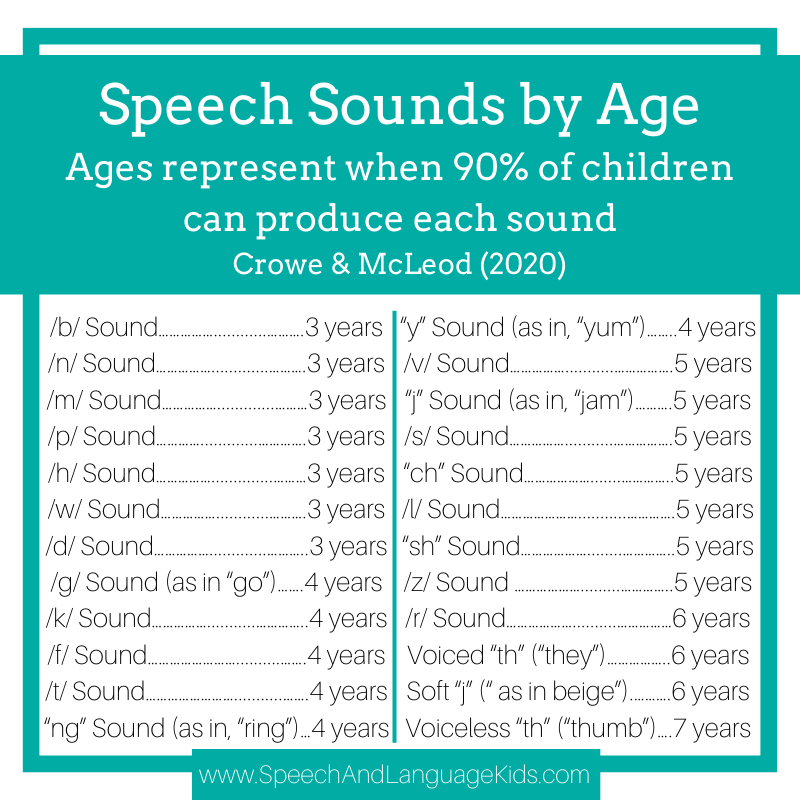
Every child moves at a unique pace. Still, a general path helps set calm expectations.
- 0–2 years: Enjoys books. Points to pictures. Notices letters in signs but does not name them yet.
- 2–3 years: Recognizes the first letter of the name. May label a few letters in logos. Interest grows with exposure.
- 3–4 years: Names 5–15 letters, often uppercase. Begins to match a few letters to sounds.
- 4–5 years (pre-K): Names 18–26 uppercase, 10–20 lowercase. Knows many letter sounds.
- 5–6 years (K): Names and writes most letters. Links letters to sounds in simple words.
If you are asking, What Age Do Kids Learn To Identify Letters?, this path shows a common window from ages 3 to 6 with wide normal variation.

How letter identification develops in the brain
Letter learning blends several skills that grow together.
- Visual recognition: Children learn letter shapes and tell apart look-alikes like b, d, p, q.
- Language mapping: Letter names and letter sounds link to spoken words.
- Motor memory: Writing letters helps lock in shape and sound.
- Attention and memory: Practice, spacing, and sleep help recall.
Studies in reading science show that naming letters speeds access to letter sounds. That is why “m says /m/” soon follows “this is M.” So, What Age Do Kids Learn To Identify Letters? depends on how these systems mature with practice, play, and talk.
Signs of readiness and red flags to watch
Readiness signs you might see:
- Points to letters on packages or signs.
- Asks, “What’s this letter?” or “What sound?”
- Enjoys alphabet songs and rhymes.
- Tries to write the name or favorite letters.
Potential red flags to discuss with a pediatrician or teacher:
- Little interest in books or letters by 4.
- Cannot name at least 5–10 letters by late pre-K despite exposure.
- Persistent confusion between many letters after focused practice.
- Speech or language delays make sound mapping very hard.
Questions like What Age Do Kids Learn To Identify Letters? should include these readiness cues, not just birthdays.

Evidence-based ways to teach letters
You can help at home or school with short, playful steps.
- Start with the child’s name: Names are powerful. Trace, stamp, and build those letters.
- Mix uppercase and lowercase: Most print is lowercase. Teach pairs together when possible.
- Tie letters to sounds: Always pair the name with the sound. T says /t/, like in tap.
- Use multisensory methods: Form letters with dough, skywrite with fingers, or build with sticks.
- Teach confusables apart: Plan b vs d, p vs q, m vs n with clear cues and different days.
- Space and review: Five minutes a day beats one long session a week.
- Read, talk, sing: Picture books, rhymes, and songs flood the brain with patterns and sounds.
At what age do kids learn to identify letters? often hinges on these routines more than on worksheets. Evidence from classroom trials and What Works Clearinghouse reports supports explicit, playful, short lessons tied to sounds.
Real-life examples and tips from the field
In my first year as a literacy coach, I met Mia, age 4. She loved drawing but ignored letters. We began with her name, then her dog’s tag. We traced M with paint, stamped A on playdough, and read a pet book each day. Two weeks later, she named six letters with pride. The key was meaning and joy.
Lessons learned:
- Make it personal: Names, pets, snacks, and signs stick better than random drills.
- Keep it tiny: Five-minute bursts, twice a day, win.
- Celebrate close calls: “You checked the belly on b. Great thinking.” Praise the process.
- Rotate hard pairs: Plan B vs. D on different days. Too much at once creates fog.
This is why the answer to What Age Do Kids Learn To Identify Letters? feels wide. Joy and context speed progress. Stress slows it.

Quick questions parents ask
Should I teach letter names or sounds first?
Teach both, with a small edge to sounds once names stick. Pair them often: “This is S. It says /s/ like sun.”
Which letters should we start with?
Begin with high-value letters: the child’s name, common letters like s, t, m, a, and letters in favorite words. Avoid teaching look-alikes together.
How much practice per day is enough?
Aim for 5–10 minutes in two short bursts. Read daily for 10–15 minutes to boost exposure and interest.
Factors that affect pace
The answer to What Age Do Kids Learn To Identify Letters? shifts with context.
- Exposure: Print-rich homes, libraries, and read-aloud time help.
- Language background: Bilingual children may map letters across languages. With steady input, they catch up and often gain meta-language strengths.
- Learning differences: ADHD, speech delays, or dyslexia risk can slow mapping. Early, targeted support helps.
- Screen habits: High-quality, interactive content helps only when brief and shared with an adult. Passive viewing adds little.
Research from pediatric and literacy groups agrees: adult interaction and real books beat pure screen time.

Assessing progress and when to seek help
Simple checks keep things on track.
- By 3.5–4 years: Names 5–10 letters, often from name and favorite words.
- By pre-K end: Names most uppercase and many lowercase; knows many sounds.
- By early K: Names and writes most letters; links many to sounds in simple words.
If you keep asking, What Age Do Kids Learn To Identify Letters?, also ask, “Is progress steady with practice?” If growth stalls for months, talk with the teacher, pediatrician, or speech-language pathologist. Use quick screeners that test both names and sounds, not just the ABC song.
Frequently Asked Questions: At What Age Do Kids Learn To Identify Letters?
Do kids need to know all the letters before kindergarten?
No. Many start kindergarten still learning. A strong start is knowing many uppercase, some lowercase, and several common sounds.
Is it better to teach lowercase before uppercase?
Teach both, with more time on lowercase since most print uses it. Pair each uppercase with its lowercase.
How do I help with b and d confusion?
Use clear cues and teach them far apart in time. Try “b has a belly” and “d has a donut then a stick,” plus tracing.
Can songs and apps really help?
Yes, if short, interactive, and paired with talk and books. Co-view and pause to ask, “What letter is that?”
What if my child hates drills?
Skip drills. Use play: scavenger hunts, letter magnets, name art, and snack labels. Keep sessions brief and fun.
Conclusion
Letter learning grows best with short, joyful practice and rich talk. Most kids spot some letters by 3 and know most by 5–6, but pace varies with exposure, interest, and support. If you stay patient, link letters to sounds, and read every day, steady gains will follow.
Try one tiny step today: pick three letters from your child’s name, play a two-minute hunt, and celebrate every find. Want more tips on What Age Do Kids Learn To Identify Letters?
Subscribe for weekly strategies, or share your questions in the comments.