
Learn How To Potty Train An Autistic Child with gentle, practical strategies, visual supports, and routines that encourage comfort and success. Use visual routines, gentle practice, sensory support, and consistent rewards to potty train an autistic child successfully.
Learning how to potty train an autistic child takes patience, planning, and respect for the child’s communication style. Autism can affect body awareness, language, sensory comfort, motor skills, and tolerance for change, so toilet training may follow a different timeline. With a calm plan and support from caregivers, many children can build toileting skills step by step.
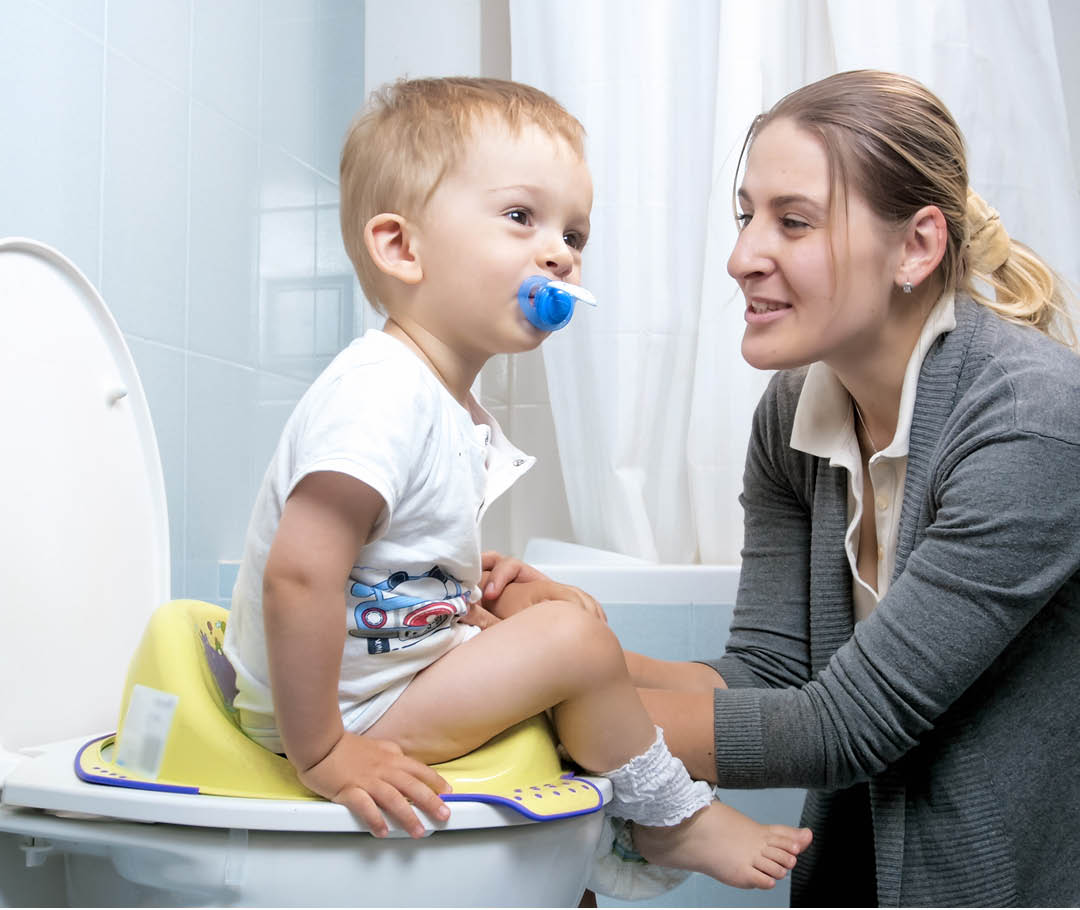
Source: learnbehavioral.com
What Makes Potty Training Different for an Autistic Child?
Autistic children may understand toilet training but struggle to show when they need to go. Some children do not notice bladder pressure or bowel signals until the need becomes urgent. Others may avoid the toilet because of its sound, smell, lighting, temperature, or unfamiliar feel.
Communication can also affect progress. A child may not use words such as “toilet” or “potty.” Instead, they may hide, pace, touch their diaper, become restless, or stop playing. These actions can be early signs that they need the bathroom.
Common challenges include:
• Sensory sensitivity to flushing, hand dryers, toilet seats, or bathroom smells
• Difficulty moving from a preferred activity to a bathroom routine
• Fear of sitting on the toilet
• Constipation or painful bowel movements
• Trouble pulling clothes up and down
• Limited awareness of wetness or soiling
• Difficulty copying new actions
• Strong reliance on diapers or familiar routines
Potty training is not a test of intelligence or parenting. It is a new life skill that may need more repetition, visual support, and time.

Source: magnoliabehaviortherapy.com
When Should You Start Potty Training?
There is no single correct age for potty training an autistic child. Many children show readiness between ages 2 and 4, but autistic children may begin later. Readiness matters more than age.
Look for signs such as:
• Staying dry for about one to two hours
• Having regular bowel movements
• Showing discomfort with a wet or dirty diaper
• Watching others use the toilet
• Sitting on a potty or toilet with support
• Following simple one-step directions
• Walking to the bathroom with help
• Pulling pants down or up, even partly
• Showing a pattern before urinating or having a bowel movement
A child does not need to show every sign. If the child has severe constipation, frequent pain, or a sudden change in toileting, speak with a pediatrician before starting.
Toilet training should not begin during a major life change when possible. Moving home, starting school, welcoming a new baby, or changing caregivers may increase stress. A stable period often makes learning easier.

Source: autismlittlelearners.com
Prepare the Bathroom Before Training
A supportive bathroom can remove many barriers. Think of the space as a learning environment, not just a place where toileting happens.
Make the toilet safe and comfortable by using:
• A child-sized potty or a toilet insert
• A step stool for stable foot support
• A soft seat if the toilet feels cold
• Dimmer lighting if bright lights cause distress
• A quiet fan or headphones if flushing is frightening
• Unscented soap and cleaning products
• Easy-to-remove pants with elastic waistbands
• A visual sign or picture that shows “bathroom”
Foot support is especially important. A child who sits with dangling feet may feel unstable. For bowel movements, a supported squat position can also make passing stool easier.
Do not force a child to sit on the toilet. Forced sitting can create fear and may lead to toilet refusal. Start by allowing the child to enter the bathroom, touch the potty, or sit fully clothed for a few seconds.

Source: autismresponseteam.com
Create a Simple Toilet Training Plan
A clear plan helps adults respond in the same way. Write down when the child usually urinates or has a bowel movement. Track meals, drinks, accidents, dry periods, and signs of discomfort for several days.
Then choose regular toilet visits. For example, offer the toilet:
• After waking
• Before leaving home
• After meals
• Before a bath
• Before bedtime
• At times when accidents often happen
Keep each visit short. One to three minutes may be enough at first. Use the same words each time, such as “toilet,” “sit,” “pee,” and “all done.”
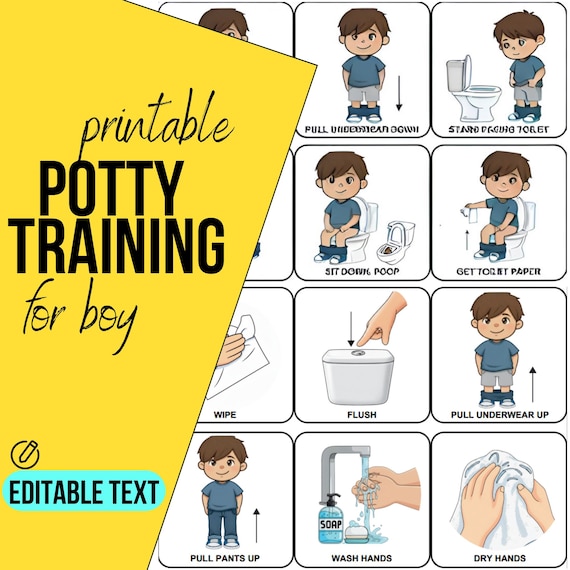
A useful sequence is:
- Walk to the bathroom.
- Pull down pants.
- Sit on the toilet.
- Try to urinate or have a bowel movement.
- Wipe or receive help with wiping.
- Pull up pants.
- Flush, if the child can tolerate the sound.
- Wash and dry hands.
A visual schedule can show each step with photos, drawings, or simple symbols. Remove each picture or check each step as the child completes it. This makes the routine predictable.

Source: autismlittlelearners.com
Use Visual Supports and First-Then Language
Many autistic children learn well through pictures and routines. A visual schedule reduces the need for repeated spoken instructions. It also shows what will happen next.
Place a small toilet routine chart near the bathroom. Keep the images clear and limited. Too many pictures may feel confusing.
First-then language can also help:
• “First toilet, then bubbles.”
• “First sit, then tablet.”
• “First wash hands, then snack.”
The reward should follow the target behavior quickly. At the beginning, reward small steps such as walking into the bathroom, sitting down, or trying to pull down pants. Later, provide the reward for urinating or having a bowel movement in the toilet.
A reward is not a bribe. It is feedback that helps the child understand which action worked. Over time, reduce the reward slowly as the routine becomes familiar.
Source: etsy.com
Support Sensory Needs
Sensory comfort is a key part of learning how to potty train an autistic child. A child may avoid the toilet because the room feels overwhelming, not because they are being defiant.
Try these adjustments:
• Keep the bathroom door partly open if a closed space feels unsafe.
• Cover or reduce harsh lights.
• Let the child wear headphones during flushing.
• Flush only after the child leaves the room.
• Use a smaller potty if the large toilet feels frightening.
• Let the child choose a seat color or bathroom item.
• Use unscented products.
• Keep the toilet seat at a comfortable temperature.
• Offer a preferred object for calm sitting.
Never punish sensory reactions. A child who covers their ears, runs away, or cries may be communicating that the environment is too intense.
One practical lesson is to change one feature at a time. If you change the seat, lighting, soap, and schedule together, it becomes hard to know what helped. Small changes make progress easier to measure.
Teach Body Signals and Communication
Some children need direct teaching to connect body sensations with toilet use. Use simple phrases when you notice signs of needing to go. Say, “Your body is telling you. Toilet time.”
Teach a reliable way to request the bathroom. This may be:
• A spoken word such as “potty”
• A hand sign
• A picture card
• A button on a communication device
• Pointing to a bathroom symbol
Practice the request when the child does not urgently need the toilet. Walk to the bathroom after the child uses the signal, even if no urine or stool comes out. This teaches that the communication has meaning.
Accidents are also teaching moments. Stay calm, use few words, and guide the child through cleanup. Say, “Pee goes in the toilet,” then help the child change clothes. Avoid shame, anger, or long explanations.
Address Constipation and Toilet Fear
Constipation is common in children and can make toilet training much harder. Hard stools, painful bowel movements, withholding, stomach pain, or very large stools need medical attention.
A child who experiences pain may begin to avoid the toilet. This can create a cycle: the child holds stool, the stool becomes harder, and the next bowel movement hurts more.
Contact a pediatrician if you notice:
• No bowel movement for several days
• Blood in the stool
• Severe stomach pain
• Vomiting
• Repeated stool withholding
• Sudden loss of toileting skills
• Frequent urinary pain or strong-smelling urine
Do not give laxatives, stool softeners, or supplements without medical guidance. A clinician can recommend safe treatment, fluids, fiber, and follow-up based on the child’s needs.
Handle Accidents Without Shame
Accidents are normal during toilet training. They do not mean the plan has failed. They show that the child is still learning timing, body signals, or the steps of the routine.
Respond with a calm pattern:
- Keep your voice neutral.
- State what happened in simple words.
- Help the child change clothes.
- Include the child in easy cleanup if appropriate.
- Return to the normal routine.
Avoid punishment, teasing, forced apologies, or taking away food and comfort. These methods can increase anxiety and make toileting harder.
Protect carpets and furniture with washable covers during the early stage. Keep spare clothing in the car, school bag, and bathroom. Preparation reduces stress for both the child and the caregiver.
Work With School and Caregivers
Consistency across settings can speed up learning. Share the child’s toilet schedule, communication method, reward plan, and sensory needs with teachers, therapists, relatives, and babysitters.
A short written plan may include:
• The words or symbols used for the bathroom
• The usual toilet times
• How long the child sits
• Signs that the child needs to go
• What reward works
• How adults should respond to accidents
Ask the school how it supports toileting. A child may use the toilet at home but avoid it at school because the bathroom is noisy, crowded, or unfamiliar. Photos of the school bathroom, practice visits, and a quiet toilet time may help.
Occupational therapists can help with motor skills, clothing, sitting, and sensory barriers. Speech-language pathologists can support communication. Pediatricians can assess constipation, urinary problems, sleep issues, or other health concerns.
Common Mistakes to Avoid
Learning how to potty train an autistic child is easier when adults avoid pressure and unrealistic expectations.
Common mistakes include:
• Starting because of age alone
• Expecting quick results
• Using too many words
• Changing the plan every day
• Ignoring constipation
• Making the child sit for a long time
• Removing diapers before the child is ready
• Comparing the child with siblings or classmates
• Using rewards that are too delayed
• Treating accidents as deliberate behavior
Another mistake is focusing only on urine. Bowel movements may require more time because of fear, constipation, or previous pain. Treat urination and bowel training as related but separate skills.
A calm, repeatable plan usually works better than an intense weekend program. Some children learn in weeks. Others need many months. The timeline does not measure the child’s worth or the caregiver’s effort.
How Long Does Potty Training Take?
There is no reliable deadline for toilet training an autistic child. Progress may happen in small steps rather than all at once. A child may first tolerate sitting, then urinate in the toilet, then learn to request the bathroom, and later manage wiping.
Measure progress by skills, not only by dry days. Useful signs include:
• Fewer accidents
• Longer dry periods
• More successful toilet visits
• Better communication
• Less fear
• Greater independence with clothing
• More comfort in public bathrooms
If there is no progress after several weeks of consistent practice, review the plan. Consider sensory barriers, constipation, communication needs, toilet timing, and whether the rewards are meaningful. A professional can help identify the missing piece.
A Practical Example of a Gentle Routine
Imagine a child who becomes upset when asked to use the toilet. The caregiver begins by placing a small potty near the bathroom and allowing the child to explore it without pressure.
After several days, the child sits on it fully clothed for ten seconds while looking at a favorite book. The caregiver then introduces sitting without a diaper, followed by brief toilet visits after waking and after meals.
Each step receives calm praise and a small reward. The caregiver also uses a picture card for “toilet” and records patterns. Over time, the child begins to recognize the routine and has fewer accidents.
The important lesson is that progress began before successful urination. Comfort, trust, communication, and routine were the foundation.
Frequently Asked Questions About How To Potty Train An Autistic Child?
What is the best age to potty train an autistic child?
There is no universal best age. Begin when the child shows some readiness, such as staying dry, following simple steps, or tolerating bathroom routines. Health, communication, and sensory needs matter more than a specific birthday.
How do I potty train an autistic child who does not speak?
Use a picture card, gesture, sign, speech device, or another reliable communication method. Teach the child to use that signal for every bathroom request, and respond consistently.
Should I use a potty chair or the toilet?
Use whichever feels safer and more comfortable for the child. A potty chair may feel less large and less noisy, while a toilet insert can support a smoother transition to school and public bathrooms.
What should I do if my autistic child is afraid of the toilet?
Start with small steps. Allow the child to enter the bathroom, see the toilet, and sit fully clothed before expecting toileting. Reduce noise, bright light, smells, and other sensory triggers.
How can I stop potty training accidents?
Use regular toilet visits, watch for body signals, keep clothing easy to remove, and respond calmly to accidents. Also ask a pediatrician about constipation or urinary discomfort if accidents continue.
Is it normal for an autistic child to take longer to potty train?
Yes. Differences in sensory processing, body awareness, communication, motor skills, and flexibility can extend the process. A slower timeline is common and does not mean the child cannot become independent.
[CodeImg? No placeholder after FAQ per instruction]