
Wondering When Do Kids Learn To Swim Without Floaties? Get age timelines, safety tips, and step-by-step guidance to build confidence and independence. Most kids swim without floaties between ages 4 and 7 with steady, supported practice.
If you are wondering When Do Kids Learn To Swim Without Floaties?, you are not alone. I have taught hundreds of children to swim, and I know the markers that matter.
In this guide, I will show you what “ready” looks like, how to build real skills, and what steps help kids feel safe while gaining independence. Stay with me to learn the plan, the pitfalls, and the proof-backed tips that make swim success stick.
What “swimming without floaties” really means
Swimming without floaties means a child can move through water safely without arm bands or a swim vest. It includes floating, breathing control, and basic strokes for short distances. It is not just a few seconds off the wall. It is controlled movement, safe rest, and a calm return to the edge.
A child ready for this stage can do simple skills on command. They can submerge the face, blow bubbles, and relax on the back. They can glide, kick with straight legs, and paddle with intent. They can recover to a safe float or grab the wall when needed.
Typical age range: When Do Kids Learn To Swim Without Floaties?
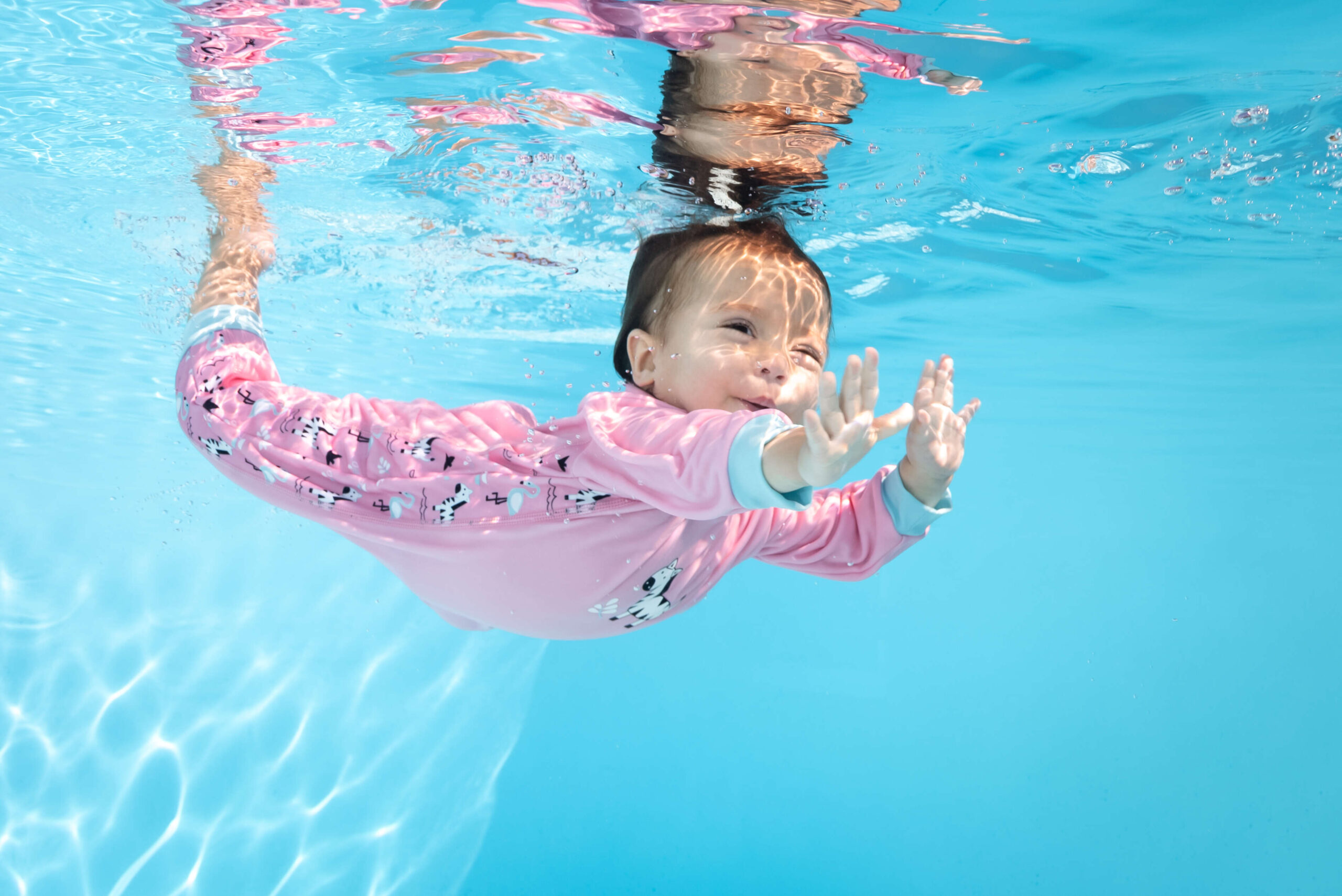
Most children reach this stage between ages 4 and 7. By 4 or 5, many can float and kick a short distance. By 6 or 7, many can swim 10–25 yards in calm water with good breath control. Some start earlier if they have steady lessons and low fear.
When Do Kids Learn To Swim Without Floaties? The answer depends on exposure, coaching, and temperament. Research from pediatric and aquatics groups shows that regular, formal lessons from age 1 can cut drowning risk. But true independence takes time. Frequent, short, positive practice moves the needle the most.
In my classes, most four-year-olds stop using arm floaties within 6–8 weeks of twice-weekly lessons. The children who practice outside lessons progress faster. Families who wait for “summer only” often see slower gains.
What affects readiness to swim without floaties
When Do Kids Learn To Swim Without Floaties? Readiness grows from a mix of physical and emotional factors.
Key drivers include:
- Body control and core strength. These help with floating and stable kicks.
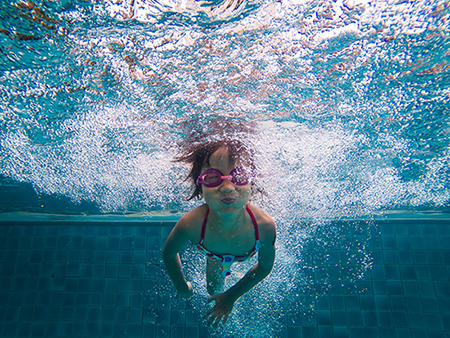
- Breath control and comfort with water on the face.
- Attention span and ability to follow two-step directions.
- Exposure to water in calm, positive settings.
- Trust in the teacher and a low, manageable fear level.
Pool setup also matters. Warm water, clear rules, and safe entry points reduce stress. Cold, crowded, or noisy pools slow learning. Small wins grow fast in a calm space.
Clear signs your child is ready to ditch floaties
Look for these green lights:
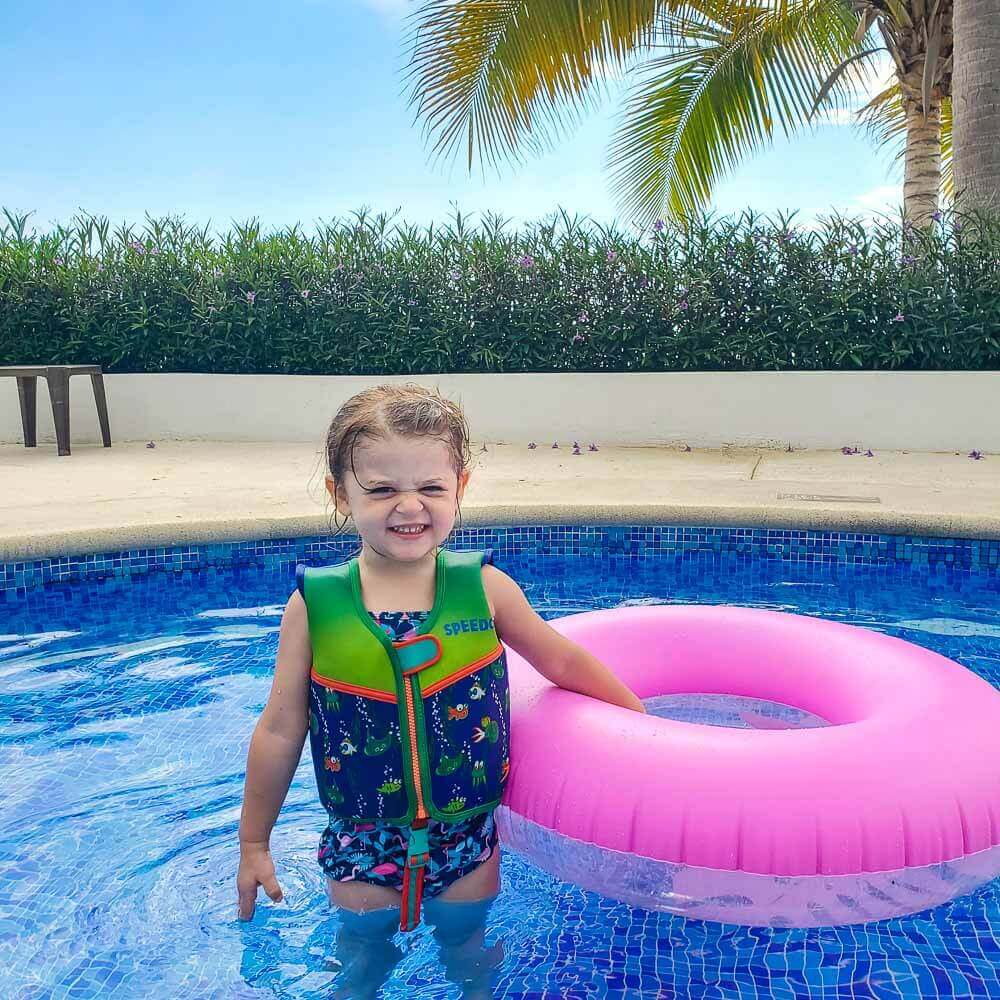
- Face in the water with a steady exhale.
- Back float for 5–10 seconds with relaxed hips.
- Streamline push and kick to a target.
- Roll from front to back to rest without panic.
- Short, repeatable swims between two adults or from wall to step.
If you still ask, When Do Kids Learn To Swim Without Floaties?, watch the child’s body. Ease and control beat age. If they can swim a few body lengths and recover to float, they are on track.

A simple roadmap to swim in independence
Here is the plan I use with families:
- Build water comfort
Start with face in, bubble blowing, and light submersion. Make games short and fun. - Teach safe entries and exits
Practice sit-slide entries, “monkey crawl” along the wall, and climbing out. - Lock in floats
Back float first. Then front float with assisted breath. Add gentle rollovers. - Add glide and kick
Push off in a streamline. Kick from the hips. Keep legs long and splash small. - Layer in breath
For beginners, use pop-up breaths to the front. Later, teach side breathing. - Short swims, then longer sets
Swim 3–5 feet, then 8–10, then 15–25 as control improves. Always finish strong and calm. - Fade the gear
Swap arm floaties for a noodle under the chest. Then for a kickboard. Remove aids as skills hold.
When Do Kids Learn To Swim Without Floaties? They do when this roadmap becomes routine, not rushed. Steady, low-pressure steps make brave, safe swimmers.

Safety rules that never change
Drowning is fast and silent. Supervision is the rule, not a backup. Experts advise a constant, close, undistracted watch within arm’s reach for young kids. Even strong swimmers need a water watcher.
Use life jackets on docks, boats, lakes, and beaches. Take breaks to prevent fatigue. Set clear pool rules: ask before entry, no running, and no breath-holding games. Keep rescue gear and a phone nearby. Formal lessons help, but do not replace supervision.

Smarter gear choices than arm floaties
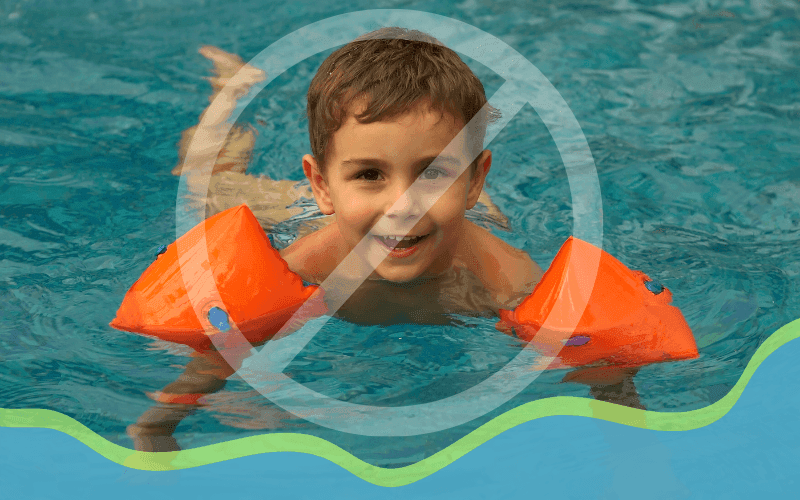
Arm floaties keep arms high and teach poor body lines. They can slip off and give a false sense of safety. Use tools that build real skills.
Better options:
- Coast Guard–approved life jacket for open water and boats.
- Foam noodle for front support while kicking and for back-float practice.
- Kickboard for kick strength and breathing drills.
- Swim belt or thin buoy for balance while you fade support.
Keep gear as a bridge, not a crutch. Reduce support as the child holds form.
Mistakes to avoid on this journey
When Do Kids Learn To Swim Without Floaties? Often, later, if these errors creep in.
Common pitfalls:
- Skipping floats and going straight to strokes. This causes panic and poor habits.
- Keeping arm floaties “just in case.” Kids lean on them and stop learning.
- Forcing submersion or long swims. Pressure grows fear.
- Inconsistent practice. Skills fade between long gaps.
- Ignoring rest skills. Every child needs a safe back float and calm breath.
Fixes are simple: slow down, praise effort, and practice often in short sets.

Quick answers, parents also ask
How long does it take to move off floaties?
With two short lessons a week and playful practice, many kids move off floaties in 6–10 weeks. Fearful or less experienced children may need longer.
Is a 3-year-old too young to swim without floaties?
Some three-year-olds can float and do short, independent swims. Focus on safety skills, not distance, and stay within arm’s reach.
What distance shows real independence?
A calm 10–15 yard swim with a clean breath and a safe back-float recovery shows early independence. Keep building endurance over time.
Frequently Asked Questions: When Do Kids Learn To Swim Without Floaties?
What is the best age to start lessons before kids swim without floaties?
Start lessons around age 1 for water comfort and safety habits. Formal stroke work often begins at around 4 years old.
When Do Kids Learn To Swim Without Floaties if they fear water?
Fear slows progress. Use slow exposure, games, and trusted teachers, and expect a longer timeline with many small wins.
When Do Kids Learn To Swim Without Floaties in open water?
Open water is harder due to waves, currents, and cold. Children should master pool skills first, then use life jackets outside.
Do private lessons help kids learn to swim without floaties faster?
Yes, one-on-one attention targets weak spots fast. Blend private and small group lessons for skill and social fun.
How many days a week should we practice to drop floaties?
Aim for 2–3 short sessions a week. Consistency beats long, rare practices.
When Do Kids Learn To Swim Without Floaties if they only swim in summer?
Seasonal swimmers progress more slowly. Try indoor pools or brief off-season sessions to keep skills fresh.
Are float suits better than arm floaties?
They are safer and more stable than arm bands, but can still create reliance. Use them as a short bridge, not a long-term fix.
Conclusion
Swimming without floaties is a skill, not a date on the calendar. Build comfort, teach floats, add glide and breath, and phase out support step by step. With steady practice and close supervision, your child will gain real water confidence and safety.
Start today with one simple habit: a five-minute float-and-glide game after each swim. Want more guides like this? Subscribe, share your questions in the comments, and keep your journey going.