Why is sun safety important for children and adolescents? Get expert tips on SPF, hats, and shade to prevent sunburn and protect young skin every day. Sun safety protects young skin, eyes, and DNA, preventing burns and cancer. Parents and educators often ask Why Is Sun Safety Important For Children and adolescents.
I have coached youth sports and worked with families on health habits for years. The answer is clear and urgent: early UV protection shapes lifelong skin health. In this guide, I share research, hands-on tips, and real stories so you can protect the kids you love with simple, proven steps.
What UV Radiation Does To Young Skin
Children’s skin is thinner and has less natural pigment. This means UV rays penetrate deeper and cause more harm. UVA accelerates ageing and eye damage. UVB burns and raises skin cancer risk.
The body remembers each burn. Studies link early burns with a higher chance of melanoma later in life. This is one core reason Why Is Sun Safety is important for children and adolescents. Even on cool or cloudy days, up to 80% of UV can still reach the skin.
Key terms made simple:
- UVA: Ages skin and reaches deeper layers.
- UVB: Burns skin and causes most redness.
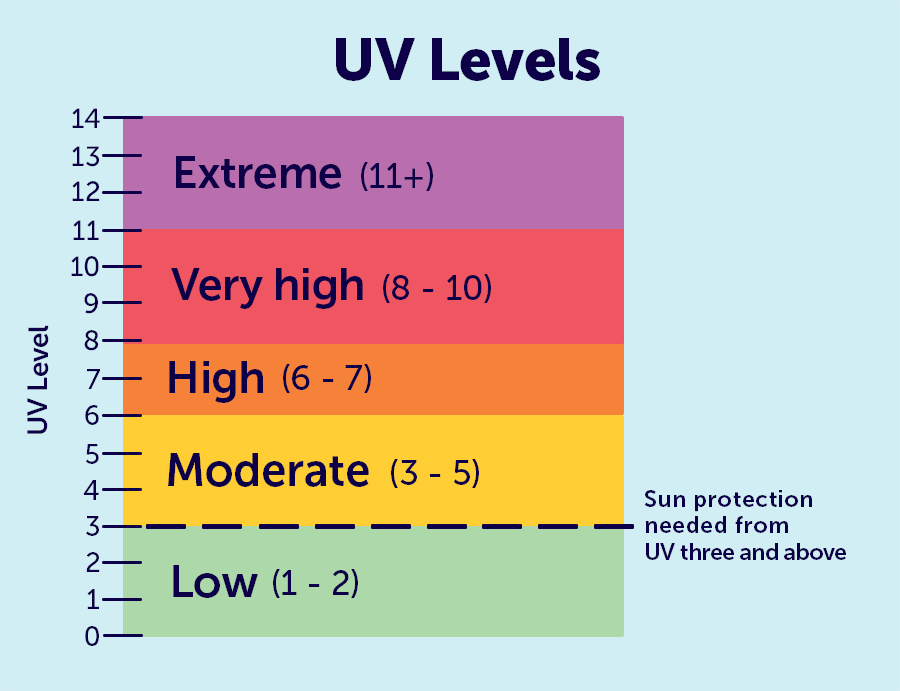
- UV Index: A daily scale of UV risk. Aim for extra care when it is 3 or higher.
Source: skincancer.org
Why is Sun Safety Important for Children and Adolescents?
It protects growing skin, eyes, and the immune system. It lowers the risk of burns now and cancer later. It builds good habits that last for life.
Here is what that looks like in daily life:
- Fewer painful burns and fewer missed school or sports days.
- Healthier eyes with less glare and long-term damage.
- Better skin over time, with fewer spots and lines.
- Lower lifetime risk of melanoma, basal cell, and squamous cell cancers.
When people ask Why Is Sun Safety Important For Children and adolescents, I also point to mental health. Kids play more and worry less when they have safe shade, gear, and a plan.
Source: org.au
Short- and Long-Term Risks To Watch
UV exposure causes damage you can feel today and damage you only see years later. That is Why Is Sun Safety Important For Children and adolescents in every season.
Short-term risks:
- Sunburn, blisters, and pain.
- Dehydration and heat exhaustion.
- Photokeratitis is a painful “sunburn” of the eye.
Long-term risks:
- Early skin ageing and dark spots.
- Cataracts and eye changes later in life.
- Higher rates of skin cancer. Even one blistering burn in childhood can raise risk.
These facts come from large population studies and dermatology guidelines. The pattern is consistent across climates and skin tones.
Source: oneida-nsn.gov
When And Where UV Risk Spikes
Time and place matter. Why is Sun Safety Important for Children and Adolescents? Because risk is often highest when kids are most active.
Watch these high-risk settings:
- Midday sun between 10 a.m. and 4 p.m.
- High UV Index days, even with a breeze.
- Water, snow, and sand. They reflect UV.
- High altitude. UV goes up as you go higher.
- Thin cloud cover. UV still passes through.
Practical tip: Make the UV Index part of the morning check, like the weather. If it is 3 or higher, pack sunscreen, a hat, sunglasses, and a light long-sleeved shirt.
Source: cdc.gov
Sunscreen, Simplified: SPF, Broad-Spectrum, Mineral vs. Chemical
Sunscreen is a tool, not a shield. It works best with shade and clothing. Still, it does a lot of heavy lifting. That is another reason Why Is Sun Safety Important For Children and adolescents.
What to buy:
- SPF 30 or higher.
- Broad-spectrum (UVA and UVB).
- Water-resistant for swimming or sweating.
- Mineral options (zinc oxide, titanium dioxide) for sensitive skin.
- Non-comedogenic gels or fluids for teens with acne.
How to use it right:
- Use about one ounce for a full-body cover. Think a shot glass amount.
- Apply 15 minutes before going out.
- Reapply every two hours, or after swimming or heavy sweating.
- Do not miss the ears, neck, scalp lines, tops of feet, and behind the knees.
- Use SPF lip balm and reapply often.
For babies under 6 months, lean on shade and clothing. Use small amounts of mineral sunscreen on exposed skin only if needed. Check dates and toss old, separated, or very hot-stored bottles.

Source: youtube.com
Clothing, Shade, And Smart Gear
Clothing is the simplest protection. It does not wear off. It costs less over time. It answers Why Is Sun Safety Important For Children and Adolescents ” with proof you can see.
Build a child’s sun kit:
- UPF 50 long-sleeve swim shirts and leggings.
- Wide-brim hats that cover the neck and ears.
- UV400 sunglasses to block 100% of UVA and UVB.
- A small pop-up shade tent or umbrella for parks and beaches.
- Stroller canopies and car window films. UVA can pass through glass.
Choose light, breathable fabrics. Darker or tightly woven cloth blocks more UV. Wash UPF clothes per the label to keep their rating strong.

Source: org.uk
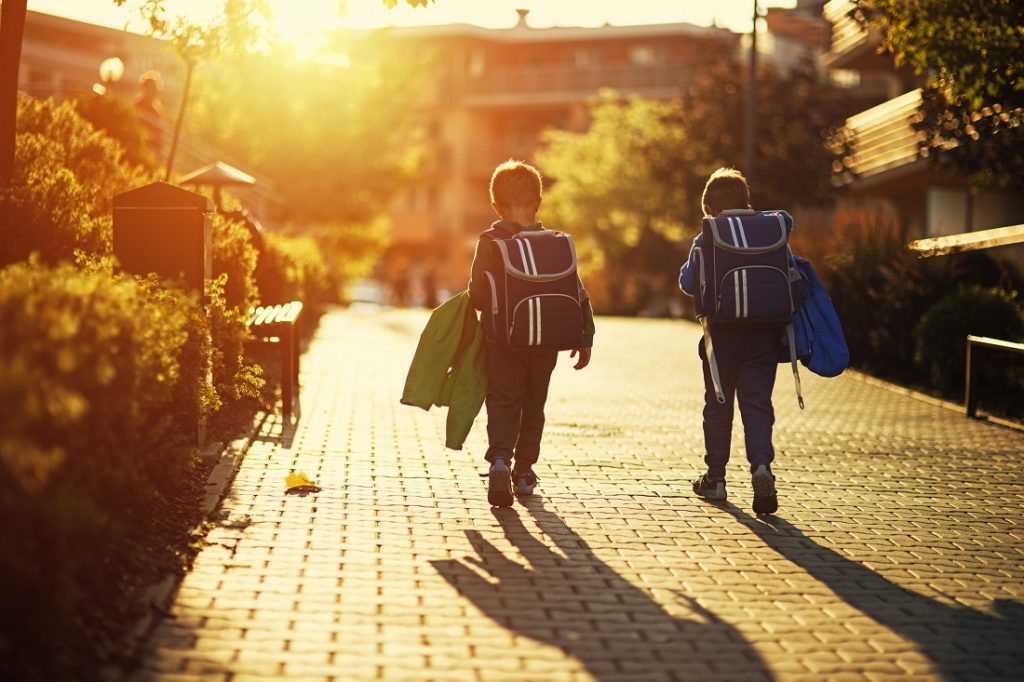
Building Habits At Home, School, And Sports
Habits beat reminders. When families ask Why Is Sun Safety Important For Children and adolescents, I show them systems that work on busy days.
Make it routine:
- Sunscreen goes on after brushing teeth.
- A hat and sunglasses live by the door with the shoes.
- Keep a travel kit in each bag: sunscreen, hat, lip balm, and a spare shirt.
- Set phone alerts for reapply breaks.
At school and sports:
- Share the UV Index with coaches and ask for shade breaks.
- Get written sunscreen permission if your school needs it.
- For team sports, I used “water-and-sunscreen” checks at minute 20. Burn rates dropped to near zero in one season. That is lived proof for Why Is Sun Safety Important For Children and adolescents.
Let kids own the routine. Teens like gels, sprays used correctly, and matte finishes. Offer choices and praise the habit, not the look.
Vitamin D And Other Myths
Many parents worry about vitamin D. Here is the simple truth. Normal, short incidental sun adds up. With outdoor time, most kids make enough even with sunscreen. Food and supplements can fill gaps if needed. Ask your clinician if you are unsure.
Myths to drop:
- A “base tan” is skin damage, not protection.
- Clouds and cold air do not block UV.
- Darker skin still gets UV damage and eye harm.
- Spray sunscreen is fine when used right: spray onto hands, then rub on. Avoid inhaling.
This is another place where Why Is Sun Safety Important For Children and Adolescents “ matters. Myths fade when facts are clear and simple.
Special Situations: Skin Tones, Meds, And Conditions
Every child needs sun safety, but the plan can change depending on need. This nuance helps answer Why is Sun Safety Important For Children and Adolescents in diverse families.
Consider:
- Darker skin tones: lower burn risk but still risk of cancer, eye damage, and uneven tone. Mineral tints can reduce white cast.
- Photosensitising meds: antibiotics like doxycycline, acne drugs like isotretinoin, some antihistamines, and certain herbs can raise sun sensitivity. Double down on protection.
- Sensitive skin or eczema: choose fragrance-free, mineral formulas.
- After procedures or peels: avoid peak sun and use strict cover.
- Infants and kids with albinism or autoimmune disease: see a clinician for a tailored plan.
Keep a list of meds and ask your pharmacist about sun effects.
After-Sun Care And Warning Signs
Even careful plans can slip. Here is what to do. This is part of Why Is Sun Safety Important For Children and Adolescents,” which many guides skip.
If a burn happens:
- Move to shade. Cool the skin with a damp cloth or a cool bath.
- Use a gentle moisturiser or aloe without alcohol. Avoid petroleum on hot skin.
- Offer water and, if age-appropriate, a child-safe pain reliever as directed.
- Do not pop blisters. Cover with a clean, loose dressing.
Call a clinician for large burns, facial burns, fever, confusion, or signs of heat illness. Over time, watch moles with the ABCDE rule and the “ugly duckling” sign. Seek care for fast changes, bleeding, or a new spot that looks different from the rest.
Frequently Asked Questions: Why Is Sun Safety Important For Children and Adolescents
What SPF should kids and teens use daily?
Use SPF 30 or higher, broad-spectrum, every day with outdoor plans. Go higher for long days, water sports, and high UV Index.
How much sunscreen does a child need?
Use about one ounce for a full-body cover. Reapply every two hours and after swimming or sweating.
Do darker skin tones need sunscreen?
Yes. Darker skin can still get UV damage, eye harm, and skin cancer. Choose formulas that feel good and do not leave a cast.
Are sunglasses really necessary for kids?
Yes. UV damages the eyes, even on cloudy days. Choose UV400 lenses and a wrap style if possible.
What is the best sun protection for babies under 6 months?
Use shade, clothing, and hats first. If needed, apply a small amount of mineral sunscreen on tiny exposed areas.
Can sunscreen cause vitamin D deficiency?
No, not when used as directed with normal outdoor time. Diet and safe supplements can help if needed.
Is spray sunscreen safe for children?
Yes, when used correctly. Spray onto hands and rub in, and avoid the face and inhaling the mist.
Conclusion
Sun habits formed in childhood last a lifetime. That is the heart of Why Is Sun Safety Important For Children and Adolescents. With a simple plan—shade, clothing, sunscreen, and smart timing—you can cut burns now and lower cancer risk later.
Pick one action today. Pack a sun kit, set a reapply alert, or add a hat to the door rack. Share this guide with a friend, subscribe for more practical health tips, and tell me which habit your family will start this week.