
Does milk production increase as baby grows? Get evidence-based answers on supply and demand, growth spurts, pumping, and when to seek lactation help. Yes. Milk supply adjusts to demand and often increases as your baby grows. If you have ever wondered, Does Milk Production Increase As Baby Grows?, you are not alone.
As a lactation educator who has coached many parents, I will explain how supply adapts, what changes over time, and how to keep up during growth spurts. This guide blends research, hands-on experience, and simple steps you can use today to protect your milk supply.

How Milk Production Works: The Supply-and-Demand Engine
Your body makes milk based on removal. When milk leaves the breast often and well, your body makes more. When milk sits in the breast, your body slows down. This loop is fast, smart, and very local to each breast.
Two hormones lead the way. Prolactin builds up after feeds or pumps. Oxytocin releases milk during letdowns. There is also a local signal called the feedback inhibitor of lactation. When the breast stays full, that signal tells the breast to slow down.
Early days are unique. In the first week, hormones drive milk to come in. After that, removal becomes the key driver. This shift is why frequent, effective feeding matters so much.
Your baby also shapes your supply. A deep latch, good suck, and steady feeds tell your body what to make next. The system is built to match your baby’s needs day by day.
Source: lllc.ca
Does Milk Production Increase As Baby Grows?
Parents ask, “Does milk production increase as the baby grows?” The most accurate answer is nuanced. Daily milk volume rises from the first days to about 4–6 weeks. Then, for many families, it stays quite steady until solids start. Typical exclusive intakes average about 25–30 ounces per day (750–900 ml), with a wide healthy range.
The short answer to Does Milk Production Increase As Baby Grows? is this: not in a straight line. Supply often boosts during short growth spurts. It then levels off, while milk composition becomes richer and babies drink more efficiently. After solids begin, total milk intake may dip, but many babies still rely on breast milk for most energy in the second half of the first year.
So, Does Milk Production Increase As Baby Grows? Yes, but mostly in short bursts tied to demand. Over months 1–6, volume tends to hold steady, while calories per ounce and feeding skill increase.

Source: milky-mama.com
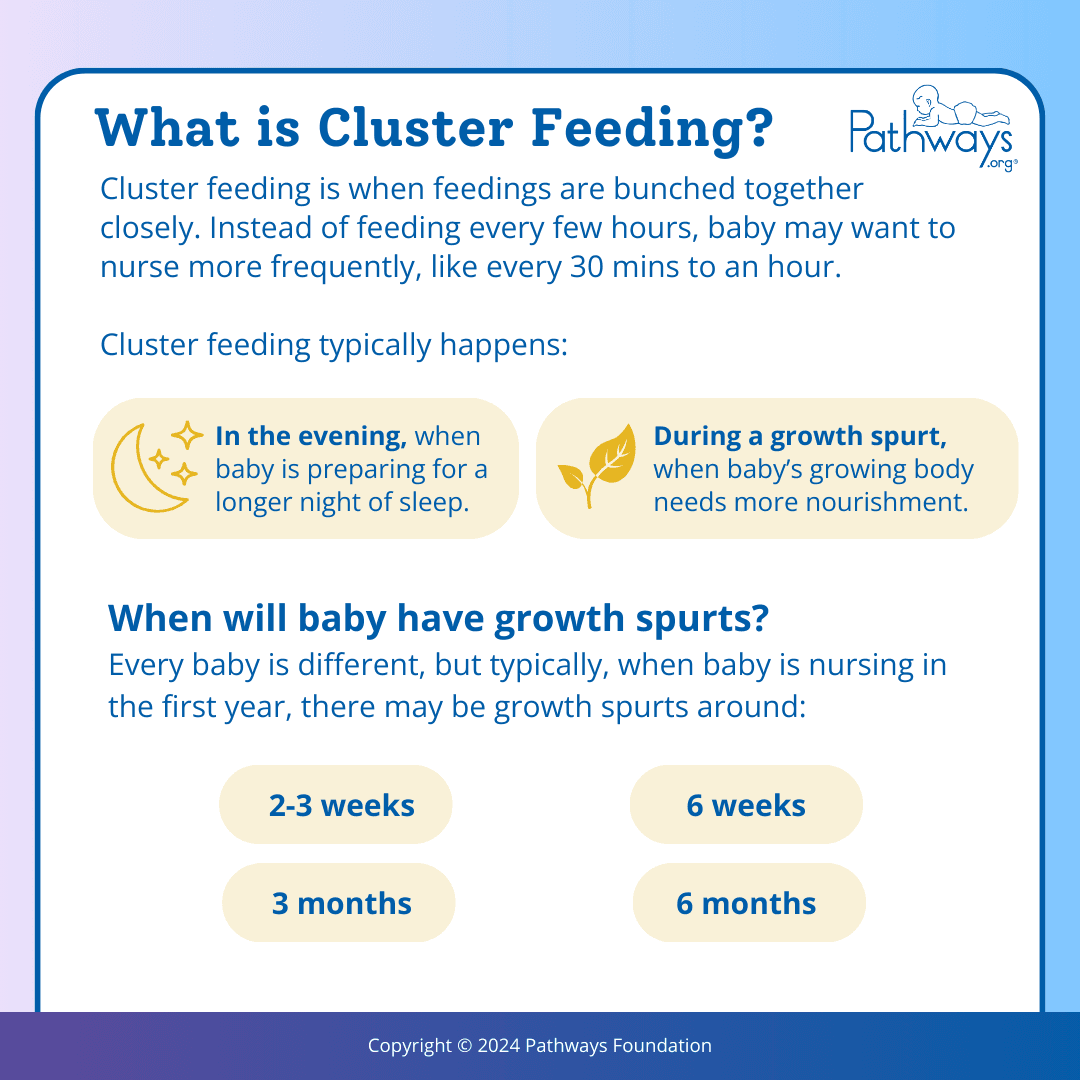
Growth Spurts and Cluster Feeding
Growth spurts are your body’s trigger to make more milk. Your baby will feed more often, fuss, and stay on the breast longer. This is normal and helpful. It tells your breasts to step up output.
Common growth spurts happen around:
- 2–3 weeks
- 6 weeks
- 3 months
- 4 months
- 6 months
During these times, does milk production increase as the baby grows? Yes. Expect a temporary rise in both feeding frequency and supply. You can support the process by offering both breasts, practicing skin-to-skin, and resting when you can.

Source: lllc.ca
Factors That Help Your Supply Keep Up
If you want your body to answer, “Yes” to Does Milk Production Increase As Baby Grows?, focus on removal and rest. Simple steps make a big difference.
- Feed 8–12 times in 24 hours for newborns. Responsive feeding beats strict schedules.
- Check latch and positioning. Pain or shallow latches lower transfer.
- Offer both breasts per feed. Switch sides when the baby slows.
- Keep some night feeds. Prolactin is highest overnight.
- Do skin-to-skin daily. It boosts hormones and milk flow.
- Drink to thirst and eat regular meals. Extreme diets can cut energy.
- Manage stress and get help at home. Rest supports hormones.
- If supplementing, pump when the baby gets a bottle. Match removal to protect supply.
- Use a well-fitted flange. Comfort and output depend on fit.
- For a short boost, try power pumping for 2–4 days.
Source: pathways.org
When Milk Supply May Not Rise With Demand
Sometimes, supply does not increase as your baby grows. This can be due to latch issues or medical factors. Catching these early helps.
Common hurdles include:
- Ineffective latch or tongue-tie
- Infrequent feeds or rigid schedules
- Supplementing without pumping
- Certain birth control pills with estrogen
- Thyroid issues, PCOS, anemia, or retained placental fragments
- Certain medicines, smoking, or dehydration
- Unmanaged pain or high stress
What to do next:
- See an IBCLC for a latch and transfer check.
- Ask your clinician to screen your thyroid, iron, and hormones if needed.
- Pump after feeds for short bursts to cue more milk.
- Adjust feeding plans to increase removal.

Source: expectful.com
How To Tell If Baby Is Getting Enough
It helps to know what “enough” looks like. Your baby, not your pump, is the best gauge.
Signs of good intake:
- At least 6 wet diapers daily after day five
- Regular stools in early weeks, then possibly less often after six weeks
- Swallowing sounds during feeds and relaxed hands after
- Steady weight gain: many newborns gain about 5–7 ounces per week in months 0–3, then 3–5 ounces per week in months 3–6
- Birth weight regained by 10–14 days
What not to rely on:
- Pump output. It does not reflect the baby’s transfer.
- Soft breasts. That can mean good drainage, not low supply.
- A fussy evening. It can be normal cluster feeding.
Parents still ask, Does Milk Production Increase As Baby Grows? It does when removal supports it, and your baby’s weight gain is the clearest proof that supply meets demand.
Can I boost supply fast?
Yes. Add 1–3 extra removals per day, including one at night for a few days. Use breast compressions during feeds and consider power pumping for a short time.
Is pumping output equal to what my baby drinks?
No. Babies are more efficient than pumps. Pump output varies by time of day, pump fit, and letdown response.
Will drinking more water increase the supply?
Drink to thirst. Overhydration will not raise supply and may even lower sodium levels. Focus on removal, latch, and rest.

Source: numatters.com
Milk Volume vs. Milk Composition As Baby Grows
Here is a key insight. As your baby grows, milk often becomes more energy-dense, while total daily volume holds steady. That is how babies get more calories without a big jump in ounces.
Other facts to know:
- Fat content tends to rise across a feed as the breast drains.
- Milk also shifts across months to match immune and growth needs.
- Morning milk may have more volume; evening milk may be richer.
- Night milk has more melatonin, which can aid sleep.
Does Milk Production Increase As Baby Grows? The total ounces may not climb much after the first month, but the nutrition does adapt.

Source: milky-mama.com
Working, Pumping, and Keeping Up With a Growing Baby
Many parents return to work and worry about supply. You can keep pace with a smart plan.
- Aim to pump about as often as your baby eats, usually every 3 hours.
- Most people need 15–20 minutes per session, with hands-on compressions.
- Store milk in small portions, 2–4 ounces, to reduce waste.
- Use a backup session at home in the evening or morning.
- Check flange size; common sizes are too large.
- Try a weekend of responsive feeding to recalibrate supply if needed.
If you ask, Does Milk Production Increase As Baby Grows? At this stage, the answer is yes when your pumping mirrors your baby’s pattern.

Source: numatters.com
From the Field: What I See in Real Families
In my sessions, the same pattern shows up. Weeks 1–6 bring rising supply. Months 1–6 are steady, even as babies get bigger. Growth spurts add brief bumps. Once solids start, milk often becomes a smaller part of daily intake, but it is still key for energy and immunity.
A few lessons:
- More removal beats any supplement or tea.
- A good latch fixes more than any gadget.
- Power pumping helps, but only for a few days at a time.
- When in doubt, weigh-feed-weigh with a lactation pro.
- If you wonder, Does Milk Production Increase As Baby Grows?, track diapers and weight. Numbers calm the mind.
Frequently Asked Questions: Does Milk Production Increase As Baby Grows?
Does milk production increase as the baby grows in the first six months?
Often it rises until about 4–6 weeks, then stays steady through six months. Short growth spurts can cause temporary bumps.
Do bigger babies always need more ounces than smaller babies?
Not always. Many babies, large or small, take similar daily volumes, while milk becomes richer.
Does milk production increase as the baby grows after solids start?
Usually no. Total daily volume may decline as solids add calories, but milk stays vital.
Can combination feeding affect whether milk production increases?
Yes. If you add bottles, pump when your baby gets them. That keeps removal and your supply in sync.
What if my baby seems hungry after every feed?
It can be a growth spurt or a latch issue. Try more frequent feeds and get a latch check if it persists.
Does pumping more always increase supply?
It helps if paired with effective removal and rest. Oversupply can happen, so adjust once the baby is satisfied and growing well.
Will stress stop the supply from rising as the baby grows?
Stress can hinder letdown and routine. Support, rest, and skin-to-skin can buffer the impact.
Conclusion
Milk supply is dynamic and smart. It rises in the early weeks, surges with growth spurts, and holds steady while milk gets richer. When you ask, Does Milk Production Increase As Baby Grows?, remember that removal drives the answer, and your baby’s growth shows the result.
You can shape this system. Feed often, protect latches, pump when needed, and get help early. If this guide helped, share it with a friend, subscribe for more parent-tested tips, or leave a question—I read every comment.