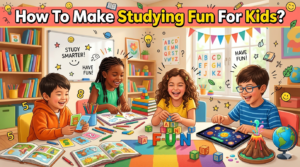
Make learning exciting with easy games, rewards, and routines. How To Make Studying Fun For Kids? Get parent-tested tips to boost focus, motivation, and grades. Turn lessons into play with games, stories, choices, and short wins.
Parents and teachers often ask How To Make Studying Fun For Kids? The answer is both simple and strategic. I’ve spent years coaching families and classrooms to turn dread into delight. In this guide, I’ll show you research-backed methods, easy tools, and small shifts that spark joy in learning and keep it going.
Why Fun Matters For Learning
Fun is not fluff. Fun builds attention, memory, and grit. When kids enjoy work, the brain releases dopamine. That chemical boost helps the brain form stronger links. It also builds a loop: effort leads to success, which leads to more effort.
Here is what fun learning does well:
- Grows curiosity and keeps kids on task longer
- Reduces stress, which helps memory and recall
- Builds a growth mindset, so kids try hard things
If you ask How To Make Studying Fun For Kids?, start by making small wins easy and visible. A fun moment can carry a child through a tough page or a tricky word. I have seen this change a child’s week. One third grader I coached hated spelling. We added a three-minute game with stickers and silly voices. Within two weeks, her test scores rose, and her frown was gone.

Source: youngscholarsacademycolorado.com
Understand Your Child’s Learning Profile
Before you try tools, learn who your child is as a learner. How to Make Studying Fun For Kids? starts with fit. The right fit turns struggle into flow.
Look for these signals:
- Interests: sports, animals, space, art, music, games
- Strengths: visual, hands-on, verbal, or social
- Energy: morning focus or evening focus, short or long bursts
- Sensory needs: movement, quiet, fidgets, or background music
Quick ways to tailor:
- For visual thinkers: use color-coding, charts, and drawing
- For movers: use standing desks, whiteboards, or floor maps
- For talkers: let them teach you back in short chats
- For builders: turn ideas into models with blocks or clay
Mistake to avoid: assuming one method fits all subjects. A child may like flashcards for math facts but need stories for history. Test, observe, adjust. Keep a simple log for a week and note what clicks.

Source: schoolspecialty.com
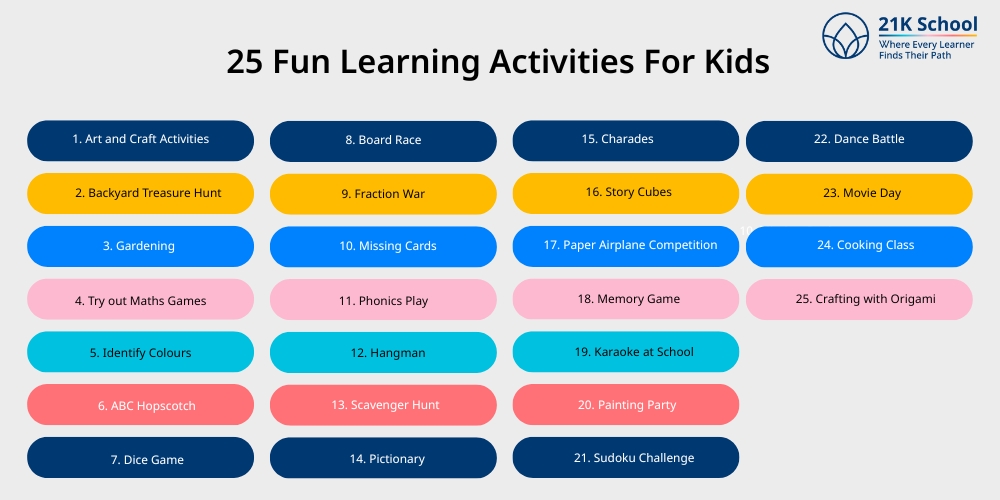
Game-Based Learning Ideas That Work At Home
How To Make Studying Fun For Kids? Add games. You do not need fancy tech. Simple tools work best and teach self-control and joy.
Try these game frames:
- Points and levels: give points for tasks, and level up every 10 points
- Timed quests: set a fun timer for 5–10 minutes and “race the clock.”
- Boss battles: save one challenge for the end and “defeat” it
- Scavenger hunts: hide clues with facts in the living room
- Role-play: be a “news reporter” or “scientist” and present findings
- Card flips: match terms and meanings like memory pairs
- Dice practice: roll to pick the next problem, fact, or word
Practical examples:
- Reading: roll a die to pick a reading voice (whisper, robot, teacher)
- Math: draw a target number and build it with cards or dice
- Science: run a mini-lab with kitchen gear and a simple lab sheet
- Writing: pick a prompt from a “mystery jar” and write for five minutes
Personal tip: I used “study stores” with tokens. Kids earn tokens for focus and can “buy” a brain break, a comic page, or extra game time. I cap rewards so the reward does not eat the study time. It keeps fun, fair, and fast.

Source: 21kschool.com
Active Learning That Sticks: Small, Proven Techniques
Research in learning science is clear. Active study beats passive review. If you ask How To Make Studying Fun For Kids?, use small tools that make the brain work just enough.
Core methods:
- Retrieval practice: close the book and recall key points out loud or on a whiteboard
- Spaced repetition: review hard items over days using short sessions
- Interleaving: mix types of problems to build flexible skills
- Dual coding: pair words with drawings or icons to boost recall
- Teaching back: have the child teach a toy or pet the main idea
How to make it playful:
- Use mini whiteboards for fast recall games
- Turn retrieval into a “traffic light” check: green for sure, yellow for unsure, red for stuck
- Draw one quick doodle per idea; keep them simple and funny
- Mix note cards with random “power-up” cards that say “skip” or “double points.”
PAA-style quick answers:
Does retrieval practice help kids more than re-reading?
Yes. Asking kids to recall from memory builds stronger links. Short, daily recall beats long re-reading sessions.
How long should a spaced review be for kids?
Keep it short, 5–10 minutes. Spread across days and focus on weak spots first.
Is interleaving too hard for young kids?
Start light. Mix two easy types and add a third once they show comfort.

Source: brookespublishing.com
Make Technology A Helper, Not A Distraction
How To Make Studying Fun For Kids? Tech can help if you set clear rules. Use it to build practice, not to replace thinking.
Smart ways to use tech:
- Use flashcard apps with spaced repetition for facts
- Try kid-safe math and reading apps for short drills
- Record short voice notes to practice languages and speaking
- Explore simple AR or map tools for geography or science
Guardrails that work:
- Set app limits and turn off alerts during study
- Keep screens in sight and at a desk, not in bed
- End with an offline recap so skills transfer to paper
What I learned: novelty fades fast. When an app is no longer fun, switch to a board game or a hands-on task. Balance keeps the joy alive.
Source: 21kschool.com
Build A Fun-Friendly Study Routine And Space
A good space and plan help fun show up on time. How to Make Studying Fun For Kids? starts with cues the brain can trust.
Set up the space:
- Keep a tidy study nook with light, a comfy chair, and clear tools
- Use a small bin with pencils, highlighters, sticky notes, and cards
- Add a visual timer and a simple task checklist
Plan the time:
- Use micro-sessions: 10–15 minutes of work, 3–5 minutes of play
- Start with an easy win to build momentum
- End with a “victory note”: one thing learned, one question to revisit
Energy hacks:
- Add movement before and after work bursts
- Use water and a light snack to fuel the brain
- Keep studying at the same time daily to build a habit
Mistake to avoid: marathon weekends. Short, steady sessions beat long, rare pushes. Kids trust routines that do not drain them.

Source: nfcacademy.com
Motivation, Rewards, And Mindset That Last
How To Make Studying Fun For Kids? Link effort to progress. Make progress visible. Praise the work, not the grade.
What to praise:
- Effort: “You stuck with that hard step.”
- Strategy: “Your color-coding helped you find the idea fast.”
- Improvement: “You raised your score by three points today.”
Reward systems that stay healthy:
- Tiny rewards for tiny wins keep it fair
- Rotate rewards so none become a trap
- Use choices as rewards: pick the next task or the next game
Mindset tips:
- Teach kids how the brain grows with practice
- Reframe errors as data: “This shows what to try next.”
- Model calm self-talk: “This is hard, but I can learn it.”
From my work with a fifth grader who loathed fractions: we tracked the number of steps solved, not only the number of answers right. Seeing the “steps done” bar rise each day turned dread into drive.
Source: 21kschool.com
Teach With Emotion, Stories, And Real Life
Emotion is glue for memory. If you need a lift for How To Make Studying Fun For Kids?, add story, surprise, and real-life links.
Story tools:
- Turn topics into short tales with a hero, a goal, and a twist
- Use analogies kids know: fractions are pizza slices, atoms are Lego sets
- Tie facts to people, places, and events kids care about
Hooks that spark curiosity:
- Start with a mystery question
- Use a quick demo that seems odd, then explain
- Let kids guess before you reveal the rule
Real-life links:
- Budget a snack sale to learn money math
- Map a walk to practice geography
- Plant seeds to watch life cycles
Kids remember what moves them. Stories make dry lists feel alive.
Source: ptaourchildren.org
Team Up With Teachers And Track Progress
Parents and teachers share the same goal. If you ask How To Make Studying Fun For Kids?, share notes and wins. Keep efforts aligned.
How to sync:
- Ask for two or three high-impact targets per week
- Share what games or tools worked at home
- Request sample problems that match class goals
Track without stress:
- Use a one-page tracker for scores, mood, and time on task
- Note which tools worked and which did not
- Adjust every one to two weeks
Data helps you spot patterns fast. You may learn that Mondays need easy wins, or that oral recall beats silent reading for your child.
Troubleshooting Common Challenges
Even with fun, bumps happen. Here is how to respond with care.
If a child says, “I hate this,”:
- Name the feeling and normalize it
- Shrink the task: two problems, then a break
- Offer a choice of tools: marker or pencil, whiteboard or paper
If focus is hard:
- Use shorter bursts with more movement
- Try noise control: headphones, soft music, or quiet corners
- Add fidgets that do not distract, like a stress ball
If reading is a struggle:
- Use audiobooks with text to follow
- Try large print and more white space
- Teach phonics in short, lively drills
If ADHD or learning differences are in play:
- Keep directions short and visual
- Use checklists and timers
- Celebrate tiny gains often; they add up
Remember, How To Make Studying Fun For Kids? is a process, not a switch. Small, steady tweaks win the long game.
Frequently Asked Questions on How To Make Studying Fun For Kids?
At what age can I start making study time playful?
Start as early as preschool with stories and play-based tasks. Keep it short and light, and focus on joy and routine.
How much time should kids study each day?
For young kids, 20–40 minutes in short blocks is plenty. Older kids can handle 45–90 minutes, split into chunks.
How do I make homework fun without bribes?
Use choice, quick games, and visible progress. Praise effort and strategy more than any prize.
What if my child only wants screens?
Set clear limits and swap in hands-on tasks that feel novel. Keep screens as one tool, not the main event.
How do I help when I am busy?
Create grab-and-go kits with simple tasks and timers. Use short check-ins before and after, even if the middle is independent.
Can fun learning still be rigorous?
Yes. Challenge comes from thinking, not from pain. Active methods make hard work feel doable and even exciting.
How do I measure progress?
Track a few simple metrics: time on task, errors reduced, and recall after a day. Look for steady trends, not perfect days.
Conclusion
Fun is a bridge, not a detour. When kids laugh, move, and choose, they learn more and keep going. You now have a full plan for How To Make Studying Fun For Kids? from games and routines to mindset and science-backed tools. Start with one small change this week, track the result, and build from there.
Ready to try it? Pick one idea above, set a timer, and invite your child to co-create the plan. Share what worked, ask questions, or subscribe for more kid-tested, research-backed tips.