
Learn How To Start Potty Training A Boy with practical steps, timing tips, and gentle strategies for fewer accidents and more confidence. Start potty training a boy when he shows readiness, then use calm routines, simple words, and steady praise. Learning how to start potty training a boy can feel exciting, confusing, and even tiring.
Boys may need time to understand body signals, sit safely, and learn whether to pee sitting down or standing up. The best approach is gentle, flexible, and based on readiness rather than age alone. This guide explains the steps, tools, common mistakes, and signs that your child may need extra help.

Source: whattoexpect.com
When Should You Start Potty Training a Boy?
Most children begin potty training between 18 months and 3 years of age. However, age is only one part of the picture. Some boys are ready earlier, while others need more time because of language delays, sensory needs, fear, or changes at home.
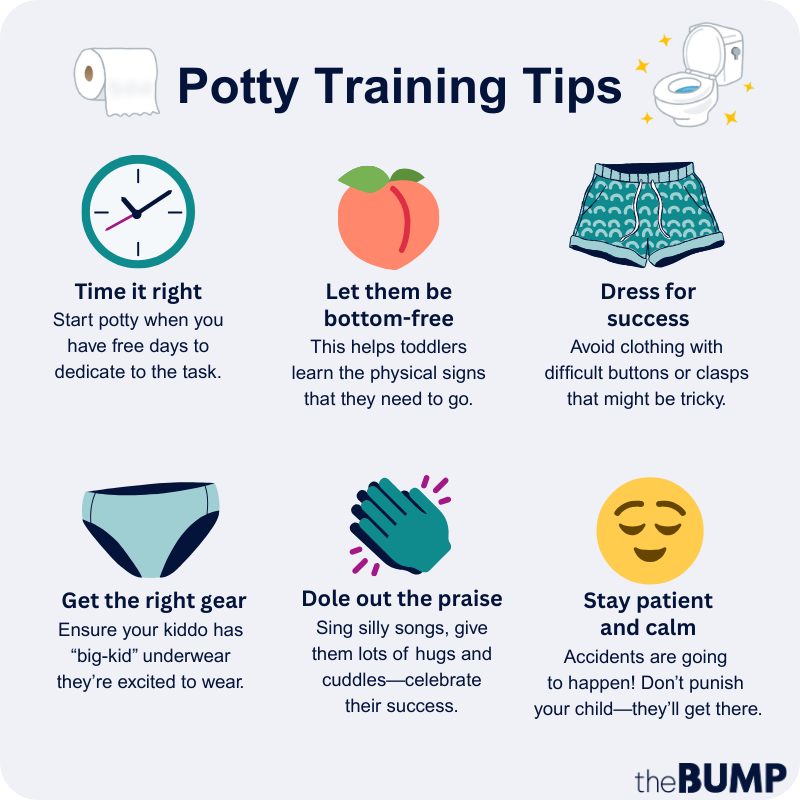
The right time to learn how to start potty training a boy is when he shows several signs of readiness. These signs often matter more than his exact age.
Look for signs such as:
• He stays dry for about two hours.
• He notices when he needs to pee or poop.
• He hides, squats, pauses, or changes facial expression before using his diaper.
• He can walk to the bathroom and sit down safely.
• He can pull pants up and down with some help.
• He follows simple instructions.
• He dislikes a wet or dirty diaper.
• He shows interest in the toilet or watches others use it.
• He can tell you that he needs to go, even with gestures or simple words.
A boy does not need to show every sign before you begin. Still, starting before he can notice or communicate body signals may create stress for both of you.
Pediatric experts generally recommend avoiding pressure, shame, or punishment. Toilet learning is a developmental skill, not a test of intelligence or good behavior. Treat it like learning to use a spoon: practice helps, but progress comes in small steps.
Source: thebump.com
How To Start Potty Training A Boy: Prepare First
Preparation can make potty training smoother. Before you begin, gather the basic supplies and explain what will happen. A calm introduction helps the toilet feel familiar instead of strange.
Choose a child-size potty chair or a toilet seat insert with a sturdy step stool. Many boys feel safer when their feet rest on a stable surface. Good foot support also helps the body relax during bowel movements.
You may want to buy:
• A small potty chair or toilet insert
• A strong step stool
• Easy-to-remove pants
• Extra underwear
• Flushable wipes or toilet paper
• Cleaning supplies
• A few simple books about toilet use
Let your son help choose his potty if possible. Giving him a small choice can increase interest and reduce resistance. Avoid turning the shopping trip into a reward system. The goal is to make the potty part of daily life.
Use clear and simple words for body parts and bathroom actions. For example, say, “Pee goes in the potty,” or “Your body is telling you that poop is coming.” Correct body terms can support safety and communication.
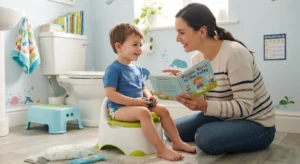
Before active training begins, let him sit on the potty with his clothes on. He can sit for a short time while reading a book or talking with you. This step is about comfort, not performance.
Teach Sitting Before Standing
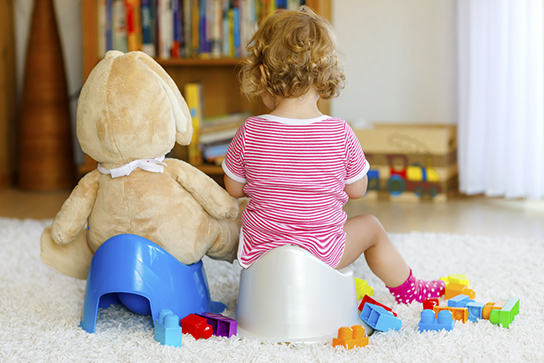
One of the most useful answers to how to start potty training a boy is to teach him to pee sitting down first. Sitting helps him learn both urination and bowel movements at the same time. It also reduces splashing and makes early practice easier.
Show him how to sit with his bottom fully on the seat. Teach him to keep his feet on the floor or stool. If he has a foreskin, do not force it back. Clean the outside gently, as advised by pediatric guidance.
At first, ask him to try sitting on the potty at predictable times:
• After waking up
• After meals
• Before leaving home
• Before a nap
• Before bedtime
• When he shows signs that he needs to go
Keep each sitting brief. About two to five minutes is enough for most young children. If nothing happens, simply say, “We tried. We can try again later.”
Once he uses the potty well while sitting, you can teach standing urination. Many families find that another trusted male family member can demonstrate this skill. A plastic target, such as a few toilet paper pieces floating in the bowl, may help with aim.
Standing is not a requirement during the first stage. Some boys continue sitting for all toilet use, and that is perfectly acceptable.
Source: ucdavis.edu
Create a Simple Potty Training Routine
Children learn through repetition. A predictable routine helps your son connect body signals with bathroom actions. Keep the steps short and use the same words each time.
A simple routine may look like this:
- Notice the body signal.
- Stop the current activity.
- Walk to the bathroom.
- Pull pants down.
- Sit on the potty.
- Try to pee or poop.
- Wipe from front to back after a bowel movement.
- Flush if your child is ready.
- Pull pants up.
- Wash hands with soap and water.
You can use a picture chart for children who learn best through visual cues. Place it near the potty at his eye level. Pictures can show pants down, sitting, wiping, flushing, and handwashing.
Use reminders, but do not ask every few minutes. Too many questions may make him feel watched or pressured. Offer regular chances instead, such as every 60 to 90 minutes during the early stage.
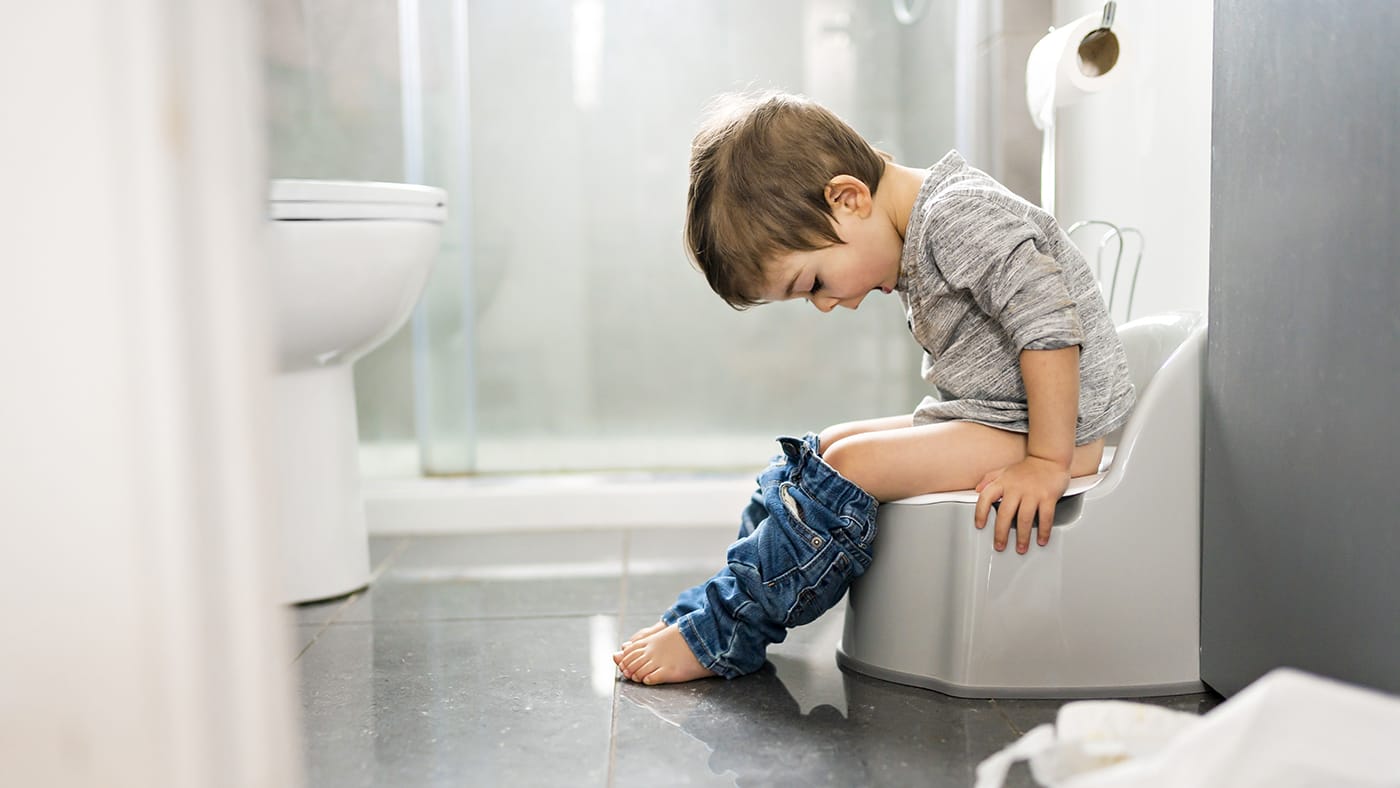
Keep the routine relaxed. A child who feels trapped may hold pee or poop. Holding can lead to constipation, accidents, and fear of the toilet.
Source: ffpeds.com
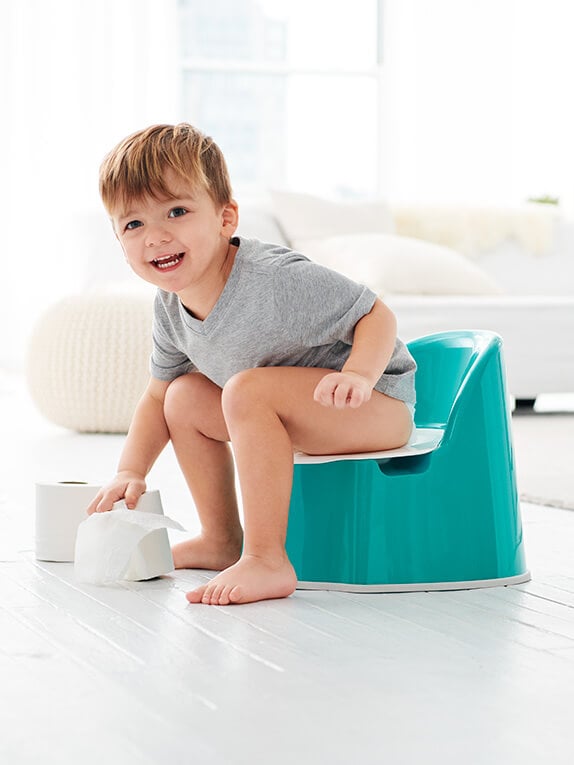
Use Praise Without Creating Pressure
Specific praise works better than general praise. Instead of saying only “Good job,” describe what he did well.
Try phrases such as:
• “You told me your body needed to pee.”
• “You walked to the potty.”
• “You pulled your pants down by yourself.”
• “You sat calmly and tried.”
Praise effort, not just a dry toilet result. This teaches your son that practice matters. It also keeps accidents from feeling like failure.
Some families use stickers or a small reward chart. These tools can help when used lightly. Do not remove food, affection, or privileges because of accidents. Avoid candy-based rewards when possible, since praise and shared activities are safer long-term motivators.
A useful lesson from guiding families through early toilet learning is that adults often praise too loudly or too often. Some children enjoy it, but others feel embarrassed. Watch your son’s response and keep your praise warm but natural.
You can say, “You listened to your body,” and then move on. The potty should become an ordinary part of the day, not the center of family life.
Source: oxo.com
Handle Accidents Calmly
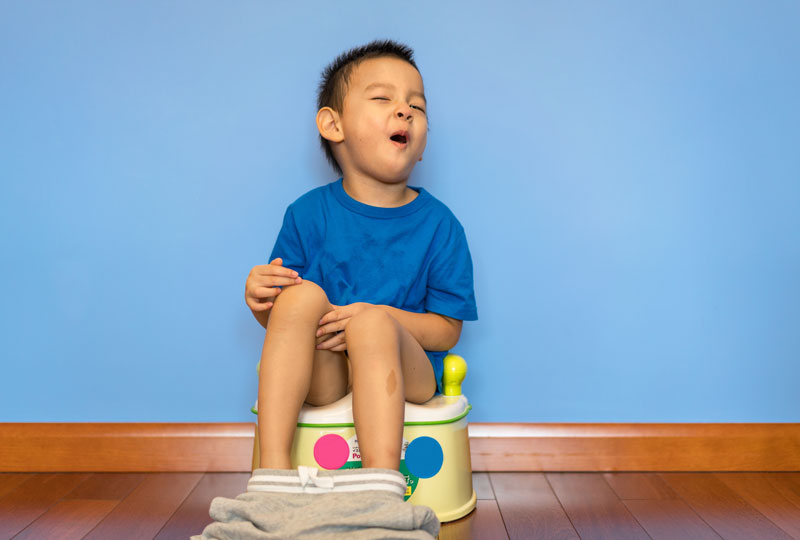
Accidents are normal. They may happen during play, travel, illness, stress, or major changes. Even a child who used the potty well may have accidents later.
Respond with a calm, short statement:
“Pee goes in the potty. Let’s clean up and try again next time.”
Avoid yelling, teasing, shaming, or making your child sit on the potty for a long time. Fear can slow learning and may lead to withholding urine or stool.
Invite your son to help with simple cleanup, but do not make it feel like punishment. He might place wet clothes in a laundry basket or help wipe a small spill with your support.
Prepare for accidents outside the home. Pack:
• Two or three changes of clothes
• Extra underwear or training pants
• Plastic bags for wet items
• Wipes
• A portable toilet seat if needed
During travel, point out public bathrooms before your child needs one. Familiar steps can reduce fear in new places.
Nighttime dryness often develops later than daytime toilet use. Use a diaper or overnight training pant during sleep if needed. Do not wake a child repeatedly unless a health professional recommends it.
Source: vanderbilthealth.com
Prevent Constipation During Potty Training
Constipation can make potty training much harder. A child may avoid the toilet after a painful bowel movement. He may also hold stool because he dislikes the feeling of passing it.
Offer water throughout the day and include fiber-rich foods such as fruits, vegetables, beans, oats, and whole grains. Encourage active play. Ask a pediatric clinician for advice before using laxatives or stool softeners.
Signs of constipation can include:
• Hard or large stools
• Fewer bowel movements than usual
• Pain during a bowel movement
• Stomach pain or bloating
• Stool marks in underwear
• Hiding or stiffening when trying to poop
If your son has repeated pain, blood in the stool, vomiting, severe stomach swelling, or ongoing constipation, contact a health professional. Medical advice is especially important if toilet training becomes linked with fear or stool withholding.
When considering how to start potty training a boy, bowel comfort deserves as much attention as pee training. A relaxed body learns more easily.

Source: healthline.com
Common Potty Training Mistakes To Avoid
Even well-meaning parents can make toilet learning harder. Small changes in your approach may reduce conflict.
Avoid these common mistakes:
• Starting during a major move, new baby, illness, or family crisis
• Expecting complete success within a few days
• Keeping your child on the potty for long periods
• Asking constantly whether he needs to go
• Comparing him with siblings or friends
• Using shame, threats, or punishment
• Switching methods every day
• Ignoring signs of constipation
• Expecting nighttime dryness at the same time as daytime dryness
• Moving to standing urination before sitting feels easy
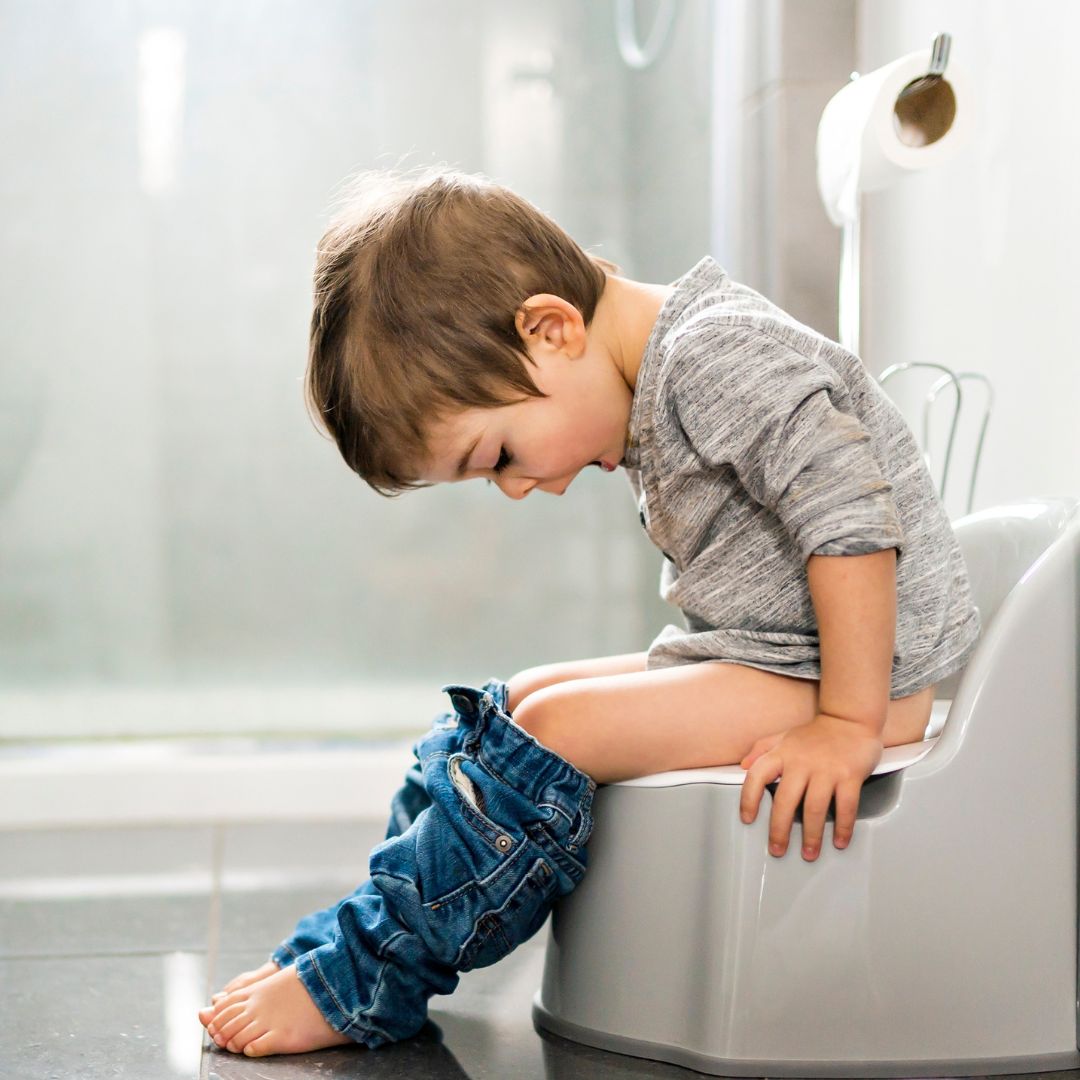
Consistency matters, but rigid control does not. If your son cries, refuses every attempt, or seems distressed, pause active training for a week or two. You can still use neutral language and let him observe bathroom habits.
Taking a break is not giving up. It is like allowing a tired muscle to rest before trying again.
Source: dyper.com
What To Do If Your Son Refuses The Potty
Refusal is common. It may happen because your child wants control, fears falling in, dislikes the sound of flushing, or feels interrupted during play. First, try to identify the reason instead of assuming he is being difficult.
Offer limited choices:
• “Do you want the small potty or the toilet insert?”
• “Do you want to try before bath or after bath?”
• “Do you want blue underwear or green underwear?”
The choices should not include whether he must follow basic hygiene rules. You can offer control over the process while keeping the goal clear.
Make the bathroom feel safe. Use a night-light, keep the door open, and avoid automatic flushers if the sound frightens him. Let him flush only when he feels ready.
If resistance continues, stop direct practice for a short period. Keep reading books, using simple words, and allowing casual bathroom observation. Then try again when the tension has eased.
Potty Training Boys With Daycare Support
Children often learn faster when home and daycare use the same plan. Speak with caregivers before active training begins. Share the words, routine, and signs your son uses when he needs to go.
Ask caregivers to:
• Offer regular toilet visits
• Use calm reminders
• Praise attempts
• Change wet clothing without shame
• Record bowel movements if constipation is a concern
• Keep spare clothing available
Do not expect identical results in every setting. A child may use the potty at home but have accidents at daycare because the bathroom is unfamiliar or busy. This is common and usually improves with practice.
If your son has a disability, developmental delay, sensory difference, or communication challenge, ask his pediatric clinician for an individualized plan. Visual schedules, adapted seats, and longer practice periods may help.
How Long Does Potty Training Take?
There is no fixed timeline. Some children gain daytime control within a few weeks. Others need several months. Progress may come in waves rather than a straight line.
A realistic goal is gradual improvement:
• He becomes comfortable sitting.
• He notices body signals.
• He tells an adult he needs to go.
• He reaches the bathroom with help.
• He manages clothing with less support.
• He has fewer accidents.
Celebrate these steps. A dry day is helpful, but it is not the only sign of learning.
If training has become a daily battle, step back and focus on readiness. If your child is older than 4 and has not gained daytime bladder control, or if he regresses after being consistently dry, discuss it with a pediatric professional. Bedwetting can remain normal for years after daytime training, but sudden changes deserve attention.
Frequently Asked Questions About How To Start Potty Training A Boy
What is the best age to start potty training a boy?
Many boys are ready between 18 months and 3 years, but readiness signs matter more than age. Start when he can follow simple directions, notice body signals, and sit safely.
Should a boy learn to pee sitting down or standing up?
Sitting is usually the easiest starting point because it supports both pee and poop training. Standing can be taught later, but it is not required for successful toilet use.
How often should I put my son on the potty?
Offer the potty after waking, after meals, before leaving home, and before sleep. During early training, a gentle reminder every 60 to 90 minutes may help, but avoid constant questioning.
What should I do if my son has an accident?
Stay calm and use a short statement such as, “Pee goes in the potty. Let’s clean up.” Help him change clothes, avoid punishment, and return to the normal routine.
How can I make potty training less stressful?
Use simple words, short toilet visits, easy clothing, and specific praise. Pause active training if your son becomes very upset, then try again after a short break.
Is nighttime potty training different?
Yes. Nighttime dryness depends partly on bladder development and sleep patterns. Use overnight protection as needed and avoid pressuring your child to stay dry while sleeping.
When should I call a pediatrician?
Contact a clinician for painful urination, repeated urinary infections, blood in urine or stool, severe constipation, ongoing stool withholding, or sudden regression. Also ask for guidance if toilet training causes intense fear or remains unsuccessful despite consistent support.
Conclusion
Learning how to start potty training a boy begins with readiness, not pressure. Prepare the bathroom, teach sitting first, use a simple routine, praise effort, and respond to accidents with patience. Protecting comfort and preventing constipation can make the process much easier.
Your son may learn quickly, slowly, or in several stages. Stay consistent, keep expectations realistic, and remember that each small step counts. Try these strategies this week, and explore trusted pediatric resources or share your experience in the comments.