
How long can a baby be in a swing? Learn safe time limits, sleep safety tips, and when to move your baby to a crib. A baby should use a swing only for short, supervised periods, usually about 20 to 30 minutes at a time. Parents often use baby swings to soothe a fussy infant, free their hands, or create a calm moment during a busy day.
However, knowing how long a baby can be in a swing involves more than watching the clock. A baby’s age, posture, alertness, the swing design, and safe sleep guidance all matter. This guide explains safe time limits, common risks, practical tips, and signs that your baby should come out of the swing.
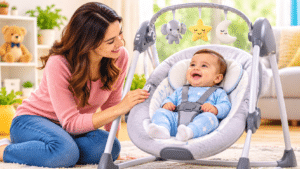
How Long Can a Baby Be in a Swing?
There is no single official time limit that fits every baby or every swing. Still, a useful safety rule is to keep a baby in a swing for about 20 to 30 minutes at a time while the baby is awake and watched closely.
How long can a baby be in a swing during the whole day? Occasional short sessions are usually more sensible than long or repeated periods. A swing should support brief soothing and play, not serve as a main place for sleep, feeding, or daily care.
Always follow the product manual. Some swings have a lower weight limit, a shorter use period, or special rules for newborns. Stop using the swing when your baby reaches the stated weight limit, tries to climb out, or can sit up without help, unless the manufacturer gives different instructions.
Use this practical guide:
• Keep each session brief, often 20 to 30 minutes.
• Use the swing only when your baby is awake, unless you are moving the baby to a safe sleep space.
• Stay close enough to see and hear your baby.
• Check your baby’s head, neck, and body position often.
• Take your baby out sooner if the baby becomes tired, hungry, hot, upset, or slumped.
A short swing session is like a quick rest stop. It can help, but it should not become the whole journey.

Source: babycenter.com
Why Babies Should Not Sleep in a Swing
The most important answer to how long can a baby be in a swing is this: a swing is not a safe routine sleep space. Swings place babies in a partly seated position. A young baby may not have enough neck strength to keep the head upright.
If the baby’s chin falls toward the chest, the airway can become narrow. This can make breathing hard or cause a dangerous lack of oxygen. Babies may also slide down, turn their face into the padding, or become trapped against the side.
The American Academy of Pediatrics recommends moving a sleeping baby from a swing, stroller, car seat, or other sitting device to a firm, flat sleep surface. The baby should lie on the back in a crib, bassinet, or play yard with a fitted sheet and no loose blankets, pillows, or toys.
Follow these steps if your baby falls asleep:
- Stop the swing.
- Unbuckle the baby carefully.
- Move the baby to a firm, flat sleep surface.
- Place the baby on the back.
- Keep the sleep area clear of soft items.
Do not assume that a sleeping baby is safe because the swing is running. Motion may soothe a baby, but it does not make the seated position safe for unsupervised sleep.

Source: jneurovirol.com
What Makes Long Swing Use Risky?
Parents often ask how long can a baby be in a swing because swings feel gentle and secure. Yet risk can rise when a baby stays in one position for too long or when an adult cannot watch closely.
The main concerns include:
• Breathing problems: A slumped position can press the chin toward the chest and affect airflow.
• Falls: A baby may lean, twist, or climb out as motor skills develop.
• Strangulation: Loose straps, cords, or nearby objects can create hazards.
• Head injury: A swing placed on a table, bed, sofa, or counter can fall.
• Flat spots: Long periods in one position may add pressure to the back of the head.
• Overheating: Cushioned seats, blankets, and warm rooms can make babies too hot.
• Reduced movement: Babies need time on the floor to kick, stretch, reach, and build strength.
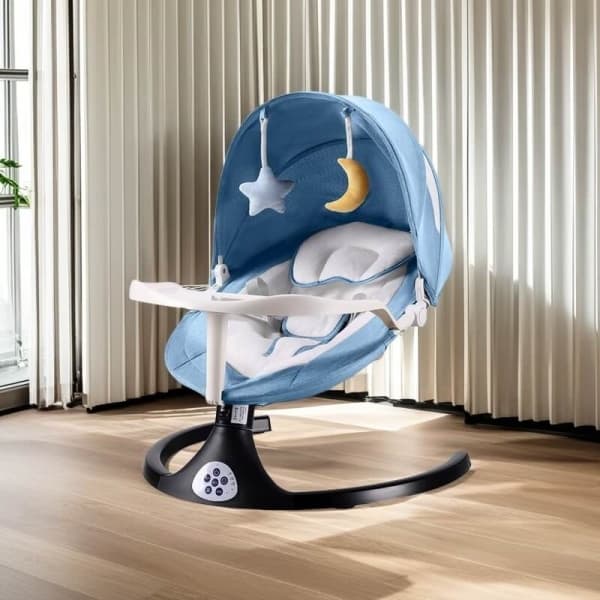
Never place a swing on an elevated surface. Use it only on the floor. Keep cords, pets, blankets, and other children away from the moving parts.
A baby swing is not a babysitter. Even a calm baby needs an adult nearby.
Source: craft-child.com
How Long Can a Baby Be in a Swing by Age?
Age affects posture, movement, and the level of supervision a baby needs. The product’s instructions always come first, but these age-based points can help parents make safer choices.
Newborns
Newborns have limited head and neck control. If you use a swing, choose a model approved for newborns and use the most reclined setting allowed by the manual.
Keep the session short. Check the baby’s head position often, and stop at once if the head falls forward or the body slides down.
Babies Around 2 to 4 Months
At this stage, many babies become more alert and active. They may enjoy looking around, but they can also begin to twist or push with their feet.
How long can a baby be in a swing at this age? Brief, supervised sessions remain the safest approach. Do not rely on the swing just because your baby appears comfortable.
Babies Around 4 to 6 Months
Many babies begin rolling, reaching, and sitting with support during this period. These changes can make a swing less suitable.
Read the manual for signs that use should stop. If your baby tries to sit up, pull forward, or climb out, discontinue use even if the baby has not reached the maximum weight.
Older Infants
Older babies often need more free movement. Floor play, supervised tummy time, and interaction with caregivers support development better than long periods in a swing.
How long can a baby be in a swing once the baby is mobile? The answer may be “not at all” if the baby can climb out or the product is no longer stable for that child.

Source: outdoortoys.com
Safe Baby Swing Practices
Safe use starts before you place your baby in the seat. Inspect the swing, read the manual, and remove anything that could affect balance or breathing.
Use this checklist:
• Place the swing on a level floor.
• Use every safety strap as directed.
• Keep the harness snug but comfortable.
• Keep the baby’s face and airway visible.
• Use the correct recline setting for the baby’s age and size.
• Watch the baby during the entire session.
• Keep the swing away from stairs, windows, heaters, cords, and pets.
• Stop use if the swing is damaged or unstable.
• Never add a pillow, blanket, liner, or homemade cushion.
• Do not carry the swing while the baby is inside.
The restraint should hold the baby in place without pressing against the neck. A loose harness can allow sliding, while an overly tight harness can cause discomfort.
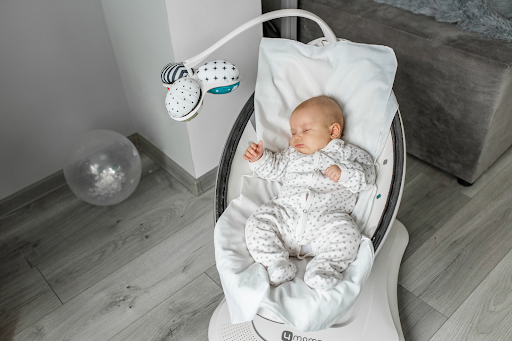
A useful habit is to perform a quick “head, harness, and heat” check. Is the head supported? Is the harness secure? Does the baby feel too warm? These three checks can prevent many common problems.
Source: pakpeds.com
Signs Your Baby Should Come Out of the Swing
Knowing how long can a baby be in a swing also means knowing when to end a session early. Babies may not always cry when they are uncomfortable or positioned poorly.
Take your baby out if you notice:
• The chin touching the chest.
• The head falling to one side.
• The body sliding down.
• A bent or twisted posture.
• Pale, blue, or gray lips or skin.
• Fast, noisy, or difficult breathing.
• Heavy sweating or flushed skin.
• Repeated coughing or gagging.
• Crying that does not settle.
• Attempts to roll, sit, stand, or climb out.
If your baby has trouble breathing, looks blue or gray, becomes limp, or does not respond normally, remove the baby from the swing and seek emergency medical help immediately.
Trust your instincts. If the position looks wrong, end the session and reposition your baby on a safe, flat surface.

Source: todaysparent.com
Better Alternatives to Long Swing Sessions
A swing can be useful, but babies also need time to move and connect with caregivers. Rotating activities can reduce the time your baby spends in any one container.
Try these options:
• Supervised tummy time on a firm floor.
• Back play with a simple play mat.
• Holding and talking to your baby.
• Reading a short board book.
• Babywearing with an approved carrier used correctly.
• A brief walk in a stroller that fits your baby and meets safety rules.
• Calm floor time near you while you fold laundry or prepare food.
Tummy time helps build strength in the neck, shoulders, arms, and back. Begin with short periods while your baby is awake and watched. Add time slowly as your baby becomes stronger.
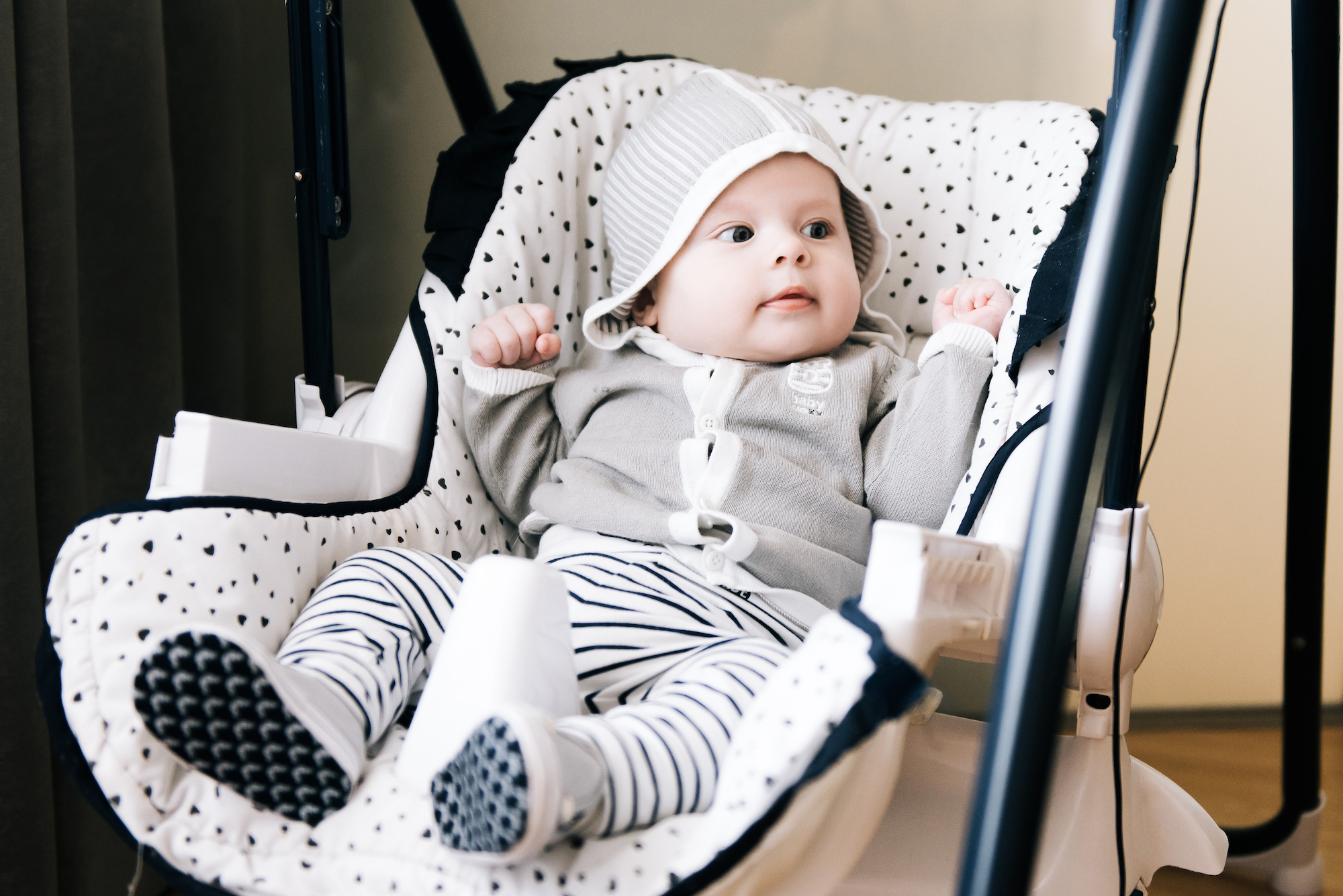
If you need to step away, place your baby in a safe crib or bassinet rather than leaving the baby in a swing. A few minutes of fussing in a safe sleep space is safer than a quiet baby left in an unsafe position.
Source: sleepfoundation.org
Common Mistakes Parents Should Avoid
Many swing-related problems come from normal parenting habits rather than carelessness. Parents are tired, busy, and often grateful for anything that calms a baby. Simple reminders can make a real difference.
Avoid these mistakes:
• Letting the baby sleep in the swing.
• Leaving the room for a long period.
• Covering the swing with a blanket.
• Placing the swing on a sofa, counter, bed, or table.
• Using the swing after the baby can sit or climb out.
• Ignoring the weight and age limits.
• Adding extra padding that did not come with the product.
• Using a damaged swing.
• Feeding a baby while the swing is moving.
• Assuming a quiet baby is always comfortable.
One lesson parents often learn the hard way is that a swing can mask tiredness. A baby may seem peaceful while slowly slumping. Regular visual checks matter more than the sound of the motor or the length of the last session.
If the swing no longer gives you peace of mind, stop using it. No product is essential to calming a baby.
Source: momcozy.com
How to Create a Safe Swing Routine
A simple routine can help you use the swing without allowing it to replace safer care. Pick a time when your baby is fed, alert, and comfortable.
Try this pattern:
- Check the swing and the harness.
- Place the swing on the floor.
- Set a timer for about 20 minutes.
- Stay in the same room.
- Watch the baby’s head and body position.
- Stop the swing if the baby falls asleep or becomes uncomfortable.
- Move the baby to the floor, your arms, or a safe sleep space.
A timer is helpful because busy parents can lose track of time. It is not a substitute for supervision, but it can prevent a short break from turning into a long one.
How long can a baby be in a swing in one routine? Keep the answer flexible, but choose short sessions and add other activities between them. Your baby should have regular chances to stretch, move, look around, and interact with you.
What Experts and Safety Guidance Say
Pediatric safety guidance consistently separates soothing from sleep. Sitting devices, including swings, are designed for supervised awake use. They are not designed to provide the flat, firm support recommended for infant sleep.
Federal product safety guidance also stresses proper restraint, correct use, and compliance with the manufacturer’s instructions. Product recalls can occur, so check the model and safety notices before using a secondhand swing.
Research on infant positioning supports caution. Young babies have weaker neck muscles and may not reposition themselves when the airway becomes blocked. This is why visible breathing, correct posture, and active supervision are essential.
Guidance can differ by product and by the baby’s health. Babies born early, babies with breathing problems, and babies with low muscle tone may need individual advice from a pediatrician. Ask your child’s doctor if you are unsure how long can a baby be in a swing in your specific situation.
Frequently Asked Questions
How long can a baby be in a swing at one time?
A practical limit is about 20 to 30 minutes for an awake, supervised baby. Remove the baby sooner if the head slumps, the body slides, or the baby becomes tired or upset.
Can a baby sleep in a swing?
No. If a baby falls asleep in a swing, move the baby to a firm, flat sleep surface on the back as soon as possible.
Is it safe to leave a baby in a swing while I shower?
It is safer to place the baby in a clear, safe crib or bassinet while you shower. Do not leave a baby unattended in a swing, even for a short household task.
Can newborns use baby swings?
Some swings are approved for newborns, but only when used according to the manual. Newborns need close supervision because they have limited head and neck control.
When should a baby stop using a swing?
Stop when the baby reaches the product’s weight or age limit, tries to sit or climb out, or no longer fits safely. Always follow the manufacturer’s warning, even if your baby is below the maximum weight.
Can a swing cause flat head syndrome?
Long periods in any position that presses on the back of the head may contribute to a flat spot. Give your baby supervised floor time, tummy time, and regular position changes.
How long can a baby be in a swing each day?
There is no universal daily number, but short and occasional sessions are best. Avoid using the swing for long stretches or as a replacement for floor play, holding, feeding, or sleep.
Conclusion
A baby swing can offer short-term comfort, but it should never replace close supervision, floor play, or a safe sleep space. Keep sessions brief, use the harness correctly, watch your baby’s posture, and move a sleeping baby to a firm, flat surface.
The safest answer to how long can a baby be in a swing is “only as long as the baby remains awake, properly positioned, and closely watched.” Review your swing’s manual and discuss special concerns with your pediatrician.
Share this guide with another caregiver so everyone follows the same safe routine.