
Are activity centers bad for babies? Learn the safety risks, benefits, and expert tips to help you choose the best option for your baby. Activity centers are not inherently bad for babies, but unsafe use, poor fit, and long sessions can cause problems. Are Activity Centers Bad For Babies?
The answer depends on the design, your baby’s age, how long the center is used, and whether an adult stays nearby. A well-made stationary activity center can offer short, supervised play, but it should never replace floor time, free movement, crawling, or close interaction with caregivers.
What Is a Baby Activity Center?
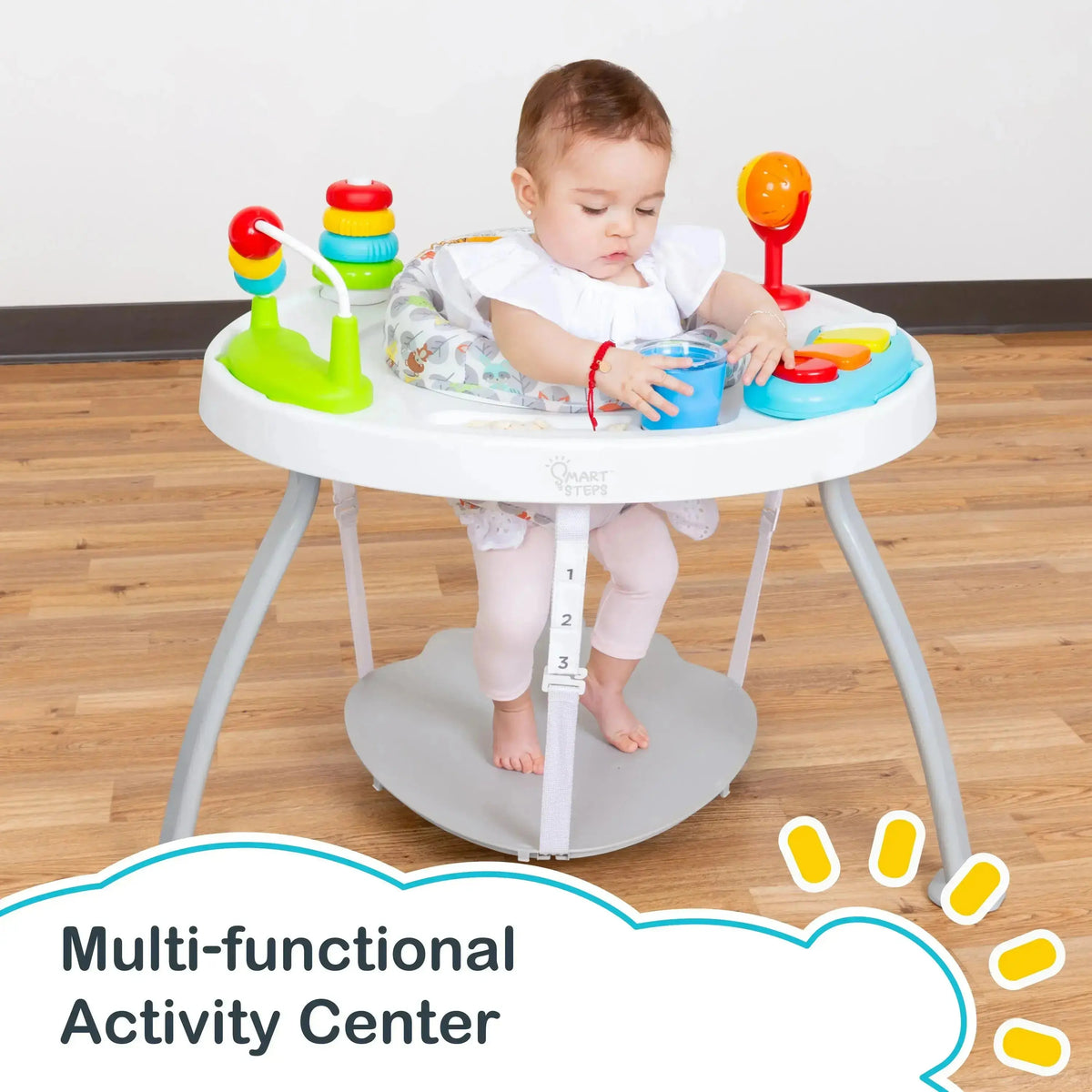
A baby activity center is a freestanding product designed for seated or supported play. It may include toys, lights, sounds, buttons, mirrors, and a padded seat. Some models have wheels or allow babies to bounce, spin, or move around.
Parents often use activity centers while cooking, folding laundry, or taking a short break. This can be helpful. Still, an activity center is a convenience item, not a developmental need.
Before asking, “Are Activity Centers Bad For Babies?” it helps to separate these products from baby walkers. Traditional sit-in baby walkers have wheels and can move across the floor. Stationary activity centers stay in one place and are usually less risky, but they still require careful use.
Common types include:
• Stationary activity centers with a fixed base
• Convertible activity centers that change into toddler play tables
• Seated activity centers with a fabric or plastic seat
• Jumper-style activity centers that let babies bounce
• Exersaucers with toys around the baby
• Mobile walkers that allow a baby to roll from room to room
The design matters because each type places different demands on a baby’s hips, spine, feet, and developing motor skills.
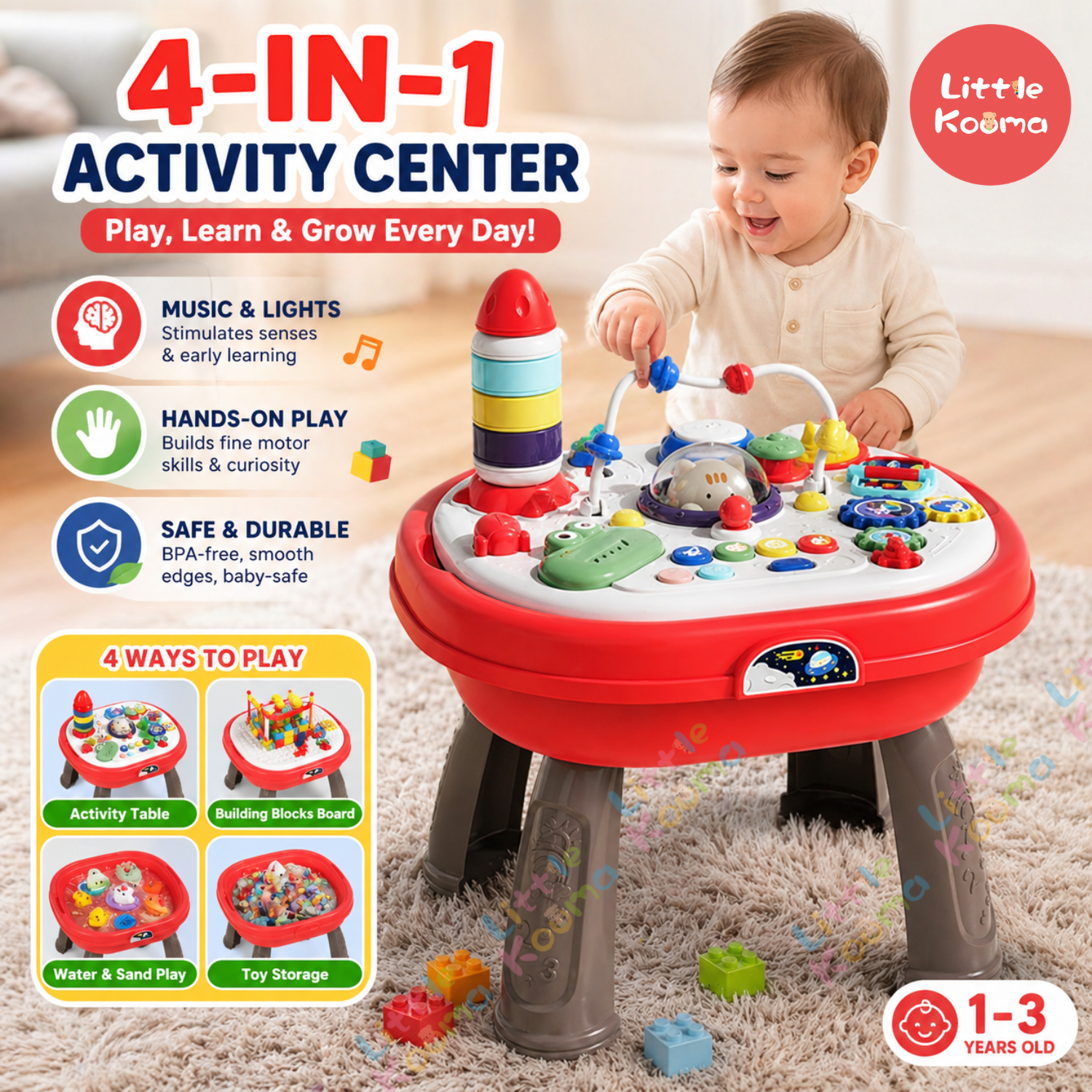
Source: littlekooma.com
Are Activity Centers Bad For Babies?
Are Activity Centers Bad For Babies? Usually, no. A stationary center used for a short period and under supervision is not automatically harmful. The concern begins when the product is used too early, for too long, or as a substitute for active floor play.
Babies learn through movement. They need time to kick, roll, reach, twist, crawl, sit, and explore. These actions help build strength, balance, coordination, and body awareness. An activity center limits some of these natural movements.
A simple comparison may help. Floor play is like giving a child a wide, open field. An activity center is more like giving the child a small play booth. The booth may be fun, but the field offers more ways to move and learn.
Potential concerns include:
• Less time practicing important motor skills
• Poor posture when the seat does not fit well
• Pressure on the toes or hips from an incorrect height
• Skin irritation from heat, sweat, or tight straps
• Falls or tipping if the product is placed near stairs or furniture
• Head injuries from reaching dangerous objects
• Delayed awareness of safe movement in some cases
These risks do not mean every activity center is unsafe. They show why parents should treat it as a short-term play tool rather than a daily holding device.

Source: geodominica.dm
Possible Benefits of Activity Centers
Activity centers can have useful benefits when they are used with care. They give babies a safe place to interact with toys while an adult remains close. They may also offer a brief change of position during the day.
Some babies enjoy the sounds, textures, and colors. These features can encourage reaching, grasping, turning, and visual tracking. A baby may press a button, follow a spinning toy, or move from one side of the center to the other.
A center may also help a caregiver manage everyday tasks. Parents need to eat, use the bathroom, or prepare a meal. A few minutes of supervised independent play can support family routines without causing harm.
The key benefits include:
• Short periods of independent play
• Practice reaching and hand control
• Exposure to simple cause-and-effect activities
• A contained space during brief household tasks
• Sensory play through safe sounds, textures, and colors
• Shared play when a caregiver talks and interacts with the baby
In my work reviewing baby gear guidance, the best results come when caregivers use activity centers as one small part of the day. Problems are more likely when the center becomes the baby’s main place to sit, eat, watch television, or play.
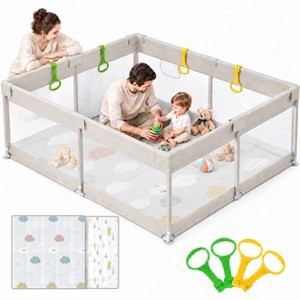
Source: target.com
Developmental Concerns Parents Should Know
The main developmental concern is not that an activity center will automatically cause a delay. Strong evidence does not support that simple claim. The greater concern is lost opportunity when a baby spends too much time in a restricted position.
Babies need varied movement. They should have daily opportunities to play on their backs, sides, and tummies while awake and supervised. They also need chances to move their arms and legs freely without being held in one position.
Too much time in a seated device may reduce practice with:
• Rolling from the back to the tummy
• Pushing up through the arms
• Reaching across the body
• Moving from sitting to crawling
• Shifting weight from one side to another
• Pulling up and standing naturally
Some activity centers also place babies on their toes. This may encourage an uneven standing pattern, especially when the center is set too high. A baby who cannot place both feet flat may lean forward or bounce in a way that does not support balanced movement.
This does not mean a few minutes will damage development. Babies develop at different rates, and one product rarely explains a developmental delay. However, regular floor play remains the better foundation for early motor development.
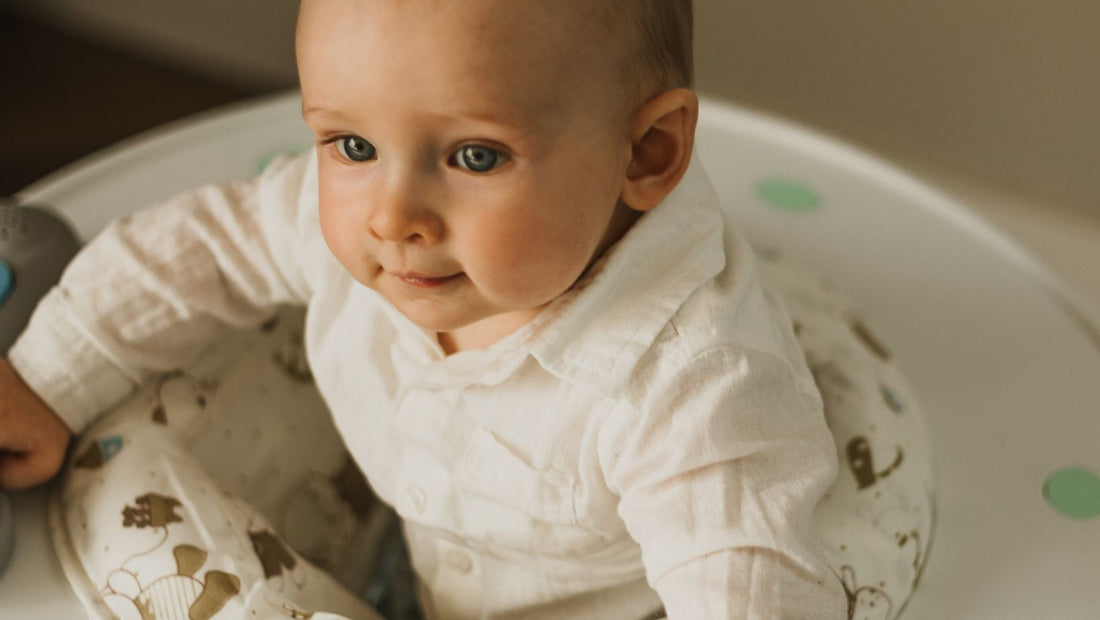
Source: cuddobaby.com
Activity Centers and Baby Safety Risks
When parents ask, “Are Activity Centers Bad For Babies?” safety is often their biggest concern. The answer depends greatly on supervision and the home environment.
A baby may reach objects that adults thought were out of reach. Cords, hot drinks, tablecloths, pet bowls, cleaning products, and small objects can become hazards. A center placed near a staircase, fireplace, window, or countertop can create serious risk.
Stationary products can also tip if a baby leans hard against one side. Toys may break or become loose. Fabric seats can tear, and small parts can become choking hazards.
Use these safety checks every time:
• Read the product manual before use
• Check the manufacturer’s age, weight, and height limits
• Make sure the center stands on a flat floor
• Keep it away from stairs, doors, pools, cords, and heat
• Inspect screws, straps, toys, and the seat before each use
• Keep pets and older children from pushing or tipping the center
• Stay close enough to respond quickly
• Stop using the product when the baby climbs, leans over the edge, or exceeds the limits
The Consumer Product Safety Commission regularly reports recalls involving baby products. Check for recalls before buying a used activity center, and avoid products with missing labels or unclear safety instructions.

Source: walmart.com
Why Baby Walkers Need Extra Caution
A mobile baby walker is not the same as a stationary activity center. Walkers with wheels allow babies to travel quickly. This increases access to stairs, hot surfaces, cords, and objects on tables.
The American Academy of Pediatrics has warned about the injury risks linked with baby walkers. Babies can move faster than adults expect, and a caregiver may not reach them in time during a fall or collision.
Possible walker injuries include:
• Falls down stairs
• Burns from hot drinks or appliances
• Head injuries from tipping
• Pinched fingers
• Access to medicines or cleaning products
• Contact with sharp furniture edges
A stationary activity center removes the rolling hazard, but it does not remove every risk. If a product has wheels, inspect how they lock and never assume that a safety gate or nearby adult makes a mobile walker safe.
For many families, a stationary center is the safer choice. Even then, direct supervision and short use remain important.

Source: amazon.com
When Can Babies Use an Activity Center?
The correct age depends on the product and the baby’s abilities. Do not rely only on a number printed on the box. Read the manual and check whether your baby can sit with steady head and trunk control.
Many seated activity centers are intended for babies who can sit upright with little help. A young infant who still slumps, folds sideways, or struggles to hold up the head may not be ready.
Before use, check that your baby:
• Holds the head steady
• Sits upright with good control
• Fits securely in the seat
• Can place the feet in the intended position
• Does not slide forward or lean sharply
• Cannot climb out or reach the floor
Stop using the center if your baby tries to stand, climbs, tips forward, or repeatedly leans over the edge. A product that was safe last month may no longer be safe after a sudden growth spurt.
If you are unsure, ask your child’s pediatrician or a pediatric physical therapist. This is especially important for babies born prematurely or babies with muscle tone, hip, spine, or movement concerns.
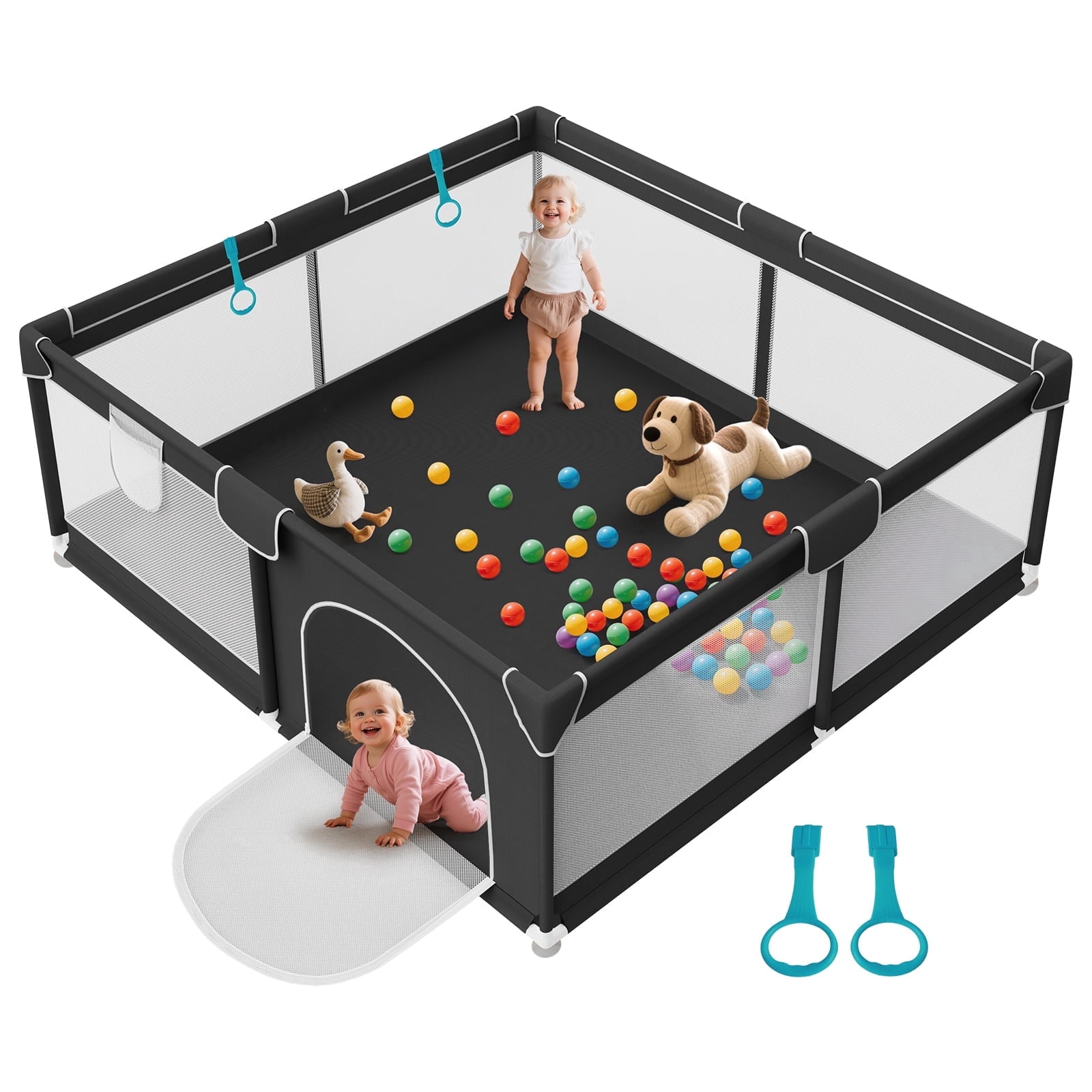
Source: schleifjunkies.de
How Long Should a Baby Stay in an Activity Center?
There is no single perfect time limit for every baby. Still, brief sessions are best. Many child development experts recommend using containers, such as swings, bouncers, and activity centers, sparingly so babies have plenty of time to move freely.
A practical approach is to begin with about 5 to 10 minutes. If your baby remains comfortable and alert, a caregiver may use the center for a little longer. Avoid leaving a baby in it for long stretches or using it several times in place of floor play.
Watch your baby’s signals:
• Fussing or crying
• Slumping or leaning
• Stiffening the legs
• Repeatedly trying to climb out
• Rubbing the eyes
• Becoming unusually quiet or tired
A common mistake is placing a baby in the center whenever the baby becomes fussy. Fussiness may signal a need to move, rest, feed, cuddle, or change position. The activity center should not be the automatic answer.
Source: desertcitiesartcouncil.com
Safer Ways to Use an Activity Center
Parents can reduce most risks by making the activity center part of a balanced routine. Think of it as a short stop, not the whole journey.
Try these practical habits:
- Offer floor play first. Give your baby time to roll, reach, kick, and explore on a clean mat.
- Use the center when your baby is rested. A hungry or tired baby may become upset quickly.
- Keep the center in the same room as you. Talk to your baby and respond to sounds and gestures.
- Choose simple toys. Babies do not need flashing lights and loud sounds to learn.
- Check the fit. Both feet should rest as the design allows, and the body should remain upright.
- Rotate activities. Move between floor play, holding, tummy time, reading, and supervised sitting.
- Clean the seat and toys often. Babies touch surfaces and then place their hands in their mouths.
- Follow recall notices. Register the product when possible.
In real homes, the best safety plan is often the simplest one. Place the center on the floor in a clear room, stay nearby, and use a timer so a short break does not quietly become an hour.
Better Alternatives to Full-Time Container Use
If you are concerned that activity centers may limit movement, several alternatives can provide safe play while supporting development.
A firm floor mat is one of the best options. It gives babies room to move and allows them to practice skills at their own pace. A play yard can also create a secure area when it is placed away from hazards and used for reasonable periods.
Other options include:
• Supervised tummy time
• A caregiver-held play session
• A firm, uncluttered play mat
• A stationary toy arch placed over a floor mat
• A low, open play area
• A baby-safe room with simple toys
• A high chair used only for meals and appropriate seated play
Do not use sleep products as play containers unless the product is specifically designed for both purposes and the instructions allow it. Babies should sleep on a firm, flat surface without loose items.
The best alternative is often interaction. Singing, reading, smiling, and copying your baby’s sounds support language and social development in ways that no electronic toy can replace.
How to Choose a Safe Activity Center
Not all activity centers have the same design. A careful purchase can lower risk and improve comfort.
Look for:
• A wide, stable base
• A secure seat with easy cleaning
• Clear height and weight limits
• Strong, well-attached toys
• Smooth edges and no exposed pinch points
• Adjustable height that allows a suitable fit
• A reliable locking system
• Easy-to-read safety instructions
Avoid products with cracked plastic, missing parts, loose straps, unstable bases, or unclear manufacturers. Be cautious with secondhand products because older designs may not meet current safety standards.
Before buying, search the exact model for recall notices. If the seller cannot provide a model number, manual, or safety label, choose another product.
A product with fewer toys may be better than one with many loud features. The safest design is one that fits your baby well and remains stable during normal use.
Signs You Should Stop Using the Activity Center
Even a well-designed center may become unsafe as your baby grows. Stop use when your baby reaches the product limit or shows new movement skills.
Stop using it if your baby:
• Climbs or attempts to climb out
• Pulls up to stand
• Leans far over the edge
• Can move the center by pushing
• No longer fits comfortably
• Slumps despite correct adjustment
• Reaches nearby hazards
• Becomes upset every time it is used
Do not try to extend the product’s life with pillows, blankets, homemade straps, or added supports. These changes can create entrapment or suffocation hazards and may void the manufacturer’s safety guidance.
If your baby seems uncomfortable in every seated device, provide more floor time and discuss the concern with a pediatric professional.
What Experts Say About Activity Centers
Pediatric guidance generally supports active floor play and limits the use of restrictive baby equipment. The Centers for Disease Control and Prevention emphasizes movement and play as part of early development. Pediatric physical therapists also commonly encourage varied positions instead of keeping babies in one device for long periods.
The American Academy of Pediatrics distinguishes stationary activity products from mobile walkers, which carry a higher risk of injury. Safety organizations also recommend following product instructions, checking recalls, and supervising babies closely.
Research on activity centers and developmental delay has limits. It is difficult to prove that one product causes a specific outcome because babies differ in health, temperament, home life, and opportunities for play. The strongest practical advice is therefore balanced: brief, supervised use is generally reasonable, while heavy reliance on any container is not ideal.
When considering, “Are Activity Centers Bad For Babies?” use the whole picture. Ask how the product is used, what it replaces, and whether your baby can move freely during most of the day.
Frequently Asked Questions About Are Activity Centers Bad For Babies?
Are activity centers safe for babies?
Stationary activity centers can be safe when they match the baby’s size and abilities and are used under close supervision. They should stand on a flat surface, remain away from hazards, and be used for short periods.
Do activity centers delay walking?
There is no clear proof that brief use directly delays walking. However, too much time in an activity center can reduce practice with floor movement, crawling, pulling up, and balance.
Are activity centers safe for a 4-month-old baby?
Many four-month-old babies are not ready because they may not sit steadily or control the trunk. Follow the product instructions and ask a pediatrician if your baby still needs head or body support.
How long can a baby sit in an activity center?
Keep sessions brief and balance them with plenty of floor play, tummy time, rest, and interaction. Stop sooner if the baby slumps, fusses, looks tired, or tries to climb out.
Are mobile baby walkers safe?
Mobile walkers have a higher injury risk because babies can reach stairs, hot objects, and other hazards quickly. Many pediatric safety experts advise avoiding them.
Can babies sleep in an activity center?
No. Activity centers are not intended for routine sleep. If a baby falls asleep, move the baby to a firm, flat sleep surface on the back as soon as practical.
Should a baby’s feet touch the floor in an activity center?
Use the position stated in the product manual. The center should support a stable, comfortable posture and should not force the baby to stand on the toes or lean forward.
Conclusion
Are Activity Centers Bad For Babies? Not automatically. A stable, stationary activity center can provide short, supervised entertainment, but it should never replace floor play, tummy time, caregiver interaction, or natural movement.
Choose a safe model, check the fit, follow the age and weight limits, inspect the product, and stop using it when your baby climbs or leans. If you remain unsure, ask your pediatrician or a pediatric physical therapist for advice based on your baby’s development.
Use the activity center as a small tool within a varied day, not as a substitute for movement. For more practical baby safety guidance, explore trusted pediatric resources, check product recalls, and share your questions or experience with other parents.